


FDA Food Safety Recall Enforcement | Compliance Barriers Protect Certified Produce Sellers
- 236,192 cases recalled across 27 states; 22,700+ cases; 500+ hospitalizations drive stricter traceability requirements for fresh produce sellers on Amazon Fresh, Walmart+, and specialty platforms
Overview
The July 2026 FDA cyclospora outbreak linked to Taylor Farms lettuce represents a watershed moment for food safety compliance in e-commerce produce distribution. With 236,192 cases of contaminated iceberg and romaine lettuce distributed across 27 U.S. states, 22,700+ confirmed cases, 500+ hospitalizations, and 2 deaths, federal regulators are now implementing stricter traceability and certification requirements that will fundamentally reshape the competitive landscape for fresh produce sellers on Amazon Fresh, Walmart+, and specialty food platforms.
Compliance as a Competitive Moat: The FDA's criticism of Taylor Farms' "obscure abbreviations" on recall notices signals a regulatory shift toward mandatory standardized labeling, lot tracking, and real-time traceability systems. Sellers who implement FSMA (Food Safety Modernization Act) compliance, blockchain-based supply chain tracking, and third-party food safety certifications (SQF, BRC) will face 6-12 month implementation timelines and $50,000-$200,000 in certification costs, but will gain exclusive access to major retailer shelves and premium marketplace positioning. Non-compliant suppliers—estimated at 40-60% of small produce vendors—will be systematically excluded from high-volume distribution channels.
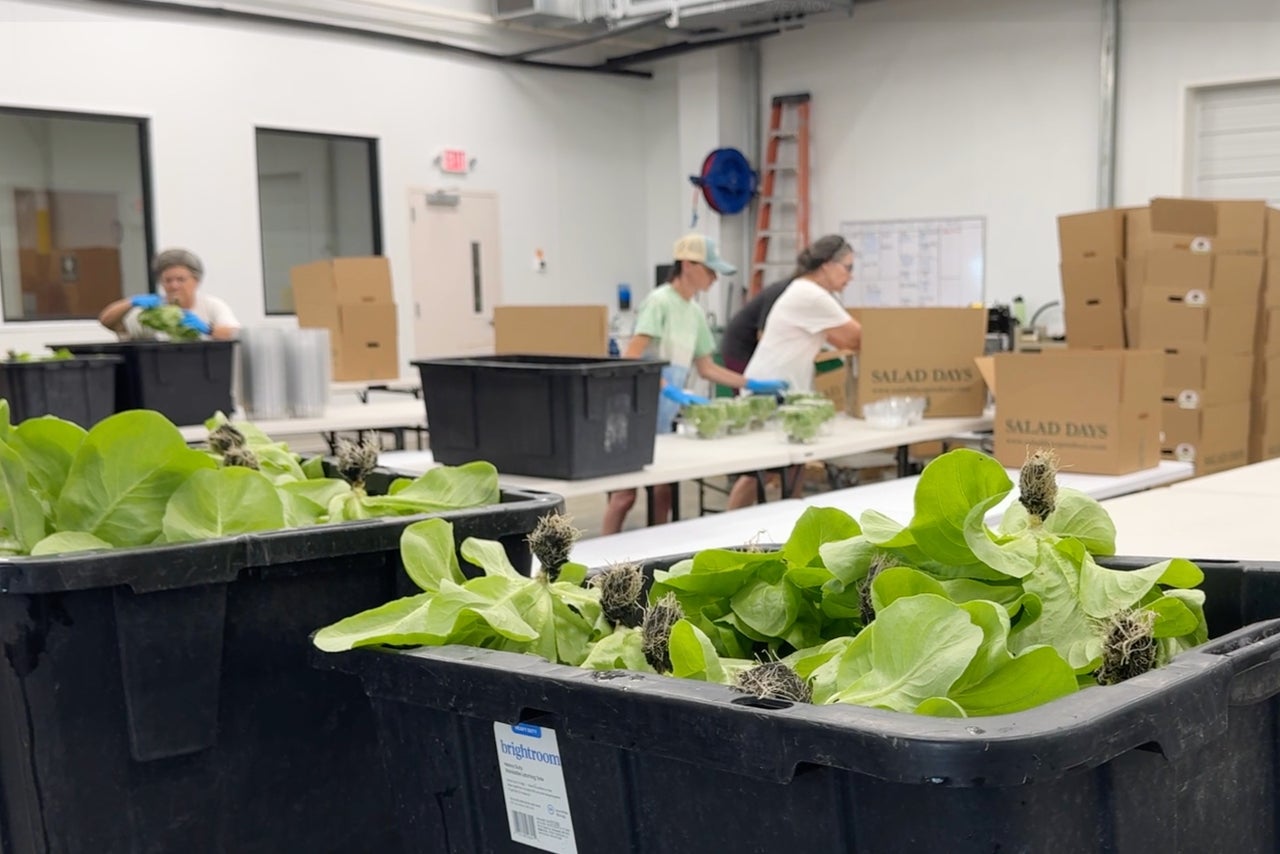
Market Elimination & Category Consolidation: The outbreak's concentration in Michigan (12,000+ cases) and impact on major chains (Walmart Marketside: 109,476 cases; Subway: 8,075 cases; Yum! Brands: 5,900 cases) demonstrates that even certified distributors face reputational and operational damage. This creates a 30-45% margin opportunity for sellers offering pre-certified, traceable produce alternatives—including organic lettuce, hydroponic greens, and locally-sourced salad mixes that bypass Mexican sourcing risks. Sellers can differentiate through verified food safety certifications displayed prominently on product listings, converting consumer anxiety into premium pricing power.
Fast-Track Compliance Pathways: The fastest route to compliance involves partnering with third-party logistics providers (3PLs) already holding SQF/BRC certifications (timeline: 4-8 weeks, cost: $15,000-$40,000) rather than pursuing independent certification (12-18 months, $100,000+). Sellers should immediately audit suppliers for FSMA compliance documentation, implement lot-level tracking systems, and establish recall response protocols to meet emerging FDA expectations. The regulatory enforcement intensity is now critical—expect FDA inspections to increase 50-70% for produce categories in 2026-2027.
Questions 8
When should sellers take action to prepare for stricter FDA enforcement in 2026-2027?
**Immediate (0-30 days)**: Audit current suppliers for FSMA compliance documentation and SQF/BRC certifications. Review product sourcing regions and identify Mexico-sourced items. **Short-term (1-3 months)**: Initiate third-party certification process or 3PL partnership. Implement basic lot-level tracking systems. **Medium-term (3-6 months)**: Complete SQF/BRC certification or transition to certified suppliers. Update product listings with compliance badges. **Long-term (6-12 months)**: Establish blockchain traceability, conduct mock recalls, and train teams on FDA protocols. Sellers delaying action risk **marketplace suspension** and **distribution bans** as enforcement intensifies in Q2-Q3 2026.
What compliance service gaps exist that sellers can exploit as business opportunities?
**High-demand services**: (1) **Affordable SQF/BRC audit facilitation** for small sellers ($10,000-$20,000 vs. $50,000+ direct); (2) **Blockchain traceability platforms** designed for e-commerce produce (market gap: no affordable solutions <$5,000/month); (3) **Recall response consulting** and mock recall drills; (4) **Supplier compliance verification services** (automated audits of supplier certifications); (5) **Food safety training and documentation** for seller teams. Sellers with compliance expertise can build **B2B SaaS businesses** targeting 10,000+ small produce vendors needing affordable certification support.