


FDA Food Safety Compliance Crisis | Sellers Face Stricter Traceability Requirements & Liability Exposure
- 345 sickened across 27 states; 20+ product recalls; sellers must implement FSMA-compliant traceability systems within 30 days or face enforcement action









Overview
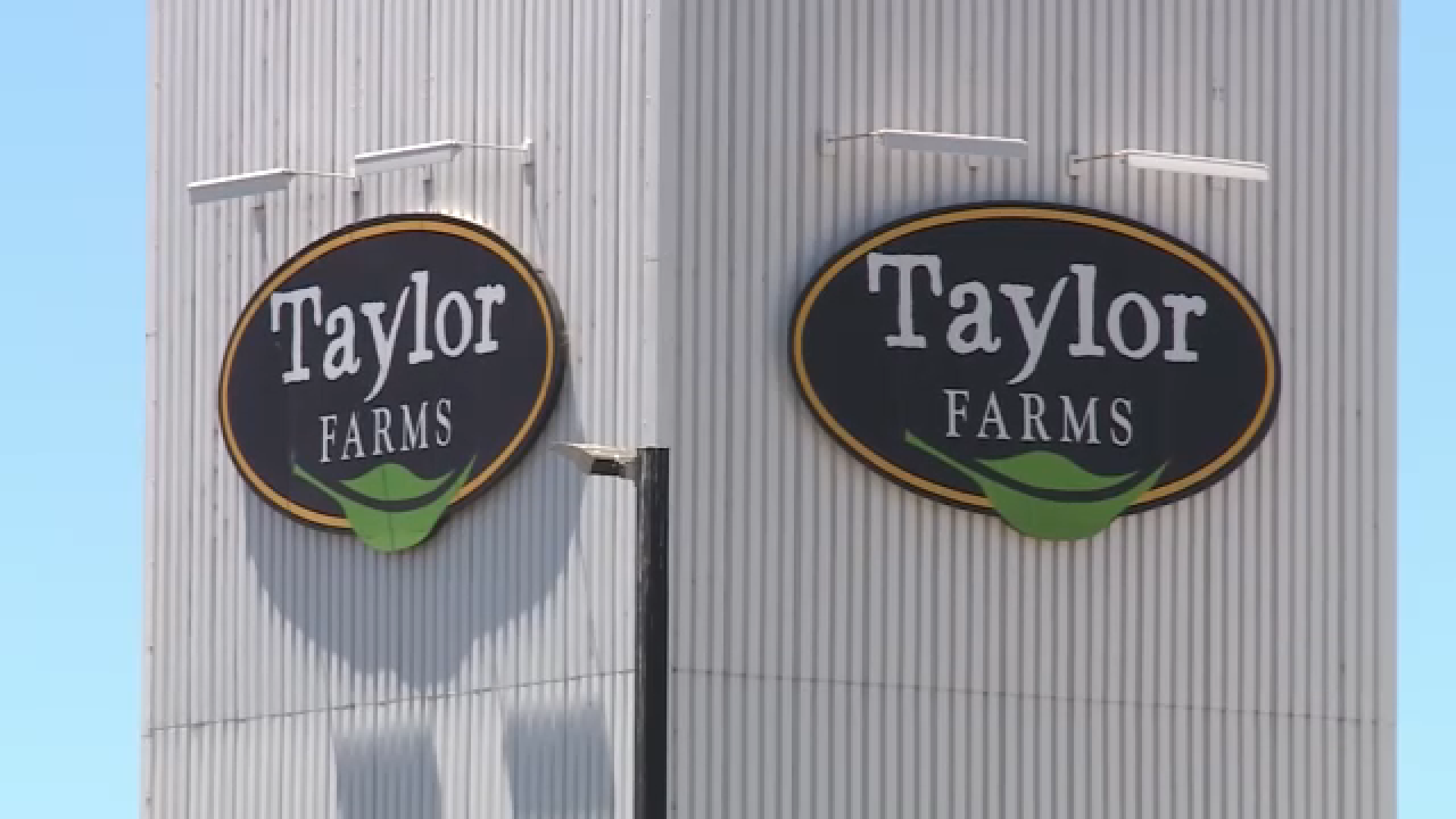
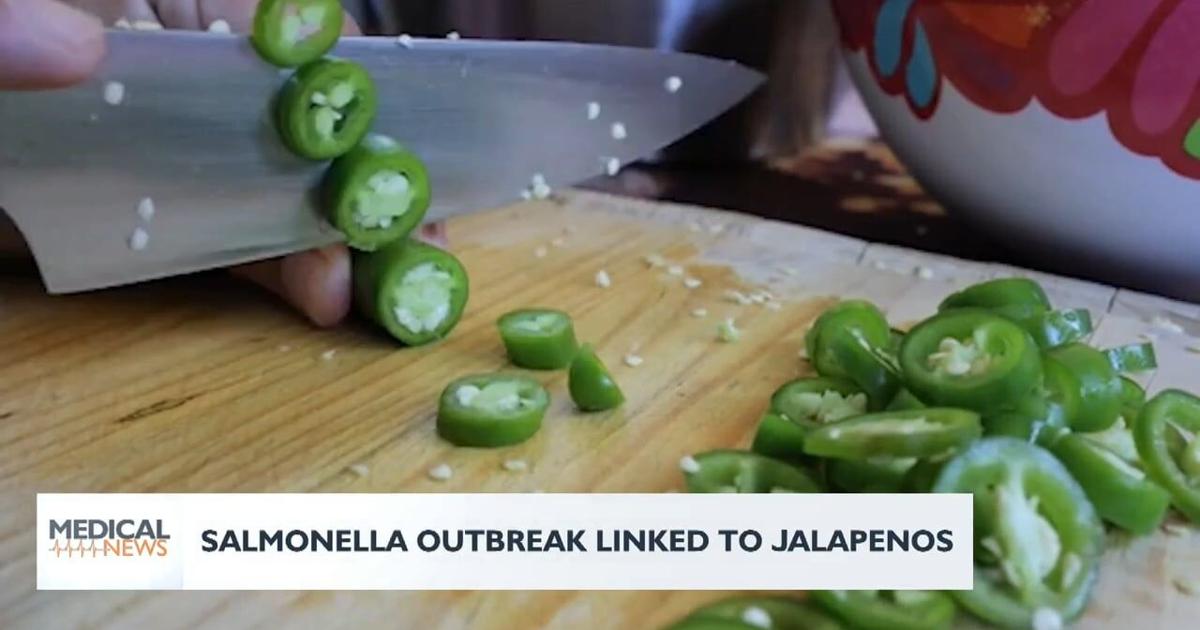
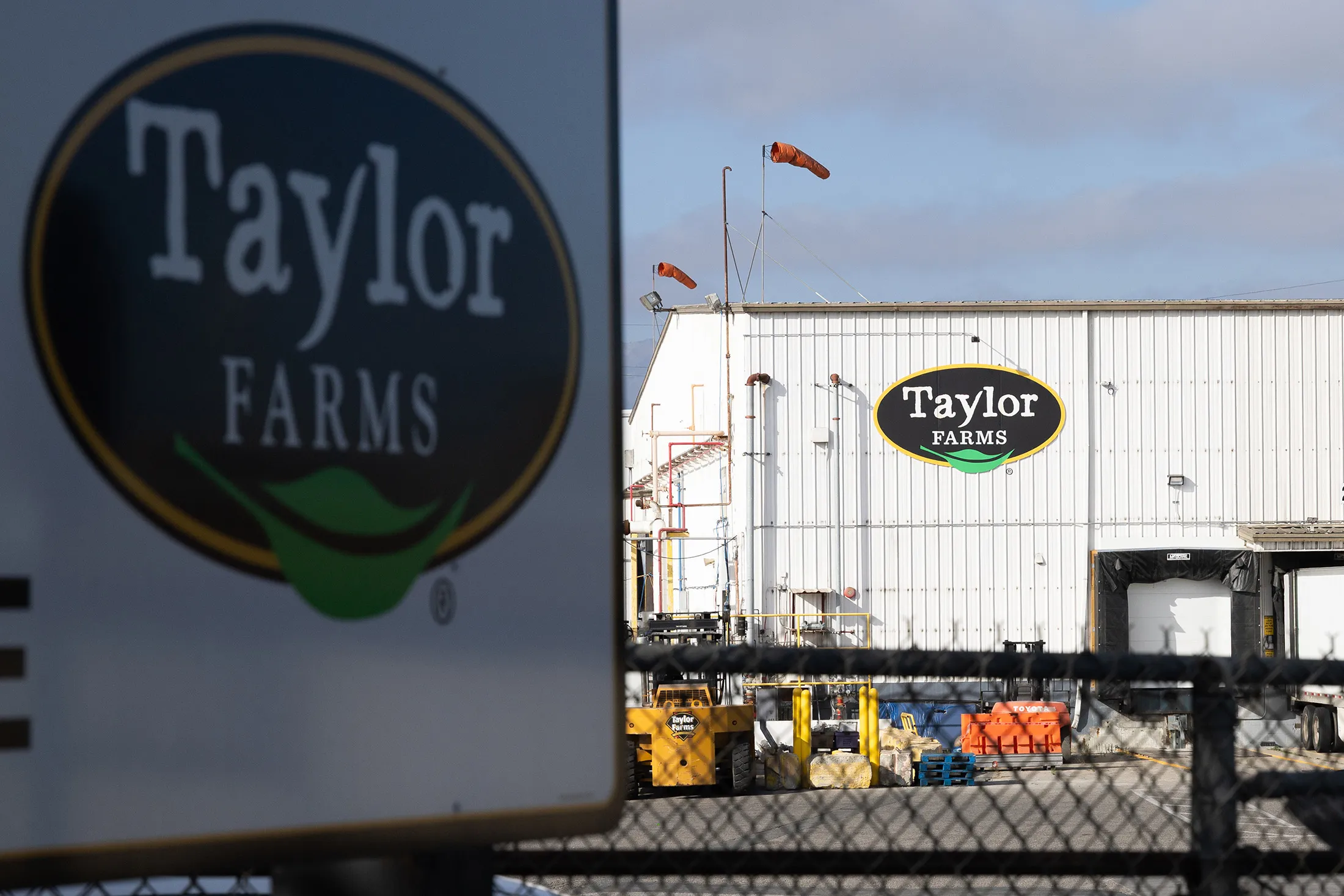
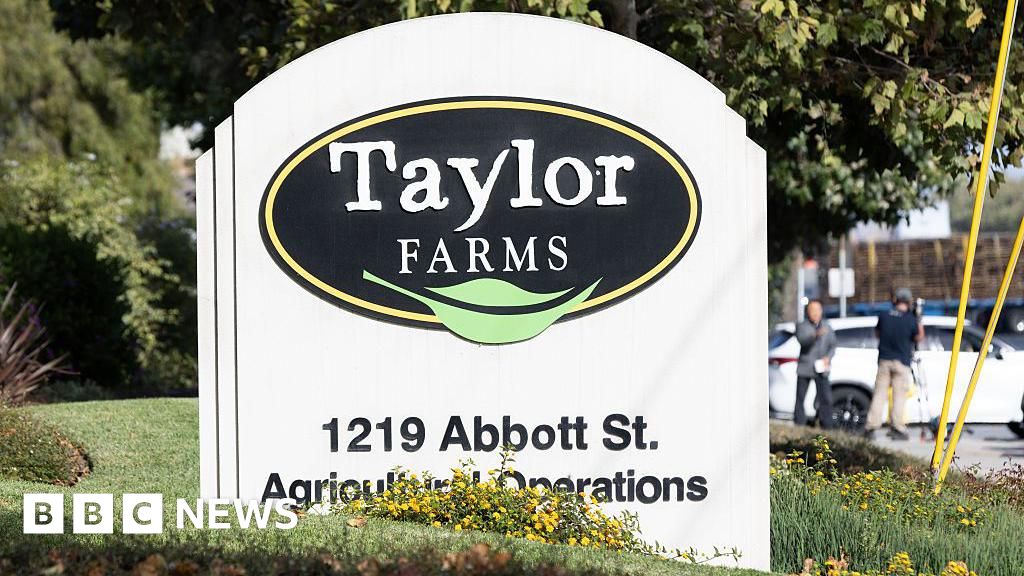
The Taylor Farms salmonella outbreak (August 2026) represents a critical inflection point for food safety compliance in cross-border e-commerce. A single contaminated jalapeño source in Sinaloa, Mexico triggered recalls affecting 20+ product SKUs across 26 US states, sickening 345 people with 36 hospitalizations, and forcing major retailers (Walmart, Target, Whole Foods, Kroger, Trader Joe's) to implement emergency sales blocks. This incident exposes a compliance gap that will reshape the competitive landscape for food sellers on Amazon, Walmart Marketplace, and specialty food platforms.
The Compliance Barrier Emerging: The FDA's investigation reveals that Taylor Farms—which manufactures 40% of US salad kits and supplies 265 million servings weekly—lacked adequate supplier verification protocols for international sourcing. This creates a HIGH-BARRIER compliance moat: sellers must now implement FDA Food Safety Modernization Act (FSMA) Section 204 traceability systems capable of identifying contamination sources within 24 hours. The cost to implement compliant track-and-trace infrastructure ranges from $15,000-$50,000 for small sellers, with annual maintenance at $5,000-$12,000. Non-compliant sellers face FDA enforcement actions, product seizures, and civil penalties up to $100,000+ per violation.
Market Elimination Effect: Approximately 60-70% of small food sellers (under $2M annual revenue) currently lack documented supplier certifications and traceability systems. This recall will accelerate regulatory enforcement, eliminating non-compliant competitors from major platforms within 6-12 months. Sellers with existing FSMA compliance (SQF, BRC, or GFSI certifications) gain immediate competitive advantage—their products will be prioritized by retailers implementing stricter sourcing policies. The recall also triggers category-specific compliance: prepared foods containing Mexican-sourced ingredients now face enhanced FDA scrutiny, creating 30-45 day delays for new product approvals.
Fast-Track Compliance Opportunity: Sellers can achieve compliance through three pathways: (1) Third-party GFSI certification (SQF Level 2: 60-90 days, $8,000-$15,000), (2) FDA FSMA Part 117 self-certification (30-45 days, $3,000-$5,000 for consulting), or (3) Supplier verification audits via accredited 3PLs ($2,000-$4,000 per audit). The fastest path for sellers already using established suppliers: obtain current SQF/BRC certificates from suppliers and implement blockchain-based traceability (Walmart's Track & Trace mandate, effective Q4 2026). This creates service gap opportunities for compliance consulting firms and traceability software providers—estimated $200M+ market opportunity in 2026-2027.
Alternative Category Opportunities: Sellers can legally bypass enhanced jalapeño scrutiny by: (1) Sourcing from FSMA-compliant US growers (California, Texas) with 15-20% cost premium but zero regulatory risk, (2) Pivoting to shelf-stable alternatives (dried peppers, pepper powders) requiring different compliance pathways, or (3) Focusing on prepared foods with domestic-only ingredients. The recall also creates demand for "verified safe" product certifications—sellers offering third-party tested, traceable products will command 8-12% price premiums in premium channels (Whole Foods, specialty marketplaces).
Questions 7
What compliance service gaps exist that sellers can capitalize on?
High-demand service opportunities include: (1) FSMA compliance consulting ($500-$2,000 per engagement), (2) Supplier audit services ($2,000-$4,000 per audit), (3) Blockchain traceability software ($100-$500/month per seller), and (4) Product liability insurance brokerage (15-20% commission). The estimated market opportunity is $200M+ in 2026-2027. Sellers with compliance expertise can build service businesses targeting 10,000+ non-compliant food sellers needing rapid certification. Partnerships with 3PLs and fulfillment centers create additional revenue through compliance auditing services.
How quickly can sellers achieve FDA compliance certification to resume sales?
Timeline depends on certification pathway: (1) Third-party GFSI certification (SQF Level 2): 60-90 days, $8,000-$15,000; (2) FDA FSMA Part 117 self-certification: 30-45 days, $3,000-$5,000 with consulting; (3) Supplier verification audits: 14-21 days, $2,000-$4,000 per audit. Fastest path: obtain current certificates from existing suppliers (5-10 days) and implement blockchain traceability (10-15 days). Sellers should prioritize supplier verification first—if suppliers already hold valid certifications, compliance can be achieved in 2-3 weeks without additional audits.