
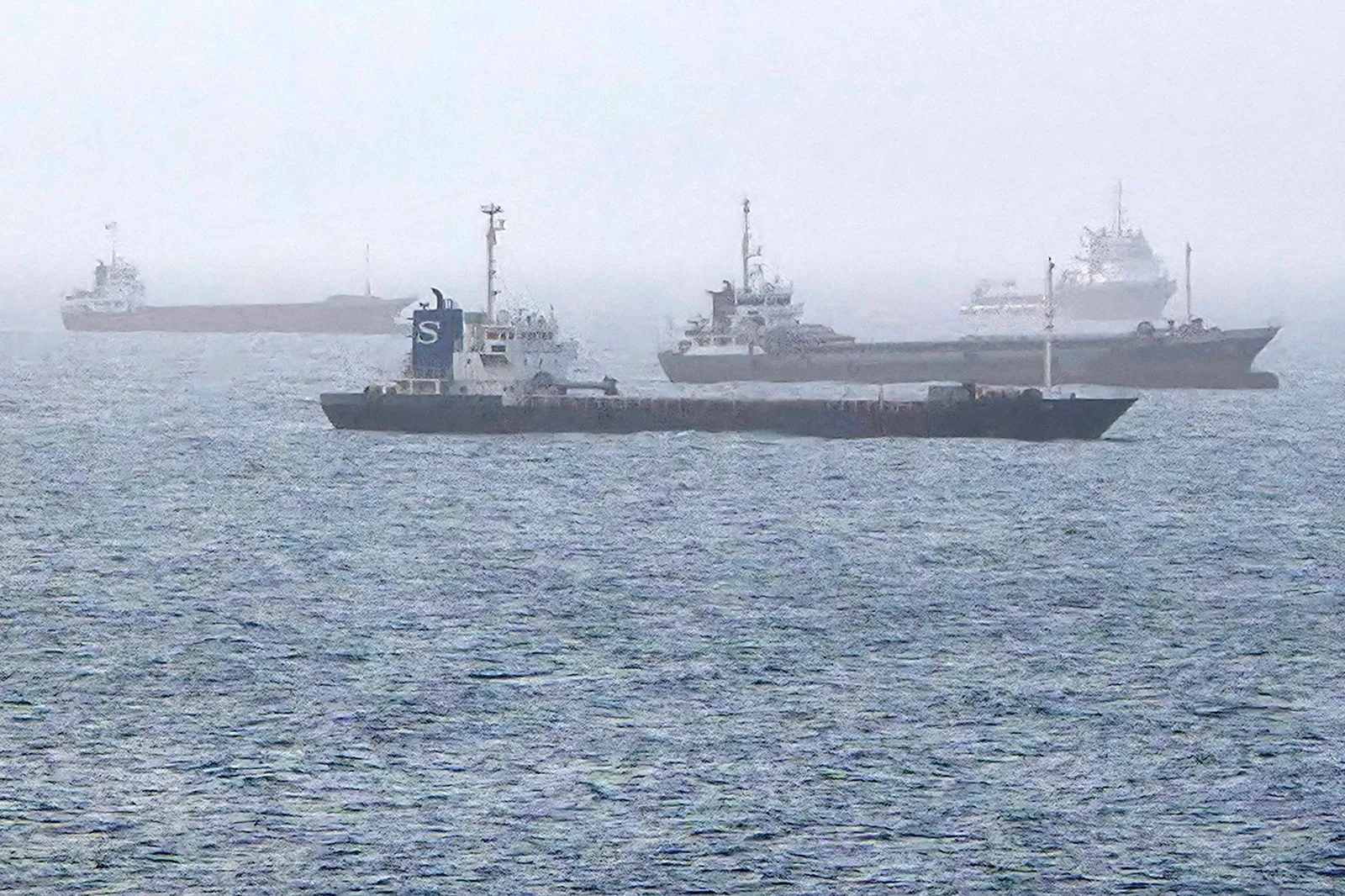
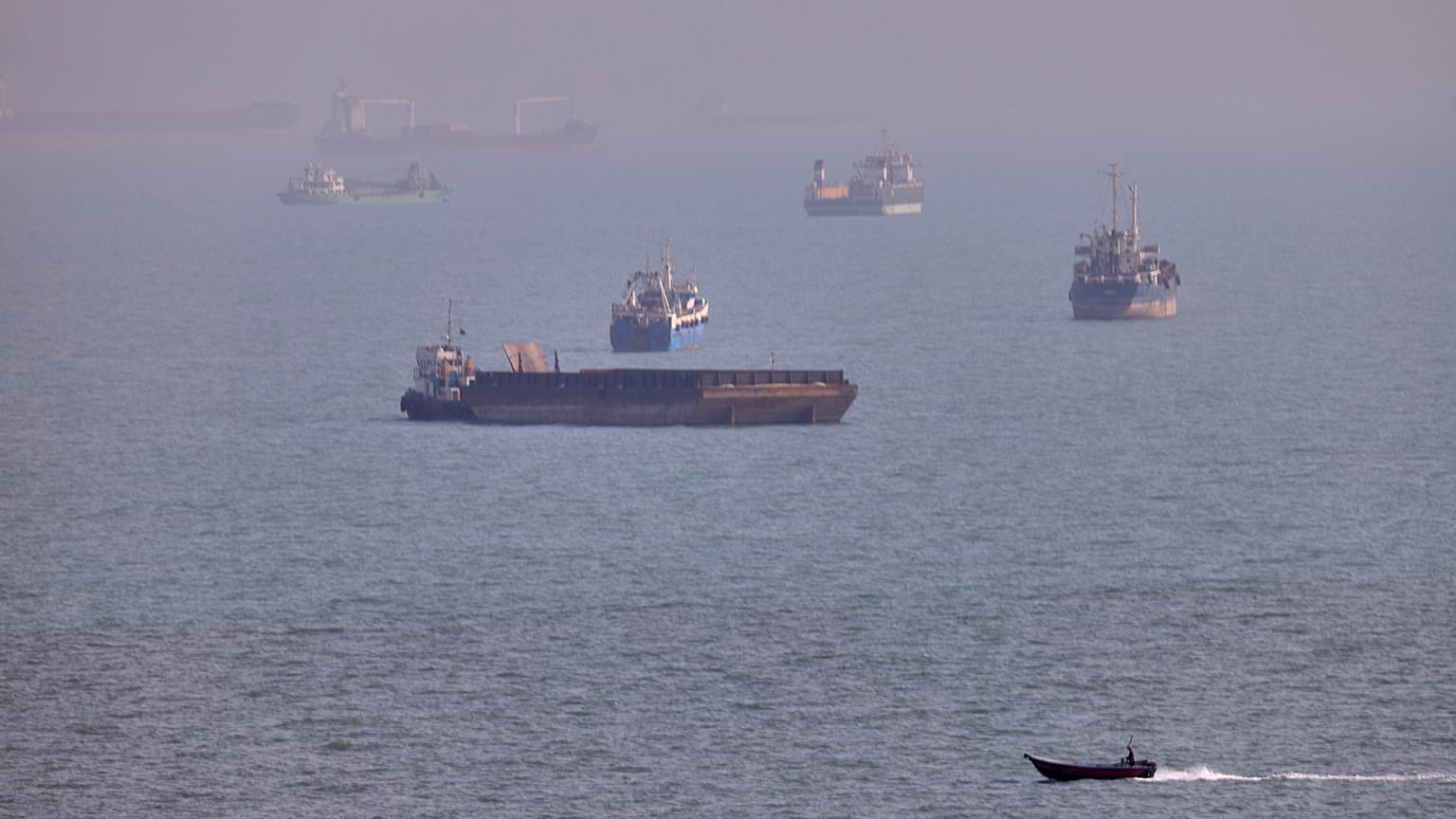


Strait of Hormuz Closure Risk | Shipping Costs Surge 15-25% for Cross-Border Sellers
- US-Iran tensions escalate with Strait traffic down 60% (15 to 6 crossings); oil prices climb to $84.40/barrel; sellers face 3-6 week delivery delays and 15-25% logistics cost increases on Asia-US routes

















Overview
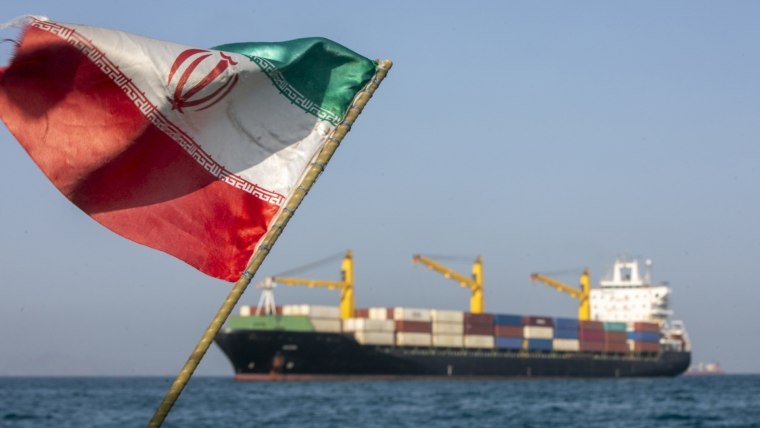
The Strait of Hormuz closure risk represents an immediate supply chain crisis for cross-border e-commerce sellers, with geopolitical tensions between the US and Iran creating unprecedented shipping disruptions. Maritime intelligence firm Kpler reported confirmed crossings through the vital waterway collapsed 60% in a single weekend (15 Friday to 6 Sunday), while Brent crude surged to $84.40/barrel and US crude reached $78.80—directly translating to 15-25% cost increases on ocean freight for sellers shipping from Asia to North America and Europe. The waterway handles approximately one-fifth of global crude oil trade, making any sustained closure economically catastrophic for e-commerce logistics networks that depend on fuel-efficient shipping corridors.
For cross-border sellers, this creates immediate operational pressure across three dimensions. First, shipping cost inflation: Standard 40-foot containers from Shanghai to Los Angeles typically cost $1,200-1,500; elevated fuel surcharges now add $180-375 per container (15-25% premium), compressing margins on electronics, apparel, and home goods categories where freight represents 8-12% of landed costs. Second, delivery timeline extension: Sellers currently routing through Suez Canal alternatives face 3-6 week delays versus standard 2-3 week transits, forcing inventory buffers and increased working capital requirements. Third, currency volatility: The dollar weakened to seven-week lows (euro at 1.1554), creating forex headwinds for US-based sellers sourcing from China and Southeast Asia—a 3-5% currency depreciation compounds logistics cost increases.
The geopolitical trajectory suggests prolonged disruption rather than near-term resolution. Iran's Supreme Leader reshuffled military leadership Monday, appointing hardline commanders (Ali Abdollahi as armed forces chief, Ahmad Vahidi as IRGC commander), signaling stronger deterrence posture. Simultaneously, Iran conditioned Strait reopening on complete removal of US naval blockades—a demand President Trump rejected while introducing new compensation requirements. Maritime analysts note "both sides are moving further from agreement rather than closer," indicating negotiations have stalled. This contrasts sharply with earlier optimism about imminent deals, suggesting sellers should prepare for 6-12 month disruption scenarios rather than temporary volatility.
Specific seller segments face differentiated impacts. Small/medium sellers (annual revenue $500K-5M) shipping 50-200 containers monthly will absorb $9K-75K in additional monthly freight costs, potentially reducing net margins by 2-4 percentage points on 15-20% margin categories. Large sellers (annual revenue $20M+) with diversified sourcing can negotiate volume discounts and activate alternative corridors (Vietnam/India to US via Indian Ocean routes), gaining competitive advantage. Electronics sellers face the steepest pressure—semiconductors, consumer electronics, and computer peripherals typically ship via Asia-US routes where Hormuz represents 40-50% of volume. Apparel and home goods sellers can partially mitigate through slower boat freight alternatives, though this extends inventory cycles by 2-3 weeks.
Strategic sourcing shifts are already underway. Sellers are accelerating nearshoring to Vietnam, India, and Mexico to reduce Hormuz dependency. Vietnam's electronics exports to US grew 18% YoY in 2024; India's apparel shipments to North America increased 12% YoY. These corridors avoid Hormuz entirely, though they carry 5-8% higher manufacturing costs versus China. Sellers with 6-12 month planning horizons should evaluate 20-30% sourcing reallocation to non-China suppliers, locking in manufacturing agreements before competitors saturate alternative capacity.
Questions 7
What immediate actions should sellers take this week to mitigate Hormuz risks?
Immediate actions (0-30 days): (1) Audit current freight contracts and lock in rates with 3PL providers before further escalation; (2) Communicate revised delivery estimates to customers on Amazon/eBay listings; (3) Evaluate inventory buffer requirements—increase safety stock by 8-15% for 4-6 week lead time products; (4) Request quotes from Vietnam/India suppliers for 20-30% of current sourcing; (5) Implement currency hedging for next 3-6 months of Asia sourcing. Strategic adjustments (1-6 months): Negotiate nearshoring agreements, diversify shipping corridors, and adjust pricing to recover 5-8% of freight cost increases.
How long will Hormuz disruptions likely persist based on current negotiations?
Iran's military leadership reshuffle Monday (appointing hardline commanders) and Trump's rejection of Iran's Strait reopening conditions suggest prolonged disruption. Maritime analysts note 'both sides are moving further from agreement rather than closer,' indicating negotiations have stalled. Sellers should prepare for 6-12 month disruption scenarios rather than temporary volatility. This timeline justifies nearshoring investments and inventory buffer strategies that would be uneconomical for shorter disruptions.