


AWS Data Center Capacity Crunch | Critical Cost & Service Risks for E-Commerce Sellers in 2025
- State-level data center bans in NY/TX threaten cloud service pricing; AWS efficiency mandates could increase operational costs 8-15% for sellers relying on inventory management and fulfillment analytics infrastructure











Overview
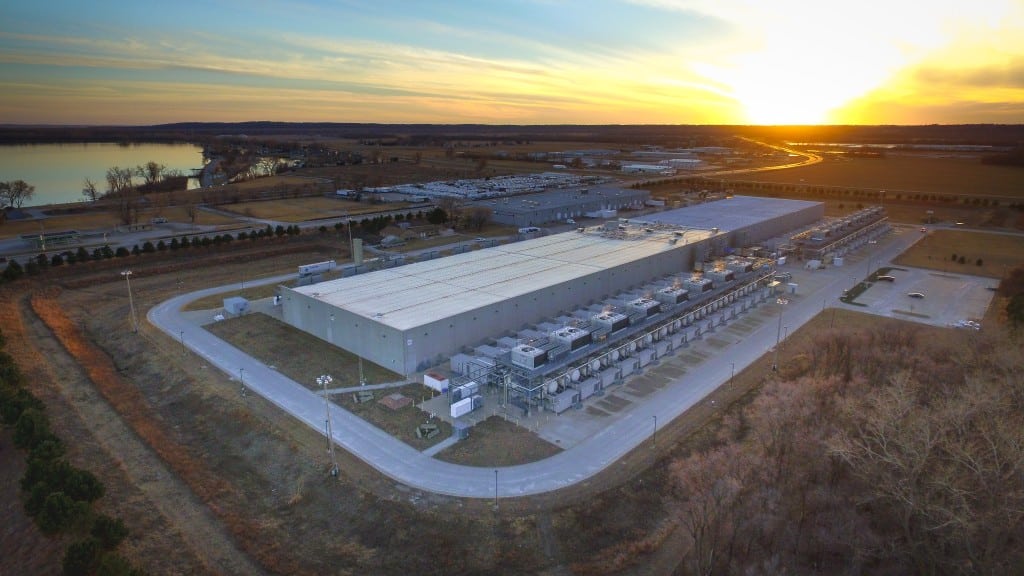
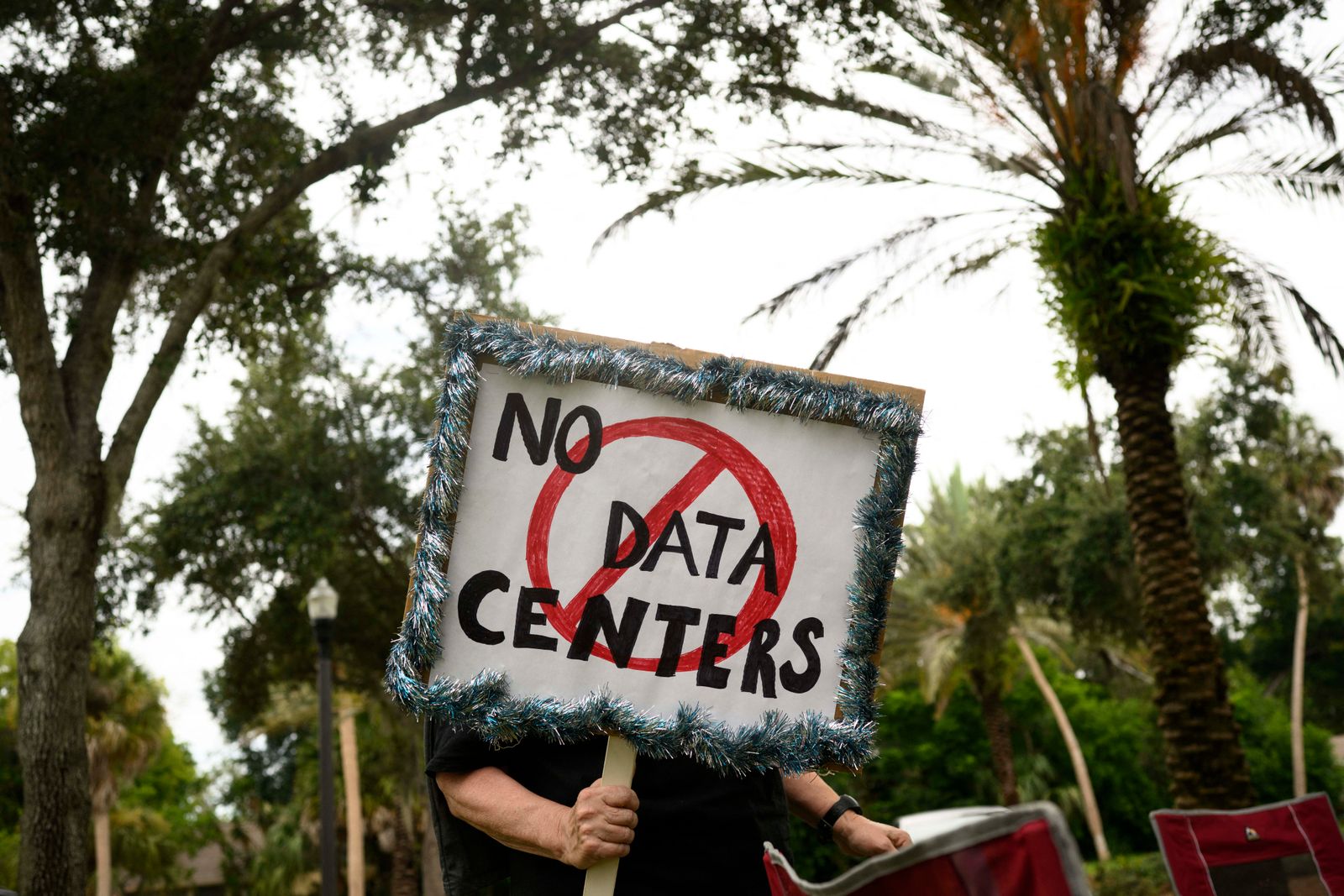
AWS faces unprecedented infrastructure strain as AI workload demand collides with state-level regulatory pushback, creating direct operational and financial risks for cross-border e-commerce sellers. The company is implementing efficiency measures to address data center capacity constraints, directing engineers to reduce CPU waste as demand for cloud infrastructure intensifies. Simultaneously, New York and Texas have joined regulatory pushback against data center expansion, citing concerns about power consumption, water usage, and environmental impact. This regulatory environment signals a fundamental shift: cloud providers will optimize existing infrastructure rather than build new capacity, potentially limiting service expansion and increasing competition for available resources.
For e-commerce sellers, this creates three immediate operational risks. First, data center capacity constraints directly affect cloud service availability and pricing. Sellers relying on AWS services for inventory management (through tools like Amazon Seller Central integrations), fulfillment operations, and customer analytics may experience service adjustments or degradation during peak demand periods. The NERC Level 3 alert in May 2024—when over 1,000 megawatts of data center load dropped from the grid in seconds—demonstrates the fragility of current infrastructure. Second, regulatory restrictions in major states will increase operational costs for US-based infrastructure users. AWS efficiency mandates typically translate to cost adjustments or service modifications, potentially raising fees for cloud services by 8-15% for sellers shipping from US fulfillment centers. Third, the competitive landscape for cloud resources will intensify, as multiple cloud providers (Azure, Google Cloud) compete for limited capacity, driving up pricing across the industry.
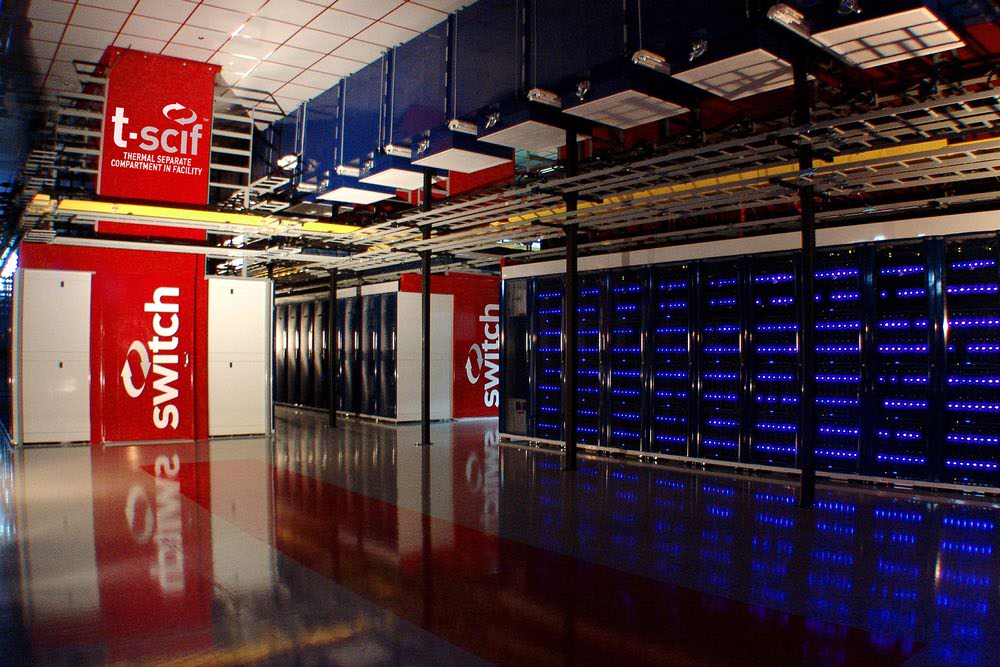
The industry is transitioning toward efficiency-driven infrastructure, with Power Usage Effectiveness (PUE) improving from 3-5 in the 1990s to 1.2-1.5 today, and cooling innovations like Nvidia's 113-degree coolant systems eliminating traditional cooling towers. However, this transition period creates uncertainty for sellers. Local jurisdictions are modernizing construction regulations, but the timeline for new capacity deployment remains unclear. Sellers should expect AWS pricing announcements within Q1-Q2 2025, as the company passes efficiency costs to customers. For sellers with high-volume inventory management needs (1,000+ units monthly), this could translate to $200-400 monthly cost increases. The strategic implication: sellers must diversify their cloud infrastructure dependencies and consider alternative fulfillment models (3PL providers, regional warehousing) to mitigate single-provider risk.
Questions 8
How will AWS data center capacity constraints affect my fulfillment costs in 2025?
AWS efficiency mandates and state-level regulatory restrictions in New York and Texas will likely increase cloud service costs by 8-15% for sellers relying on inventory management and fulfillment analytics. Sellers with 1,000+ monthly units should expect $200-400 monthly cost increases. AWS typically passes infrastructure optimization costs to customers within 60-90 days of implementation. Monitor AWS Seller Central announcements for pricing updates in Q1-Q2 2025, and consider diversifying to alternative 3PL providers or regional warehousing to mitigate single-provider dependency risk.
What regulatory changes should sellers monitor regarding data center operations?
Monitor state-level regulations in New York, Texas, and other major data center hubs (Virginia, Ohio, California) for restrictions on power consumption, water usage, and environmental impact. These regulations directly affect AWS capacity planning and pricing. Additionally, watch for federal energy efficiency standards and grid reliability requirements from NERC. The trend is toward stricter environmental regulations, which will increase data center operating costs industry-wide. Sellers should subscribe to AWS regulatory updates and join seller forums to share intelligence on pricing changes. Consider geographic diversification of fulfillment centers to reduce exposure to any single state's regulatory environment.