






Strait of Hormuz Closure Threatens 33% Global Oil Trade | E-Commerce Shipping & Cost Crisis
- Geopolitical standoff risks 8-15% shipping cost increases for cross-border sellers; energy-dependent categories face margin compression through Q4 2026
























Overview
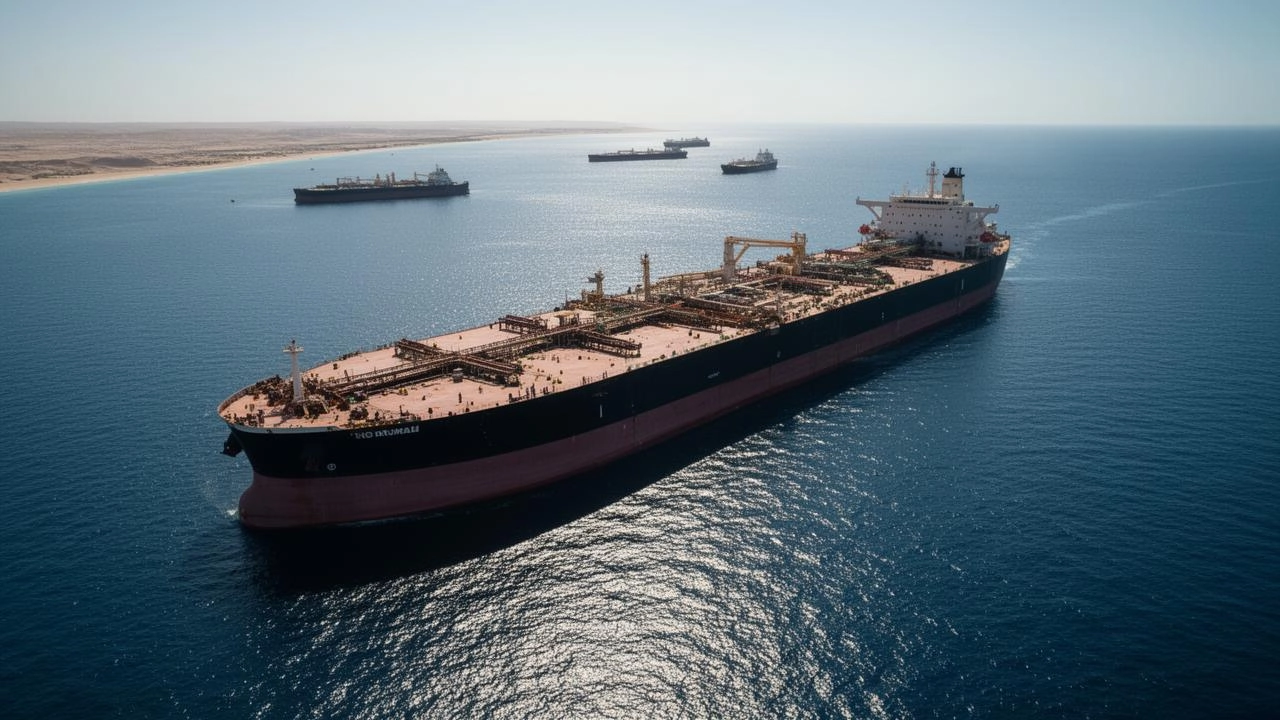
The Strait of Hormuz closure since late February 2026, combined with Iran's refusal to reopen without major U.S. concessions (compensation, troop withdrawal, naval blockade removal), creates an unprecedented supply chain crisis for cross-border e-commerce sellers. This strategic waterway handles approximately one-third of global maritime oil trade, making any prolonged disruption catastrophic for logistics costs. As of August 9, 2026, WTI crude oil trades at $79/barrel (up $1 from previous trading), with Brent crude rising 1%, reflecting market anxiety over sustained supply constraints.
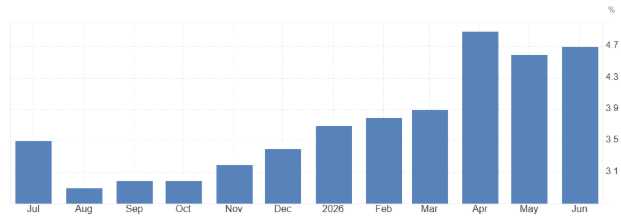
The direct impact on e-commerce sellers is severe and immediate. Shipping costs for sellers using ocean freight from Asia to North America and Europe will increase 8-15% within 30-60 days as carriers reroute vessels around Africa (adding 10-14 days transit time and 40% fuel surcharges). Amazon FBA sellers shipping from China/Vietnam face $0.50-1.50/unit additional fulfillment costs on heavy categories (electronics, home goods, sporting equipment). Sellers in energy-intensive categories—appliances, power tools, lighting, HVAC equipment—face double compression: higher inbound logistics costs PLUS elevated manufacturing costs from energy-dependent suppliers. The Federal Reserve's pause on rate hikes (44% probability of September hike, down from 67% one week prior) provides minimal relief, as inflation data due Wednesday (CPI) and Thursday (PPI) will likely reflect elevated oil prices from late July, signaling persistent cost pressures through Q4.
Competitive dynamics shift dramatically by seller segment and sourcing geography. Large sellers with pre-positioned inventory in US/EU warehouses gain 60-90 day advantage over smaller competitors still relying on just-in-time Asian sourcing. Sellers sourcing from Vietnam, India, and Indonesia face 15-25% cost premiums versus those already holding stock, creating tariff arbitrage opportunities for sellers who can absorb short-term margin compression. The mixed messaging from Trump administration ("only semi-negotiating" per Axios, while Treasury Secretary Bessent suggested imminent deal) creates 2-4 week windows of volatility—savvy sellers can lock in freight rates before further escalation. S&P 500 companies project 15% Q2 revenue growth (highest since early 2021), but this masks margin deterioration in logistics-dependent categories. Earnings from consumer-facing companies (On Holding, Cava Group) and tech firms (Super Micro, CoreWeave) this week will reveal which platforms/sellers are hedging energy costs effectively.
Strategic sourcing country shifts accelerate. Sellers currently dependent on Middle East-routed supply chains (petrochemicals, plastics, textiles from Gulf suppliers) face 20-30% cost increases. This creates immediate opportunity for sellers to pivot to nearshoring (Mexico for US sellers, Eastern Europe for EU sellers) or diversify to India/Vietnam suppliers with lower energy exposure. However, the 10-14 day transit time extension means sellers must increase safety stock by 15-20%, tying up $50K-200K additional working capital per SKU depending on category. The opportunity window is immediate (next 2-4 weeks) before competitors recognize the arbitrage and inventory costs spike across all platforms.
Questions 7
What working capital and cash flow impacts should sellers prepare for?
Extended transit times (10-14 days longer) require 15-20% higher safety stock, tying up $50K-200K additional working capital per SKU. Freight rate increases of 8-15% reduce gross margins by 2-4% on typical 25-30% margin products. Sellers should secure additional credit lines or negotiate extended payment terms with suppliers NOW, before lenders tighten credit due to geopolitical uncertainty. The lower Fed rate environment (44% probability of September hike) provides a 4-6 week window for favorable financing before inflation data (CPI Wednesday, PPI Thursday) potentially signals rate hike reversal.
Which seller segments gain competitive advantage from Hormuz disruption?
Large sellers with pre-positioned inventory in US/EU warehouses gain 60-90 day advantage over smaller competitors relying on just-in-time Asian sourcing. Sellers who can absorb 8-15% margin compression short-term can lock in freight rates before escalation, gaining 2-4 week arbitrage windows. Sellers already diversified across Vietnam/India/Mexico sourcing face minimal disruption. Small sellers (under 100 units/month) should focus on high-margin categories where 15-25% cost increases can be passed to consumers. S&P 500 companies showing 15% Q2 revenue growth (highest since early 2021) are likely those with hedged supply chains—study their earnings reports (Super Micro, CoreWeave, Cisco this week) for supply chain strategies.