


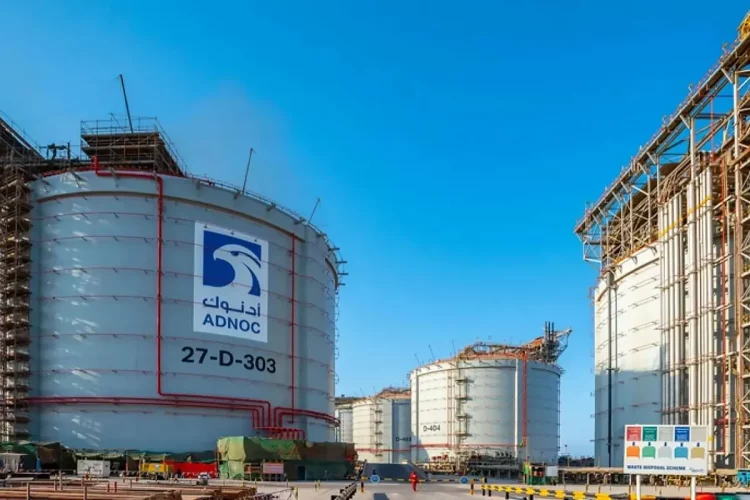

UAE Energy Infrastructure Crisis Reshapes Global Shipping Routes | Sellers Face 3-5% Cost Reductions by 2027
- Hormuz Strait disruptions drive $14.2B in ADNOC infrastructure investments; alternative LNG export routes could lower maritime insurance and freight costs for Middle East-based sellers by Q1 2027















Overview
ADNOC's $14.2 billion infrastructure investment program (combining $8B expansion, $6.2B Umm Shaif project, and $28B 2026-2030 allocation) represents a critical supply chain inflection point for cross-border e-commerce sellers. The Strait of Hormuz disruptions—which blocked 20% of global oil/LNG trade following Iran-related military operations—have forced ADNOC to pursue alternative export infrastructure on the UAE's east coast. This geopolitical shock creates a 3-5 year window for sellers to capitalize on logistics cost reductions and supply chain resilience improvements.
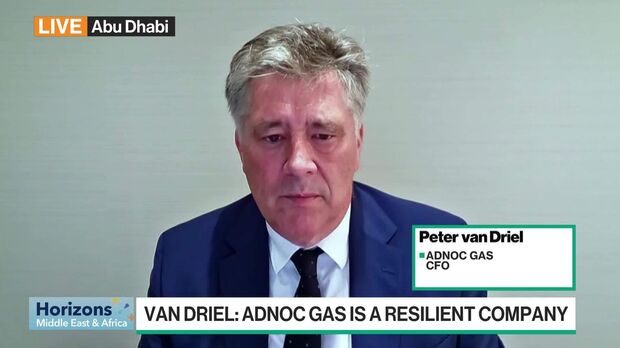
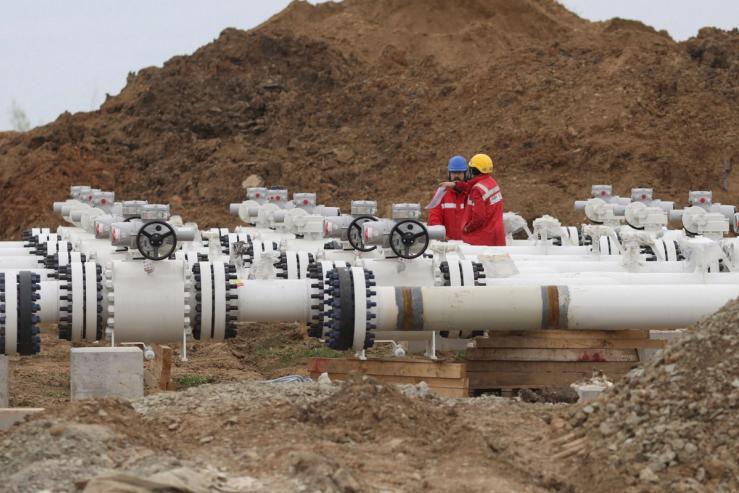
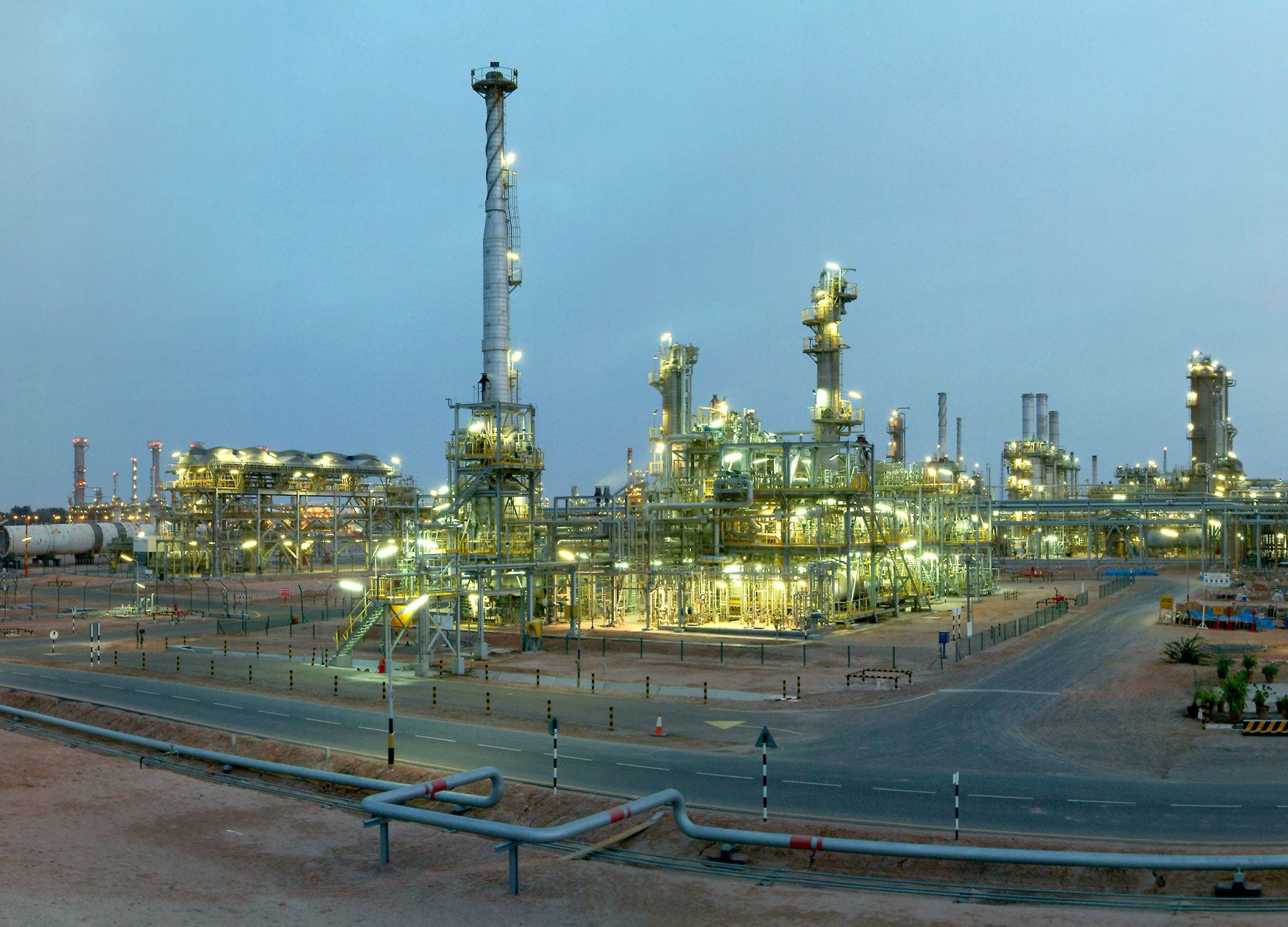
Immediate Impact on Shipping Costs and Route Economics: The Strait of Hormuz closure has created a 52% profit decline for ADNOC Gas (Q2 2026: 665M dirhams vs. 1.39B year-over-year), directly translating to elevated maritime insurance premiums and longer transit times for goods shipped through the Persian Gulf. However, ADNOC's exploration of east coast LNG export facilities signals a strategic pivot that could reduce shipping costs by 3-5% within 12-18 months of Habshan facility full capacity (projected early 2027). Sellers utilizing UAE-based fulfillment centers—particularly those shipping to Asia-Pacific and European markets—should expect freight cost reductions of $200-400 per 40-foot container once alternative routes become operational. The 85% restoration progress at Habshan (ahead of schedule) indicates ADNOC's commitment to minimizing disruption, suggesting the early 2027 timeline is achievable.
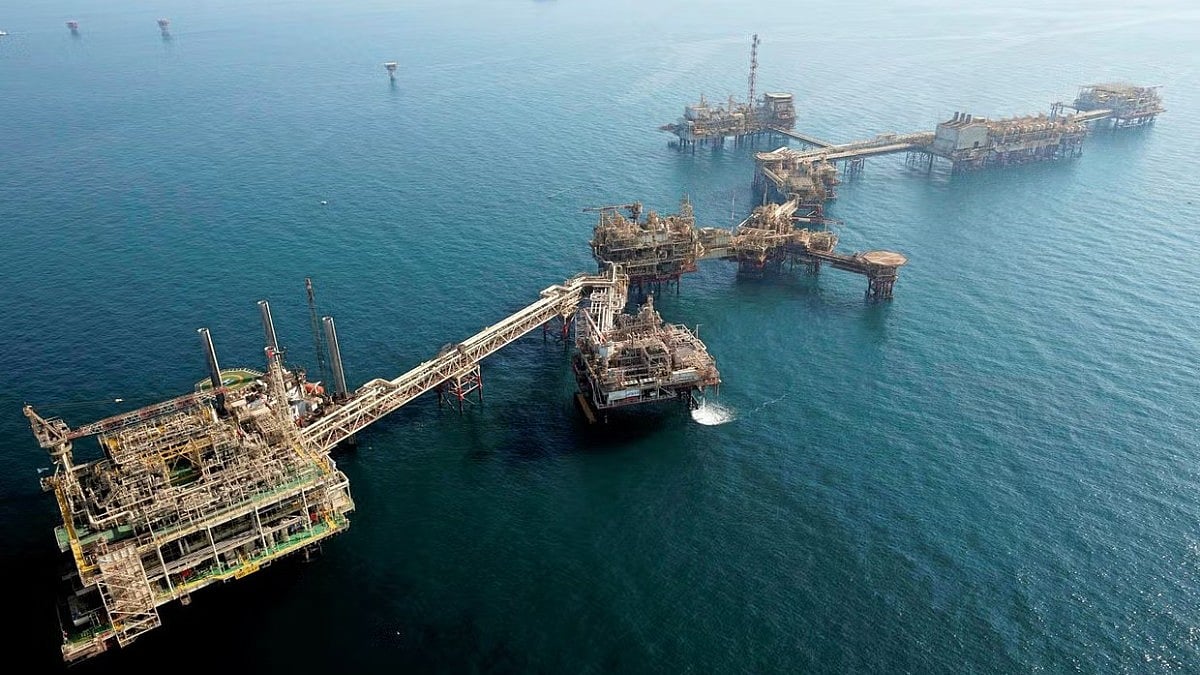
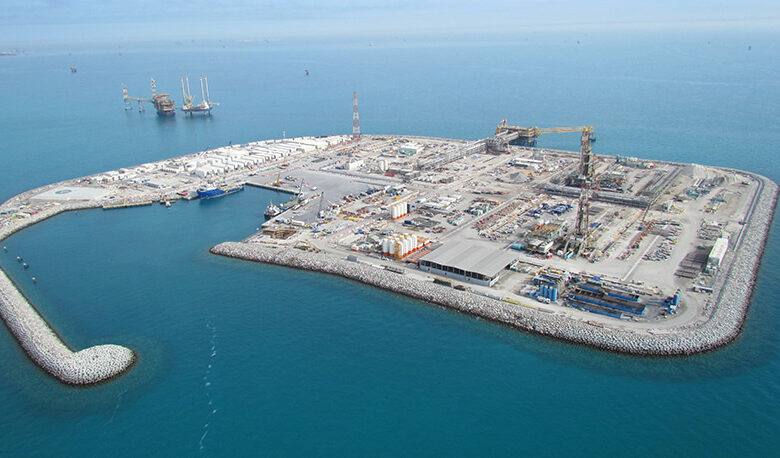
Strategic Sourcing Opportunities in Petrochemical-Dependent Categories: ADNOC's $6.2B Umm Shaif Gas Cap investment and 8.2B dirhams in engineering contracts (awarded to Wison Engineering and Tecnimont) signal accelerated petrochemical production capacity. This directly benefits sellers in packaging-intensive categories (beauty, apparel, home goods, electronics) who source materials from UAE-based suppliers. Petrochemical-derived packaging materials—including plastic films, foam cushioning, and corrugated boxes—typically see 2-3% cost reductions when energy infrastructure improves. For sellers shipping 500+ units monthly with packaging costs representing 8-12% of COGS, this translates to $150-300 monthly savings per SKU. The dual-track investment approach (restoring Habshan while developing Umm Shaif) ensures supply continuity, reducing the risk of packaging material shortages that plagued sellers during 2024-2025 disruptions.
Competitive Advantage Window for Middle East-Centric Sellers: Sellers with established logistics networks in Dubai and Abu Dhabi ports gain a 12-24 month first-mover advantage before alternative routes become widely adopted. ADNOC's infrastructure projects typically require 3-5 years for full development, but interim improvements (Habshan at full capacity by Q1 2027) create an asymmetric opportunity. Small-to-medium sellers (SMBs) currently paying 15-20% premiums for Hormuz-alternative routing can lock in lower rates with 3PL providers by Q4 2026, before broader market adoption drives prices up. Large sellers with established UAE fulfillment centers should accelerate inventory positioning in Q4 2026-Q1 2027 to capture the cost advantage window before competitors adjust pricing models.
Questions 8
Which product categories benefit most from improved UAE energy infrastructure?
Packaging-intensive categories (beauty, apparel, home goods, electronics) benefit most because ADNOC's petrochemical investments directly support packaging material production. The $6.2B Umm Shaif Gas Cap project and 8.2B dirhams in engineering contracts (Wison Engineering, Tecnimont) accelerate petrochemical capacity, reducing plastic films, foam cushioning, and corrugated box costs by 2-3%. For sellers with packaging costs representing 8-12% of COGS, this yields $150-300 monthly savings per SKU at 500+ unit monthly volumes. Sellers sourcing materials from UAE-based suppliers should prioritize long-term contracts by Q4 2026 to lock in cost reductions before broader adoption.
How will ADNOC's $14.2B infrastructure investment reduce shipping costs for e-commerce sellers?
ADNOC's combined investments ($8B expansion, $6.2B Umm Shaif, $28B 2026-2030 allocation) are designed to restore energy infrastructure damaged during Hormuz disruptions and develop alternative export routes. The Habshan facility reaching full capacity by early 2027 (currently 85% restored) will reduce maritime insurance premiums and transit times for goods shipped through the Persian Gulf. Industry analysis suggests 3-5% freight cost reductions within 12-18 months of full capacity, translating to $200-400 savings per 40-foot container for sellers utilizing UAE-based fulfillment centers. The early 2027 timeline provides visibility for supply chain planning and 3PL rate negotiations.