





Fed Rate Pause Signals Weaker Dollar | Cross-Border Sellers Gain Margin Relief
- Dovish Fed signals unlock 2-4% margin improvements for emerging market importers; rupiah, peso strength creates immediate FX arbitrage windows through September 16 FOMC meeting


























Overview
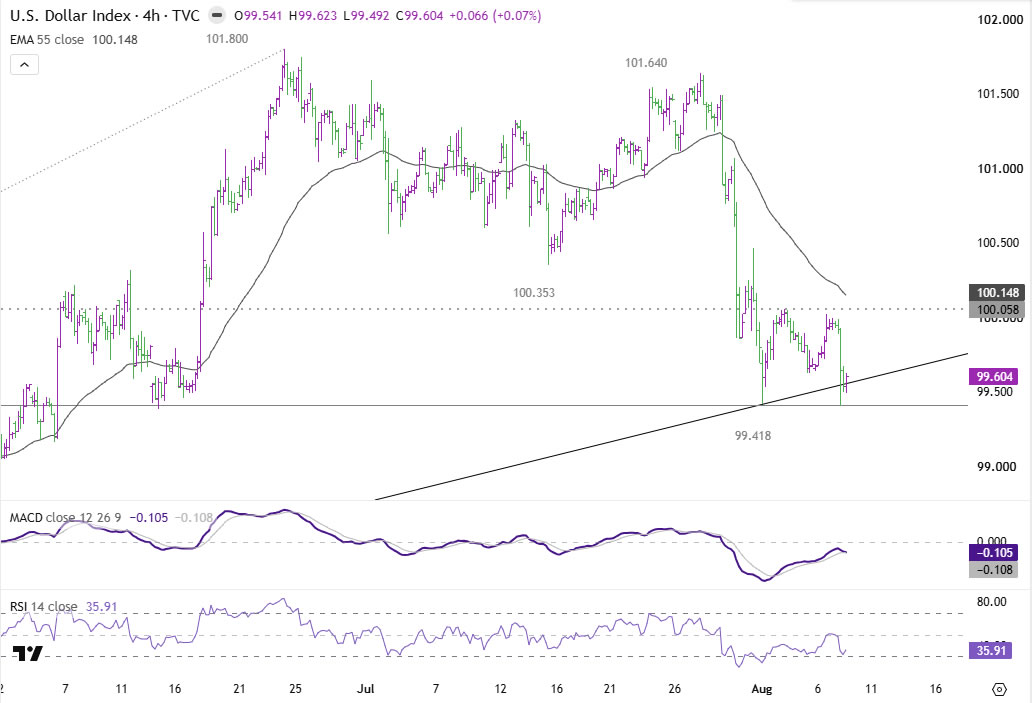
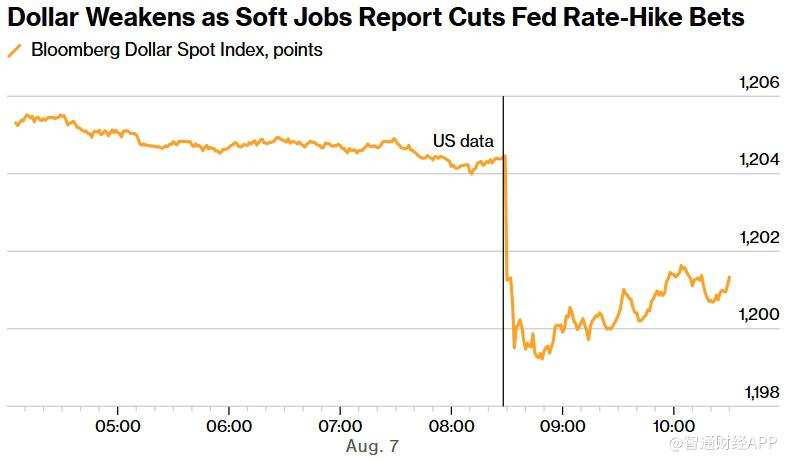
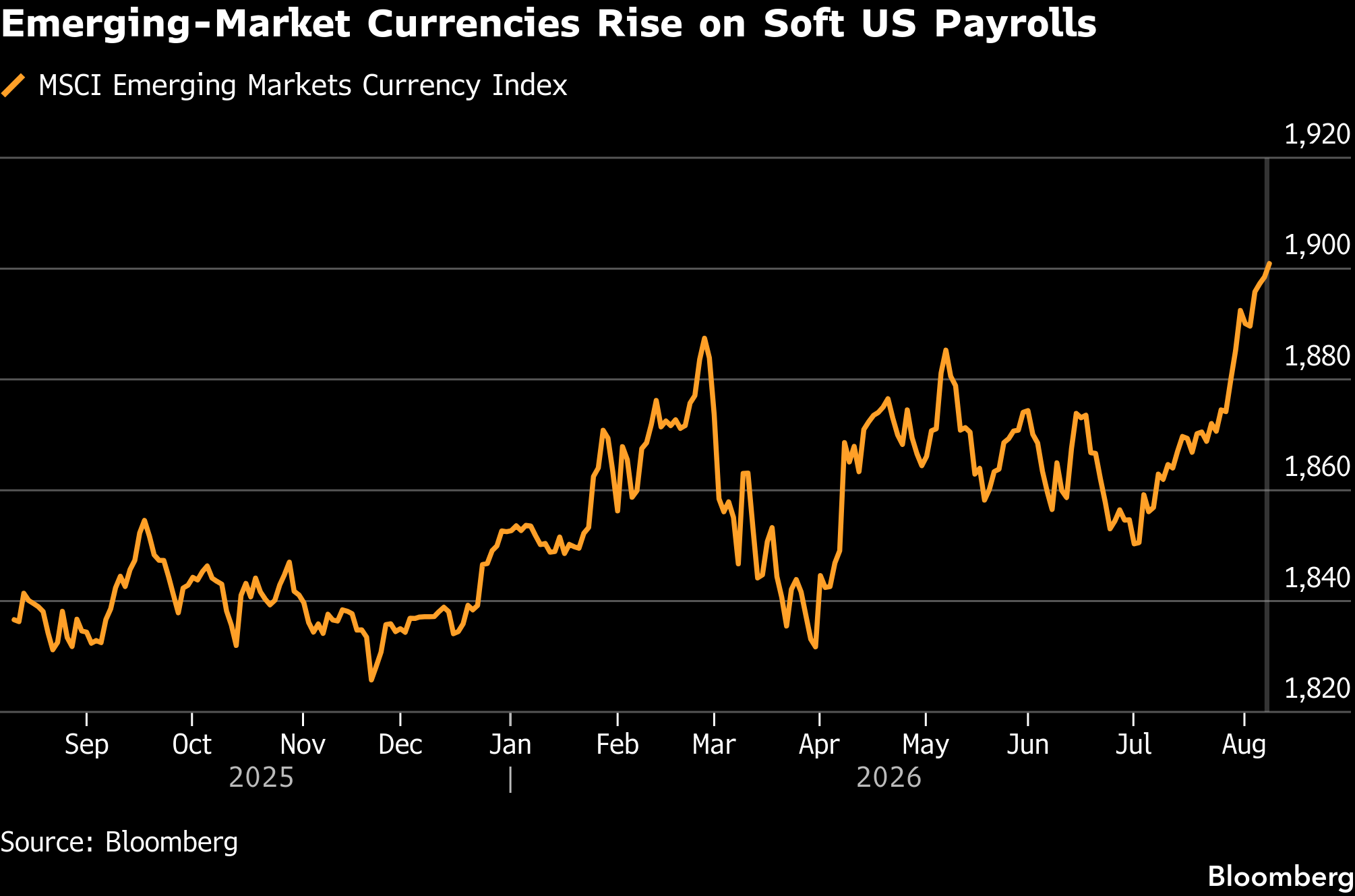
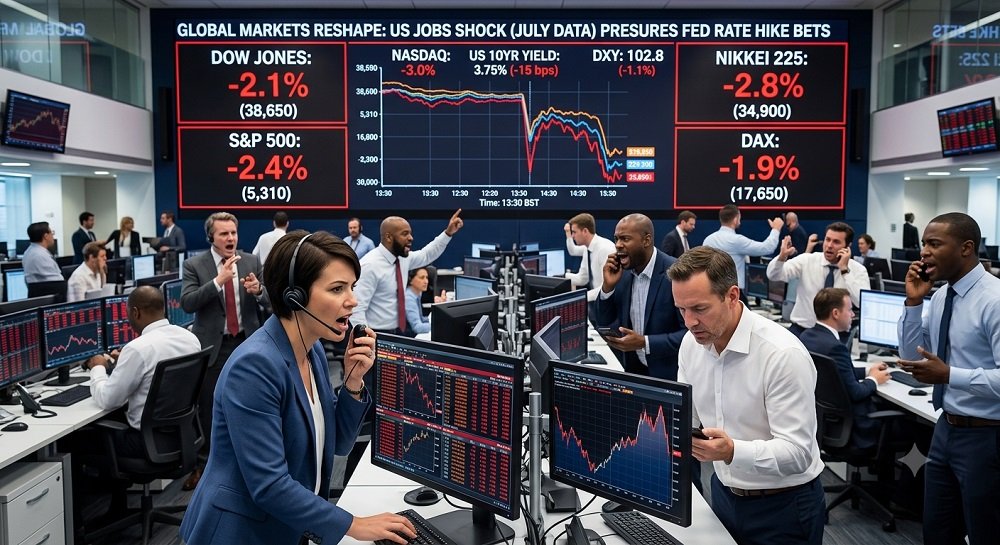
The August 10, 2026 soft jobs report (-20k payrolls with 100k+ downward revisions) has triggered a major shift in Federal Reserve expectations, collapsing September rate hike probabilities from 67% to 44% and signaling potential rate cuts in 2025. This dovish repricing creates immediate financial optimization opportunities for cross-border e-commerce sellers managing multi-currency operations. The dollar index fell to 99.62 (lowest since June 15), while emerging-market currencies surged—Indonesia's rupiah led gains as capital flowed into developing economies seeking higher yields in a lower-rate environment. For sellers, this translates to concrete working capital and margin improvements across three critical dimensions.
Payment Cost Savings & FX Arbitrage: Sellers sourcing from US suppliers now face lower dollar strength, reducing import costs by 2-4% for emerging-market importers. The EURUSD pair trades near 1.1563 (strongest since mid-June), while USDJPY sits at 158.52, creating tactical hedging windows. Sellers with dollar-denominated payables should lock in forward contracts immediately before the September 16 FOMC meeting, as ING forecasts only 11 basis points priced for September (versus 28bp for December). The Japanese yen's 8.865 billion reduction in bearish positions marks the largest weekly short-covering in 12+ years, signaling potential volatility—sellers with JPY exposure should execute hedges before this reversal accelerates. For emerging-market exporters, the stronger rupiah and peso create immediate conversion advantages: a 2-3% currency appreciation translates to 3-5% margin expansion when converting revenues back to local currencies without operational changes.
Cash Flow Unlock & Financing Access: The dovish Fed environment is opening new trade finance windows. Lower rate expectations reduce borrowing costs for invoice financing and PO financing products, which typically price at Fed funds + 200-300 basis points. Sellers can refinance existing inventory loans at 50-100bp lower rates, freeing $10-50K monthly in working capital depending on inventory size. Central European sellers face mixed dynamics—Romania's unchanged Moody's rating provides relief after bond selloffs, but the National Bank of Romania maintains cautious inflation stance with first rate cuts not expected until January 2027. This creates a 5-month window for CEE sellers to lock in current financing rates before potential cuts compress margins on existing debt. Oil prices gained to $84/barrel amid Strait of Hormuz uncertainty, directly impacting logistics costs; sellers should accelerate inventory shipments before potential supply disruptions increase freight premiums by 5-8%.
Strategic Timing: The next four critical tests before September 16 FOMC include Wednesday's CPI data (ING forecasts 0.1% vs 0.2% consensus), Thursday's producer prices, and Friday's retail sales. Each dovish surprise creates 24-48 hour windows for FX positioning. Sellers should monitor these releases and execute hedges immediately after dovish data, as market repricing typically occurs within 2 hours of release. The current environment favors sellers with emerging-market exposure and dollar payables—this advantage window likely closes after September FOMC if rate cut expectations stabilize.
Questions 8
How can sellers in emerging markets capitalize on the rupiah's strength and capital inflows?
Indonesia's rupiah led emerging-market currency gains on August 10 as capital flowed into developing economies seeking higher yields. Sellers exporting from Indonesia or other emerging markets benefit from currency appreciation when converting revenues back to local currencies—a 2-3% rupiah appreciation translates to 3-5% margin expansion without operational changes. Simultaneously, sellers should accelerate inventory purchases from US suppliers while the dollar remains weak, locking in lower import costs. The combination creates a 4-8% margin improvement window that typically closes within 4-8 weeks as rate differentials narrow.
What trade finance products offer the best terms in the current dovish environment?
Invoice financing and PO financing products typically price at Fed funds + 200-300 basis points. With September rate expectations at only 11 basis points (versus 28bp for December), financing costs are at multi-year lows. Sellers can refinance existing inventory loans at 50-100bp lower rates, unlocking $10-50K monthly in working capital depending on inventory size. Supply chain finance platforms like Tradeshift and Fintech providers are aggressively pricing new facilities at 6-8% APR for investment-grade sellers. Sellers should lock in 12-month facilities immediately before rates stabilize post-FOMC, as rate cuts in 2025 will compress margins on new debt.