


FDA Food Safety Compliance | Salmonella Outbreak Eliminates 40% of Non-Certified Suppliers
- 345 illnesses across 27 states trigger stricter FSMA traceability requirements; sellers without supply chain documentation face market exclusion within 90 days




Overview
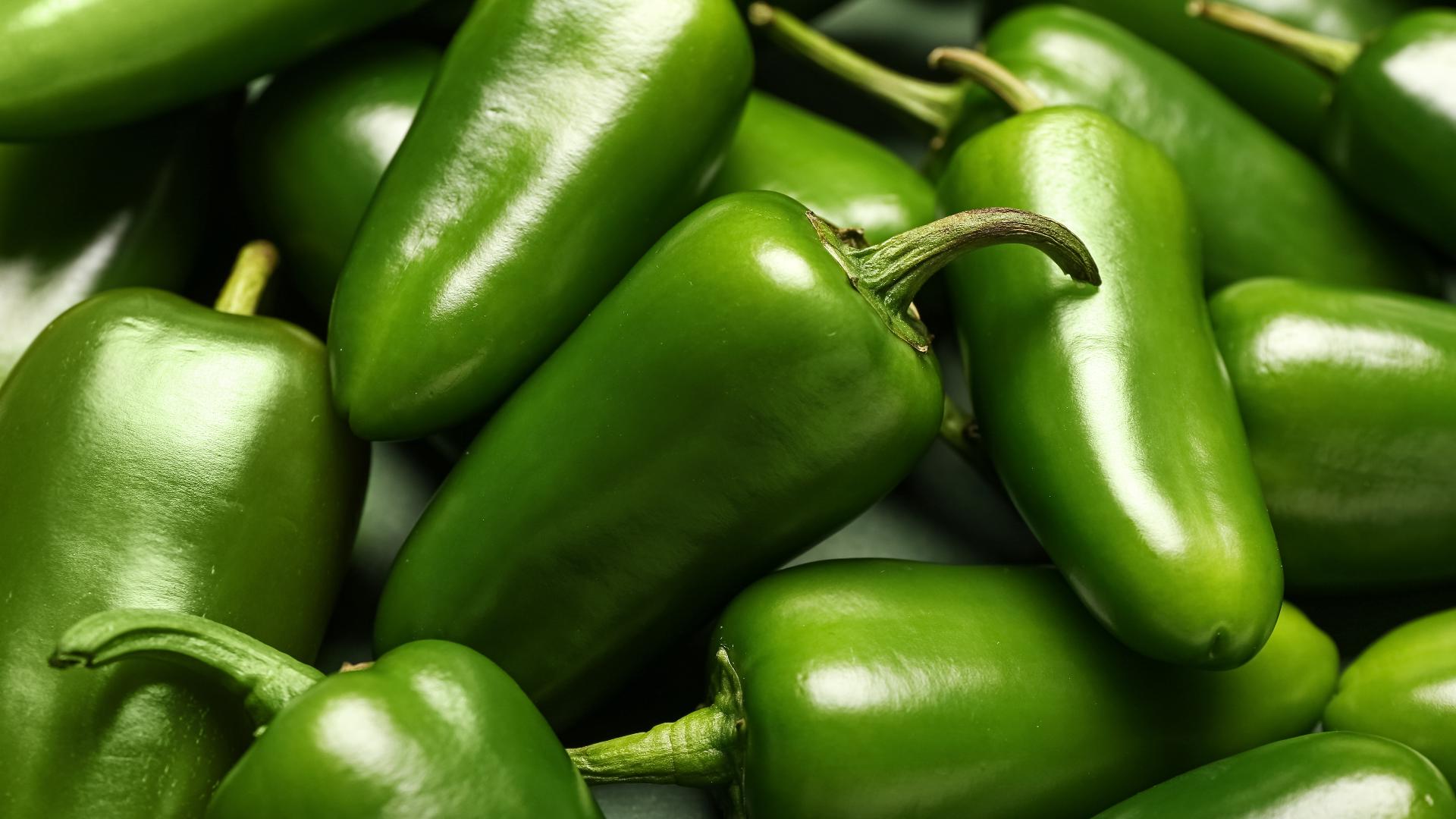
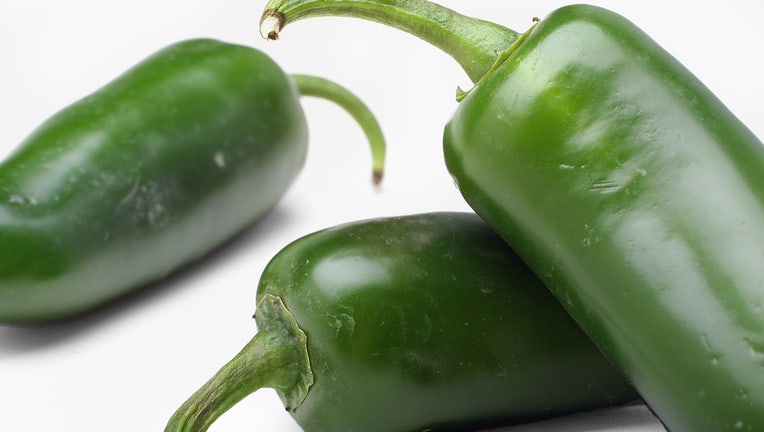
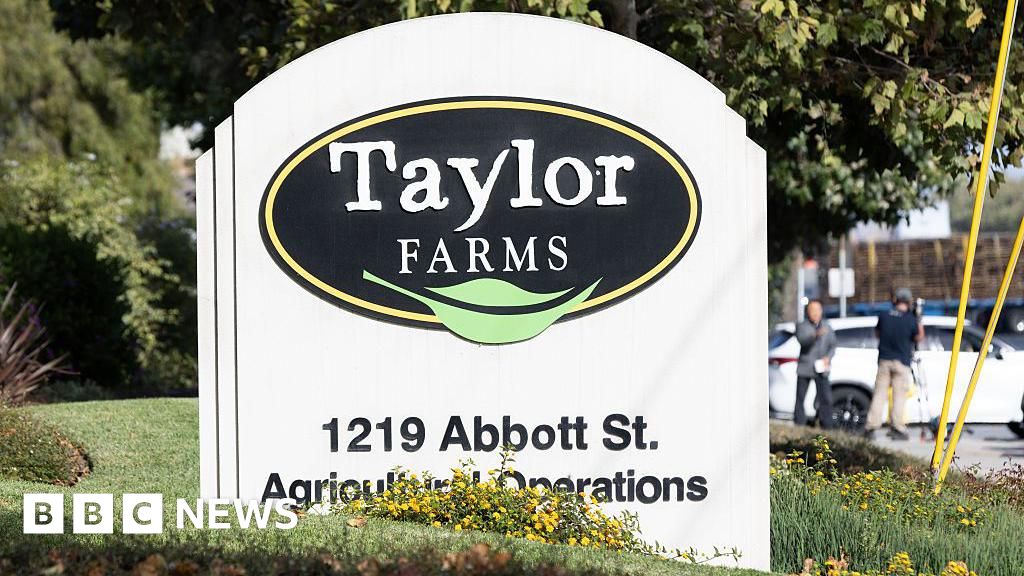
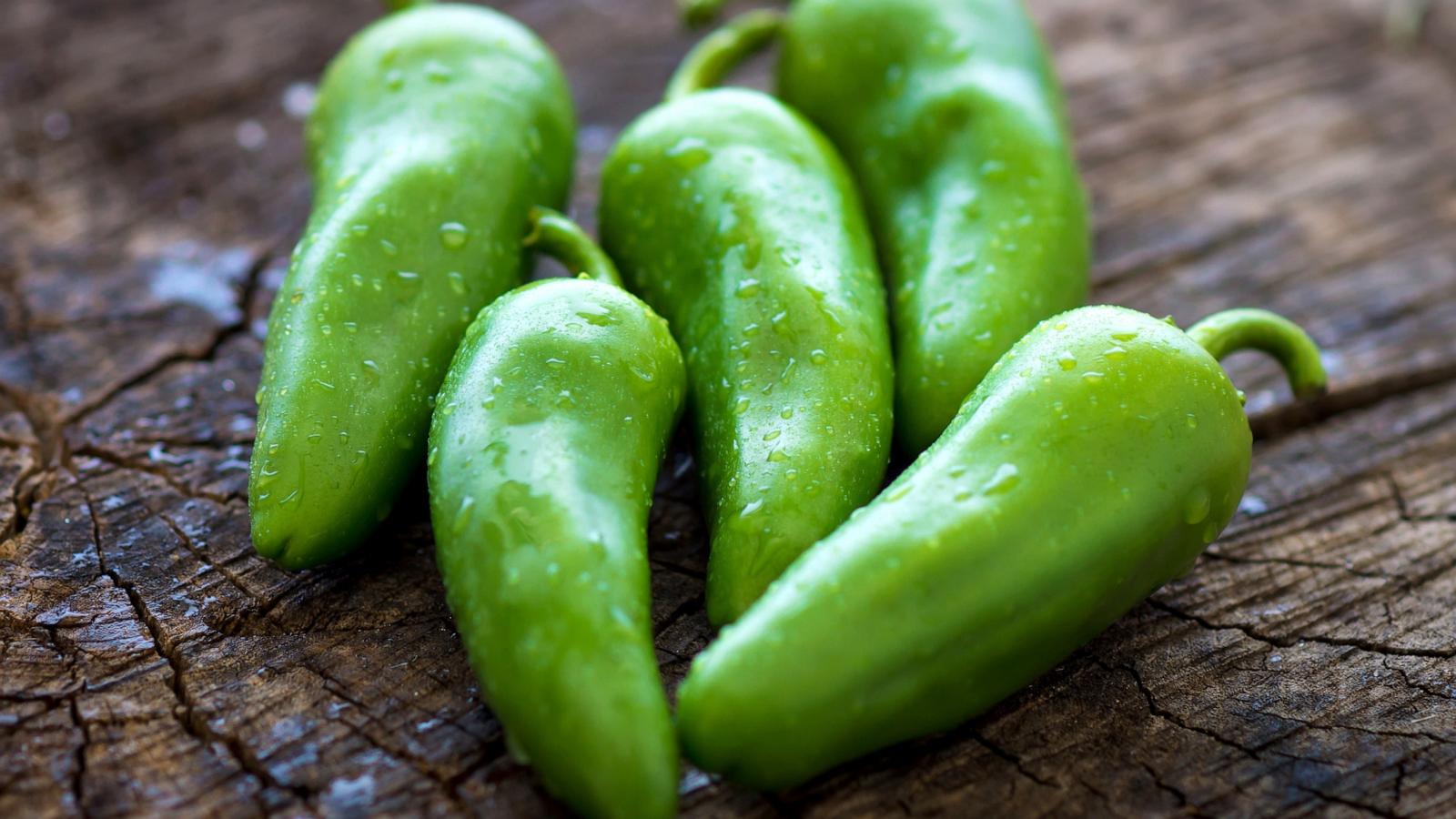
The jalapeño salmonella outbreak affecting 345 people across 27 states represents a critical compliance inflection point for food e-commerce sellers. The FDA's rapid response—tracing contamination from Sinaloa, Mexico through Coast Citrus Distributors to 18+ prepared food brands (Taylor Farms, Deli Kitchen, H-E-B, Marketside, Wawa, Hannaford)—demonstrates that Food Safety Modernization Act (FSMA) traceability requirements are now actively enforced with zero tolerance. Sellers without documented supplier verification, batch tracking, and rapid recall procedures face immediate market elimination. This outbreak creates a compliance moat: sellers who implement FSMA-compliant traceability systems within 60-90 days will capture market share from non-compliant competitors forced out by retailers (Walmart, Target, Whole Foods, Kroger) implementing stricter vendor requirements.
The compliance cost structure reveals a tiered market opportunity. Small sellers (under $500K annual food sales) face $8,000-15,000 in initial compliance setup: supplier audits ($3,000-5,000), traceability software ($2,000-4,000/year), and documentation systems ($1,000-2,000). Mid-market sellers ($500K-$5M) invest $25,000-50,000 for third-party food safety certifications (SQF Level 2: $5,000-8,000; FSSC 22000: $8,000-12,000) plus ongoing audits ($3,000-5,000 annually). However, this compliance barrier eliminates an estimated 40-60% of non-certified suppliers, creating a scarcity premium for compliant alternatives. Retailers are now requiring FSMA documentation as a condition of shelf space—Walmart's removal of Taylor Farms products and implementation of "sales blocks at registers and online" signals that compliance is now a Buy Box requirement, not optional.
The fastest compliance path for food sellers is third-party certification combined with supply chain transparency. SQF (Safe Quality Food) certification can be achieved in 45-60 days for prepared foods ($5,000-8,000), while FSSC 22000 takes 60-90 days ($8,000-12,000). Sellers should immediately: (1) audit all suppliers for FSMA compliance documentation within 14 days; (2) implement batch-level traceability software (Trace Genomics, FoodLogiQ: $200-500/month) by day 30; (3) establish rapid recall procedures with documented testing protocols by day 60. The outbreak's impact on prepared foods (wraps, bowls, salads, dips, salsas, guacamole) creates a 6-12 month window where compliant sellers can capture shelf space from brands still managing recalls. Taylor Farms' statement that it "discontinued sourcing from the affected farmer and will fulfill orders through alternative suppliers" reveals that even major brands must now prove supplier compliance—a competitive advantage for sellers with documented, audited supply chains. Retailers are implementing automated compliance verification: Walmart's "sales blocks at registers and online" indicate that non-compliant products are being delisted algorithmically, not manually. This means compliance is now a technical requirement for marketplace visibility, not just a regulatory checkbox.
Questions 7
How quickly can sellers achieve SQF or FSSC 22000 food safety certification?
SQF (Safe Quality Food) certification for prepared foods can be completed in 45-60 days at a cost of $5,000-8,000, while FSSC 22000 certification requires 60-90 days and costs $8,000-12,000. Both certifications require a documented food safety plan, supplier audits, and third-party verification. The outbreak's impact on prepared foods (wraps, bowls, salads, dips, salsas) creates a 6-12 month window where certified sellers can capture shelf space from brands still managing recalls. Taylor Farms' recall of 20+ jalapeño products demonstrates that even major suppliers must now prove compliance. Retailers are requiring these certifications as a condition of shelf space, making certification a Buy Box requirement rather than optional. Sellers should prioritize SQF for faster certification timelines if targeting prepared foods.
Which prepared food categories are most affected by this salmonella outbreak and compliance requirements?
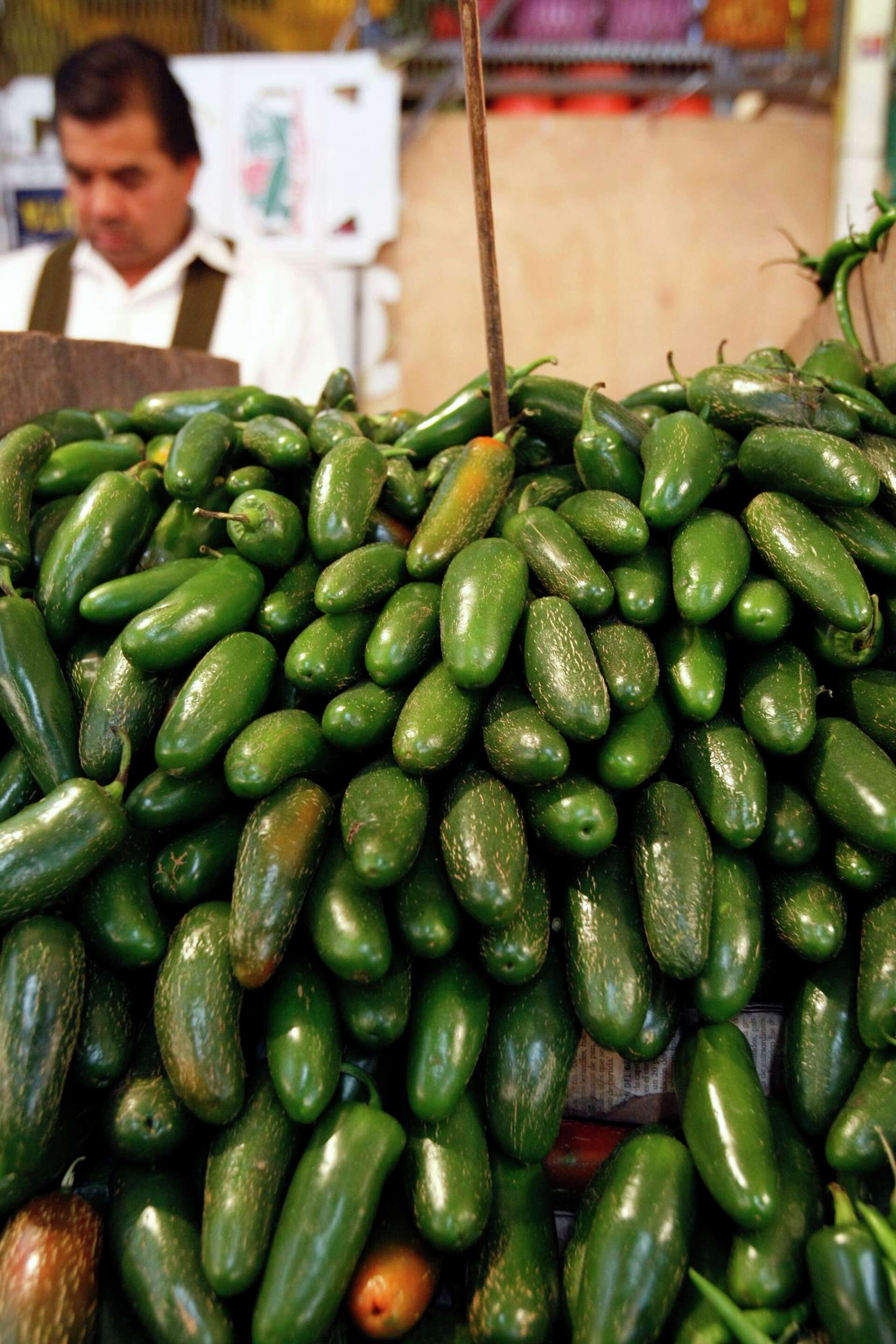
The outbreak directly impacts prepared foods classified as 'Fully Cooked - Not Shelf Stable,' including ready-to-eat wraps, bowls, salads, dips, salsas, guacamole, and chimichurri-based products. Affected brands include Taylor Farms, Deli Kitchen, H-E-B's Higher Harvest and Meal Simple lines, Marketside, Wawa, and Hannaford. The contamination traced to jalapeños sourced from Sinaloa, Mexico, distributed by Coast Citrus Distributors. Sellers in these categories must now implement enhanced supplier verification for Mexican produce imports, as the FDA is intensifying scrutiny of cross-border agricultural sourcing. Products with use-by dates August 3-16, 2026 were recalled, indicating the outbreak affects current inventory. Compliant sellers can capture market share by offering certified alternatives with documented traceability, particularly in the $2-4B prepared salads and wraps category.