



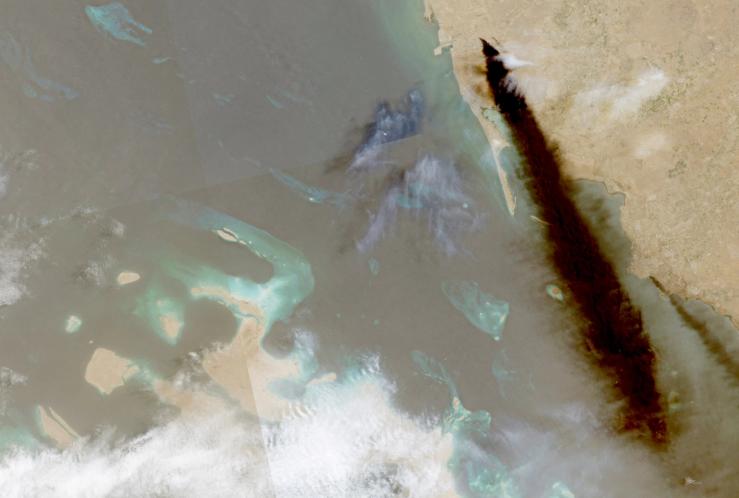
Strait of Hormuz Negotiations Stall | Cross-Border Sellers Face Shipping Cost Volatility
- Geopolitical uncertainty threatens 21% of global petroleum trade; Fed rate cuts signal financing relief for e-commerce sellers managing inventory expansion








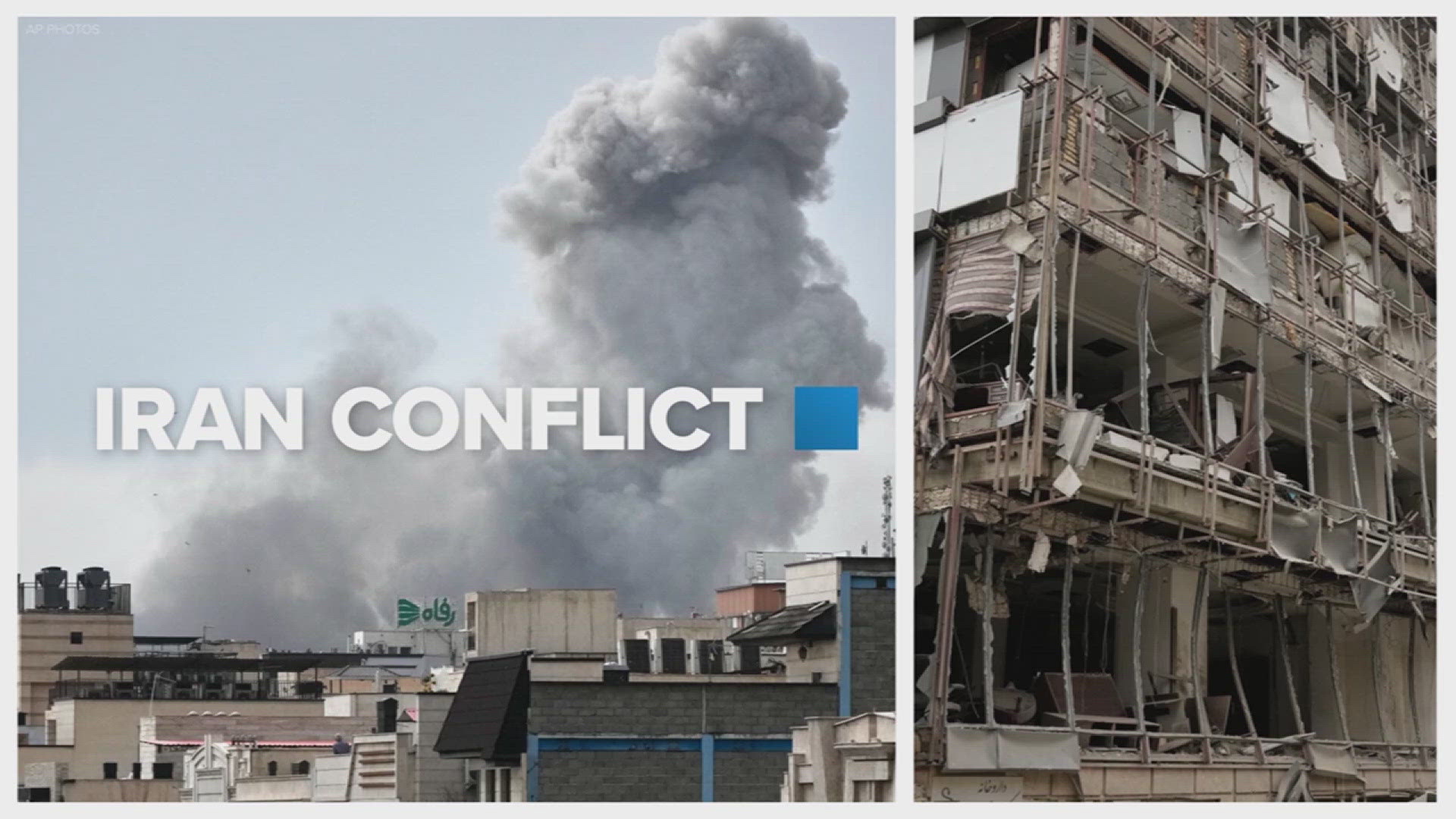



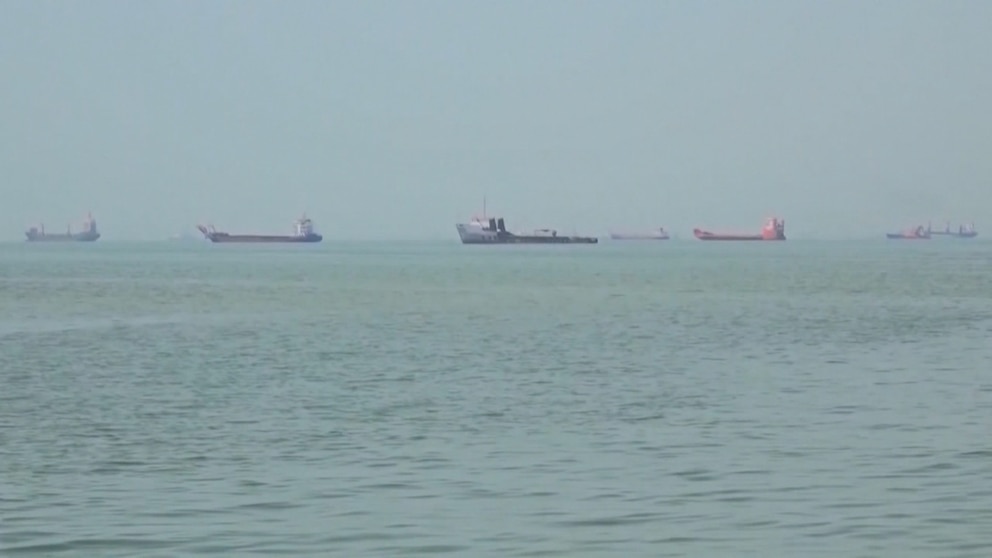
Overview
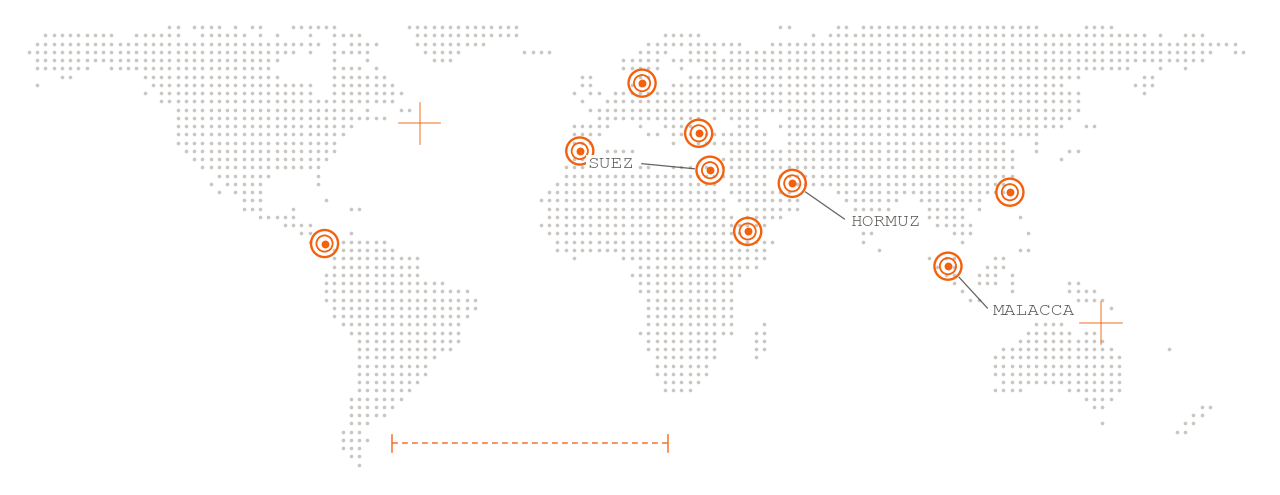
The stalled negotiations between the United States and Iran over the Strait of Hormuz represent a critical supply chain inflection point for cross-border e-commerce sellers. The waterway handles approximately 21% of global petroleum trade, making any disruption directly impact shipping costs, insurance premiums, and logistics timelines. Iranian Foreign Minister Abbas Araghchi confirmed on Sunday that only intermediary communications are occurring—not direct negotiations—while President Trump characterized U.S. efforts as "low keying" the situation. This diplomatic stalemate creates immediate volatility: S&P 500 futures declined 0.2%, Dow Jones futures fell 0.3%, and critically, the CME FedWatch tool now prices a 44% probability of Fed rate increases in September, down from 67% a week prior. This shift is highly favorable for sellers managing working capital and expansion financing.
For cross-border sellers, the Hormuz uncertainty translates into three distinct operational risks. First, shipping insurance premiums historically spike during regional tensions—sellers routing inventory through the Suez Canal alternative face 15-25% cost increases on ocean freight. Second, the prolonged negotiation timeline (Iran's economic pressures suggest months-long discussions) creates supply chain unpredictability; sellers cannot confidently forecast Q4 inventory arrival dates or adjust pricing strategies. Third, the Fed rate probability shift from 67% to 44% suggests monetary policy stabilization, reducing the likelihood of aggressive rate hikes that would compress consumer spending on discretionary categories (electronics, apparel, home goods). This creates a narrow window for sellers to lock in favorable financing rates before market sentiment shifts.
The operational impact varies significantly by seller segment and product category. Large sellers (>$5M annual revenue) with established 3PL networks can absorb 8-12% shipping cost increases through volume negotiations and alternative routing. Mid-market sellers ($500K-$5M) face margin compression of 3-5% if they cannot pass costs to consumers. Small sellers (<$500K) dependent on Amazon FBA or Shopify fulfillment are most vulnerable—they lack negotiating power with logistics providers and cannot absorb cost increases without raising prices, risking Buy Box loss on Amazon or conversion rate drops on Shopify. High-value, low-weight categories (electronics, jewelry, beauty) see minimal impact; heavy, low-margin categories (home goods, sporting equipment) face 12-18% cost pressure. Sellers should monitor this week's Consumer Price Index and Producer Price Index readings, as inflation data could trigger market corrections affecting consumer spending patterns across major platforms.
Strategic timing is critical. The Oman transit agreement mentioned in negotiations suggests a potential resolution pathway within 4-8 weeks, but Tehran's emphasis that this "differs from reopening the waterway" indicates protracted discussions. Sellers should immediately audit their supply chain: identify inventory currently in transit through Hormuz, calculate alternative routing costs via Suez Canal, and stress-test Q4 profitability under 10-15% shipping cost scenarios. The Fed rate probability shift creates a 2-4 week window to refinance working capital lines before rates stabilize—locking in current rates provides protection against future increases. For sellers with Middle Eastern customer bases (UAE, Saudi Arabia, Kuwait), the regional instability may prolong shipping delays; consider pre-positioning inventory in regional fulfillment centers to maintain delivery speed and customer satisfaction.
Questions 7
How does the Strait of Hormuz stalemate affect my shipping costs as a cross-border seller?
The Strait of Hormuz handles 21% of global petroleum trade, and stalled US-Iran negotiations create shipping cost volatility. Ocean freight insurance premiums typically increase 15-25% during regional tensions, directly impacting your landed costs. If you route inventory through the Suez Canal alternative, expect 8-12% higher shipping costs and 5-7 day longer transit times. Large sellers with 3PL contracts can negotiate volume discounts; small sellers on Amazon FBA or Shopify face margin compression of 3-5% unless they raise prices. Monitor this week's CPI data—inflation readings could trigger market corrections affecting consumer spending and your conversion rates.
What is the timeline for resolving the Hormuz negotiations and when should I adjust inventory?
Iranian Foreign Minister Abbas Araghchi confirmed only intermediary communications are occurring, not direct negotiations, suggesting a 4-8 week resolution timeline at minimum. President Trump's 'low keying' approach indicates prolonged discussions. You should immediately audit inventory currently in transit through Hormuz and calculate alternative routing costs. Pre-position high-value inventory in regional fulfillment centers (UAE, Saudi Arabia) to maintain delivery speed. The CME FedWatch tool shows 44% probability of Fed rate increases in September (down from 67%), creating a 2-4 week window to refinance working capital lines before rates stabilize.