




U.S. Critical Minerals Strategy Reshapes Global Supply Chains | Seller Sourcing Opportunities 2026
- $3.5B+ federal investment redirects battery/rare earth sourcing from China; creates tariff arbitrage for electronics sellers and "Made in America" positioning advantages

































Overview
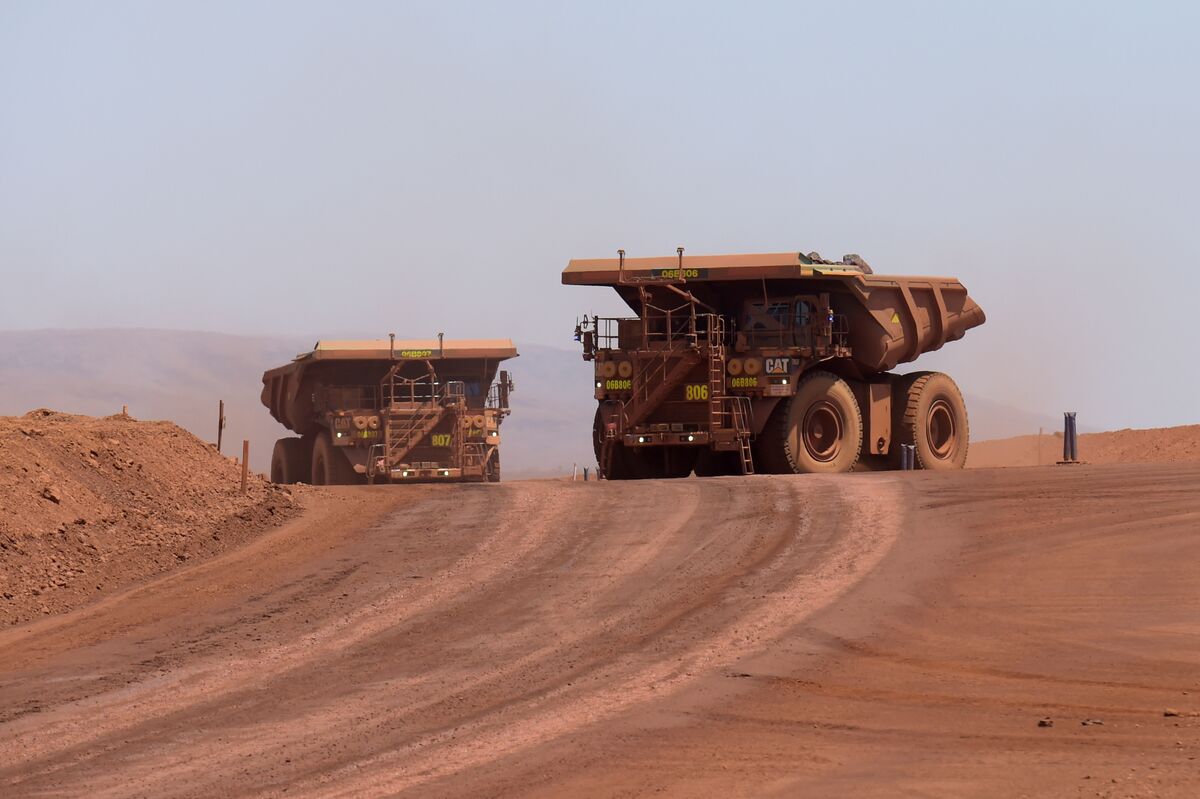
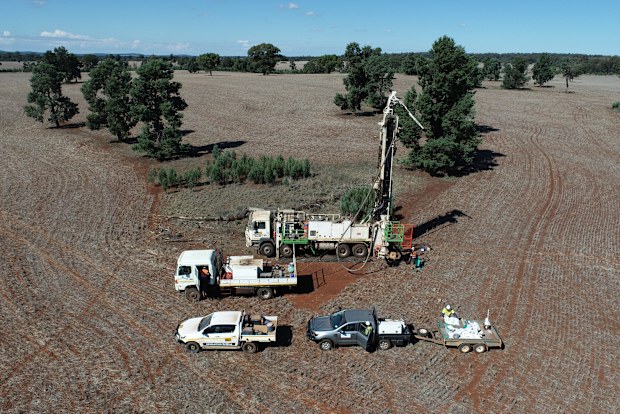
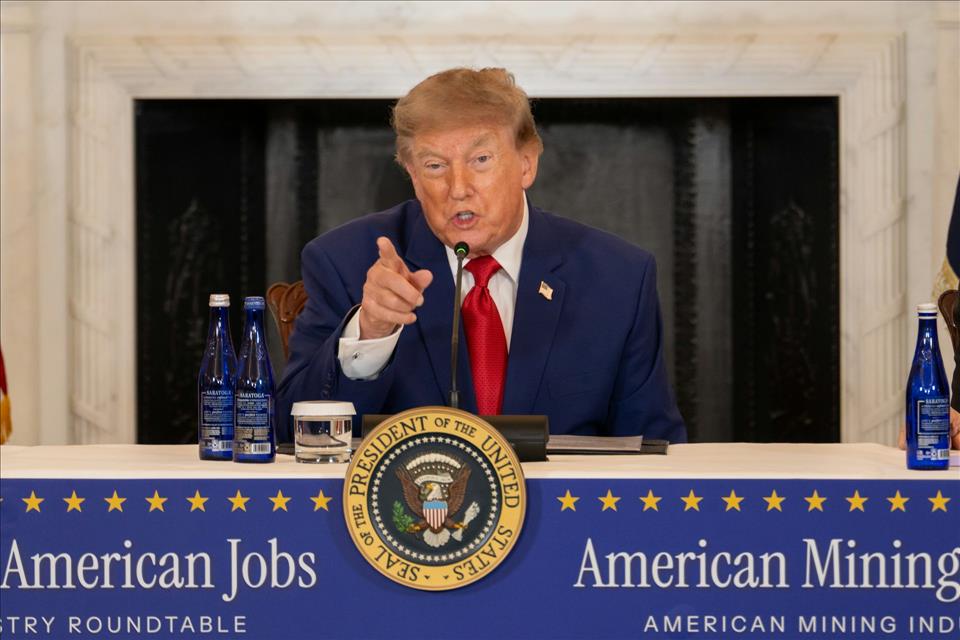
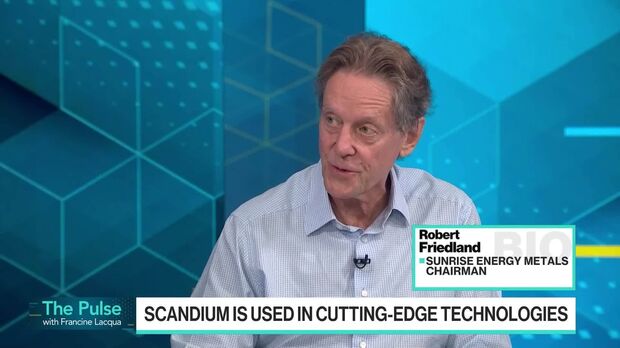
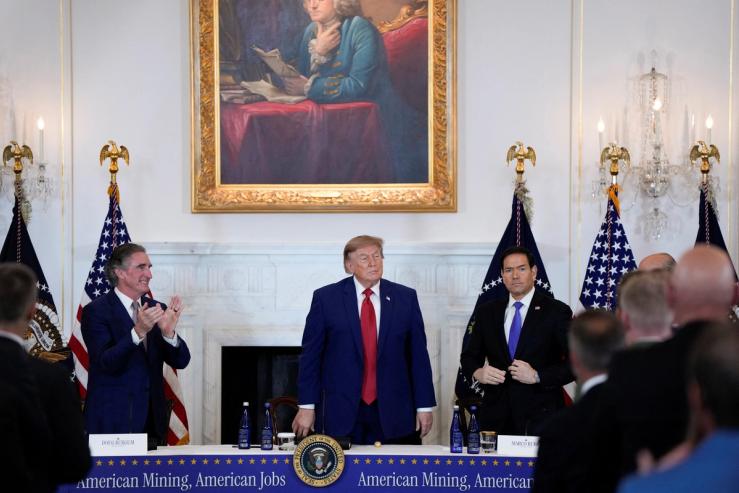
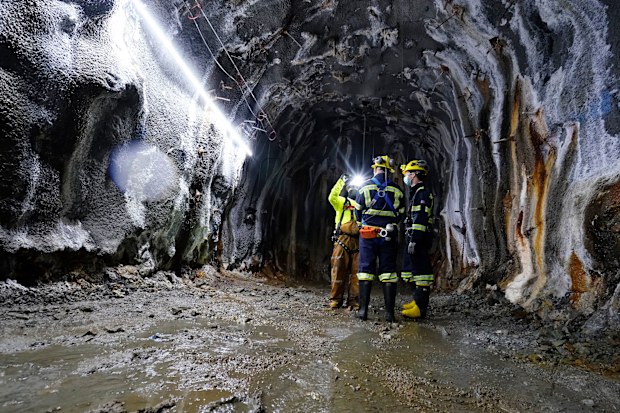
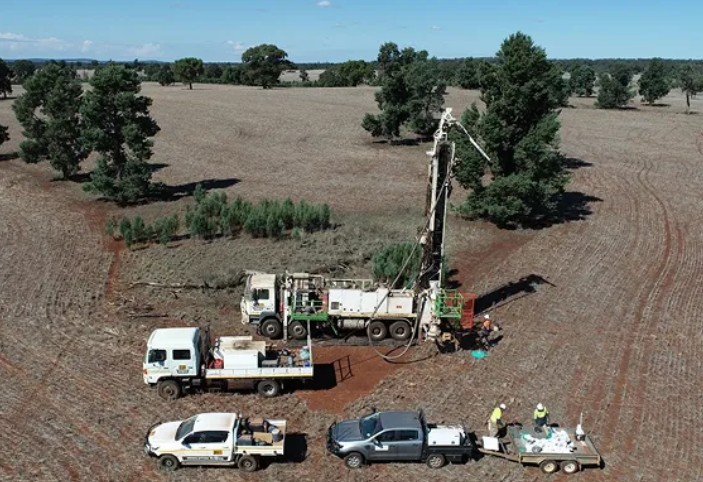
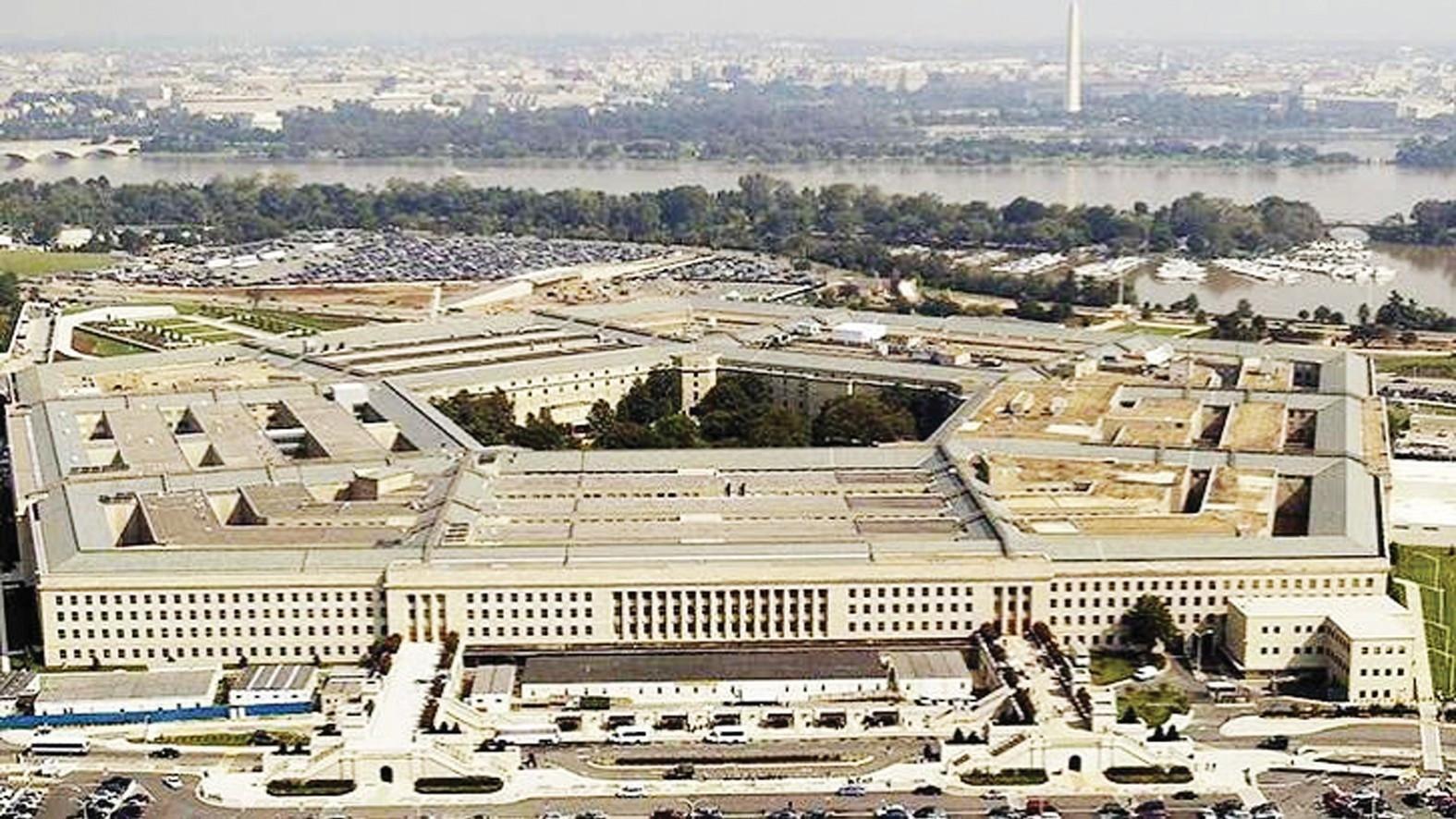
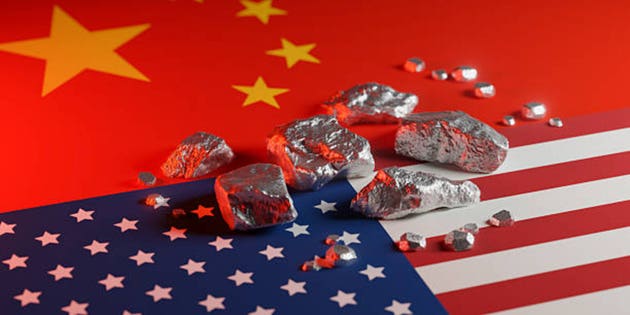
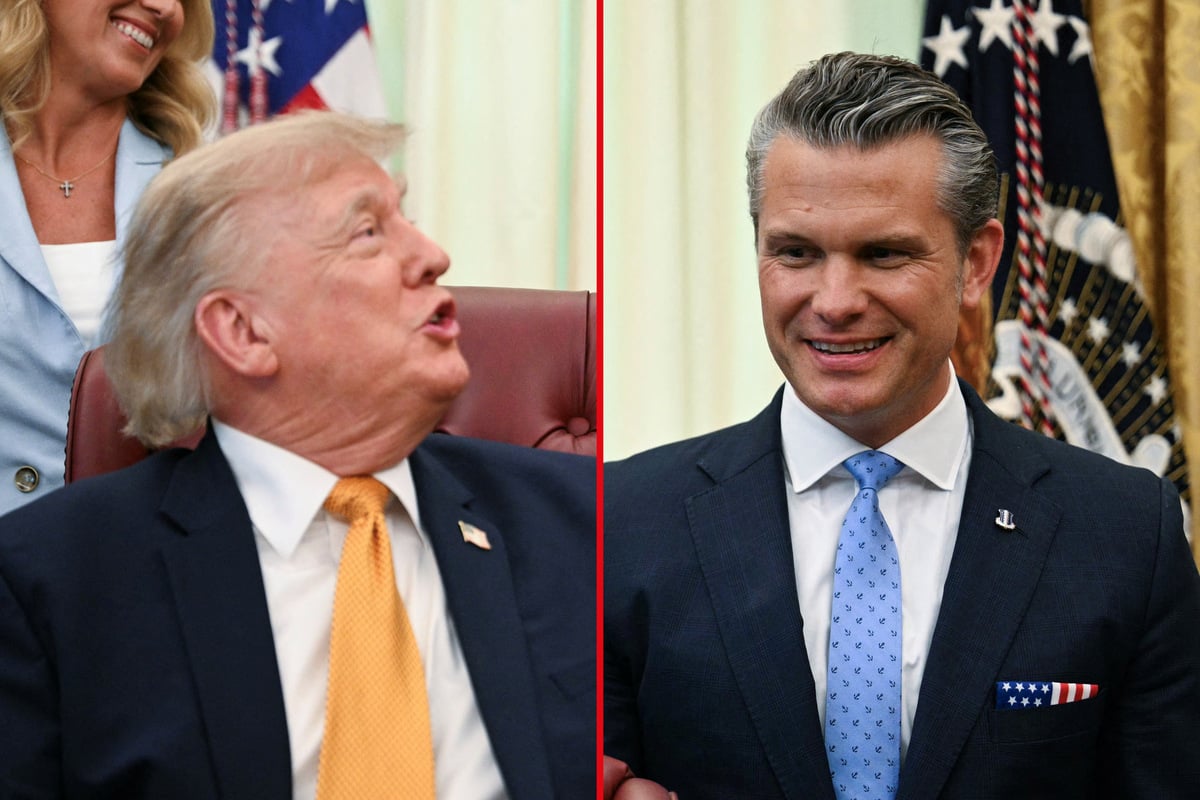
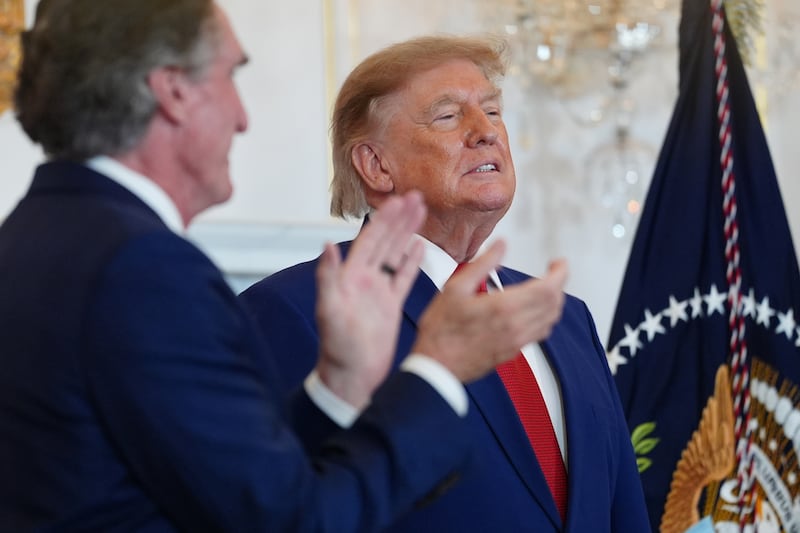
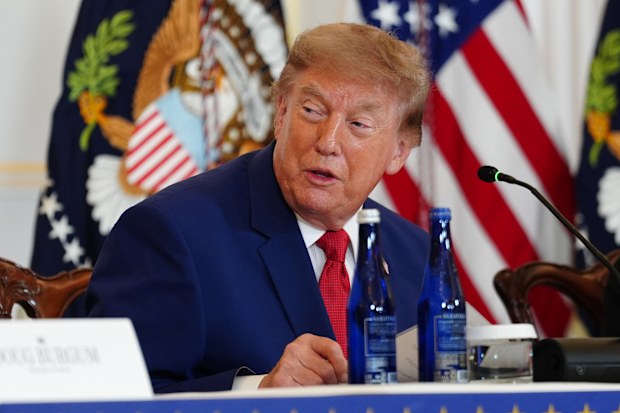
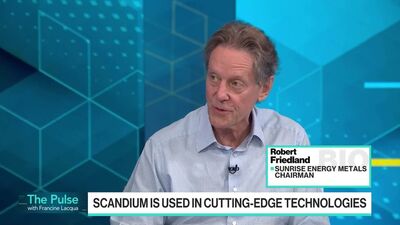
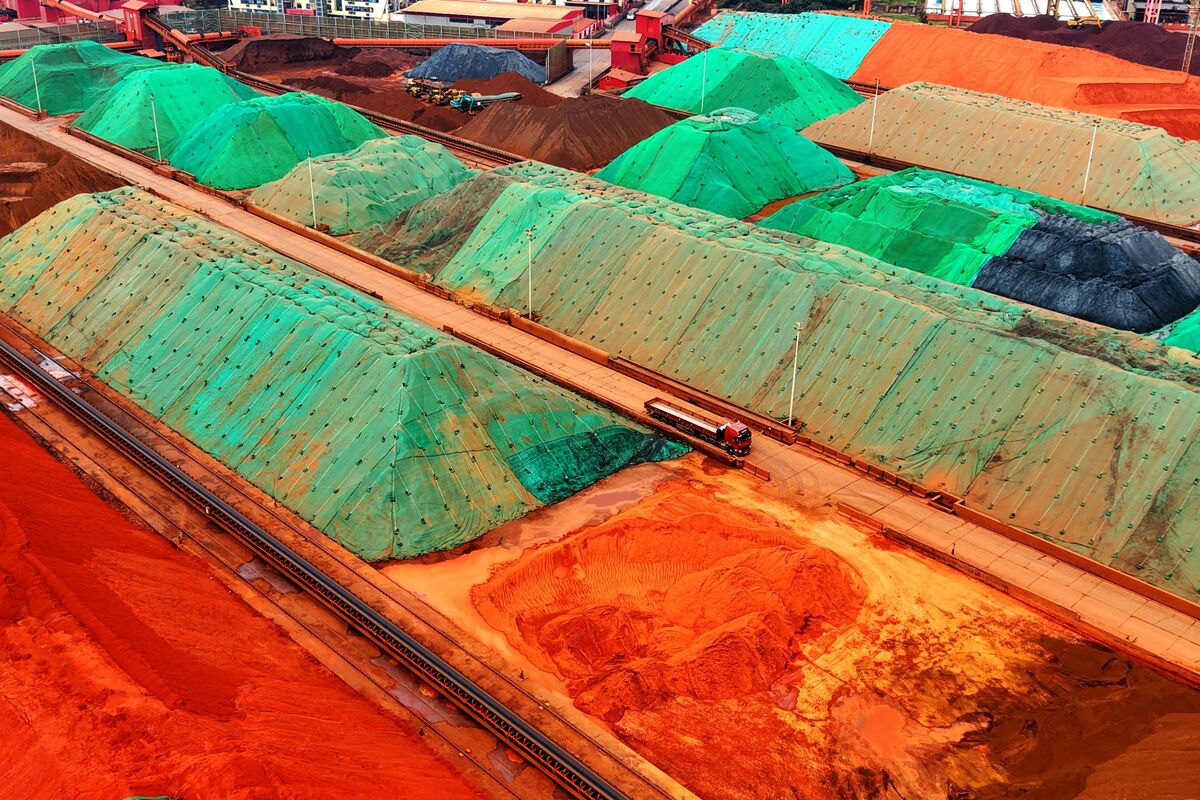
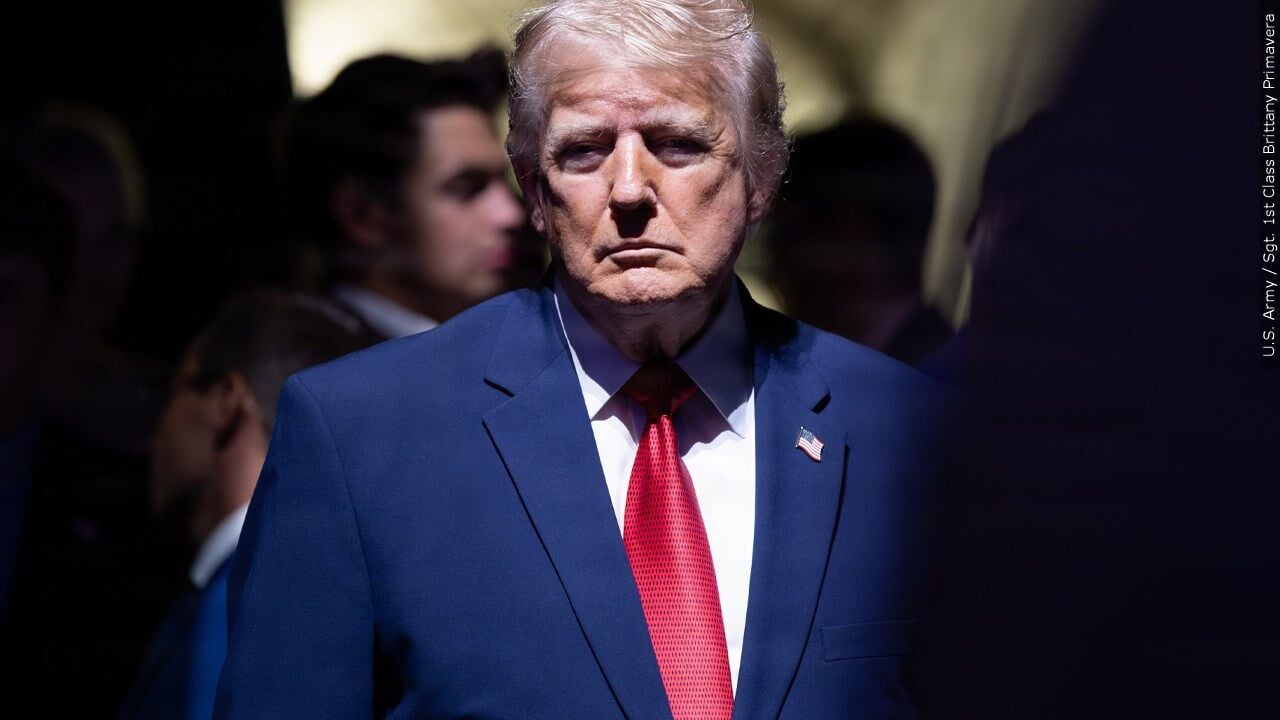
The U.S. government announced over $3.5 billion in coordinated federal investments targeting domestic critical minerals and battery supply chains, representing a fundamental geopolitical shift away from Chinese mineral dependency. The Trump administration's Office of Strategic Capital committed $400 million to Sunrise Energy Metals' scandium mining operation in Australia (world's first primary scandium mine), while simultaneously pledging $2 billion to domestic battery and materials producers including $1.4 billion to Sila Nanotechnologies for battery components, $150 million to Niron Magnetics for rare-earth-free magnets, and $25 million to Westwater Resources for graphite processing. This policy shift directly impacts cross-border e-commerce sellers through three critical mechanisms: (1) Tariff Arbitrage Opportunities: As domestic U.S. battery and mineral processing scales within 3-5 years, imported battery components and rare-earth materials face potential tariff increases or import restrictions, creating margin compression for sellers sourcing from China (currently controlling 70% of rare earth mining and 90% of processing). Sellers can exploit this window by establishing relationships with newly-funded U.S. suppliers before tariff walls solidify. (2) Supply Chain Rebalancing: The investment signals a deliberate strategy to reduce Western reliance on Chinese critical minerals, opening market access for Australian, allied-nation, and U.S.-based suppliers. Electronics sellers, power tool manufacturers, and renewable energy product vendors can now source from diversified suppliers with potential cost reductions as production scales and supply chains mature. (3) "Made in America" Positioning Premium: Sellers emphasizing domestic battery sourcing and sustainable manufacturing gain competitive advantages in premium segments, particularly for AI data center equipment, aerospace components, and consumer electronics where national security narratives drive buyer preferences. However, the administration simultaneously eliminated Biden-era EV consumer subsidies and dismantled CO2 emission standards, creating a paradox: supply-side investments strengthen battery infrastructure while demand-side policy reversals reduce EV adoption incentives. This creates a 12-36 month window where battery component availability increases but consumer demand remains uncertain, favoring sellers with flexible sourcing strategies and diversified product portfolios across defense, aerospace, and commercial electronics categories.
Questions 8
Which product categories benefit most from the critical minerals supply chain shift?
Electronics (power banks, portable chargers, consumer drones), power tools (cordless drills, impact drivers), renewable energy equipment (solar inverters, battery storage systems), AI data center cooling systems, and aerospace components see the highest impact. These categories depend on scandium-strengthened aluminum, lithium-ion batteries, cobalt processing, and rare-earth magnets—all targeted by the $3.5B investment. Sellers in these categories can emphasize 'U.S.-sourced components' and 'domestic battery technology' in product listings to capture premium positioning, particularly on Amazon, Shopify, and B2B platforms serving enterprise buyers.
What tariff changes should sellers anticipate from this mineral supply chain policy?
While specific tariff rates haven't been announced, the policy framework signals potential import duties on Chinese rare-earth materials, battery components, and processed minerals within 18-36 months. The administration's emphasis on 'reducing foreign dependencies' historically precedes tariff increases or import quotas. Sellers should monitor HS codes 2844 (rare earth metals), 8507 (batteries), and 7601 (aluminum) for tariff announcements. Proactive sellers can shift sourcing to Australia (Sunrise Energy Metals scandium), allied nations, or U.S. producers to avoid future tariff exposure. The Pentagon's purchase rights on funded projects may also create preferential pricing for defense-adjacent products.