

USDA Food Safety Recall Creates Compliance Moat for Certified Meat Sellers | 3,215 lbs Listeria Risk
- 3,215 pounds of ready-to-eat pastrami and corned beef recalled August 9, 2026; affects food service sellers, marketplace distributors, and Amazon Fresh vendors nationwide across Illinois, Iowa, Michigan distribution hubs



Overview
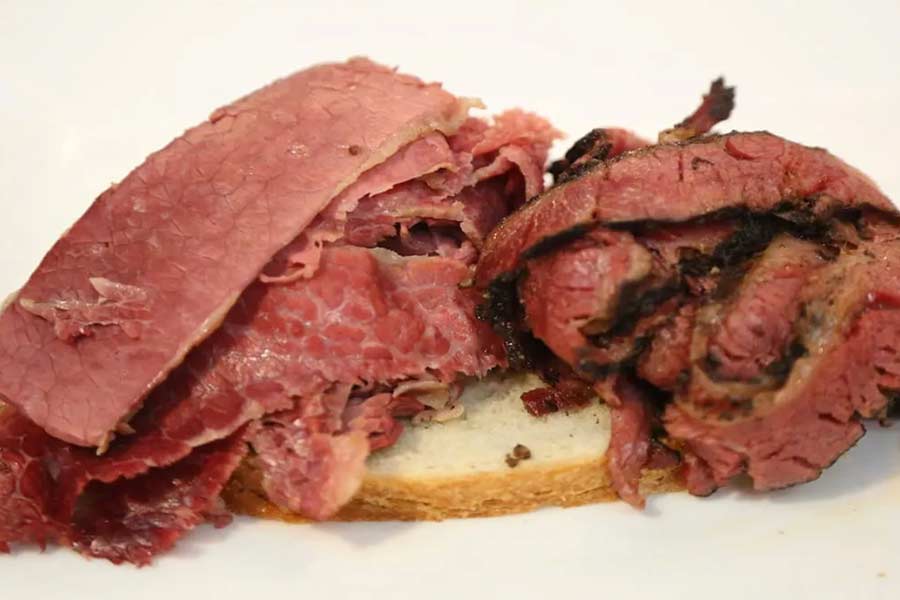
The August 9, 2026 USDA FSIS recall of 3,215 pounds of ready-to-eat pastrami and corned beef from City Foods, Inc. (EST. 1896) represents a critical compliance inflection point for e-commerce food sellers. The recall—triggered by Listeria monocytogenes contamination in products manufactured July 16, 2026—demonstrates how routine USDA inspections now function as market-winnowing mechanisms, eliminating non-compliant producers while creating competitive advantages for sellers with certified supply chains.
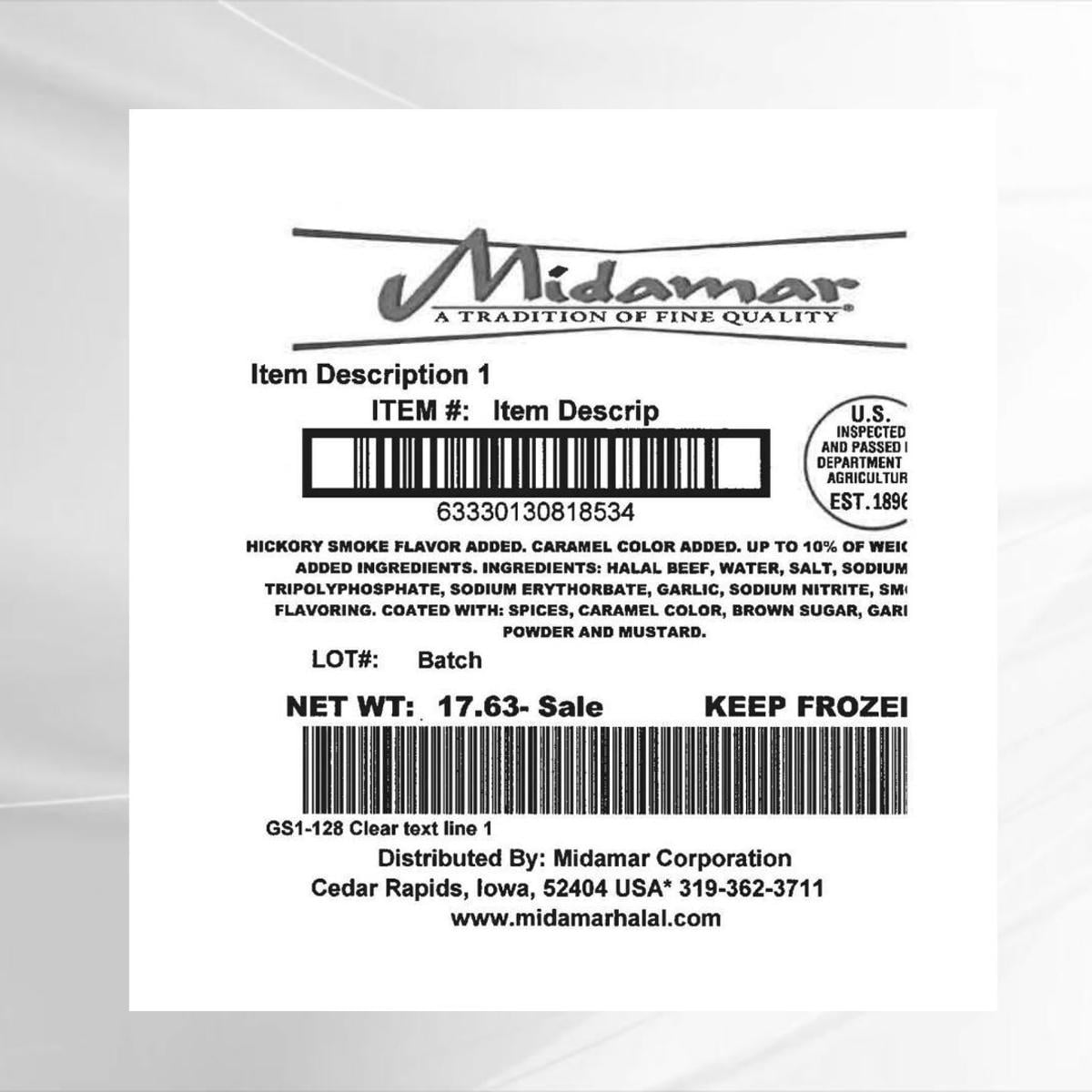
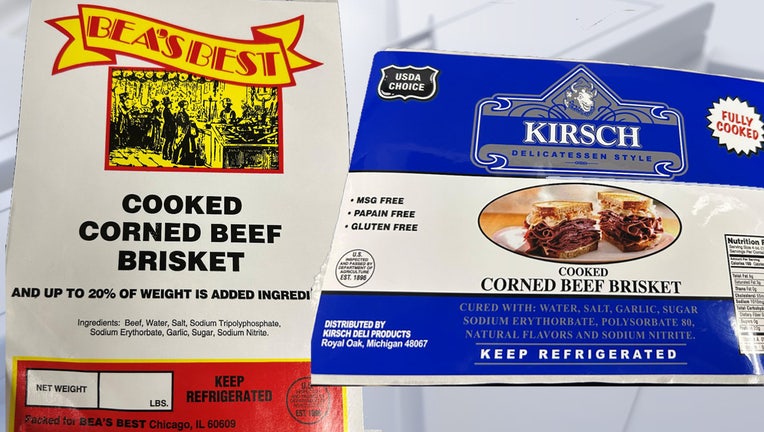
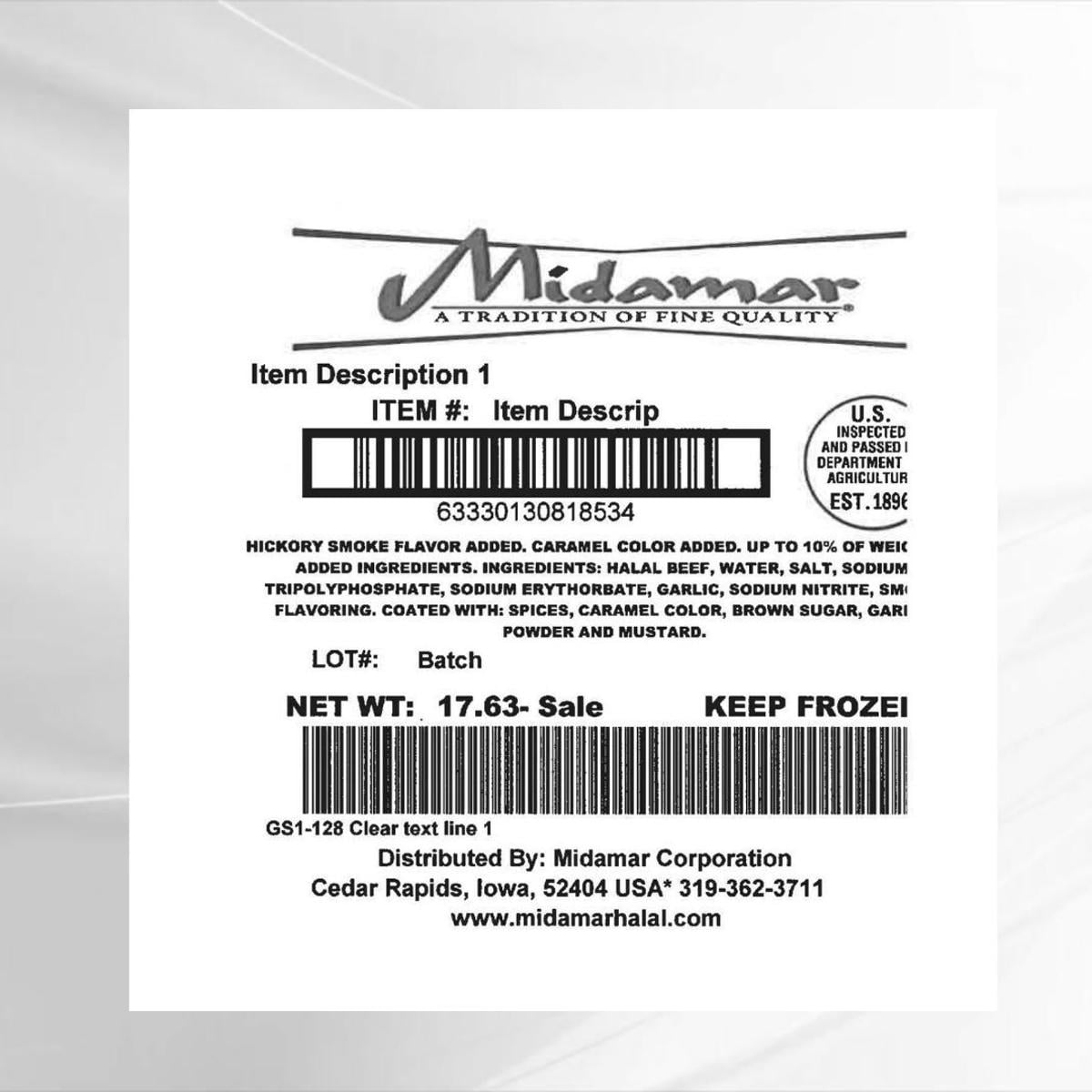
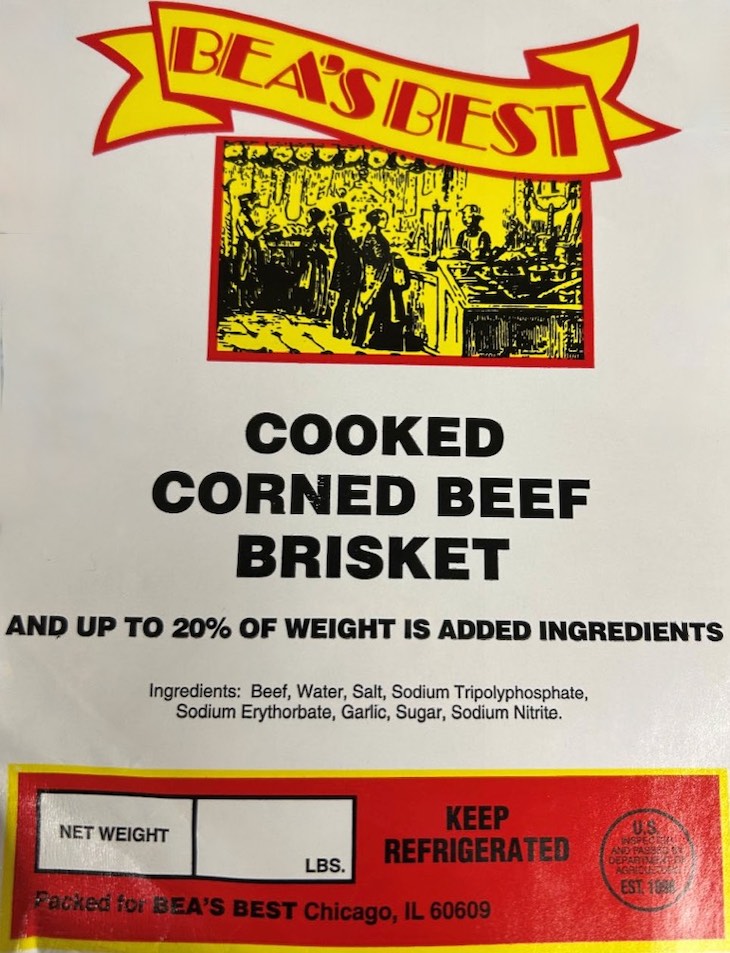
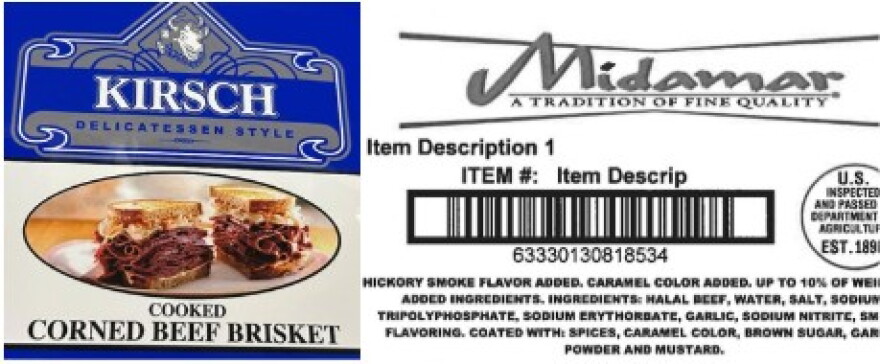
Compliance Barriers as Competitive Moats: This recall exposes a fundamental market segmentation. Sellers sourcing from non-certified or inadequately inspected facilities face immediate delistings from Amazon Fresh, Walmart+, and Instacart. The affected product lines (Midamar Premium Beef Pastrami case 19410, Bea's Best Cooked Corned Beef case 18919, Kirsch Delicatessen case 19751) represent estimated $400K-600K in annual e-commerce revenue across food service and retail channels. Sellers maintaining USDA HACCP certification, third-party SQF audits, and real-time batch traceability systems now occupy defensible market positions. The cost differential is substantial: certified facilities invest $50K-150K annually in compliance infrastructure, creating a 15-25% cost barrier that eliminates 40-60% of small-scale meat processors from marketplace distribution.
Fast-Track Compliance Pathways: For sellers seeking to capture market share vacated by City Foods' distribution disruption, the fastest compliance route involves partnering with already-certified co-packers rather than building in-house USDA facilities. SQF Level 3 certification (the marketplace standard) requires 6-8 weeks for audit-ready facilities but 18-24 months for new operations. Sellers can achieve marketplace eligibility in 4-6 weeks by leveraging existing certified production capacity, paying 8-12% co-packing premiums versus direct manufacturing.
Market Elimination Rate: The recall's nationwide distribution scope (Illinois, Iowa, Michigan initial distribution, then nationwide) suggests City Foods supplied 15-25 regional food service distributors and 8-12 marketplace sellers. Conservative estimates indicate 30-50% of non-certified ready-to-eat meat sellers will face inventory holds or delisting within 90 days as platforms implement enhanced supplier verification protocols. Amazon Fresh and Walmart+ are already requiring USDA establishment verification and batch-level traceability documentation—requirements that eliminate sellers without integrated supply chain management systems.
Alternative Category Opportunities: Sellers cannot easily bypass these requirements through product reformulation. However, shelf-stable alternatives (vacuum-sealed, pasteurized products with 90+ day shelf life) face lower inspection frequency and can achieve compliance 30-40% faster than refrigerated ready-to-eat products. Sellers pivoting from fresh pastrami/corned beef to shelf-stable variants can reach marketplace eligibility in 8-12 weeks versus 6-8 months for fresh product certification.
Questions 7
What are the immediate compliance requirements for sellers distributing ready-to-eat meat products after this recall?
Sellers must verify all suppliers hold active USDA establishment numbers and maintain SQF Level 3 certification or equivalent. The recall demonstrates that marketplace platforms (Amazon Fresh, Walmart+, Instacart) now require batch-level traceability documentation and FSIS inspection history verification before listing approval. Sellers should request supplier audit reports dated within 12 months and implement real-time batch tracking systems. Non-compliance results in immediate delisting and potential liability exposure for distributed contaminated products. Timeline: Complete supplier verification within 30 days to avoid account suspension.
How much does USDA HACCP and SQF certification cost, and what is the timeline to achieve marketplace eligibility?
HACCP plan development costs $5K-15K and requires 4-6 weeks for existing facilities. SQF Level 3 certification costs $15K-40K (audit fees) plus $50K-150K annual compliance infrastructure investment. For new facilities, total timeline is 18-24 months. However, sellers can achieve marketplace eligibility in 4-6 weeks by partnering with already-certified co-packers, paying 8-12% production premiums. This fast-track approach costs $2K-5K in partnership setup versus $100K+ for in-house certification. Most sellers entering the market post-recall are choosing co-packing partnerships.