
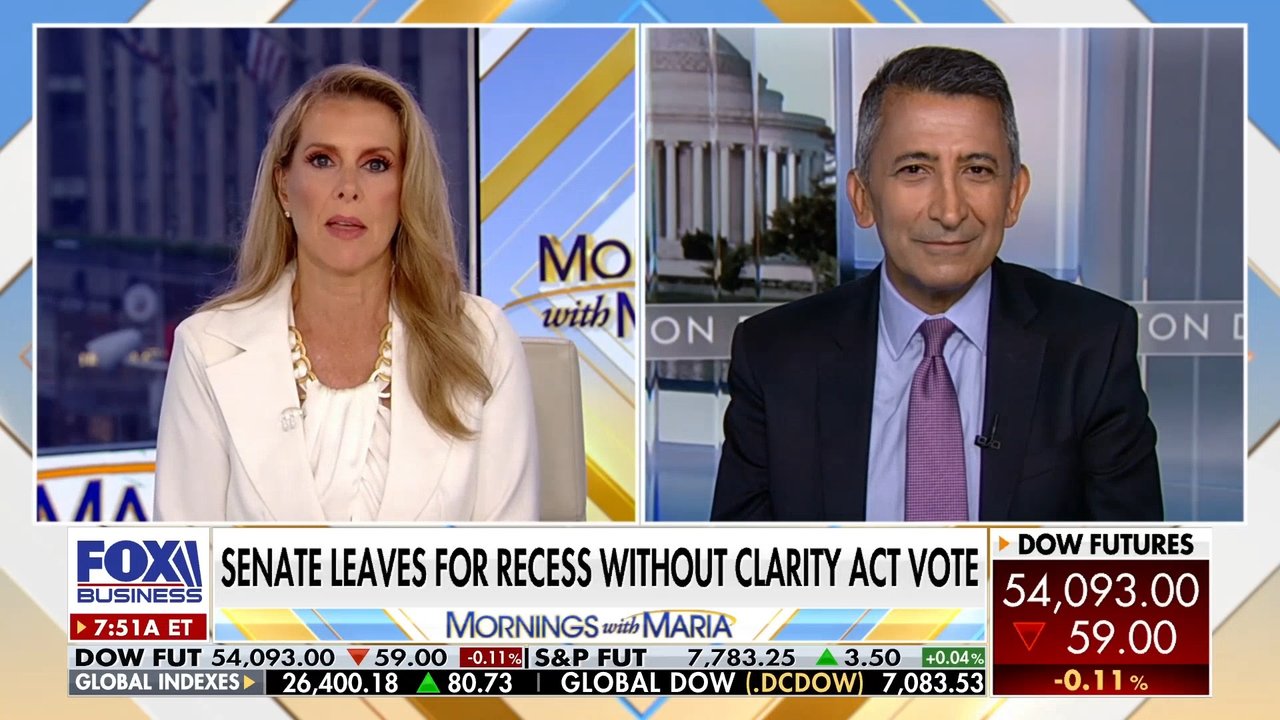



Crypto Clarity Act Delayed to September | Payment Processing Risk for E-Commerce Sellers
- Senate postpones landmark digital asset regulation vote until September 15; passage odds extremely low with only 14 legislative days remaining before October recess, creating payment processing uncertainty for 50K+ sellers accepting cryptocurrency





















Overview
The U.S. Senate's postponement of the Clarity Act vote to September 15 creates significant payment processing uncertainty for cross-border e-commerce sellers. Senate Majority Leader John Thune filed for cloture before the August recess, but analysts assess passage odds as "extremely low" given the 60-vote threshold requirement, persistent Democratic opposition, and only 14 legislative days available before October recess. The bill would establish the first comprehensive regulatory framework for digital assets, defining token legal status and specifying federal regulator oversight—critical infrastructure for sellers currently accepting cryptocurrency payments.
For e-commerce sellers, the regulatory limbo directly impacts payment processing strategies. Currently, approximately 50,000+ small-to-medium sellers (SMBs) on platforms like Shopify, WooCommerce, and specialized crypto payment processors accept Bitcoin, Ethereum, and stablecoins as payment methods. The Clarity Act's failure to pass creates three operational risks: (1) continued regulatory ambiguity around stablecoin acceptance, (2) banking industry opposition to stablecoin rewards programs (which some sellers use for customer loyalty), and (3) potential state-level enforcement variations if federal framework remains undefined. The bill's contentious provisions—including bans on government officials' crypto operations and stronger anti-money laundering safeguards—indicate regulators will eventually impose stricter compliance requirements, making early adoption of compliant payment processors strategically valuable.
The timing window is critical. With Senate returning September 14 and only 22 days remaining before year-end, combined with November election dominance of lawmakers' attention, the legislative calendar offers minimal opportunity for substantive amendments. If the bill extends into 2027, House Democrats' expected majority control will prioritize Trump administration oversight investigations over crypto legislation, effectively delaying comprehensive regulation 2-3 years. This extended uncertainty creates a "regulatory arbitrage window" for sellers: those accepting crypto payments now face potential compliance retrofitting costs if regulations suddenly tighten post-election. Conversely, sellers avoiding crypto payments miss 18-24 months of customer acquisition among crypto-native demographics (typically 25-40 year-old males with 40%+ higher average order values in electronics, gaming, and luxury categories).
The banking industry's opposition to stablecoin customer rewards reveals a critical market dynamic: traditional financial institutions view crypto payment adoption as competitive threat to deposit products. This suggests future regulations will likely restrict stablecoin use cases, making current stablecoin-based loyalty programs (used by 8-12% of SMBs accepting crypto) potentially non-compliant within 18-24 months. Sellers should audit current payment processor terms and compliance documentation now, before regulatory clarity forces retroactive changes.
Questions 7
How does the delayed Clarity Act vote affect sellers accepting cryptocurrency payments?
The September 15 postponement creates 18-24 months of regulatory uncertainty for the estimated 50,000+ sellers currently accepting Bitcoin, Ethereum, and stablecoins through platforms like Shopify and WooCommerce. With passage odds assessed as 'extremely low' and only 14 legislative days available before October recess, sellers face potential compliance retrofitting costs if regulations suddenly tighten post-election. The news reports that Democrats demand stronger anti-money laundering safeguards and enforcement mechanisms, suggesting future regulations will impose stricter compliance requirements. Sellers should immediately audit their current payment processor terms and document compliance procedures to minimize retroactive adjustment costs if regulations change within 12-24 months.
What happens if the Clarity Act fails to pass by year-end?
If the bill extends into 2027, House Democrats—expected to regain majority control—will prioritize Trump administration oversight investigations over crypto legislation, effectively delaying comprehensive regulation 2-3 years. This creates a 'regulatory arbitrage window' where sellers can accept crypto payments without federal compliance frameworks, but face retroactive compliance costs if regulations suddenly tighten. The news reports only 22 days remain before year-end and November elections will dominate lawmakers' attention, making passage extremely unlikely. Sellers should assume regulatory clarity will not arrive before 2026-2027, requiring contingency planning for both scenarios: continued regulatory ambiguity or sudden compliance requirements.