




JPY Weakness Persists Despite US-Japan Intervention | Critical FX Risk for Cross-Border Sellers
- Yen drops to 159/USD after intervention fails; US exporters gain 3-5% price advantage while Japanese importers face 8-12% cost increases on dollar-denominated goods






Overview
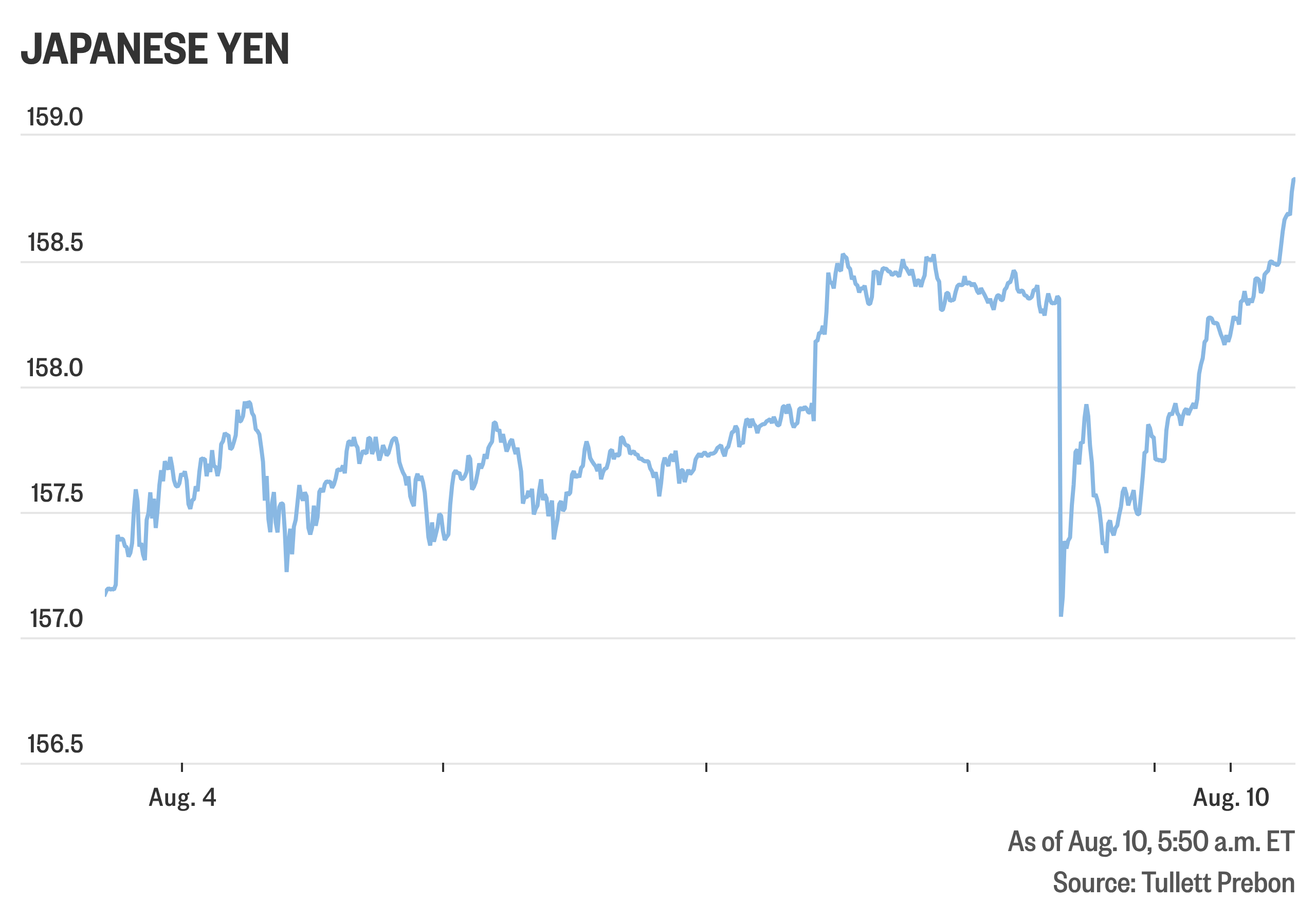
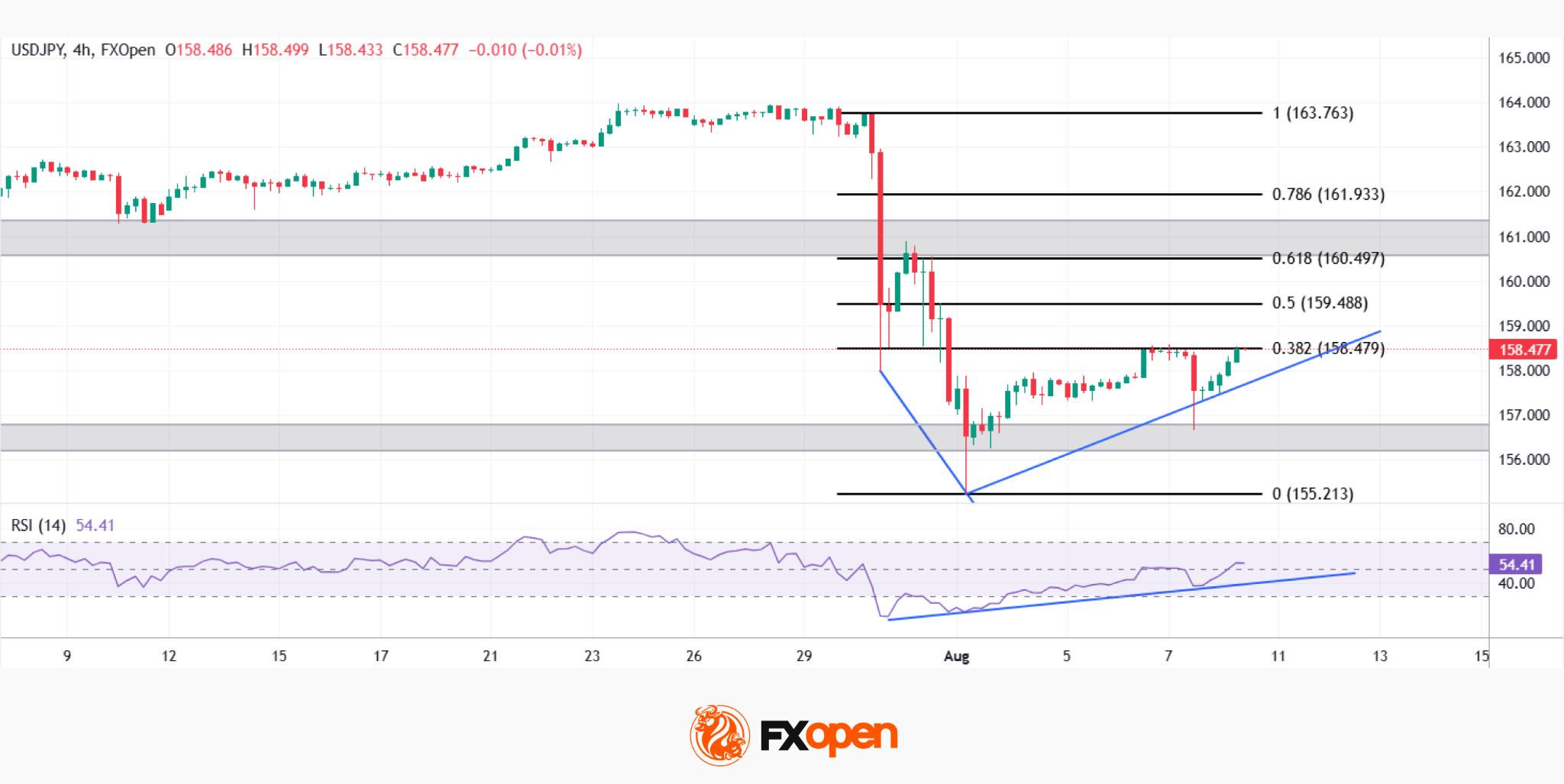
The coordinated US-Japan currency intervention launched July 31, 2026, has failed to sustain yen strength, with the currency weakening past 159 per USD by August 10 despite Treasury Secretary Scott Bessent's "whatever-it-takes" pledge for unlimited support. The yen initially strengthened toward 155 following the first joint intervention since 1998, but market fundamentals—persistent interest rate differentials (Federal Reserve elevated rates vs. Bank of Japan's accommodative stance), divergent monetary policy trajectories, and carry trade pressures—have overwhelmed policy efforts. This creates a bifurcated impact for cross-border e-commerce sellers: US exporters to Japan gain immediate 3-5% price competitiveness as their dollar-denominated goods become cheaper in yen terms, while Japanese importers purchasing US goods face 8-12% cost increases, potentially reducing demand for American products.
For sellers managing US-Japan trade corridors, currency volatility directly compresses margins and complicates inventory valuation. A seller with $100K in JPY-denominated costs faces $8-12K in additional expense at current rates; conversely, a US exporter with $500K in monthly Japan sales gains $15-25K in pricing power. However, this advantage is unstable—the intervention's failure signals continued yen weakness is likely, making dynamic pricing strategies essential. Payment processing costs also escalate: FX conversion fees on JPY-USD corridors typically range 1.5-2.5%, and hedging costs for forward contracts have increased 40-60% as volatility spikes. Sellers relying on static pricing or unhedged positions face margin compression of 5-8% monthly.
The structural failure of intervention—verbal commitments cannot override fundamental rate differentials—indicates sellers should abandon hopes for policy-driven stabilization. Historical patterns show coordinated interventions provide only temporary relief; market forces ultimately dominate when economic fundamentals diverge. This means sellers must implement robust currency hedging strategies immediately: forward contracts locking in rates for 30-90 days (costing 0.5-1.2% of transaction value but eliminating FX surprise), multi-currency wallets reducing conversion frequency, and dynamic pricing mechanisms adjusting JPY-denominated prices weekly based on spot rates. For inventory management, sellers should consider shifting 20-30% of Japan-sourced inventory to alternative lower-cost markets (Vietnam, Thailand) or accelerating US inventory turnover to capitalize on temporary price advantages. The intervention's limited firepower suggests yen weakness persists 3-6 months minimum, creating a window for strategic repositioning before potential policy reversal.
Questions 8
Why did the US-Japan currency intervention fail to sustain yen strength?
The intervention (July 31, 2026) initially pushed yen toward 155/USD but failed because it addressed symptoms, not fundamentals. The Federal Reserve maintains elevated interest rates while the Bank of Japan keeps accommodative policy, creating 3-4% interest rate differentials favoring dollar assets. This incentivizes carry trades (borrowing cheap yen, investing in high-yield dollars), overwhelming intervention efforts. Market analysts note verbal commitments alone cannot sustain currency support without coordinated monetary policy adjustments. Historical precedent: coordinated interventions provide only temporary relief (days to weeks) when structural factors remain unchanged. For sellers, this means policy-driven stabilization is unreliable; hedging strategies are essential.
What hedging strategies should sellers implement immediately?
**Forward contracts** lock in USD/JPY rates for 30-90 days, costing 0.5-1.2% of transaction value but eliminating FX surprise—ideal for sellers with predictable monthly Japan revenue/costs. **Multi-currency wallets** (Wise, OFX) reduce conversion frequency and fees to 0.5-1%, allowing sellers to hold JPY and convert strategically rather than daily. **Dynamic pricing mechanisms** adjust JPY-denominated prices weekly based on spot rates, maintaining margin targets automatically. **Layered hedging** combines 50% forward contracts (certainty) + 50% spot conversion (upside capture). For a $50K monthly Japan operation, implementing all three strategies reduces FX cost from 2-3% to 0.8-1.2%, saving $600-1,100 monthly. Amazon Global Selling and Shopify both support multi-currency pricing; activate these features immediately.