



Hormuz Strait Tensions Drive Oil Price Surge | Shipping Cost Impact for Cross-Border Sellers
- Unresolved geopolitical negotiations push fuel surcharges 8-15% higher for international logistics; air freight and expedited shipping hit hardest












Overview
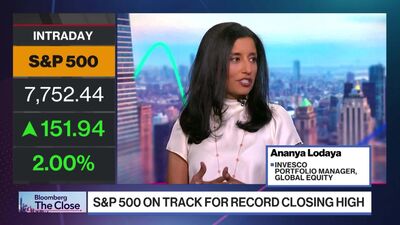
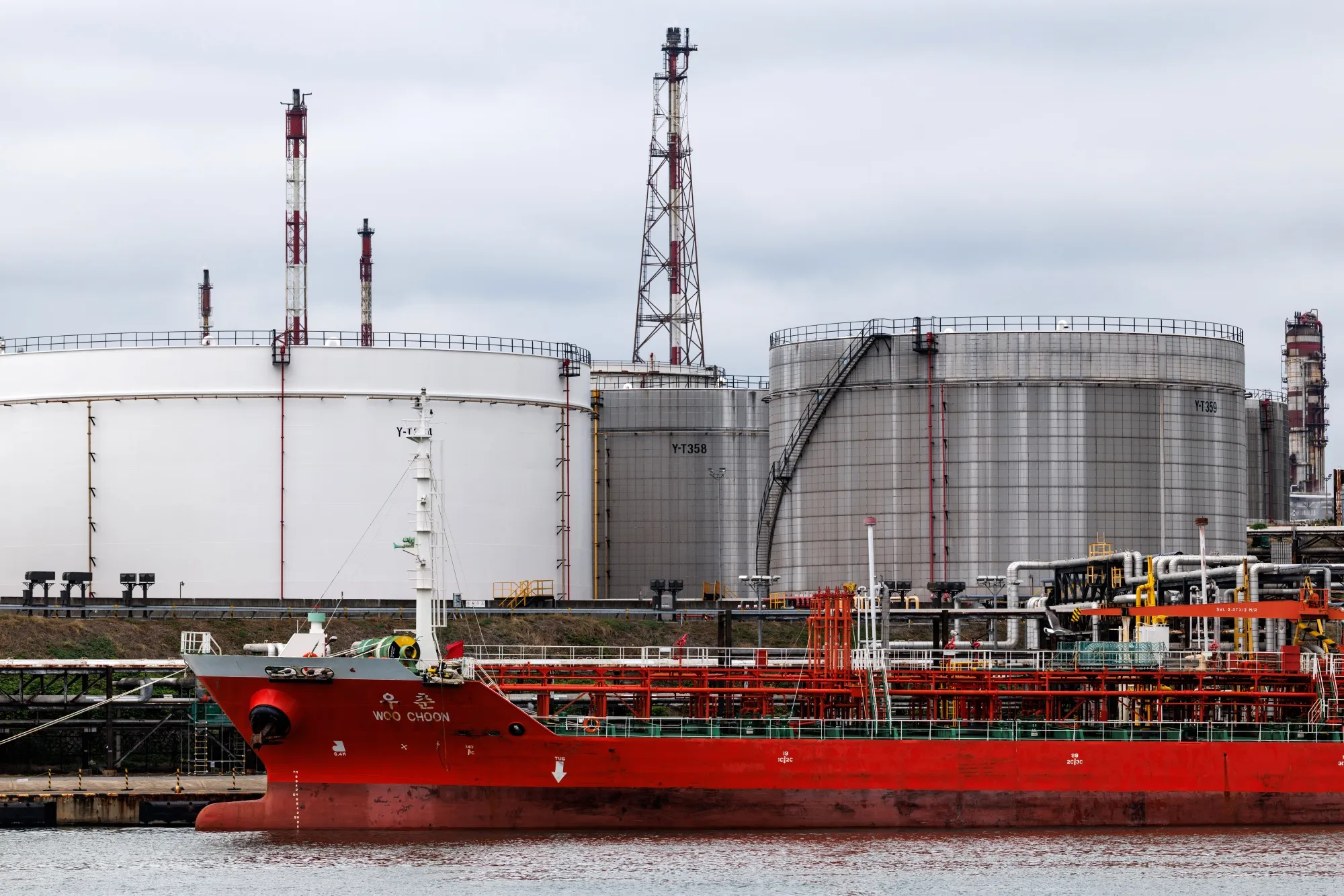
The Strait of Hormuz remains a critical flashpoint in global energy markets, with ongoing diplomatic negotiations failing to produce definitive agreements on regional security arrangements. This strategic chokepoint handles approximately 21% of global petroleum daily, making it one of the world's most vital maritime passages. Bloomberg's analysis indicates that unresolved tensions are creating a persistent risk premium in crude oil prices, as traders price in potential supply disruptions and shipping restrictions. The lack of conclusive diplomatic progress maintains upward pressure on oil valuations, with markets remaining in a state of cautious uncertainty.
For cross-border e-commerce sellers, this geopolitical uncertainty translates directly into operational cost pressures. Elevated oil prices drive increased fuel surcharges on international shipments, affecting profit margins across multiple product categories. Sellers relying on air freight or expedited shipping face particularly acute cost pressures, with fuel surcharges typically ranging 8-15% above baseline rates during periods of elevated crude prices. The ongoing uncertainty creates significant challenges for sellers attempting to forecast logistics costs and maintain competitive pricing strategies.
Supply chain diversification becomes critical for margin protection. Sellers heavily dependent on air freight for time-sensitive categories (electronics, apparel, beauty products) should evaluate alternative logistics corridors and 3PL providers offering fuel hedging strategies. Ocean freight remains more stable, but transit times extend 2-4 weeks, requiring inventory planning adjustments. Medium-sized sellers (shipping 500-2,000 units monthly) face the most acute margin compression, as they lack the negotiating power of enterprise sellers while maintaining higher per-unit logistics costs than small sellers using consolidated shipments.
The geopolitical situation underscores the importance of supply chain diversification and fuel hedging strategies for e-commerce businesses dependent on international logistics networks. Sellers should monitor Hormuz-related announcements closely, as any diplomatic breakthrough could provide a 2-4 week window for cost optimization before market adjustments occur. Conversely, escalation scenarios could trigger 15-25% fuel surcharge increases within 48-72 hours, requiring pre-positioned inventory strategies to absorb cost shocks.
Questions 7
Should I shift my sourcing away from Asia to reduce shipping distance and fuel exposure?
Sourcing diversification offers limited fuel cost benefits but provides strategic supply chain resilience. Shifting from China to Vietnam or India reduces shipping distance by 10-15%, translating to 2-3% fuel surcharge reduction—modest compared to the 8-15% current volatility. However, alternative sourcing regions often carry 5-10% higher manufacturing costs, offsetting fuel savings. The strategic value lies in supply chain redundancy: maintaining 60% China sourcing and 40% Vietnam/India sourcing protects against both geopolitical disruptions and single-region manufacturing risks. For sellers in electronics and apparel, Vietnam offers comparable manufacturing costs with 3-5 day shorter transit times. India provides cost advantages for textiles and home goods. The Bloomberg analysis suggests geopolitical tensions will persist, making supply chain diversification a prudent long-term strategy even if immediate fuel cost savings are modest. Evaluate sourcing shifts based on 12-month cost modeling rather than current fuel surcharge levels.
How do I forecast shipping costs accurately when oil prices remain volatile due to Hormuz tensions?
Implement scenario-based forecasting rather than point estimates: model three scenarios (base case: current oil prices persist; upside: 15% oil increase from escalation; downside: 10% decrease from diplomatic breakthrough). The Bloomberg report indicates unresolved negotiations maintain uncertainty, suggesting base case persistence for 3-6 months. Use historical fuel surcharge data from your 3PL providers to establish baseline ranges—typically 8-15% above standard rates during geopolitical uncertainty. Build 5-7% margin buffer into pricing models to absorb surcharge volatility. Amazon FBA sellers can review historical shipping cost data in Seller Central to establish category-specific baselines. Shopify sellers should implement quarterly cost reviews tied to fuel surcharge indices (Freightos Index, DHL Fuel Surcharge Index). Most professional sellers use 90-day rolling forecasts updated weekly during high-volatility periods. Establish internal alerts: if oil prices spike 10%+ in a single week, trigger immediate pricing review and inventory rebalancing protocols.