


China's $217B Tech Capital Surge | Reshaping Global Supply Chains for E-Commerce Sellers
- Chinese tech companies raise record capital at 1.9% bond rates, creating competitive pressure on US suppliers and reshaping electronics sourcing for cross-border sellers




Overview
China's strategic pivot toward market-based capital raising is fundamentally reshaping the competitive landscape for cross-border e-commerce sellers. Over the past two years, Chinese tech companies have raised approximately $217 billion USD through equity and debt markets, with Chinese firms selling at least $38 billion USD in bonds this year—the highest amount since 2016. Most critically, Chinese tech companies are accessing capital at average bond coupons of just 1.9%, representing a 300+ basis point advantage over American rivals—a differential unseen since before 2015. This financing advantage directly impacts e-commerce sellers sourcing electronics, semiconductors, and AI-powered devices from China.
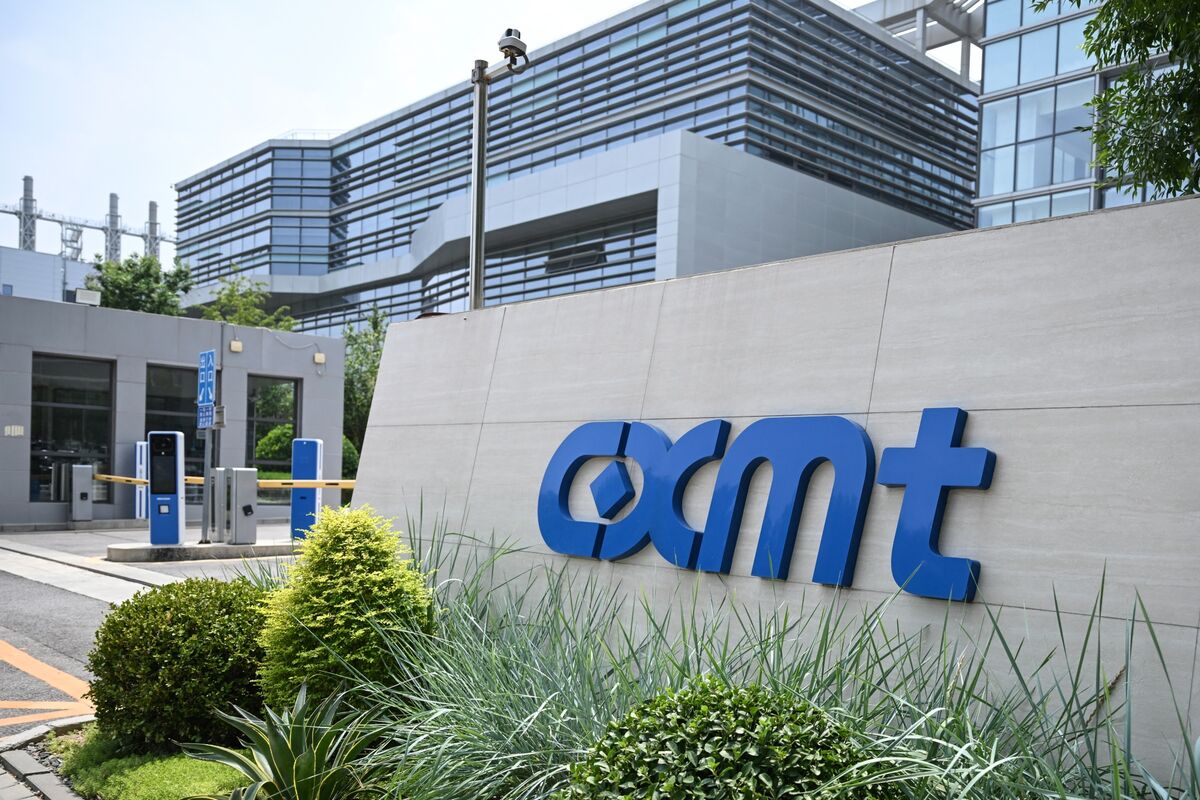
The immediate competitive implication: Well-capitalized Chinese manufacturers can now undercut US and European competitors on pricing while maintaining R&D investment. Memory chipmaker CXMT Corp.'s record Shanghai IPO—raising $8.6 billion USD with a stock surge of 466% on debut—exemplifies this capital mobilization. The company's expedited "preliminary review" pilot process compressed the filing-to-market timeline to under eight months, accelerating product development cycles. For e-commerce sellers, this means Chinese suppliers of electronics, smart home devices, semiconductors, and AI-integrated products will have superior capital for innovation, manufacturing scale, and price competition. Sellers sourcing from China gain access to better-capitalized suppliers with faster innovation cycles; sellers competing against Chinese manufacturers face margin compression.
Strategic sourcing implications for cross-border sellers: The favorable financing environment enables Chinese tech companies to expand production capacity and enter new product categories faster than Western competitors. Additional Chinese AI companies including Z.AI, MiniMax, Moonshot AI, and DeepSeek are preparing mainland listings or IPOs within six months, indicating accelerating capital market activity. This capital influx will likely flow into manufacturing infrastructure, supply chain optimization, and export-focused product development. For sellers on Amazon, eBay, Shopify, and Temu, this creates a 6-12 month window where Chinese suppliers are aggressively expanding capacity and may offer favorable pricing to secure long-term partnerships. However, the risk is real: CXMT trades at a premium to global competitors with policy-driven sentiment driving valuations more than fundamentals, suggesting potential overcapacity and price wars in memory chips and semiconductors by Q2-Q3 2025. Sellers should monitor supplier financial health closely and diversify sourcing across Vietnam, India, and Taiwan to hedge against Chinese overcapacity cycles.
Questions 8
How does CXMT's $8.6B IPO and 466% stock surge affect memory chip pricing for sellers?
CXMT's record IPO signals massive capital influx into memory chip manufacturing, likely driving 15-25% production capacity expansion by mid-2025. However, the 466% stock surge reflects policy-driven sentiment rather than fundamental business metrics, creating overcapacity risk. Memory chip prices (used in electronics, smart devices, storage products) may decline 10-20% by Q3 2025 as new capacity comes online, benefiting sellers of electronics but pressuring component suppliers. For Amazon sellers in electronics categories, this creates a buying opportunity: source memory-intensive products now before suppliers realize margin compression and raise prices to compensate.
What sourcing countries should sellers diversify to hedge Chinese capital market risks?
Vietnam, India, and Taiwan are primary alternatives to reduce concentration risk from Chinese overcapacity cycles. Vietnam has emerged as the leading alternative for electronics manufacturing with 12-18% lower labor costs than China and growing semiconductor capacity. India offers cost advantages of 15-25% for certain electronics categories and benefits from US/EU trade preferences. Taiwan dominates advanced semiconductor manufacturing but at premium pricing. Strategy: allocate 30-40% of sourcing to Vietnam for standard electronics, 20-30% to India for cost-sensitive categories, and maintain 40-50% China exposure for capital-intensive, high-volume products where Chinese suppliers' financing advantages create genuine cost benefits.