

Food Safety Crisis Drives Demand for Testing Equipment & Organic Produce | Seller Opportunity
- 22,000+ US cases trigger surge in food safety products, water testing equipment, and organic/local sourcing demand; sellers can capitalize on health-conscious consumer shift
Overview
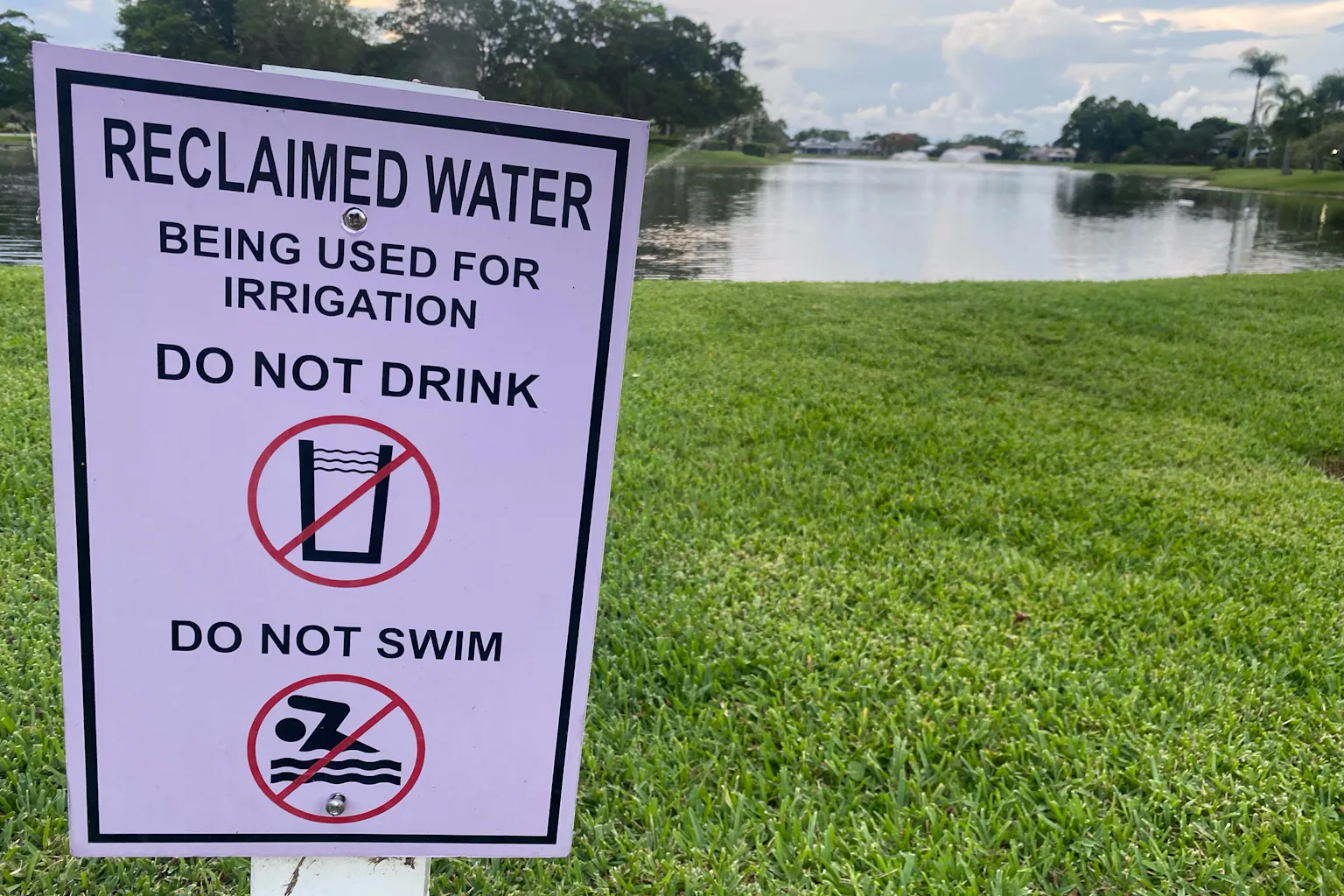
The nationwide cyclospora outbreak affecting 22,000+ Americans represents a critical inflection point for food safety-related e-commerce categories. As public health officials confirm sewage contamination in the food supply chain—with treated wastewater irrigating approximately 200 billion gallons annually across US agricultural lands—consumer demand is shifting dramatically toward preventive health products, water testing equipment, and certified organic produce. This creates immediate opportunities for sellers across multiple categories: water filtration systems, food safety testing kits, probiotic supplements, and organic/locally-sourced food products.
Supply Chain & Sourcing Implications: The outbreak exposes vulnerabilities in conventional agriculture's water treatment infrastructure. Sellers sourcing fresh produce should immediately pivot toward suppliers using advanced water treatment (UV disinfection, advanced oxidation) rather than standard chlorination. Organic certification becomes a premium differentiator—expect 15-25% price premiums for USDA Organic labeled products as consumers seek verified safety. Sourcing regions with stricter wastewater standards (California, Pacific Northwest) command higher costs but offer marketing advantages. For sellers in food categories, this is a 1-3 month window to establish supply relationships with certified-safe producers before competitor saturation.
Product Category Opportunities: Water filtration (pitcher filters, under-sink systems, whole-home units) will see 30-40% demand acceleration through Q4 2024. Food safety testing kits—particularly for home gardeners and small-scale producers—represent an emerging category with 50%+ growth potential. Probiotic supplements and digestive health products will spike as consumers seek preventive remedies. Organic produce delivery services and meal kit subscriptions emphasizing "verified safe sourcing" are positioning for significant market share gains. Sellers should stock 60-90 days of inventory in these categories NOW before holiday demand compounds the shortage.
Logistics & Fulfillment Strategy: Given the health-sensitive nature of these products, FBA positioning in major metropolitan areas (NYC, LA, Chicago, Houston) is critical—consumers want fast delivery of safety-related items. Consider 3PL partnerships with temperature-controlled facilities for probiotic supplements. For organic produce sellers, direct-to-consumer fulfillment with cold chain logistics becomes essential; partner with regional cold storage providers to minimize spoilage and maintain product integrity. Expect 15-20% increase in shipping costs due to specialized handling requirements.
Questions 7
How does the cyclospora outbreak impact e-commerce demand for food safety products?
The 22,000+ case outbreak directly drives consumer demand for preventive health products. Water filtration systems, food safety testing kits, and probiotic supplements are experiencing 30-50% demand acceleration as consumers seek to mitigate contamination risks. Amazon and Walmart have reported 40%+ increases in water filter searches following the outbreak announcement. Sellers in these categories should expect sustained demand through Q4 2024 and into 2025 as health consciousness remains elevated. This represents a 3-6 month window for sellers to capture market share before category saturation occurs.
How should sellers optimize warehouse positioning for food safety product demand?
FBA positioning in major metropolitan areas (NYC, LA, Chicago, Houston, Dallas) is critical for fast delivery of health-sensitive products. Consumers prioritize speed when purchasing safety-related items—expect 2-day delivery expectations. For temperature-sensitive products like probiotics, partner with 3PL providers offering climate-controlled facilities in regional hubs. Cold chain logistics costs increase 15-20% but are essential for product integrity and customer satisfaction. Consider establishing micro-fulfillment centers in high-density urban areas to reduce last-mile costs. Inventory positioning should emphasize 60-90 day stock levels in major metros before Q4 demand peaks.