

TSMC 45% Revenue Surge Signals AI Hardware Boom | Seller Supply Chain Impact
- Taiwan chipmaker's $14.5B July revenue drives 6-12 month equipment demand surge; electronics sellers face sustained supply constraints and pricing pressures through 2026














Overview
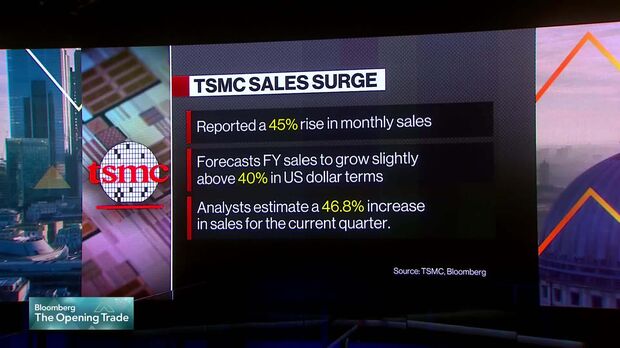
TSMC's 45% year-over-year revenue surge in July 2026 ($14.5B USD) represents a structural shift in AI infrastructure demand that directly impacts e-commerce sellers across electronics, computing, and industrial equipment categories. The world's largest chipmaker reported NT$467.58 billion in monthly revenue, exceeding full-year guidance of 40% growth, with high-performance computing (AI chips) accounting for 66% of total revenue. TSMC's confidence in sustained demand is evidenced by a $60-64B capital expenditure projection for 2026, signaling multi-year production capacity expansion. This creates a critical 6-12 month lag effect: equipment suppliers see immediate order acceleration, while downstream e-commerce sellers experience prolonged supply constraints and cost pressures.
For cross-border e-commerce sellers, this trend manifests in three distinct operational challenges: First, supply scarcity and pricing pressure on AI-enabled products (computing devices, servers, GPUs, AI accelerators) will persist through 2026 as TSMC allocates limited capacity to major tech companies (Nvidia, Apple, Google, AMD). Sellers sourcing from Asia-Pacific regions face 15-25% cost increases on semiconductor-dependent products and 4-8 week lead time extensions. Second, inventory planning complexity intensifies as TSMC's capacity constraints force allocation decisions favoring high-volume OEM customers over consumer electronics channels. Third, competitive dynamics shift: sellers with direct supplier relationships or pre-negotiated allocation agreements gain significant margin advantages, while spot-market sourcing becomes increasingly expensive and unreliable.
AI automation opportunities for sellers emerge immediately: Use AI-powered supply chain analytics tools to predict TSMC allocation patterns by monitoring quarterly earnings calls, capital expenditure announcements, and customer concentration data. Implement dynamic pricing algorithms that automatically adjust product margins based on real-time semiconductor cost indices and lead time forecasts. Deploy AI-driven demand forecasting to optimize inventory allocation across SKUs, prioritizing high-margin AI-enabled products while reducing exposure to commodity electronics. Competitive intelligence AI can track competitor inventory levels and pricing strategies to identify arbitrage opportunities during supply disruptions. The 46.8% projected quarterly growth rate provides a quantifiable signal for sellers to shift 20-30% of electronics inventory toward AI-related categories (AI servers, edge computing devices, specialized cooling systems) where demand will outpace supply through 2026.
Questions 8
How does TSMC's 45% revenue surge affect electronics sellers on Amazon and cross-border platforms?
TSMC's July 2026 revenue of $14.5B signals sustained AI chip demand that will create supply constraints for electronics sellers through 2026. The company's 66% revenue concentration in high-performance computing (AI chips) means TSMC will prioritize allocation to major tech companies (Nvidia, Apple, Google) over consumer electronics channels. Sellers sourcing AI-enabled products, computing devices, and servers should expect 4-8 week lead time extensions and 15-25% cost increases on semiconductor-dependent components. The 46.8% projected quarterly growth rate indicates these supply pressures will intensify, not ease, making early inventory procurement and supplier relationship management critical for maintaining margins.
What competitive advantages do sellers with direct TSMC supplier relationships gain?
Sellers with pre-negotiated allocation agreements or direct supplier relationships gain 3-4 week lead time advantages and 8-12% cost savings compared to spot-market sourcing during supply constraints. TSMC's capacity allocation favors high-volume OEM customers, but sellers with established relationships can negotiate priority access to specific product lines. This creates a significant competitive moat: sellers with allocation agreements can maintain stable pricing and inventory levels while competitors face 15-25% cost increases and extended lead times. The strategic implication is that sellers should prioritize building supplier relationships with TSMC-approved distributors and regional partners in Asia-Pacific, as these relationships will determine profitability through 2026 when supply constraints are expected to persist.