





Oil Price Surge to $82+ Threatens E-Commerce Logistics Costs | Sellers Face 8-15% Shipping Increases
- US gasoline prices exceed $4/gallon, up 3% month-over-month; SPR at 298.7M barrels (lowest since 1983); immediate impact on FBA fulfillment, 3PL shipping, and cross-border logistics through Q4 2026

























Overview
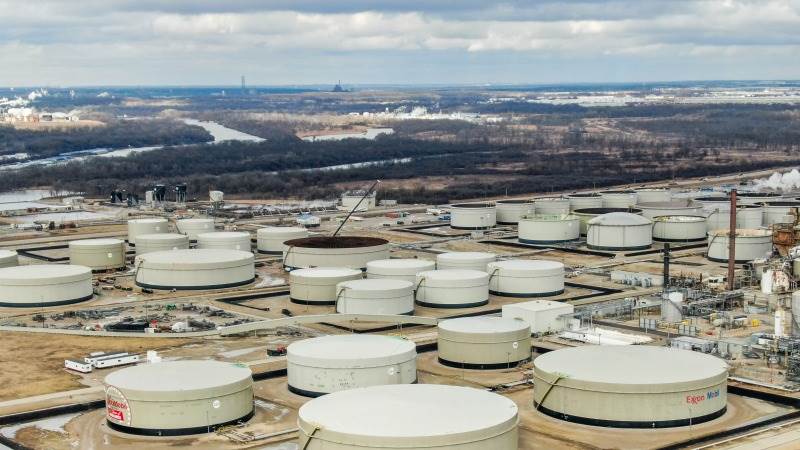
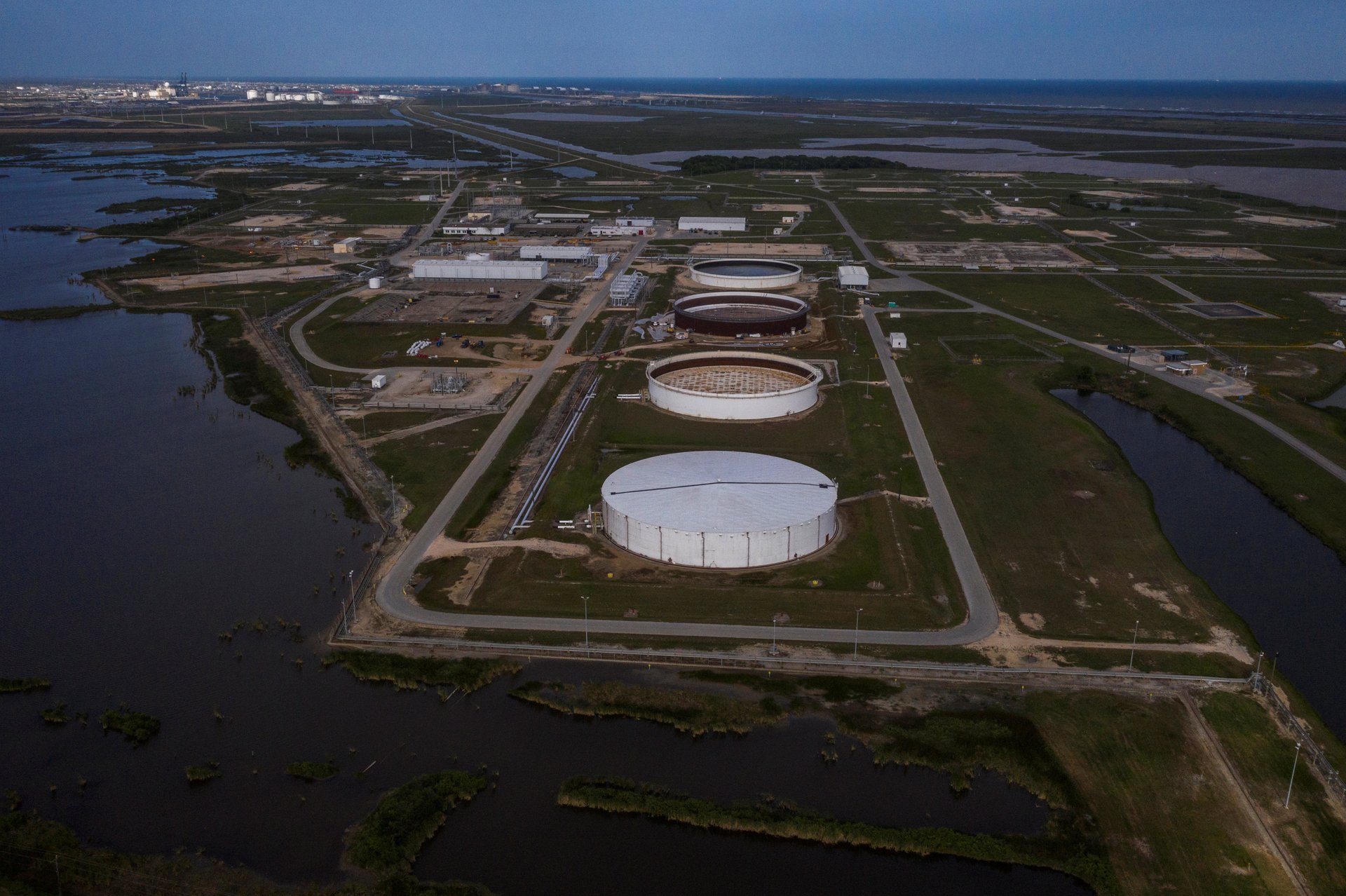
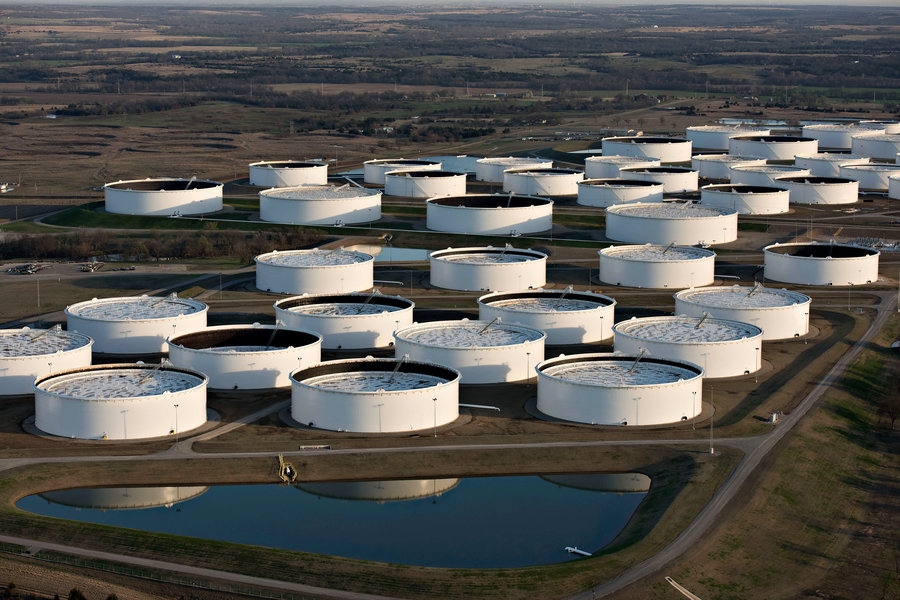
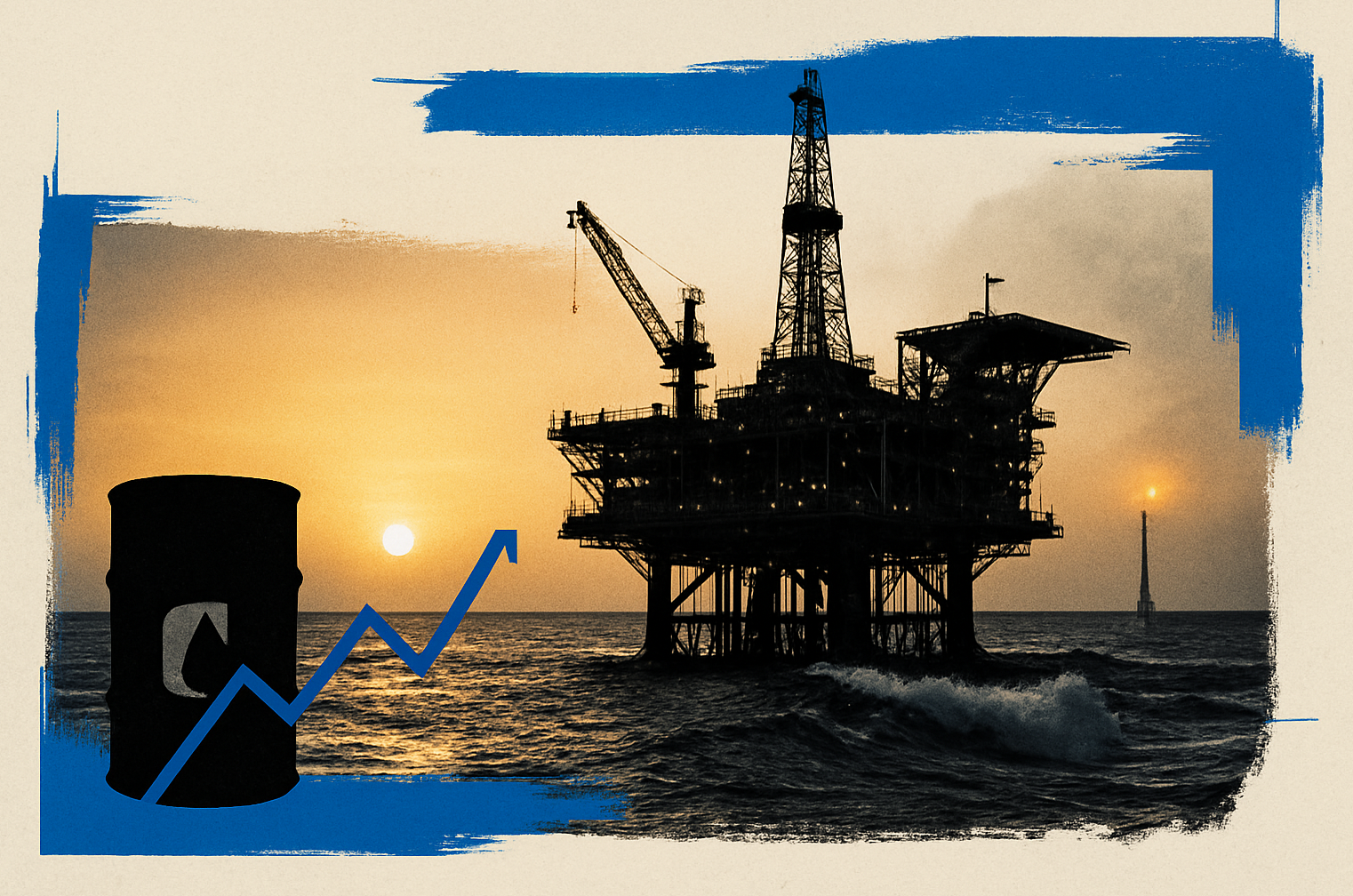
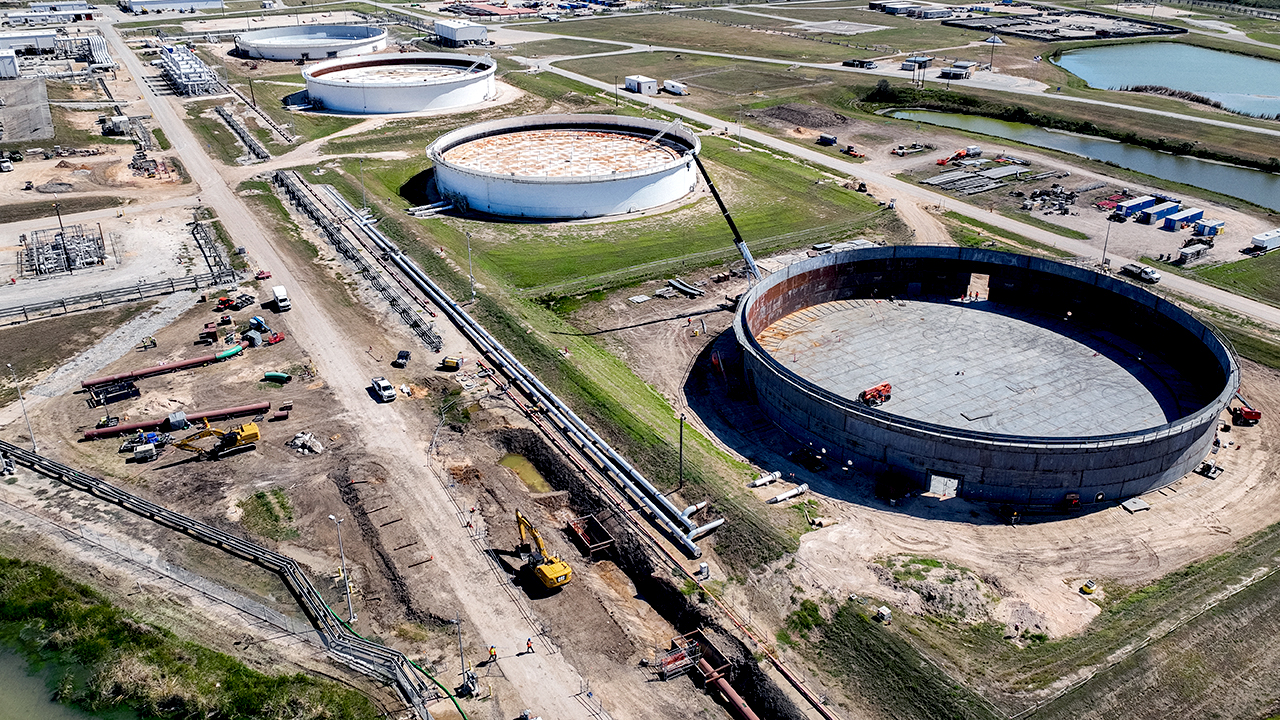
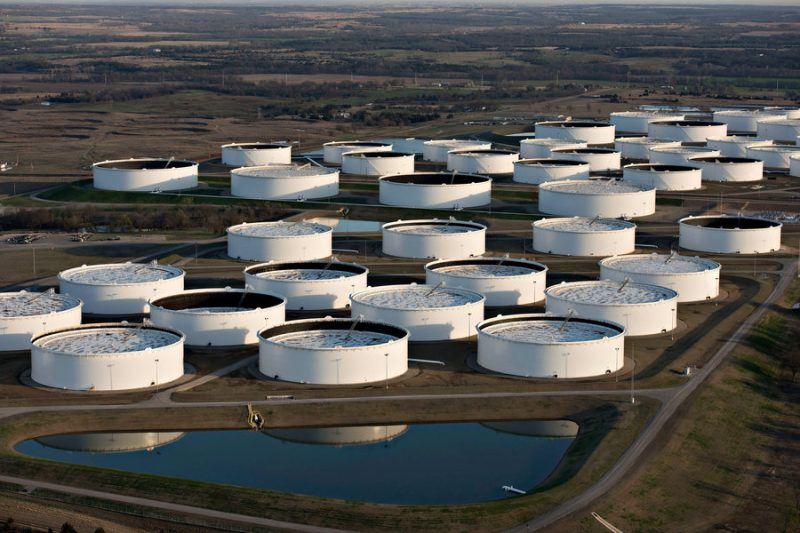
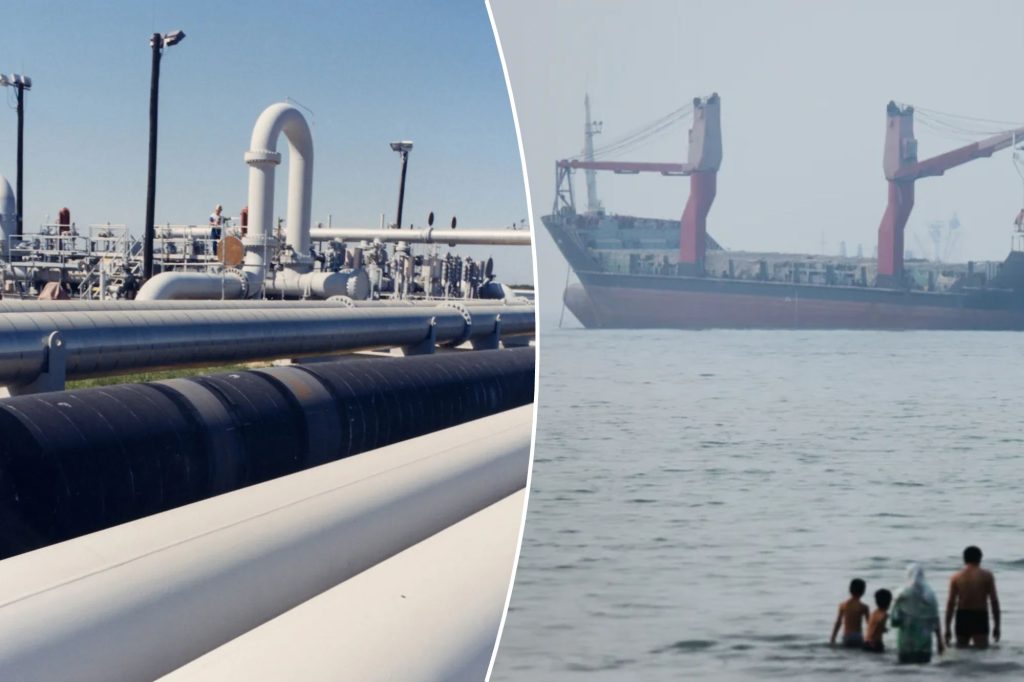
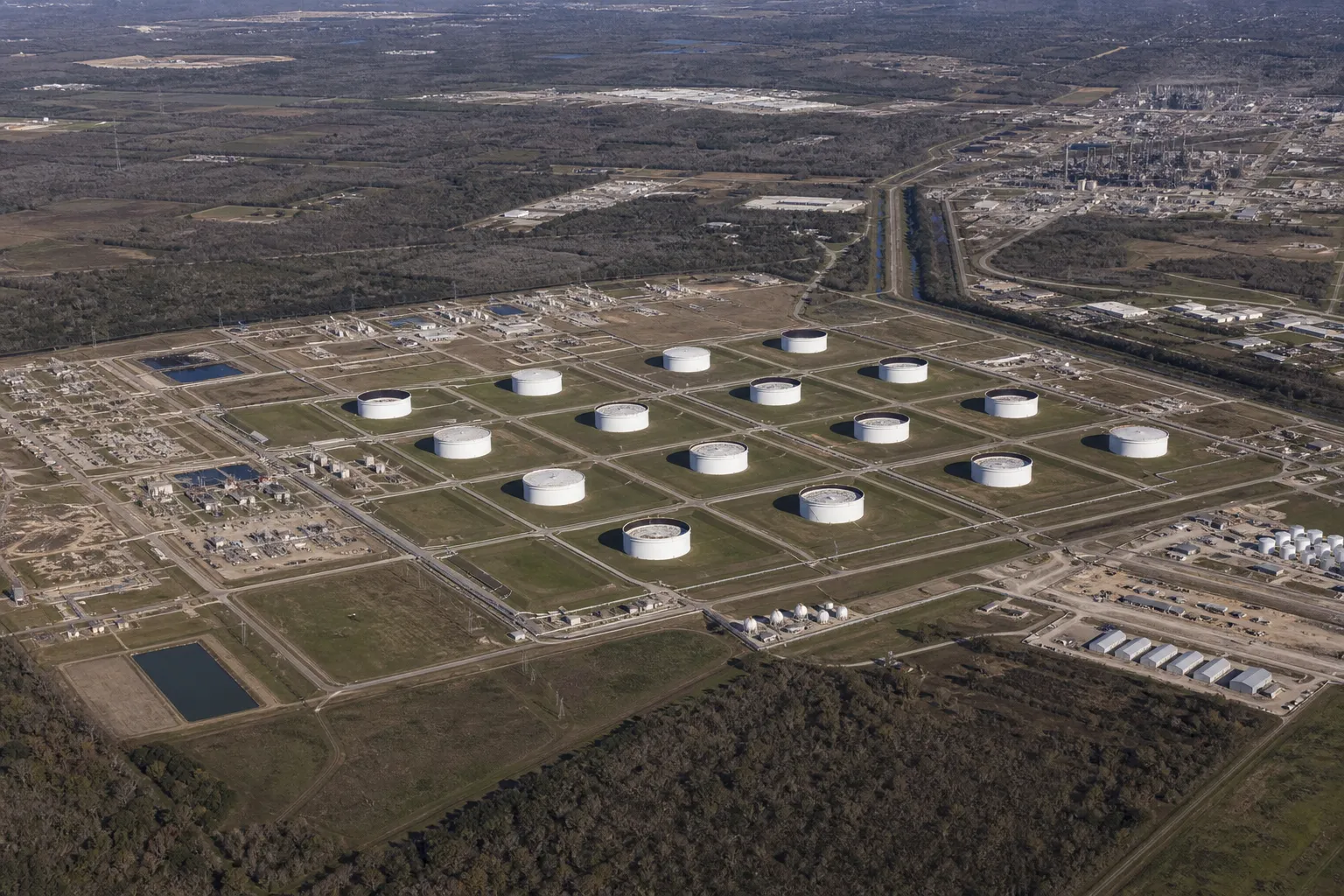
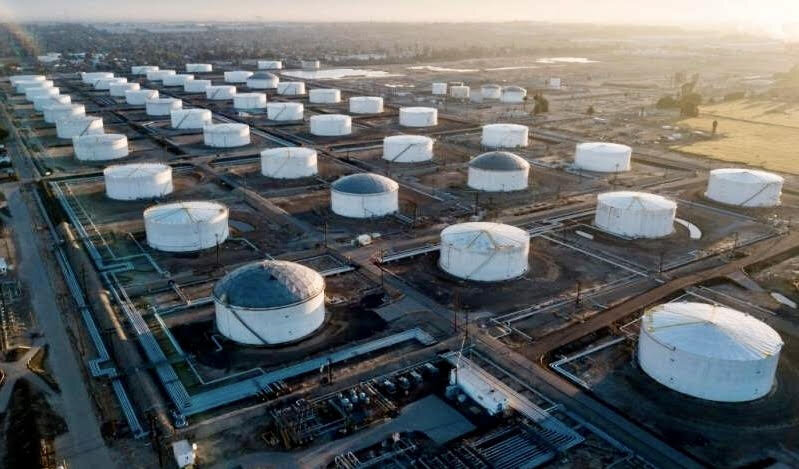
The U.S. Strategic Petroleum Reserve has collapsed to 298.7 million barrels as of August 2026—its lowest level in 43 years—triggering a cascading energy crisis that directly impacts e-commerce seller profitability. President Trump's release of 172 million barrels in March 2026 to address Iran's Strait of Hormuz blockade has combined with Biden's 2022 Ukraine-related drawdown (180 million barrels) to create a structural supply deficit. Oil prices have surged to $82.13/barrel (WTI) and $87.72/barrel (Brent), with gasoline prices climbing above $4/gallon—a $0.12/gallon increase in just one month according to AAA data. This energy shock directly translates to increased logistics costs for cross-border sellers.
For Amazon FBA sellers, the impact is immediate and quantifiable. Fulfillment center shipping costs typically increase $0.08-0.15 per unit when fuel surcharges activate, compressing margins 8-12% for sellers moving 1,000+ units monthly. A seller shipping 5,000 units/month in electronics (average weight 2 lbs) faces an additional $400-750 monthly FBA fulfillment cost. 3PL providers are already implementing fuel surcharges of 3-5% on base shipping rates, with major carriers (FedEx, UPS) historically adding 2-3% surcharges when crude exceeds $80/barrel. The news reports that 25% of SPR inventory (approximately 75 million barrels) is currently unavailable due to infrastructure outages, meaning supply constraints will persist even if geopolitical tensions ease.
The timing window is critical: immediate through Q4 2026. The Government Accountability Office warned in May 2026 that SPR infrastructure degradation accelerates with frequent drawdowns, suggesting limited capacity for additional emergency releases. If the Strait of Hormuz remains partially blocked (Iran demands sanctions relief and reparations before reopening), oil could spike to $100-125/barrel—levels last seen during the 2022 Ukraine crisis. This would trigger additional 5-8% shipping surcharges industry-wide. Sellers in heavy/bulky categories (furniture, appliances, home goods) face the steepest margin compression, as their per-unit shipping costs are already 2-3x higher than electronics. Conversely, sellers of lightweight, high-margin products (beauty, apparel, accessories) have more pricing flexibility to absorb fuel surcharges without losing competitiveness.
Strategic sourcing implications are significant. Elevated fuel costs make air freight prohibitively expensive, forcing sellers to rely on slower ocean freight from Asia—extending lead times 4-6 weeks. This creates a 60-90 day window where sellers with existing US inventory have a competitive advantage. Sellers currently sourcing from China face a double squeeze: higher shipping costs AND longer transit times, making nearshoring to Mexico or Vietnam increasingly attractive despite slightly higher manufacturing costs. The news indicates that global oil inventories are declining, with HFI Research predicting potential hoarding behavior among nations—a signal that fuel costs may remain elevated through 2027 regardless of Iran negotiations.
Questions 8
Should I shift inventory to 3PL providers to avoid Amazon FBA fuel surcharges?
No—3PL providers are implementing identical fuel surcharges of 3-5% on base shipping rates, so switching platforms won't reduce costs. Major carriers (FedEx, UPS) add 2-3% surcharges when crude exceeds $80/barrel, affecting all logistics providers equally. The advantage of 3PLs is operational flexibility: you can negotiate multi-month rate locks before surcharges increase further, and you avoid Amazon's storage fee increases (which typically spike during Q4). Consider 3PLs if you have 10,000+ monthly units and can negotiate volume discounts that offset fuel surcharges.
How much will my Amazon FBA shipping costs increase if oil stays above $80 per barrel?
Amazon FBA fulfillment costs typically increase $0.08-0.15 per unit when fuel surcharges activate at crude prices above $80/barrel. For a seller shipping 5,000 units monthly (average 2 lbs each), this translates to $400-750 additional monthly costs. The news reports WTI crude at $82.13/barrel and Brent at $87.72/barrel as of August 2026, meaning surcharges are already active. If oil reaches $100+/barrel (possible if Strait of Hormuz remains blocked), expect additional 5-8% surcharges on top of current rates. Monitor your FBA dashboard weekly for fuel surcharge notifications and adjust pricing accordingly.