


CEVA Logistics Cyberattack Disrupts European E-Commerce | Seller Logistics Risk Alert
- Eight European warehouses compromised July 29-Aug 1, 2026; shipping delays/cancellations affecting Valve, bol.com, De Bijenkorf; sellers face 2-4 week fulfillment disruptions and customer data exposure risks






.png?width=570&quality=85&format=jpg&dpr=3&auto=webp)


Overview
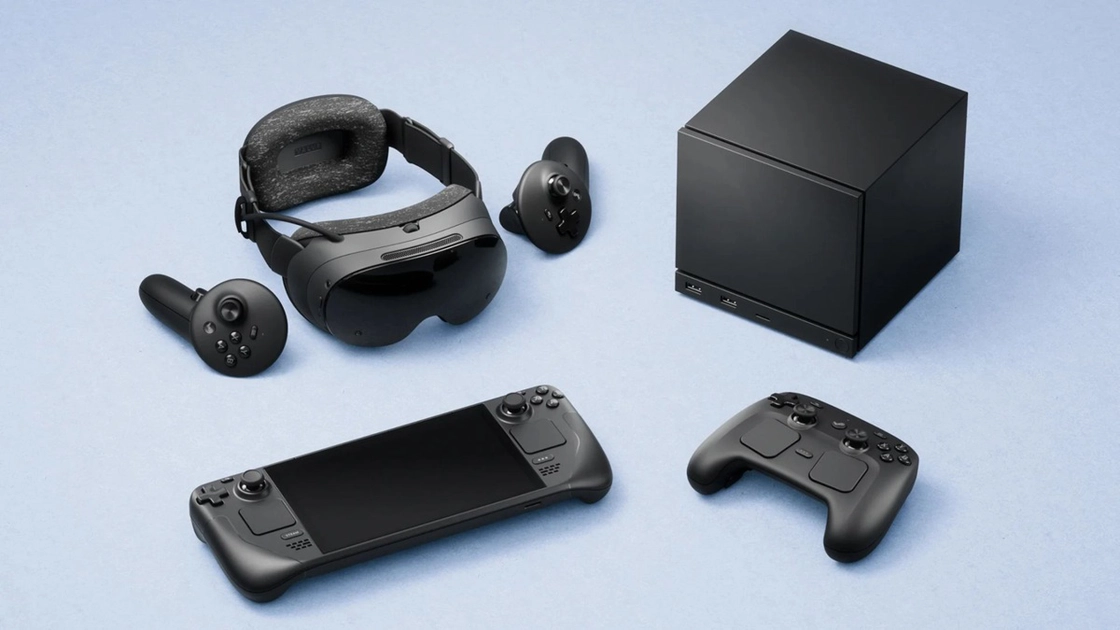
CEVA Logistics, one of the world's largest third-party logistics providers, suffered a critical cyberattack between July 29-August 1, 2026, affecting eight European contract logistics warehouses and causing immediate shipping delays and cancellations. The breach compromised sensitive customer data including names, addresses, phone numbers, email addresses, and order details for major clients including Valve (Steam hardware), bol.com (Dutch e-commerce platform), and luxury retailer De Bijenkorf. While CEVA confirmed all other global operations remained unaffected, the European disruption creates urgent logistics challenges for cross-border e-commerce sellers relying on this critical infrastructure.
For sellers using CEVA's European fulfillment network, this breach represents a dual operational crisis: immediate shipping delays affecting customer fulfillment timelines, and downstream supply chain vulnerability. The attack exposed delivery-related information for Steam customers, with hackers obtaining order details from Valve's shipment records. CEVA's cybersecurity teams activated security protocols upon discovery on August 1, but the duration of operational disruptions remains unclear—a critical unknown for sellers with inventory in affected warehouses. Sellers shipping electronics, gaming hardware, apparel, and home goods through CEVA's European hubs now face potential 2-4 week fulfillment delays, directly impacting customer satisfaction metrics and Buy Box eligibility on Amazon, eBay, and Shopify.
The breach also highlights systemic vulnerability in third-party logistics provider security, forcing sellers to reassess vendor risk management and diversify fulfillment strategies. Compromised data includes customer addresses and order details that hackers can weaponize for phishing attacks targeting both end consumers and sellers. This creates secondary risk: customers receiving fraudulent communications impersonating Steam, Valve, or delivery companies may lose trust in the entire fulfillment chain, affecting repeat purchase rates. For sellers, the incident underscores the critical importance of vendor security assessments, contractual liability clauses with 3PL providers, and geographic diversification of fulfillment capacity. Sellers should immediately audit their CEVA dependencies, activate contingency logistics arrangements with alternative providers (DHL, Geodis, Kuehne+Nagel), and communicate proactively with customers about phishing risks to maintain brand trust during the disruption window.
Immediate actions for sellers: (1) Contact CEVA directly for warehouse-specific recovery timelines and inventory status; (2) Activate backup 3PL providers for new orders to prevent further delays; (3) Redistribute high-velocity inventory from affected CEVA warehouses to alternative fulfillment centers in UK, Germany, Poland; (4) Implement customer communication protocol warning about phishing attempts; (5) Review CEVA contracts for breach liability and force majeure clauses. Strategic adjustments over 1-3 months should include shifting 30-50% of European fulfillment volume away from CEVA to diversified providers, implementing multi-warehouse fulfillment strategies to reduce single-provider dependency, and conducting security audits of all 3PL partners handling customer data. This breach will likely trigger regulatory investigations by Dutch Data Protection Authority and EU authorities, potentially resulting in GDPR fines for CEVA and stricter data handling requirements for all logistics providers—sellers should prepare for enhanced compliance documentation requirements and potential service fee increases as CEVA invests in security remediation.
Questions 7
What customer data was exposed and how should I protect my brand?
Hackers obtained customer names, addresses, phone numbers, email addresses, and order details from CEVA's systems. This data enables phishing attacks impersonating Steam, Valve, or delivery companies—customers may receive fraudulent communications requesting payment or account information. Proactively alert your customers via email and order notifications about the breach and warn them to verify communications through official channels only. Implement customer communication protocol: 'Beware of phishing attempts referencing your recent order. [Your Company] will never request passwords or payment information via email or SMS.' This protects brand trust and reduces customer service complaints during the disruption window. Monitor social media and customer reviews for phishing-related complaints and respond quickly to maintain seller ratings.
How does the CEVA Logistics cyberattack affect my European fulfillment operations?
The breach compromised eight CEVA European warehouses between July 29-August 1, 2026, causing immediate shipping delays and cancellations. If your inventory is stored in affected CEVA facilities, you face 2-4 week fulfillment delays that directly impact customer delivery times and Amazon/eBay seller metrics. Contact CEVA immediately to confirm which warehouses store your inventory and request recovery timelines. Activate backup 3PL providers (DHL, Geodis, Kuehne+Nagel) for new orders to prevent further delays while CEVA restores operations. The incident affects sellers across electronics, apparel, home goods, and gaming categories—any seller using CEVA's European contract logistics division should treat this as a critical operational risk requiring immediate contingency activation.