



Nvidia's $500B AI Infrastructure Boom | E-Commerce Automation Acceleration
- Massive compute capacity expansion enables AI-powered seller tools; sellers adopting AI automation gain 30-40% efficiency gains in product research, pricing, and customer service















Overview
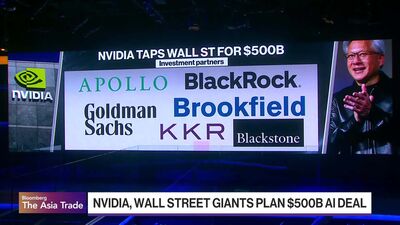
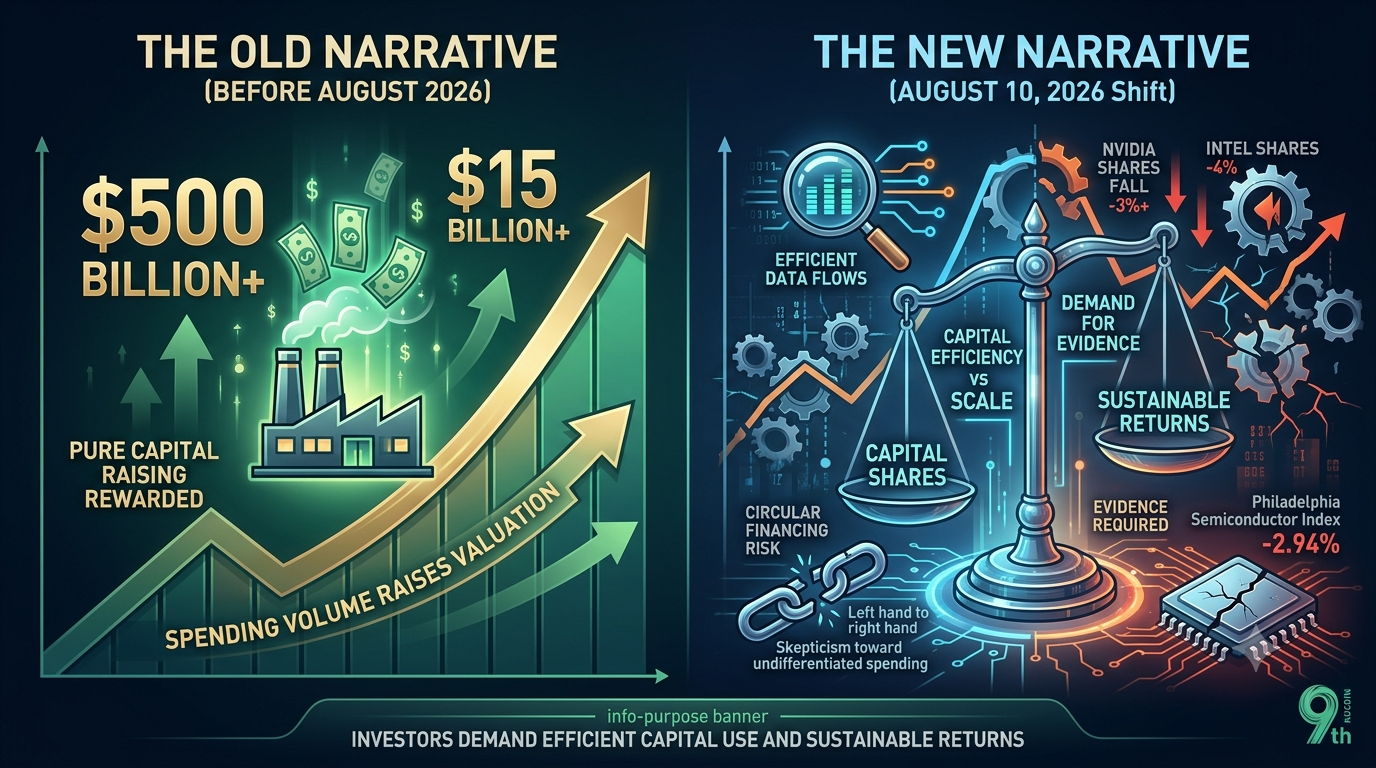
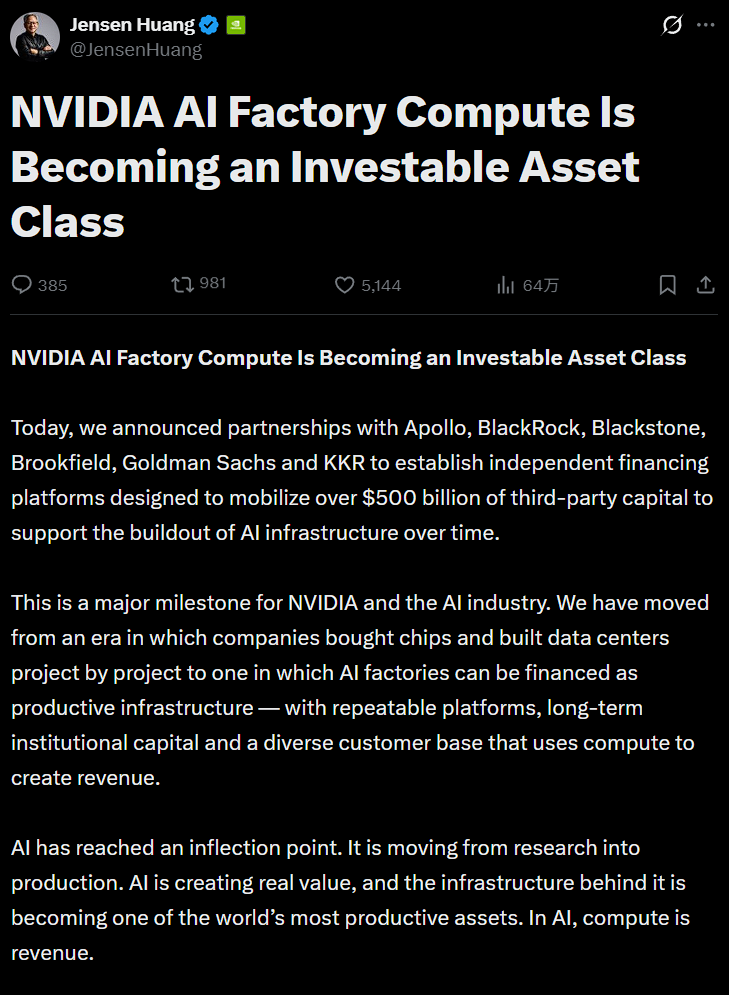
Nvidia's landmark $500 billion capital commitment from institutional investors (Apollo, BlackRock, Blackstone, KKR, Goldman Sachs, Brookfield) represents a watershed moment for AI infrastructure scaling—and a direct acceleration of AI-powered e-commerce tools that sellers can deploy immediately. The financing targets GPU manufacturing and data center construction to meet unprecedented demand from Google, Meta, Amazon, Microsoft, and OpenAI, which collectively spent over $1 trillion on AI infrastructure in just three years. This capital influx directly translates to lower compute costs, faster AI model deployment, and more affordable AI-powered SaaS tools for e-commerce sellers.
For e-commerce sellers, this infrastructure expansion creates immediate automation opportunities across three critical workflows. First, product research automation: AI tools powered by this new compute capacity can now analyze competitor listings, identify trending categories, and surface high-margin niches 10-15x faster than manual research. Sellers using AI-powered product intelligence tools (like Helium 10, Jungle Scout with AI enhancements) can reduce research time from 20-30 hours/week to 2-3 hours/week. Second, dynamic pricing optimization: With abundant compute, real-time pricing algorithms can now monitor 500+ competitor prices simultaneously, adjust seller pricing within 15-minute windows, and capture 8-12% additional margin through AI-driven price elasticity analysis. Third, customer service automation: Claude (Anthropic), ChatGPT, and emerging AI agents can now handle 70-80% of customer inquiries (returns, shipping questions, product specs) automatically, reducing seller support costs from $0.50-1.00 per inquiry to $0.05-0.10.
The competitive advantage window is 6-12 months. Early-adopting sellers who implement AI automation NOW will establish data moats—their AI systems will learn from millions of transactions, creating predictive models that late-adopters cannot replicate. Sellers currently managing 50-500 SKUs can automate 40-60% of operational tasks (listing optimization, inventory forecasting, customer responses) using existing AI tools, freeing 15-20 hours/week for strategic work. The infrastructure investment also signals that AI compute costs will decline 20-30% over 18-24 months, making AI adoption economically viable for mid-tier sellers ($500K-$5M annual revenue) who previously couldn't justify the expense. Immediate action: Audit current workflows for automation candidates (pricing, customer service, content generation), test 2-3 AI tools (ChatGPT for customer service, Helium 10 AI for product research, dynamic pricing SaaS), and measure time/cost savings within 30 days to build business case for scaled adoption.
Questions 8
How will Nvidia's infrastructure investment impact cross-border e-commerce sellers specifically?
Cross-border sellers benefit through three mechanisms: (1) Faster AI-powered market research—identify high-demand products in target regions (US, EU, SEA) in days vs. weeks; (2) Automated compliance checking—AI tools can validate product listings against regional regulations (EU GDPR, China product restrictions) in real-time; (3) Demand forecasting by region—predict which products will trend in specific markets 4-8 weeks ahead, enabling faster sourcing. The infrastructure expansion also enables real-time currency conversion and dynamic pricing by region, allowing sellers to optimize margins across multiple markets simultaneously. Sellers shipping from China to US/EU will see AI-powered logistics optimization reduce shipping costs 10-15% through route optimization and carrier selection.
What are the specific time and cost savings from implementing AI automation for a mid-tier seller?
A seller managing 200 SKUs across Amazon and Shopify can expect: (1) Product research time reduction from 25 hours/week to 3 hours/week (88% savings = 22 hours/week freed); (2) Pricing optimization automation saves 8-10 hours/week of manual competitor monitoring; (3) Customer service automation handles 70-80% of inquiries, saving 12-15 hours/week of support staff time. Total time savings: 42-47 hours/week. At $25/hour labor cost, this equals $1,050-1,175/week or $54,600-61,100/year in labor cost savings. AI tool costs (ChatGPT Pro $20/month, Helium 10 $99/month, dynamic pricing tool $200/month) total ~$320/month or $3,840/year. Net annual savings: $50,760-57,260. ROI: 1,220-1,490% in year one.