


Strait of Hormuz Closure Risk Drives Oil to $88 | Cross-Border Sellers Face 8-15% Shipping Cost Surge
- US-Iran stalemate threatens 20% of global crude trade; Brent crude rises 5% to $88/barrel; Logistics costs spike for Asia-US-EU routes within 2-4 weeks
















Overview
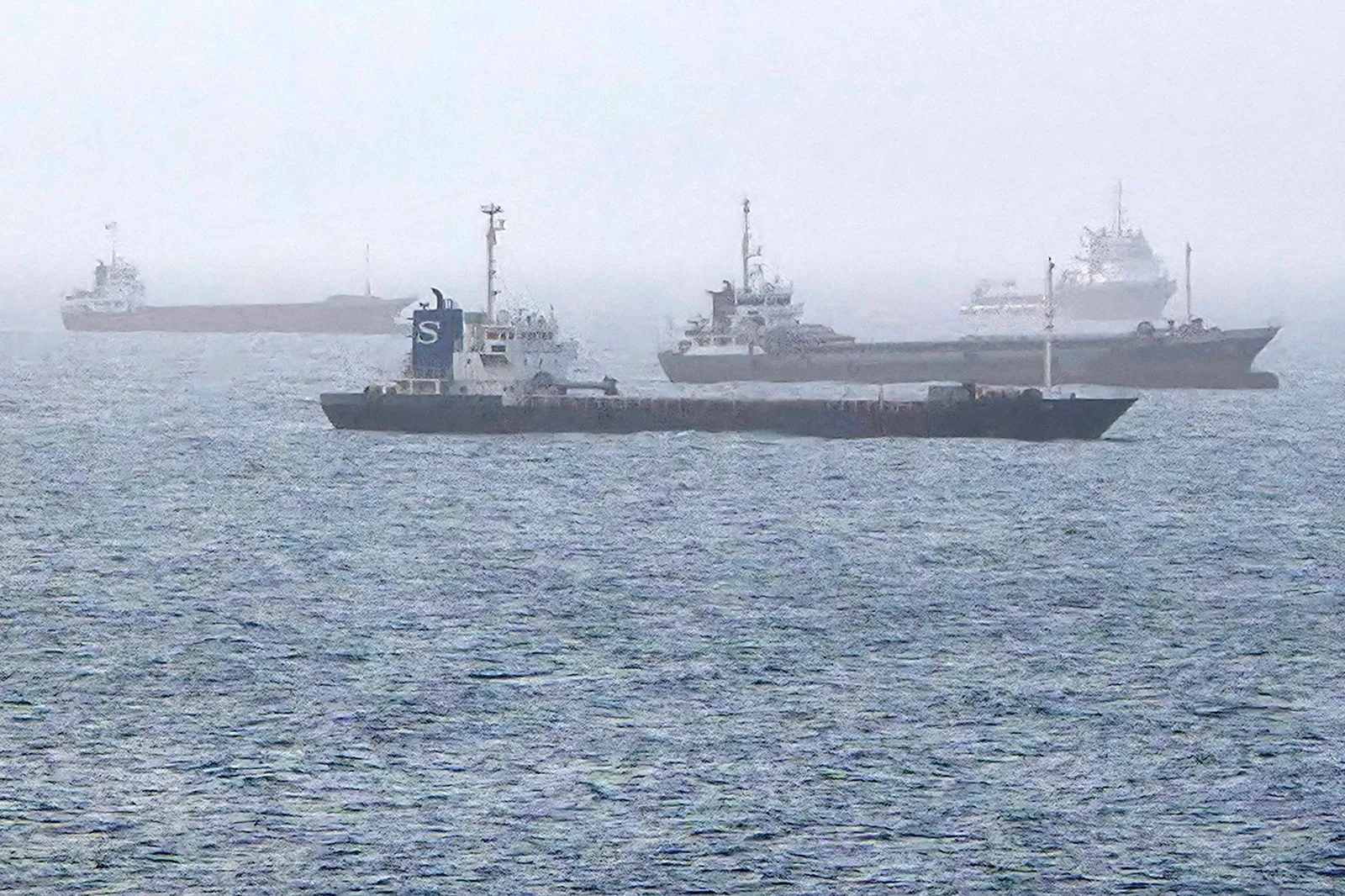
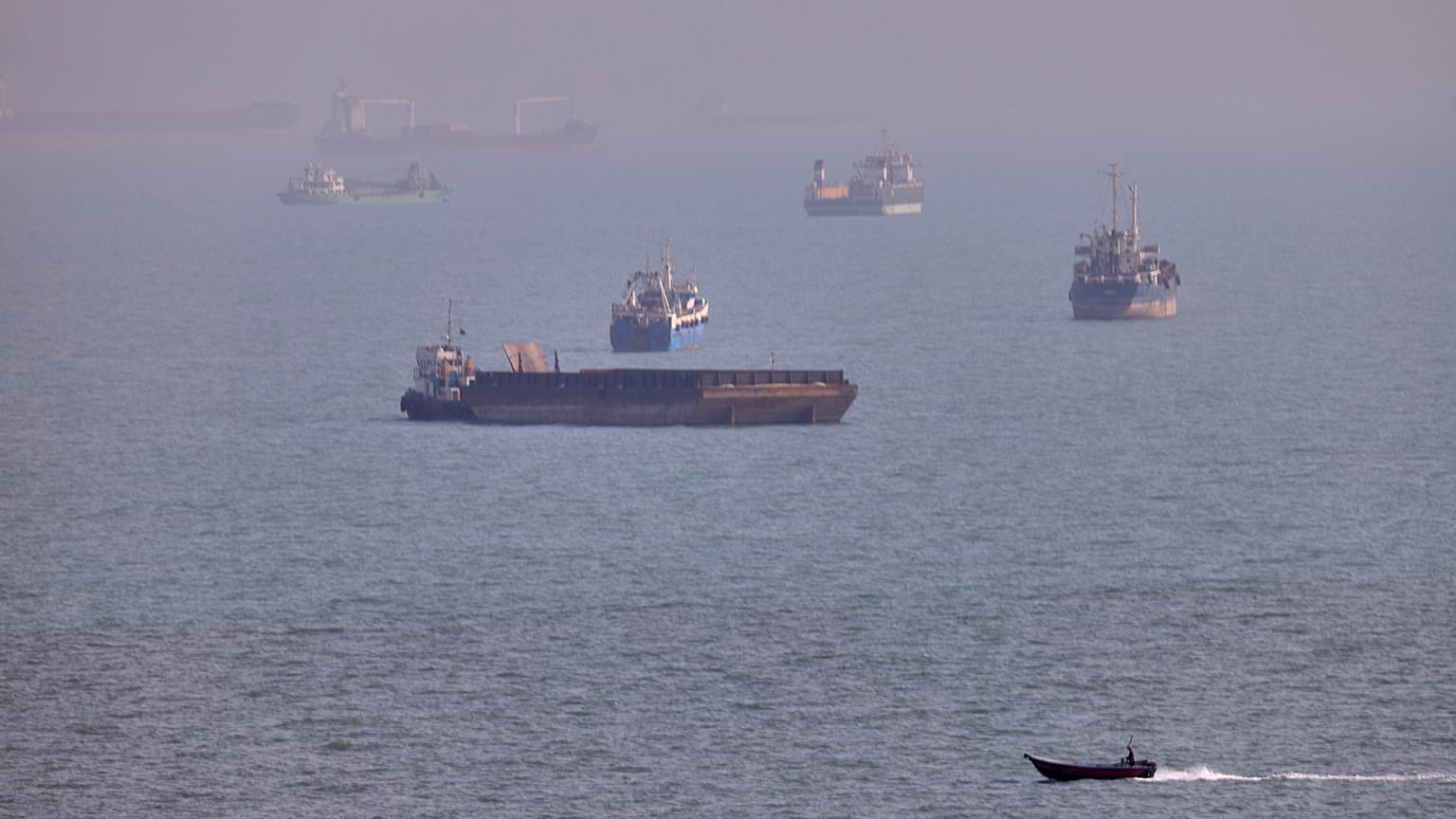
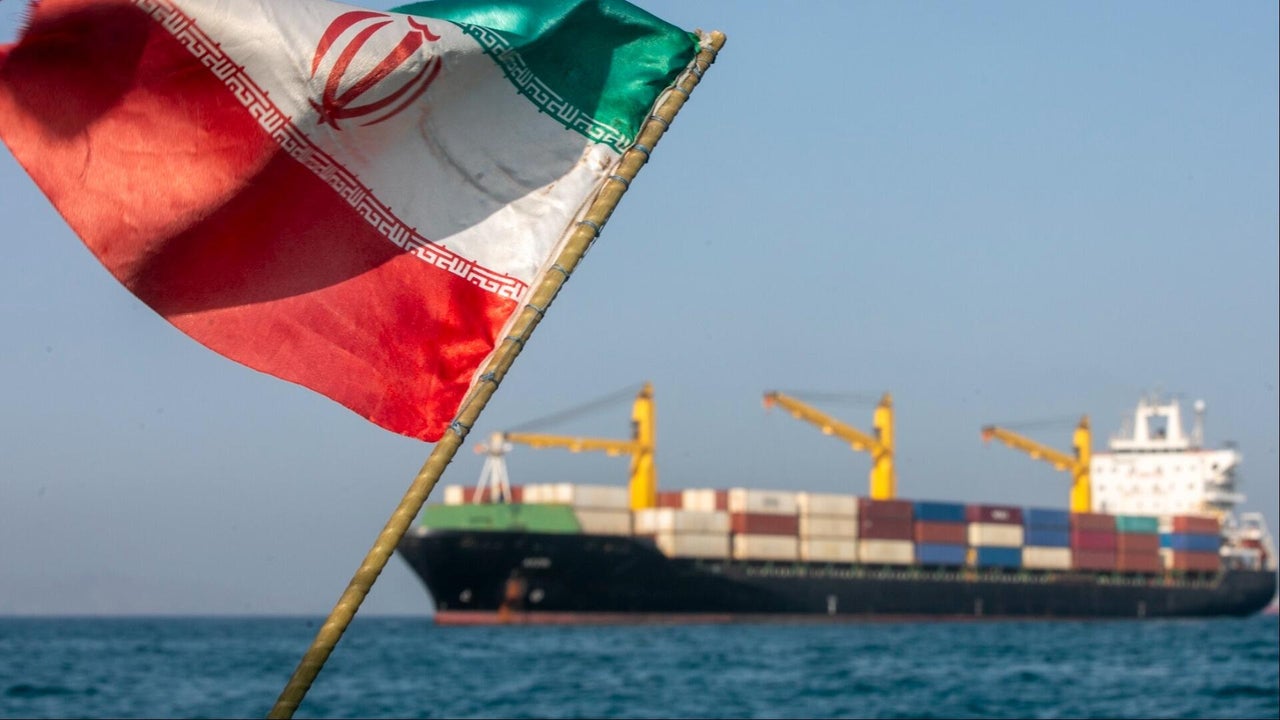
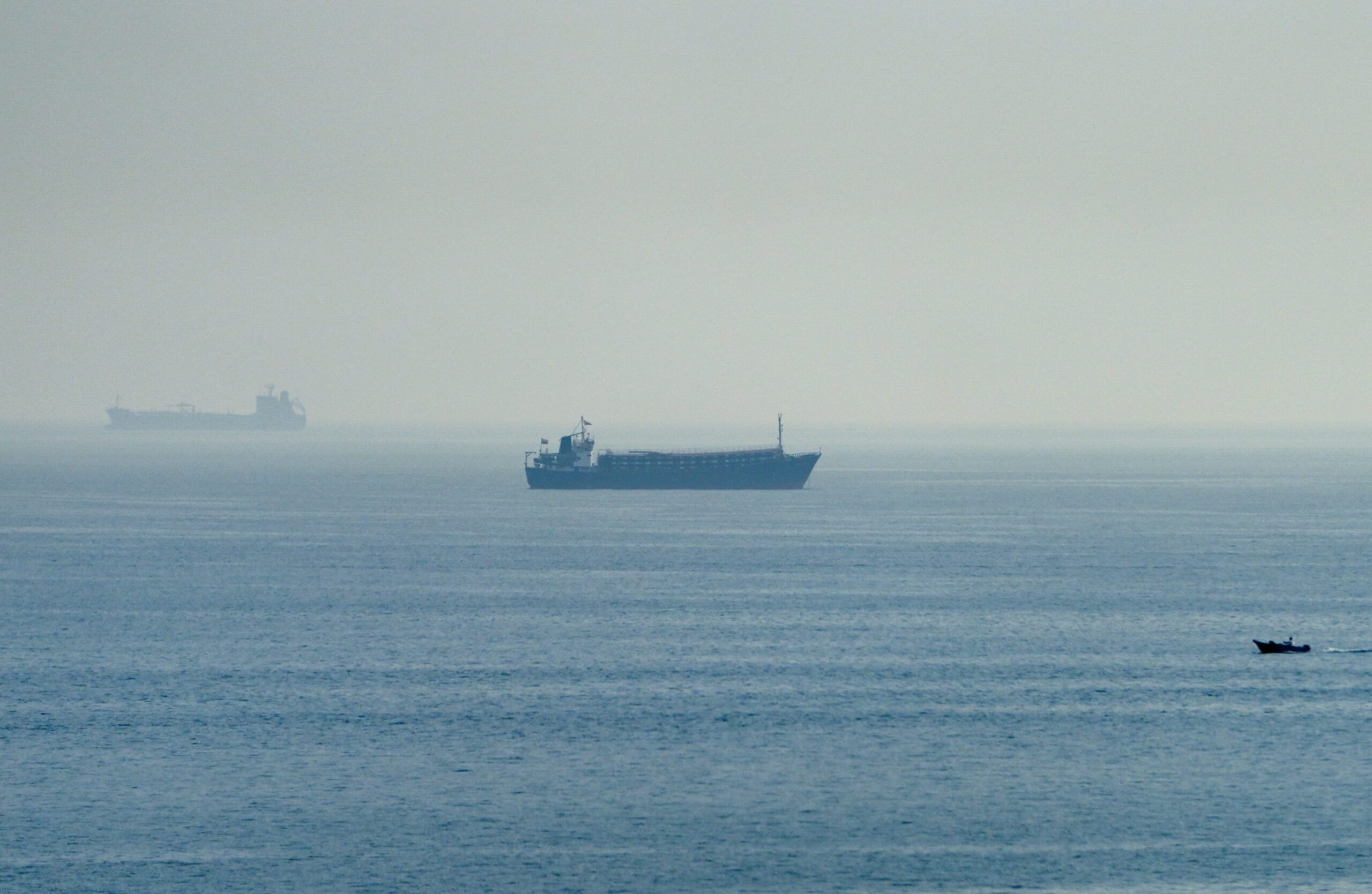
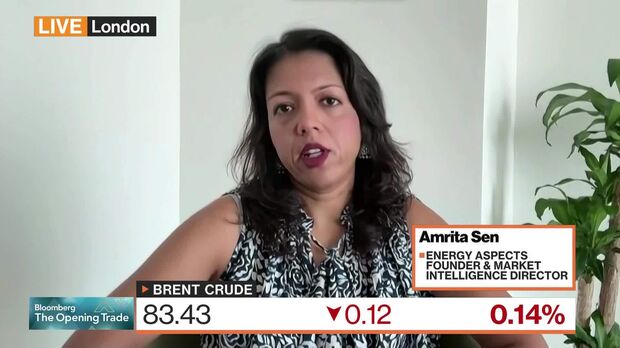
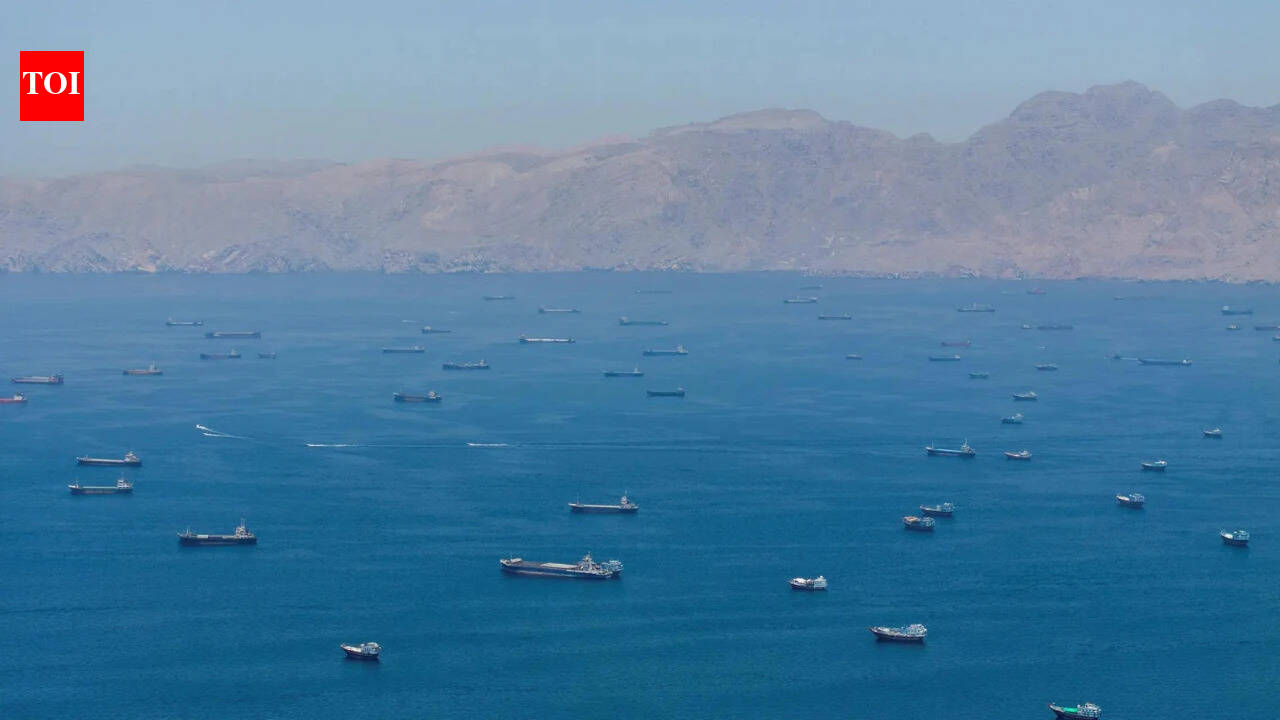
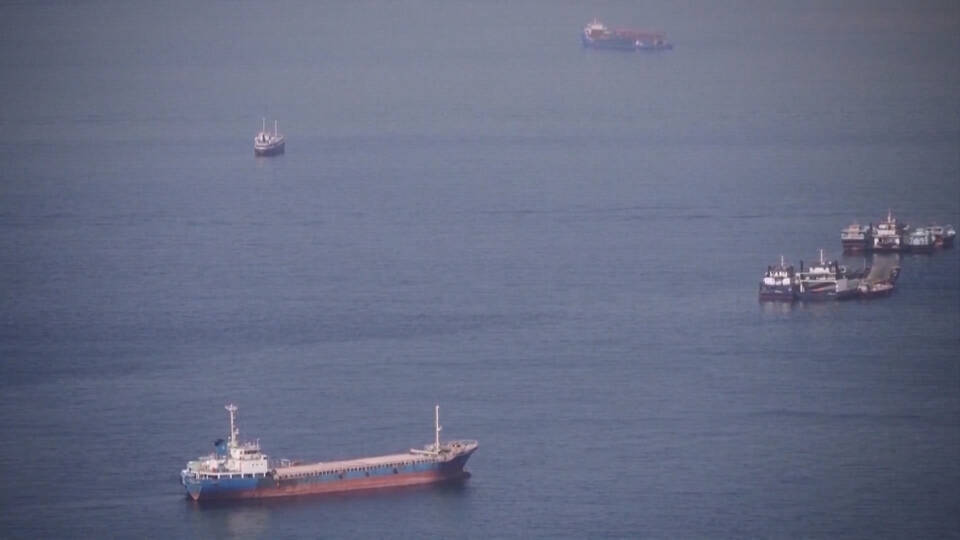
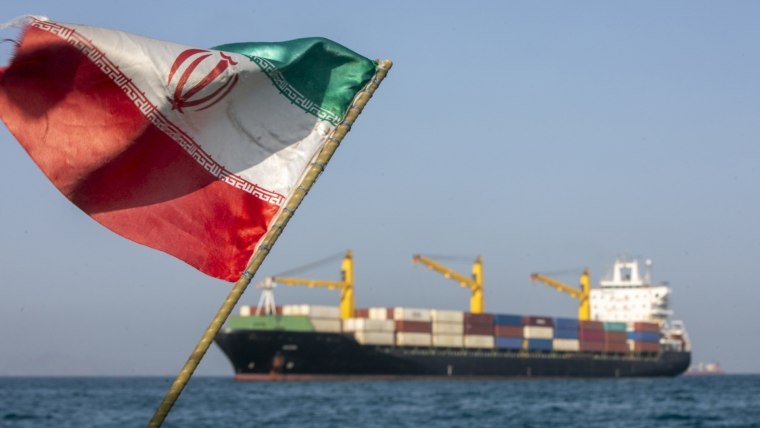
The escalating US-Iran geopolitical standoff has created a critical supply chain crisis for cross-border e-commerce sellers. With the Strait of Hormuz handling approximately one-fifth of global crude oil trade and maritime traffic declining 60% (from 15 confirmed crossings Friday to just 6 Sunday), oil prices have surged to $88.00 per barrel for Brent crude and $82.45 for US crude—the highest levels since July 31 following a 5% rally. This represents a direct cost multiplier for sellers relying on air freight and ocean shipping, which are highly fuel-dependent.
Immediate Logistics Impact: Sellers shipping from Asia (China, Vietnam, India) to US and EU markets face 8-15% shipping cost increases within 2-4 weeks. Air freight rates, already volatile, will spike first as carriers front-load fuel surcharges. Ocean freight from Southeast Asia to US West Coast (14-18 day transit) will see $200-400 per 40ft container increases. For sellers moving 500+ containers monthly, this translates to $100,000-200,000 in additional monthly costs. Small and medium sellers (SMBs) with thin 10-15% margins will face margin compression of 1-2 percentage points, forcing price increases that risk Buy Box competitiveness on Amazon and eBay.
Currency and Inflation Headwinds: The dollar gained support from rising oil prices (euro at 1.1546, sterling at 1.3512), while the Japanese yen remained under pressure at 159 per dollar. Simultaneously, the US July consumer price report (due Wednesday) is expected to show 0.1% monthly headline increase and 0.2% core increase, with Capital Economics warning of risks favoring a "hot print" that could reignite Federal Reserve rate hike expectations. This stagflation scenario—rising energy costs + potential interest rate hikes—creates a dual squeeze: higher financing costs for inventory and working capital, plus elevated shipping expenses. Sellers with FBA inventory financed through Amazon Lending or third-party lenders face higher borrowing costs if rates rise.
Strategic Sourcing Opportunities: The geopolitical risk creates arbitrage windows for sellers to shift sourcing. Vietnam, India, and Indonesia—which bypass the Strait of Hormuz via alternative routes—become more attractive sourcing destinations despite slightly higher unit costs. Sellers can negotiate 3-6 month fixed-rate shipping contracts now before rates spike further. Additionally, the uncertainty creates demand for energy-efficient products (LED lighting, solar chargers, power banks) and inflation-hedge categories (precious metals, collectibles, luxury goods) that historically outperform during stagflation periods.
Compliance and Risk Mitigation: The US Treasury Department's targeting of entities assisting Iran's financial system signals tightening sanctions enforcement. Sellers must audit supply chains to ensure no indirect Iran exposure through intermediaries or transshipment points. The conflict's sixth-month duration suggests prolonged uncertainty—expect 3-12 months of elevated shipping costs and volatility before resolution.
Questions 7
What sanctions compliance risks should I monitor given US-Iran tensions?
The US Treasury Department is actively targeting entities assisting Iran's financial system (Shahr Bank case). Sellers must audit supply chains to ensure no indirect Iran exposure through intermediaries, transshipment points, or payment processors. Specifically: (1) Verify suppliers have no Iran connections; (2) Avoid payment methods routing through sanctioned banks; (3) Check 3PL providers' shipping routes don't include Iranian ports. Violations carry $250,000+ fines and account suspension. Review your supplier agreements and 3PL contracts for Iran exclusions within 2 weeks, especially if sourcing from Middle East or using regional logistics hubs.
Which product categories benefit from the current geopolitical uncertainty and inflation?
Energy-efficient products (LED lighting, solar chargers, power banks) and inflation-hedge categories (precious metals, collectibles, luxury goods) historically outperform during stagflation. Additionally, home energy products (smart thermostats, insulation materials) see demand spikes when consumers expect rising utility costs. Sellers in these categories can capitalize on 20-30% demand increases during 3-6 month uncertainty windows. Conversely, discretionary categories (fashion, toys, home decor) typically see 10-15% demand compression. Shift PPC budgets toward energy/inflation-hedge categories and reduce spend on discretionary items to maximize ROI during this period.