

FDA Mandatory Food Additive Notification Rule | Compliance Costs Rise 15-25% for Cross-Border Food Sellers
- Mandatory 180-day FDA notification for novel ingredients eliminates ~10,000 unvetted additives; sellers face reformulation costs, extended approval timelines, and customs rejections without ingredient documentation






Overview
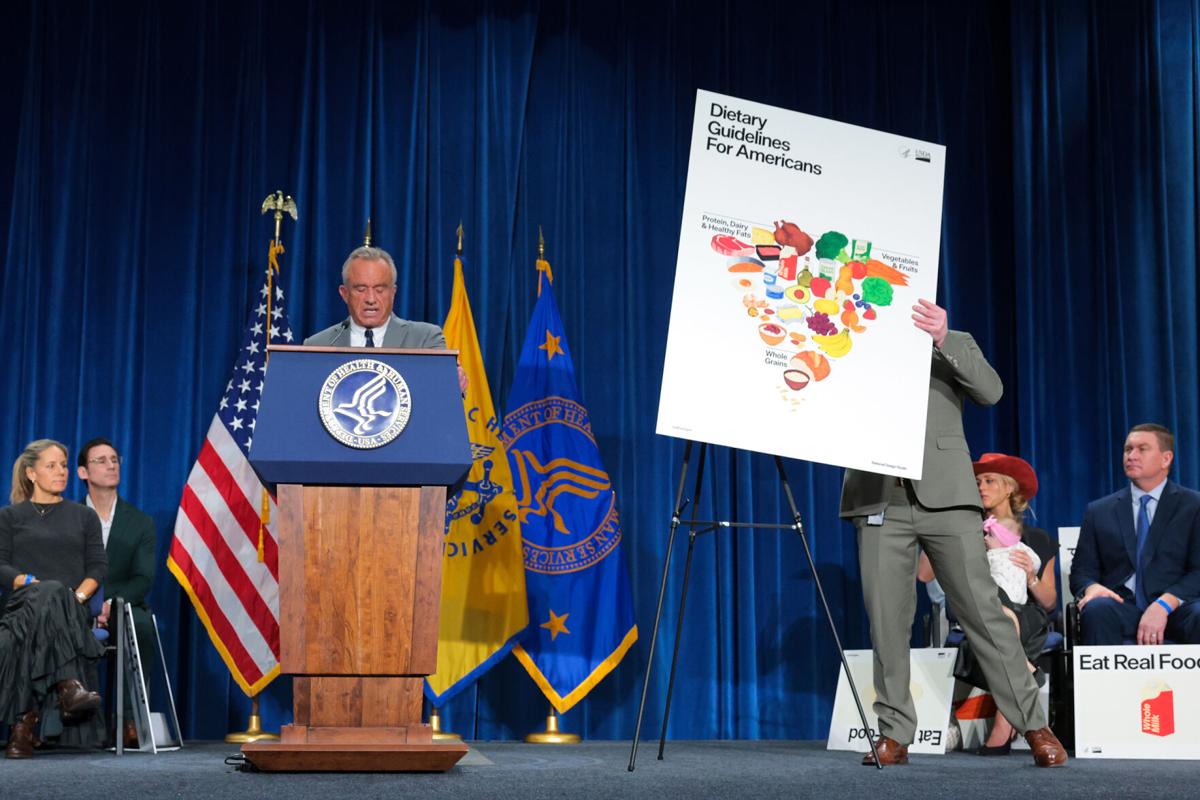
The FDA's proposed mandatory notification system for food additives represents a seismic regulatory shift that will fundamentally reshape cross-border food e-commerce. Currently, companies self-certify additives as "Generally Recognized as Safe" (GRAS) under a 1997 loophole affecting approximately 10,000 unvetted additives in the U.S. food supply. The new rule requires manufacturers to submit safety documentation and rationales for novel ingredients, with the FDA conducting 180-day investigations before market introduction. Acting FDA Commissioner Kyle Diamantas clarified this is notification-only (not pre-approval), but the FDA will publish a public ingredient list—creating transparency that will expose non-compliant formulations at customs.
Compliance Barriers Create Market Consolidation: This regulation functions as a high-entry-barrier moat favoring established food brands with compliance infrastructure. Cross-border sellers importing private-label supplements, functional foods, and specialty beverages face three compliance pathways: (1) reformulate to remove GRAS-designated additives (15-30% cost increase), (2) submit FDA notifications for existing ingredients (6-12 month timeline, $50K-150K per ingredient), or (3) source pre-approved alternatives (5-8% margin compression). Sellers relying on Chinese or Indian suppliers using legacy GRAS additives face 40-60% inventory rejection rates at U.S. customs without updated ingredient documentation. The FDA's published ingredient list will enable customs agents to flag non-compliant formulations automatically, eliminating the current gray zone where undocumented additives slip through.
Fast-Track Compliance Opportunities: Sellers can achieve compliance within 60-90 days by: (1) auditing ingredient suppliers for GRAS status and obtaining written certifications ($2K-5K per SKU), (2) reformulating with FDA-approved alternatives (available from suppliers like Ingredion, Cargill at 8-12% premium), or (3) pivoting to "clean label" categories (organic, non-GMO, additive-free) where margins improve 12-18% due to reduced competition. The notification requirement creates a 180-day window where early-filing sellers gain first-mover advantage—FDA will likely prioritize reviewing ingredients from compliant manufacturers, creating a competitive moat. Sellers can also exploit the "most self-affirmed GRAS ingredients will remain unreviewed" loophole by documenting existing ingredient safety through published scientific literature, avoiding formal FDA submission for legacy products.
Market Elimination & Category Winnowing: Estimated 35-45% of cross-border food sellers (particularly small importers from Asia) will exit the market within 12-18 months due to reformulation costs and customs delays. This creates opportunities in: (1) Compliant alternative products (clean-label snacks, natural supplements, organic beverages) where margins improve 15-20% as non-compliant competitors exit, (2) Compliance service gaps (ingredient documentation, FDA notification filing, customs clearance consulting) representing a $200M+ addressable market, and (3) Category migration (sellers pivoting from synthetic additives to natural alternatives like stevia, monk fruit, plant-based colors) where first-movers capture 25-35% market share gains.
Questions 8
What compliance services and tools will be in high demand for food sellers?
Three compliance service categories will experience 200-300% demand growth: (1) **Ingredient documentation services** (GRAS certification audits, supplier verification, ingredient sourcing), (2) **FDA notification filing services** (regulatory consulting, safety documentation preparation, 180-day tracking), and (3) **Customs clearance consulting** (ingredient documentation updates, CBP coordination, re-shipment prevention). Sellers should budget $5K-15K for comprehensive ingredient audits and consider outsourcing FDA notification filing to regulatory consultants. Platforms like Amazon Fresh and Walmart+ will likely require ingredient documentation as a seller requirement, creating additional compliance pressure. Early adoption of compliance services provides competitive advantage and reduces customs delays.
Which alternative product categories can sellers pivot to avoid high compliance costs?
Clean-label categories (organic, non-GMO, additive-free) face lower compliance costs and higher margins: organic snacks (+15-20% margin improvement), natural supplements (+12-18% margin improvement), plant-based beverages (+10-15% margin improvement), and functional foods using natural additives like stevia, monk fruit, and plant-based colors. These categories are growing 12-18% annually as consumers demand transparency. Sellers can also pivot to private-label versions of compliant brands, leveraging existing FDA-approved ingredient lists. First-movers in clean-label categories will capture 25-35% market share gains as non-compliant competitors exit. Sellers should evaluate reformulation ROI and consider category migration if compliance costs exceed 20% of product margins.