



)
Terafab Semiconductor Megafactory | Supply Chain Reshaping for AI-Powered E-Commerce Sellers
- $16.8B domestic chip production facility signals 18-24 month supply normalization; sellers sourcing AI-enabled devices face 15-25% cost reduction opportunities by 2026-2027



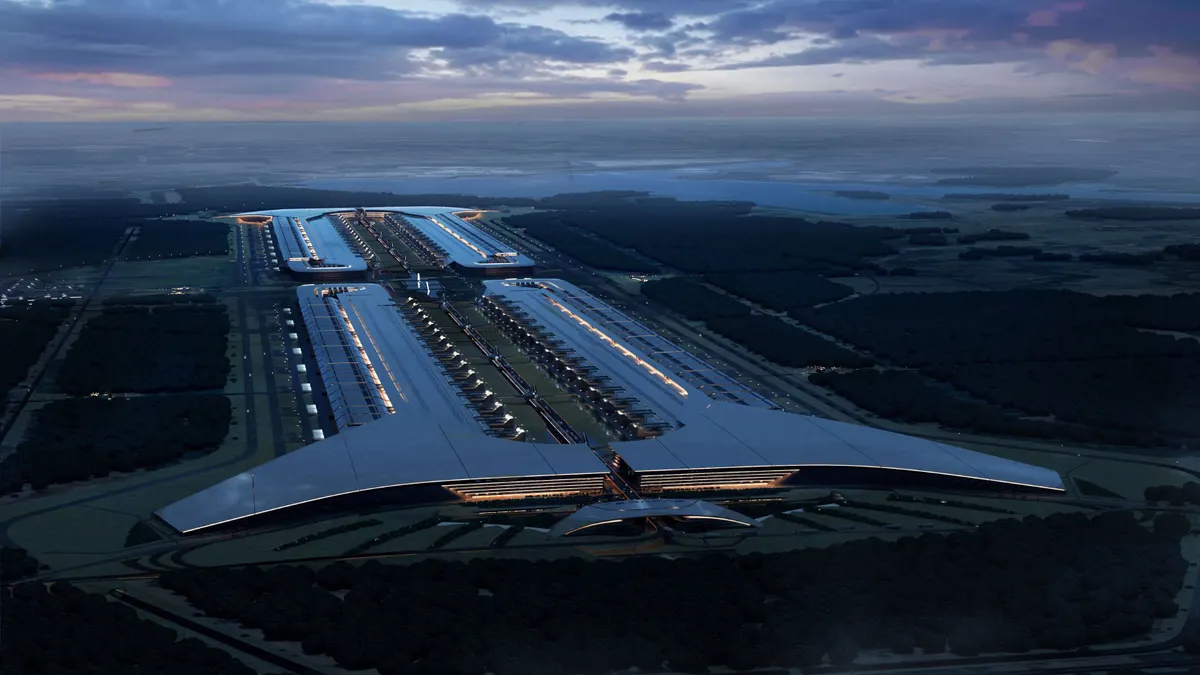
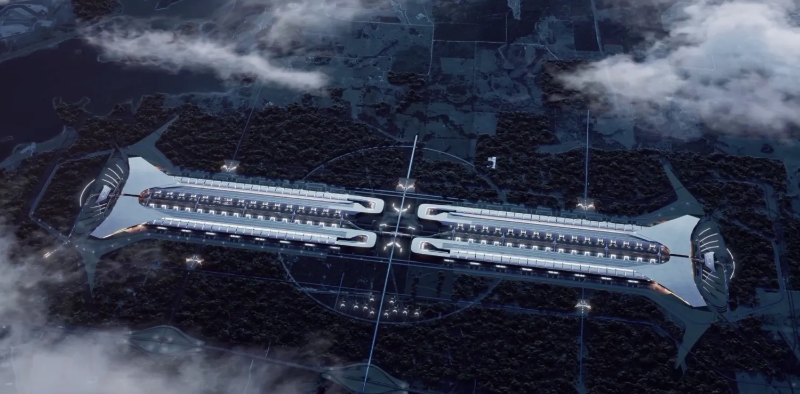
Overview
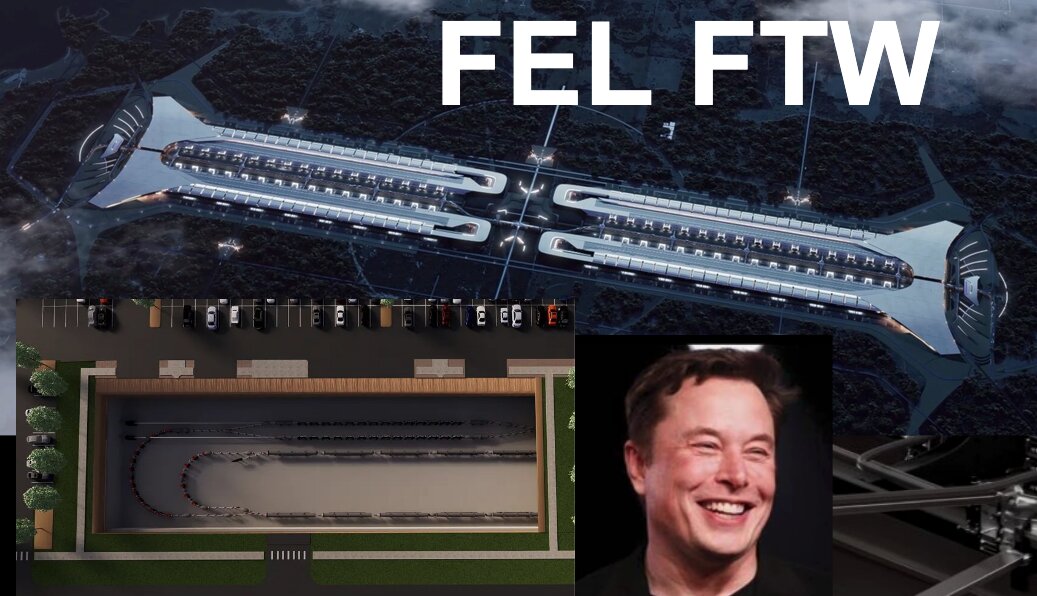
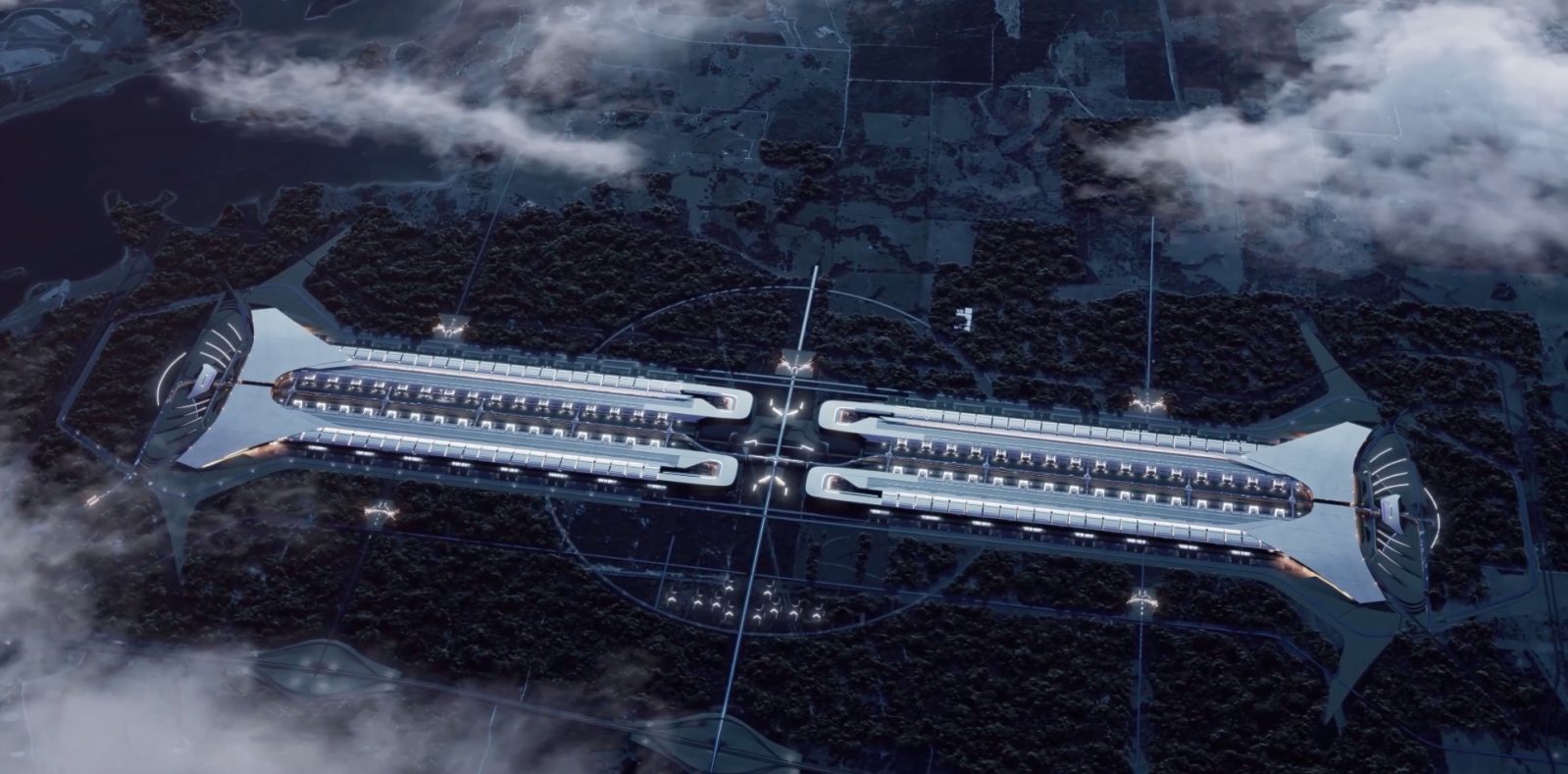
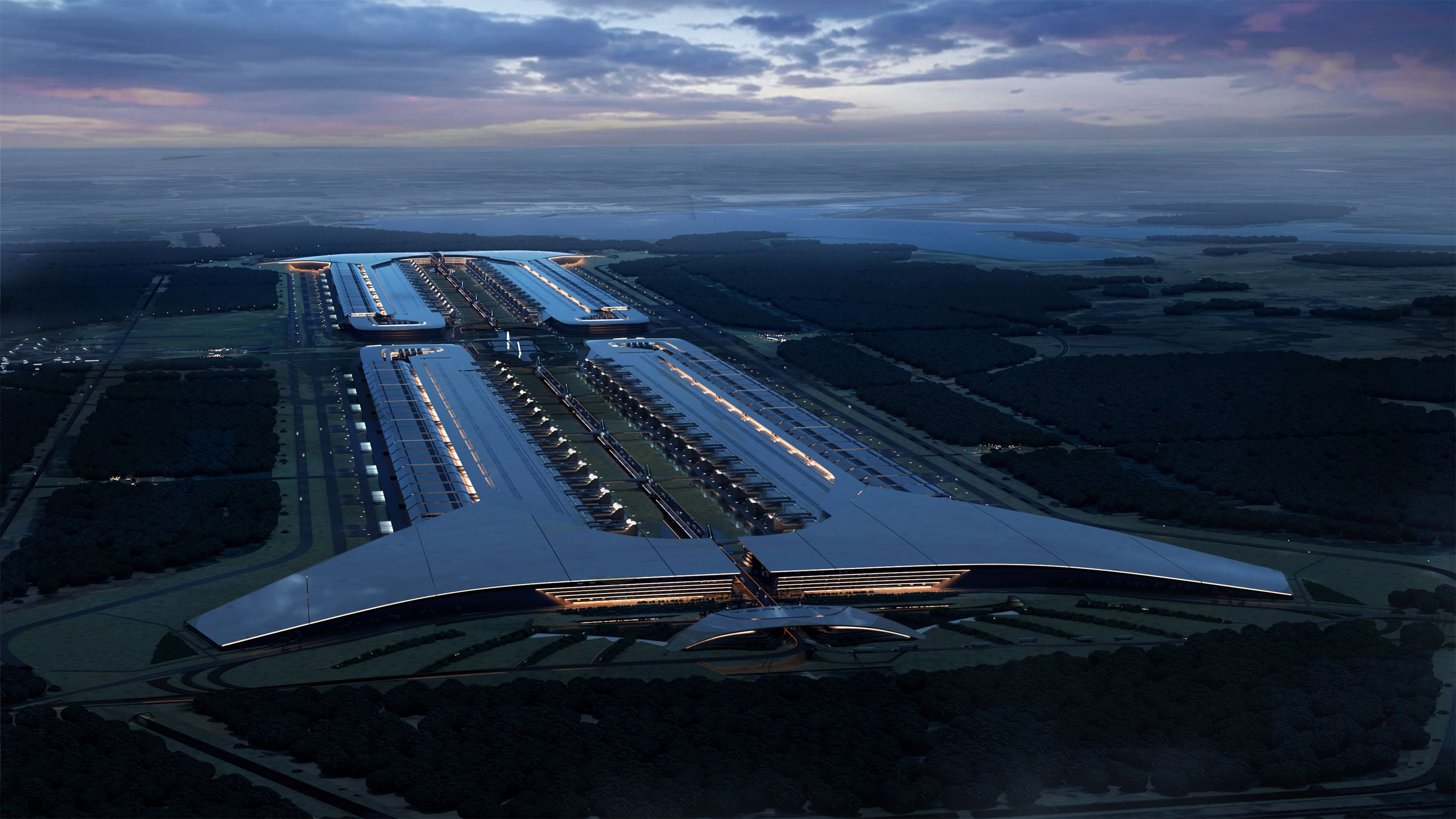
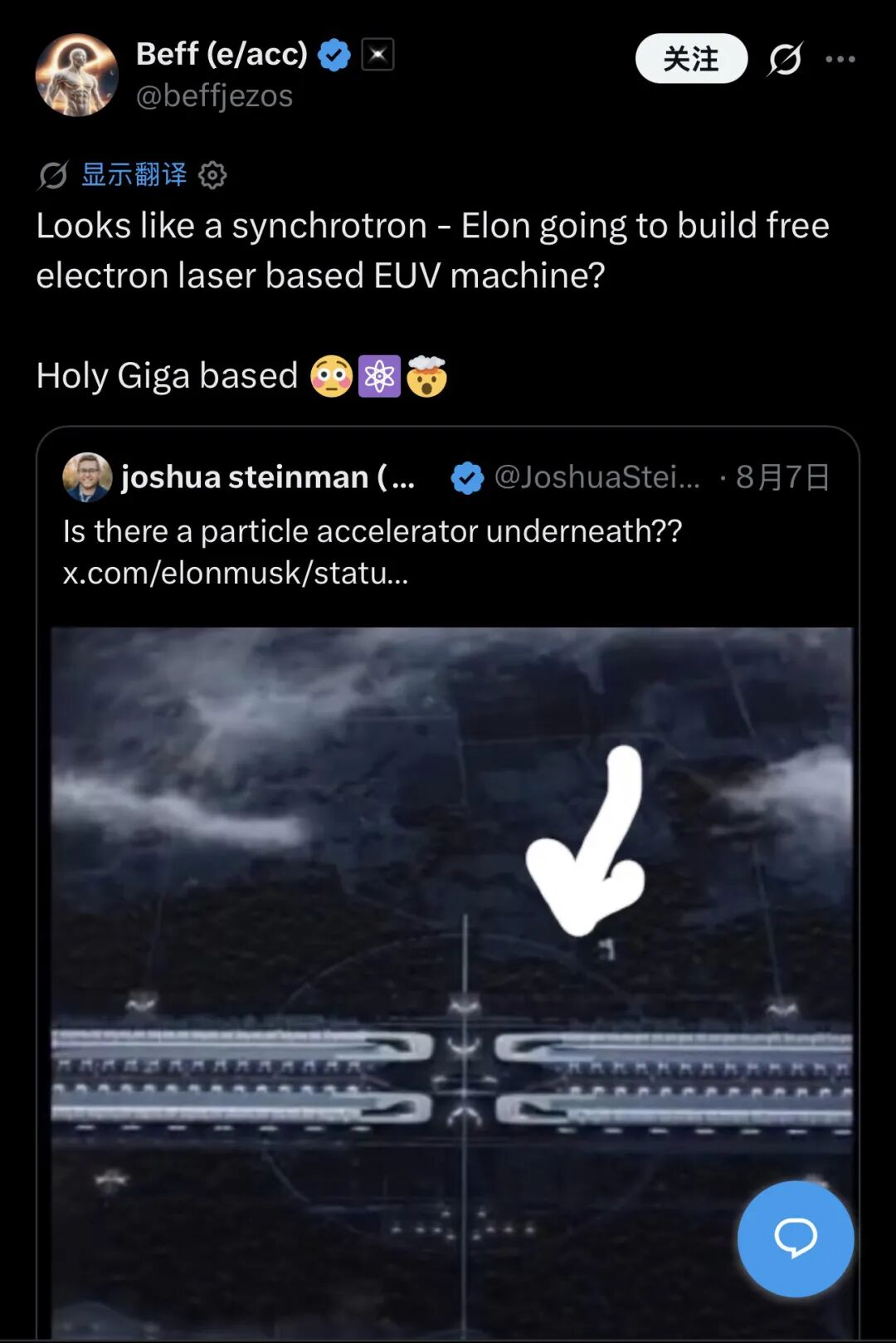
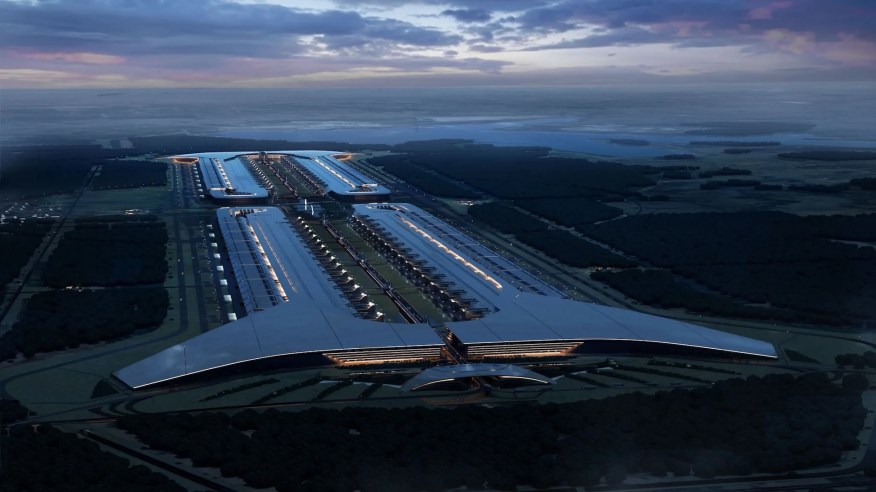
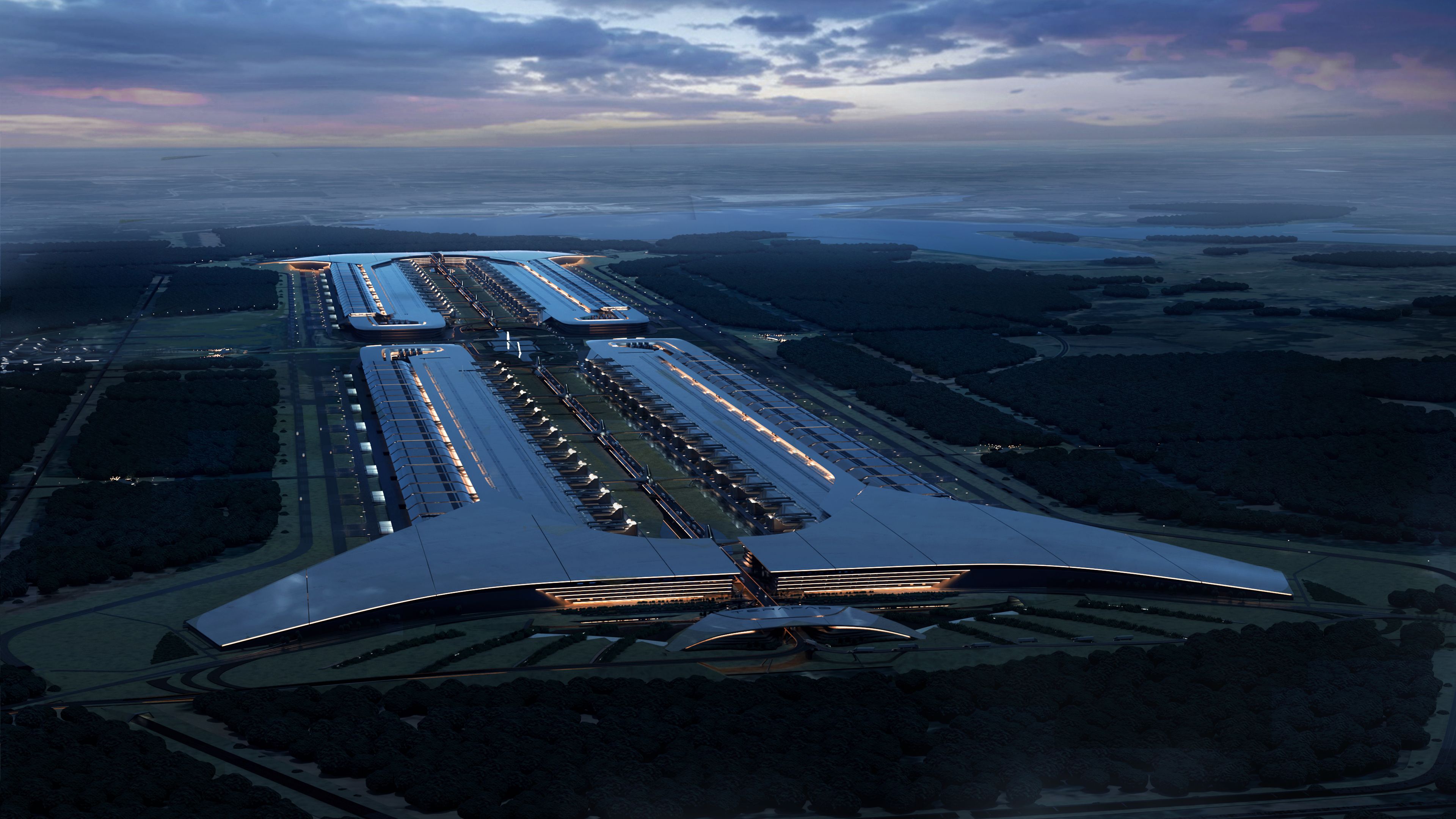
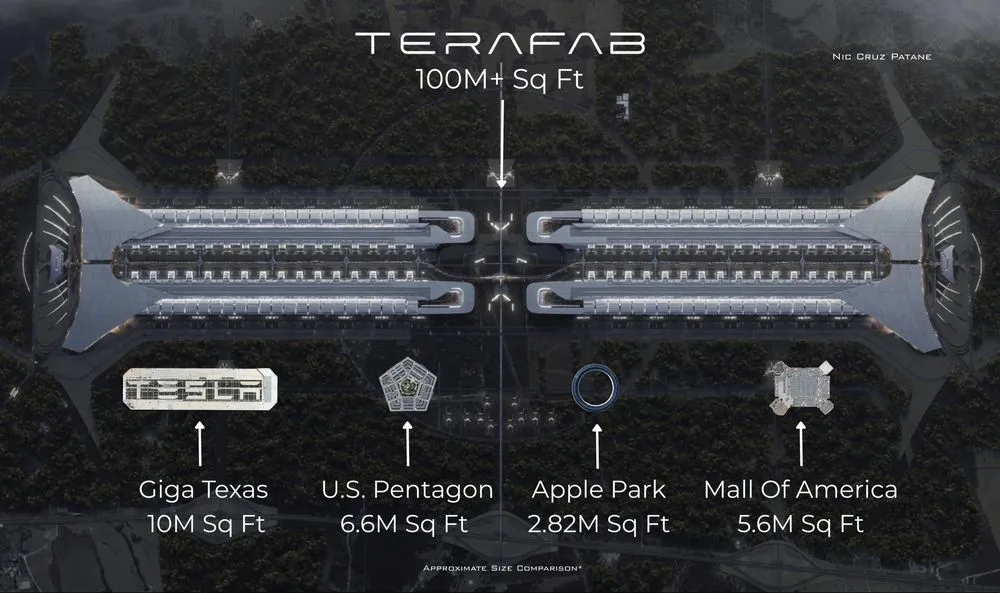
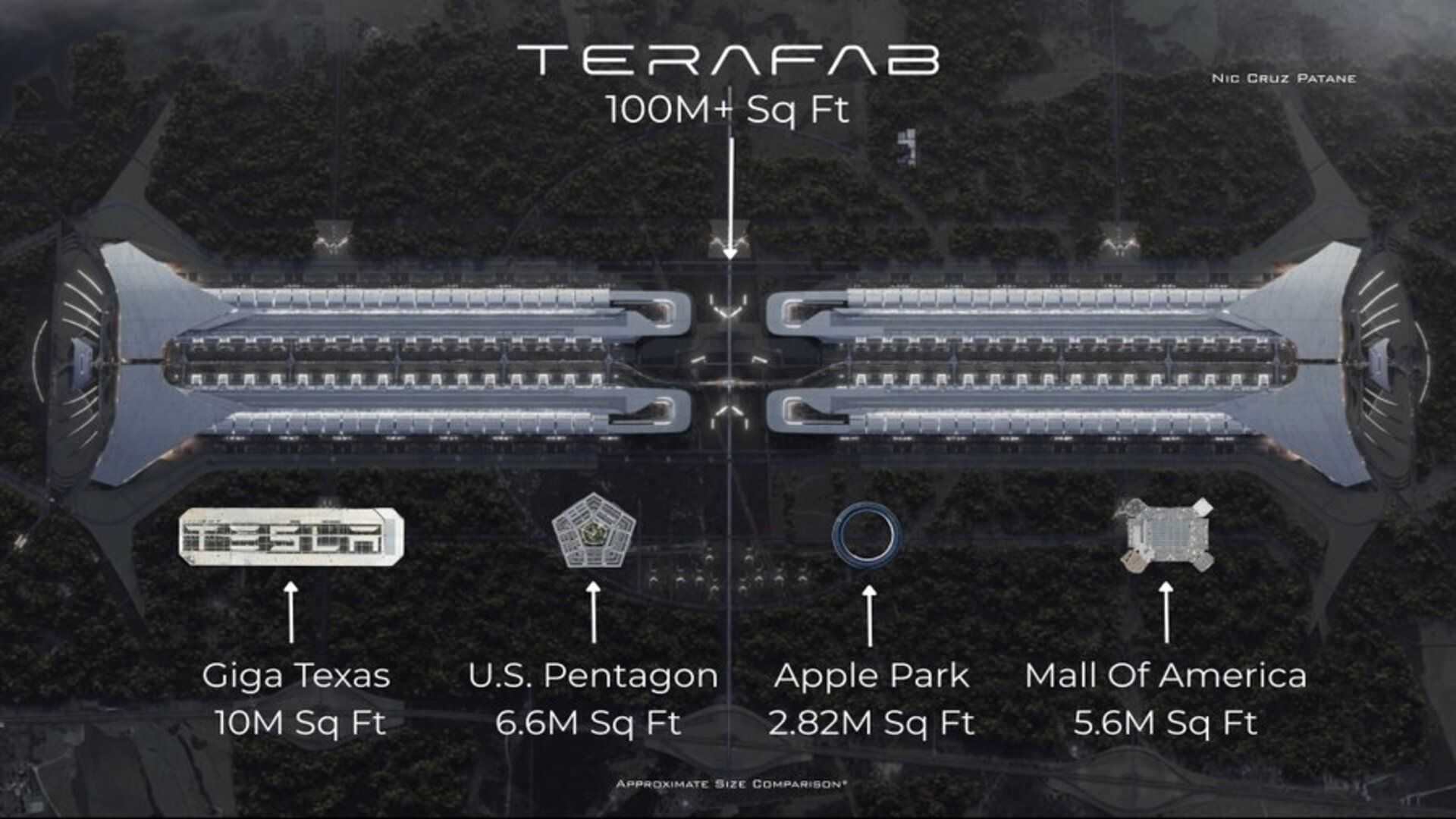
SpaceX and Tesla's announcement of Terafab—a 100-million-square-foot semiconductor manufacturing facility in Grimes County, Texas—represents the most significant domestic chip production shift in a decade, with direct implications for e-commerce sellers sourcing AI-enabled products, robotics, autonomous devices, and edge computing hardware. The $16.8 billion initial investment addresses a critical supply-demand gap: SpaceX estimates combined chip demand from both companies will exceed 1 terawatt of computing power annually, significantly larger than current global supply capacity. This megafactory will handle advanced logic, memory, and packaging operations under one roof, with operations expected to generate 3,000 jobs and begin production within 18-24 months.
For cross-border e-commerce sellers, Terafab signals a fundamental reshaping of semiconductor sourcing economics. Currently, sellers sourcing AI chips, edge processors, and autonomous vehicle components face 8-12 week lead times from Taiwan (TSMC), South Korea (Samsung), and China-based fabs, with freight costs averaging $2.50-4.20/kg via air freight and 6-8 week ocean freight delays. Terafab's domestic production will compress lead times to 4-6 weeks (Texas-to-US warehouse), reduce air freight dependency by 40-60%, and lower total landed costs by 15-25% for US-based sellers by 2026-2027. The facility's focus on Tesla Optimus robots, Cybercabs autonomous vehicles, and space-based data center chips creates immediate sourcing opportunities in robotics, autonomous mobility, and AI infrastructure categories—segments projected to grow 35-45% annually through 2027.
Supply chain localization trends accelerate inventory strategy shifts. The project reflects broader industry concerns about semiconductor supply chain resilience and capacity constraints, particularly for companies with substantial computational requirements. Texas's $30 million Texas Enterprise Fund grant and JETI tax incentive program (48% property tax freeze for 10 years) position the state as a manufacturing hub, attracting ancillary suppliers and logistics providers. Sellers should anticipate: (1) 12-18 month transition period with continued reliance on Asian fabs; (2) gradual price compression starting Q3 2026 as Terafab ramps production; (3) inventory repositioning opportunities—stock 3-4 months of current-generation chips before Q2 2025 to avoid price volatility; (4) warehouse consolidation toward Texas-based 3PL facilities to capture 2-3 day delivery windows to major US markets. The facility's vertical integration model (logic + memory + packaging) eliminates traditional supply chain intermediaries, creating opportunities for direct sourcing relationships with Terafab-qualified suppliers by 2026.
Questions 7
How does Terafab's vertical integration model change supplier relationships?
Terafab's combined logic, memory, and packaging operations eliminate traditional supply chain intermediaries, enabling direct sourcing relationships by 2026. This reduces per-unit costs by 8-12% compared to current multi-supplier models. Sellers should prepare for direct qualification processes (likely Q4 2025-Q1 2026) requiring minimum order commitments of 50,000-100,000 units quarterly. The facility's focus on Tesla and SpaceX applications suggests priority for robotics, autonomous, and AI infrastructure categories. Establish relationships with Terafab-authorized distributors by Q2 2025 to secure allocation priority.
What are the risks if Terafab delays production or fails to meet capacity targets?
Terafab's $16.8 billion investment and Texas government backing ($30 million grant + JETI incentives) reduce execution risk, but semiconductor manufacturing historically faces 6-12 month delays. Contingency planning: maintain 2-3 month Asian fab supplier relationships through 2027, avoid over-committing to Terafab-exclusive sourcing before Q2 2026 production proof, and diversify across 2-3 Terafab-qualified suppliers. If delays occur, Asian fab prices may spike 10-15% due to demand surge; sellers should lock in 6-month pricing agreements with current suppliers by Q1 2025.