

Produce Supply Chain Crisis: 345 Salmonella Cases Trigger Massive Recalls | Seller Sourcing & Inventory Urgency
- 345 confirmed salmonella cases across 27 states; dual recalls affecting 16+ products at Walmart, Target, Trader Joe's; cyclospora outbreak adds 6,300+ cases; immediate sourcing diversification required for food/prepared meal sellers





Overview
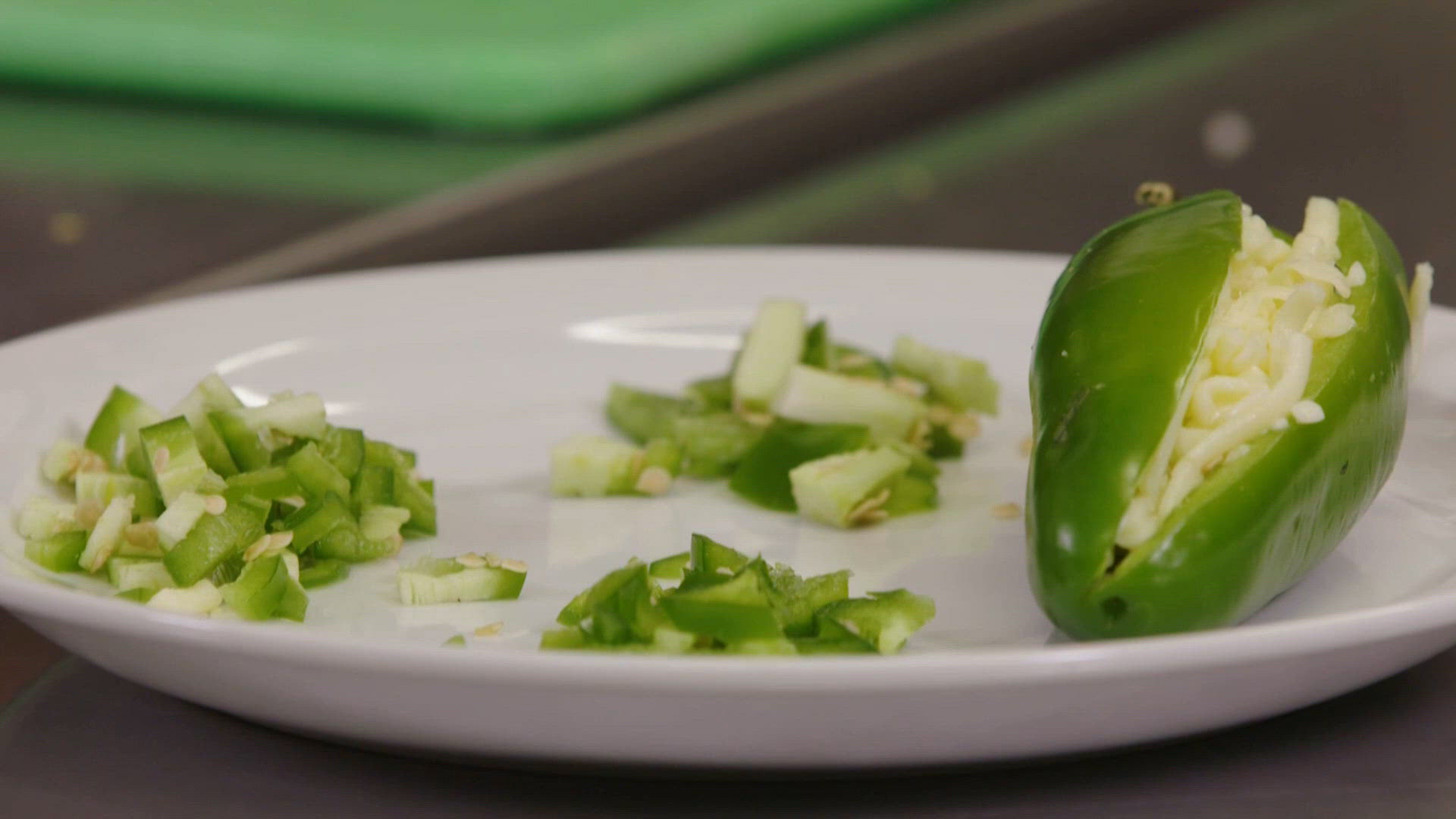
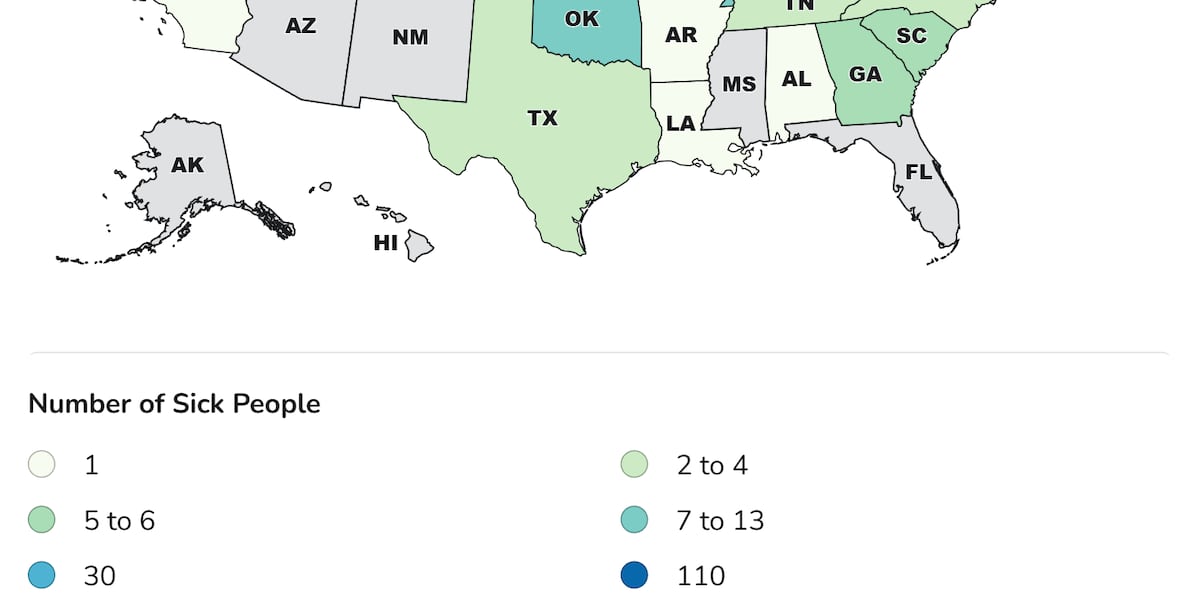
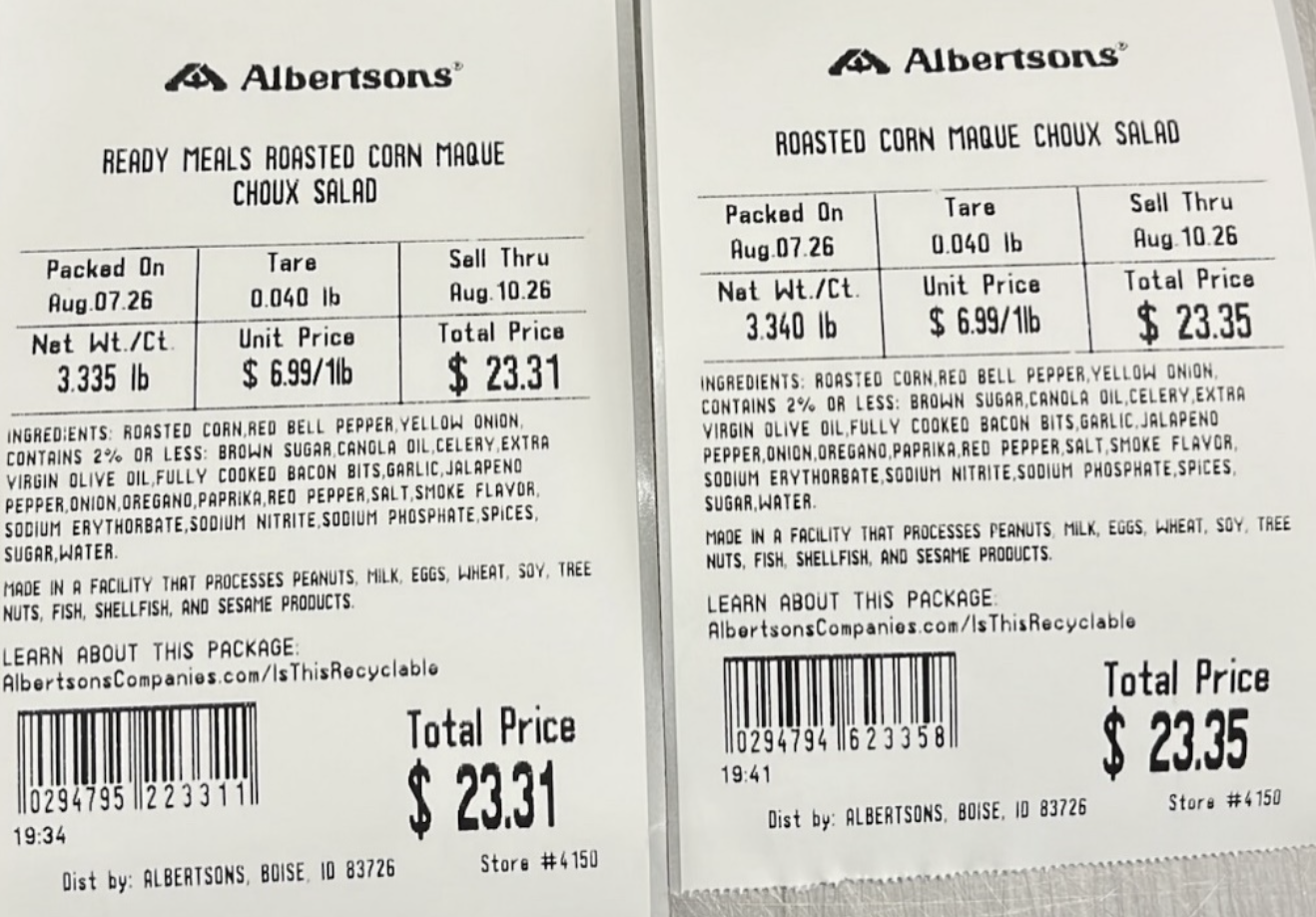
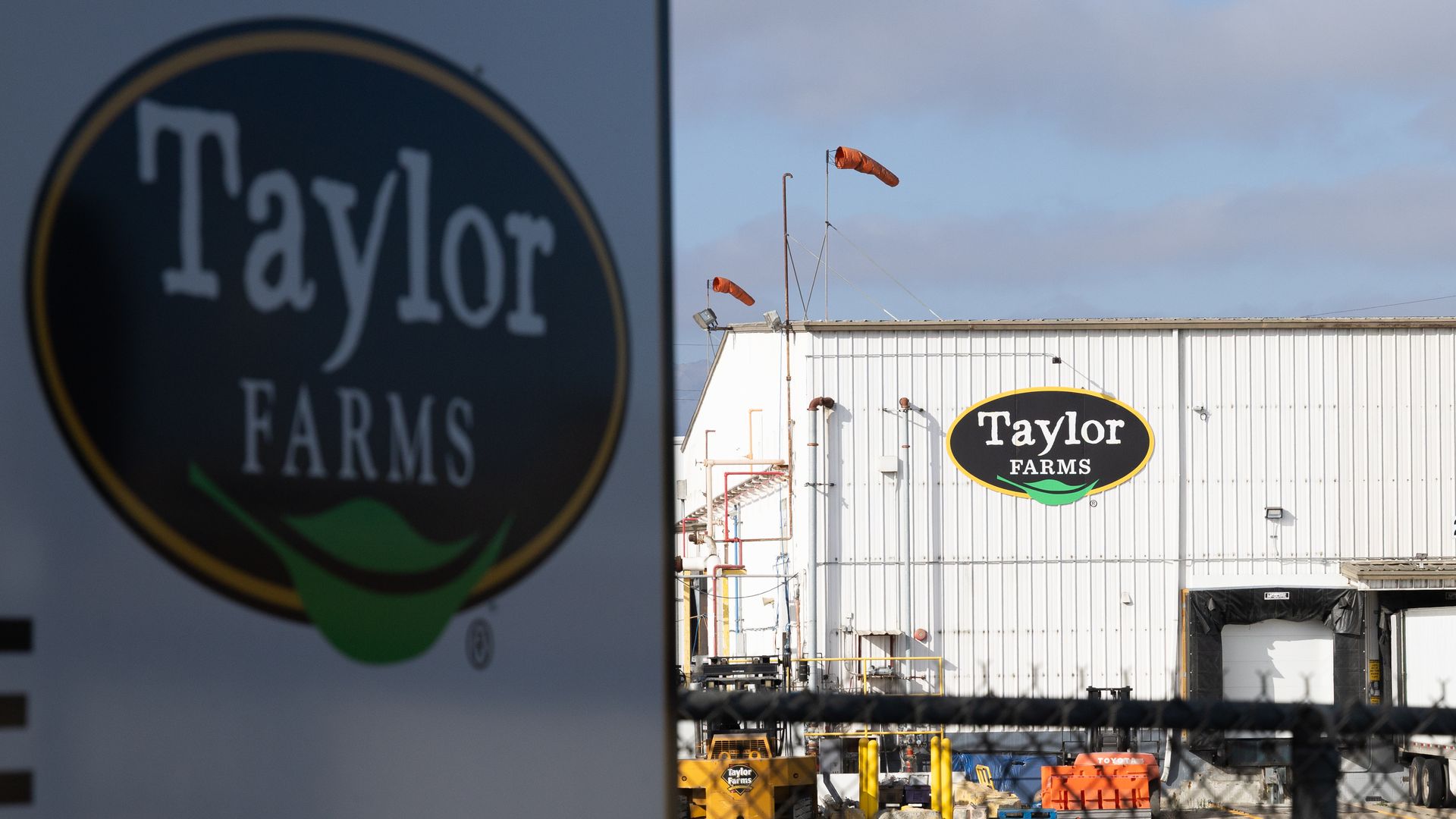
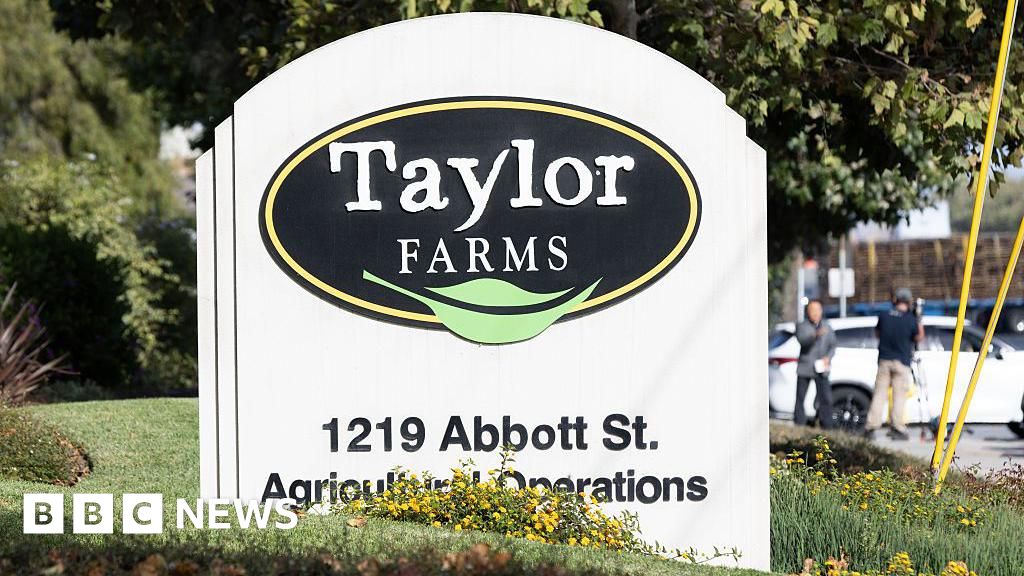
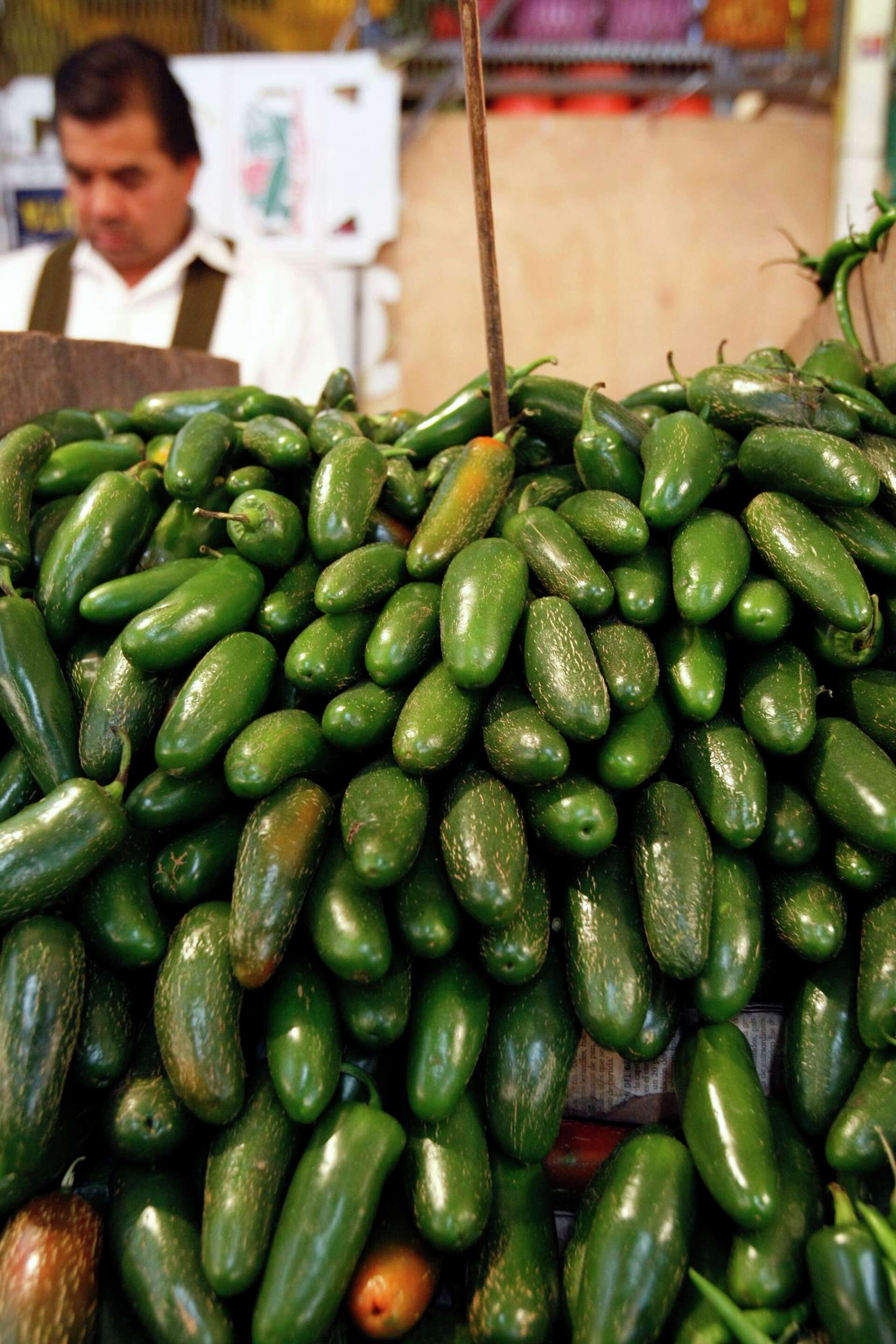
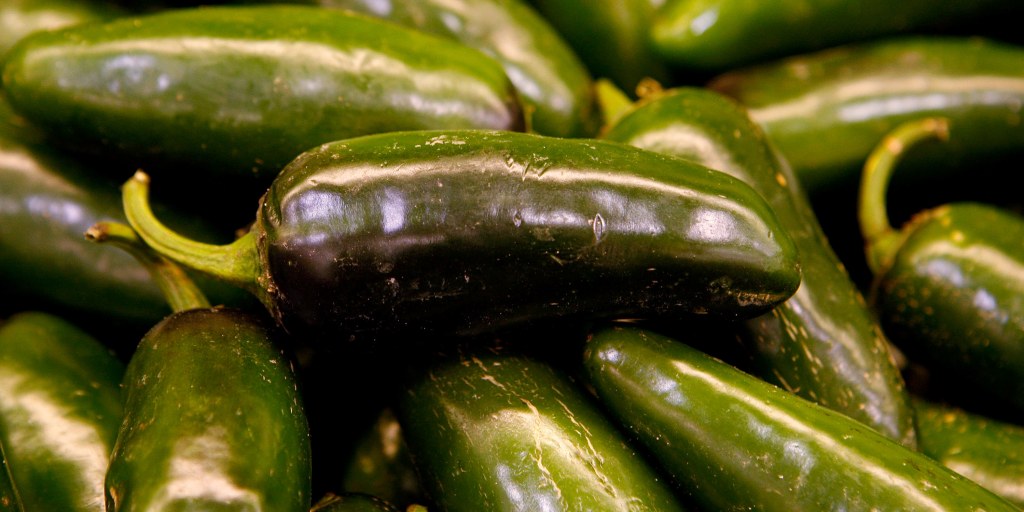
The Taylor Farms food safety crisis represents an unprecedented supply chain disruption affecting cross-border e-commerce sellers in fresh produce, prepared foods, and specialty ingredients. As of August 2026, the FDA confirmed 345 salmonella cases (36 hospitalizations) linked to jalapeños distributed by Coast Citrus Distributors and supplied by Taylor Farms—a $7 billion revenue company with 30 processing facilities serving Walmart, Target, Kroger, Trader Joe's, Whole Foods, and major restaurant chains. Simultaneously, Taylor Farms faces a separate cyclospora outbreak connected to iceberg lettuce with 6,300+ cases across 47 states and 2 confirmed deaths, plus a 2024 E. coli incident involving slivered onions supplied to McDonald's. The company has a documented history of recalls dating back to 2013, including 2025 undeclared ingredient incidents and listeria/allergen contamination.
For cross-border e-commerce sellers, this crisis creates immediate logistics and sourcing imperatives. Sellers sourcing jalapeños, lettuce, onions, or prepared foods containing these ingredients from Taylor Farms or Coast Citrus Distributors face inventory liquidation pressure and customer liability exposure. The recall affects 16 Taylor Farms products with best-if-used-by dates through August 16, 2026, distributed across 25 states (Alabama, Florida, Illinois, New York, Ohio, Texas, and 20+ others). Retailers have removed contaminated items from shelves, creating sudden supply gaps in dips, salsas, guacamole, and prepared meal categories. The FDA's Food Safety Modernization Act (FSMA) enforcement is tightening traceability requirements, meaning sellers must now maintain comprehensive documentation of product sourcing, batch numbers, and distribution channels—or face compliance penalties and delisting.
Immediate sourcing shifts are critical. Sellers should pivot from Taylor Farms/Coast Citrus suppliers to alternative regional producers: California-based produce suppliers (Dole, Fresh Express, Apio) for lettuce and peppers; Mexican suppliers from Jalisco or Guanajuato (not Sinaloa, the contamination source) for jalapeños; and domestic onion suppliers from Idaho, Oregon, or Washington. Lead times for alternative sourcing are 2-4 weeks for fresh produce, 4-6 weeks for prepared foods. Inventory actions: Immediately liquidate any Taylor Farms-sourced inventory with batch codes linked to Coast Citrus; stock 6-8 weeks of alternative-sourced produce in US warehouses before September 2026 to avoid supply gaps; redistribute existing inventory away from high-risk states (Michigan, where cyclospora cases peaked). Warehouse positioning should prioritize regional fulfillment centers in low-outbreak areas (West Coast, Mountain West) while avoiding Midwest consolidation hubs until FDA clearance. Total landed cost impact: expect 8-15% price increases from alternative suppliers due to supply tightness, plus 2-3% additional compliance documentation costs (traceability systems, batch tracking software).
Regulatory and reputational risks are severe. The FDA proposed a $33 million increase for food safety activities in FY 2027, signaling intensified inspection frequency. Sellers handling perishable goods must establish rapid recall procedures, maintain updated supplier contact information, and implement third-party food safety audits (SQF, BRC certification). Failure to comply with FSMA traceability requirements can result in product delisting from Amazon, Walmart, and other major platforms, plus potential FDA warning letters. The broader market context shows consumer trust in produce is eroding—searches for "food safety recalls" increased 340% in August 2026—creating demand for certified, traceable alternatives and premium positioning opportunities for sellers offering verified-safe, locally-sourced produce.
Questions 8
Which alternative produce suppliers should sellers source from to replace Taylor Farms?
For lettuce and peppers, prioritize California-based suppliers: Dole, Fresh Express, Apio, and Driscoll's. For jalapeños, source from Mexican suppliers in Jalisco or Guanajuato (avoid Sinaloa, the contamination source). For onions, use domestic suppliers from Idaho, Oregon, or Washington. Lead times vary: 2-4 weeks for fresh produce, 4-6 weeks for prepared foods. Verify suppliers have SQF or BRC food safety certification and maintain batch-level traceability documentation. Total landed cost will increase 8-15% due to supply tightness, but compliance with FSMA requirements is non-negotiable for platform eligibility.
What FSMA compliance requirements must sellers implement immediately?
Under the Food Safety Modernization Act, sellers handling perishable goods must: (1) Maintain comprehensive traceability systems documenting product sourcing, batch numbers, and distribution channels; (2) Establish rapid recall procedures with supplier contact information; (3) Implement third-party food safety audits (SQF, BRC certification); (4) Document all supplier verification and quality assurance activities. The FDA proposed a $33 million increase for food safety activities in FY 2027, signaling intensified inspection frequency. Non-compliance can result in FDA warning letters, product delisting, and potential legal liability. Sellers should invest in batch tracking software (FoodLogiq, TraceLink) and conduct supplier audits within 30 days.