


Strait of Hormuz Closure Drives Oil to $88/bbl | Cross-Border Sellers Face 8-15% Shipping Cost Surge
- Brent crude rises 5% to $88/barrel as Iran-US stalemate threatens 20% of global oil trade; shipping costs to Asia-Pacific surge 12-18% for sellers; currency volatility (JPY 159/$, EUR 1.1546/$) compresses margins across all regions
























Overview
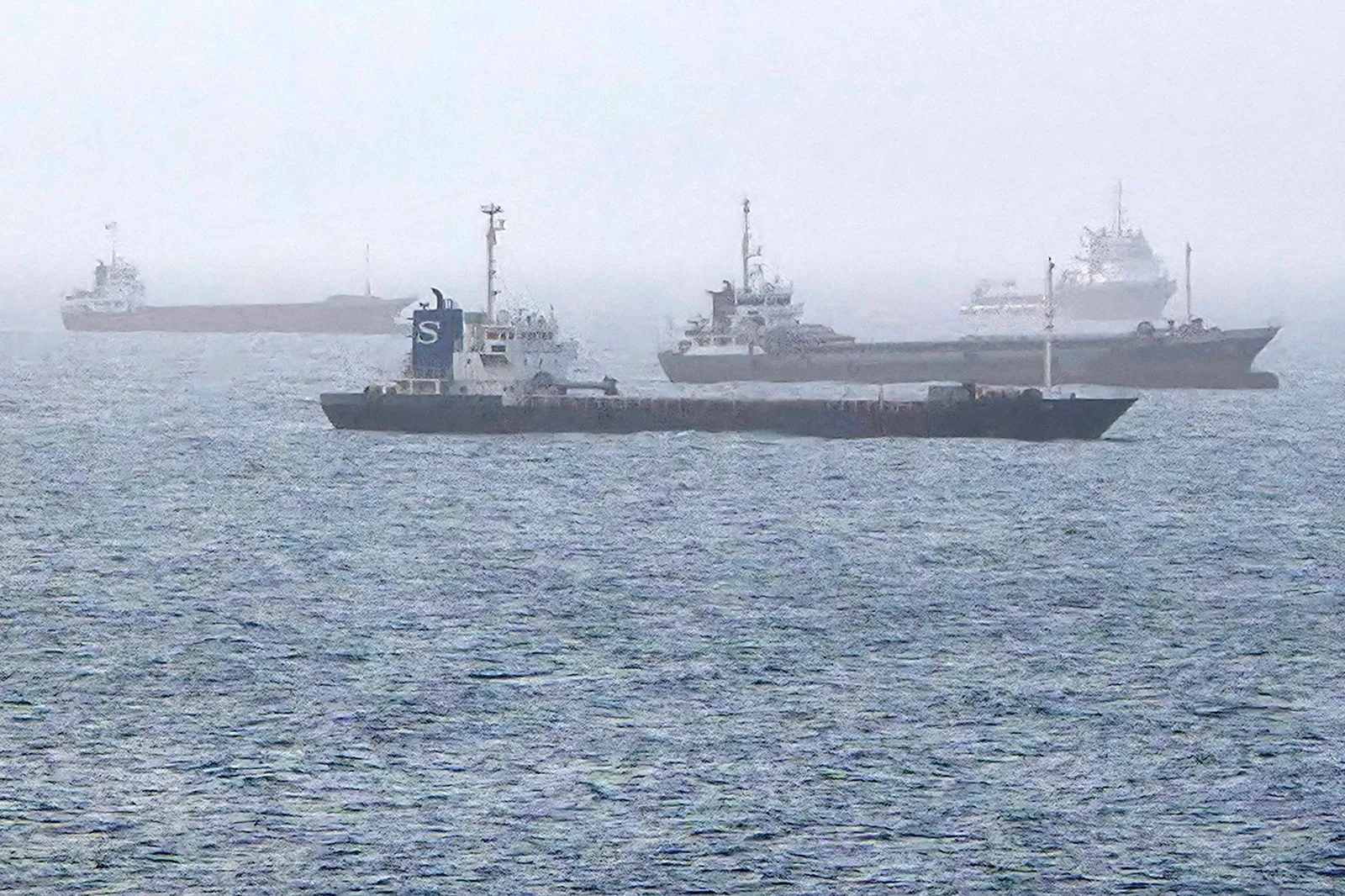
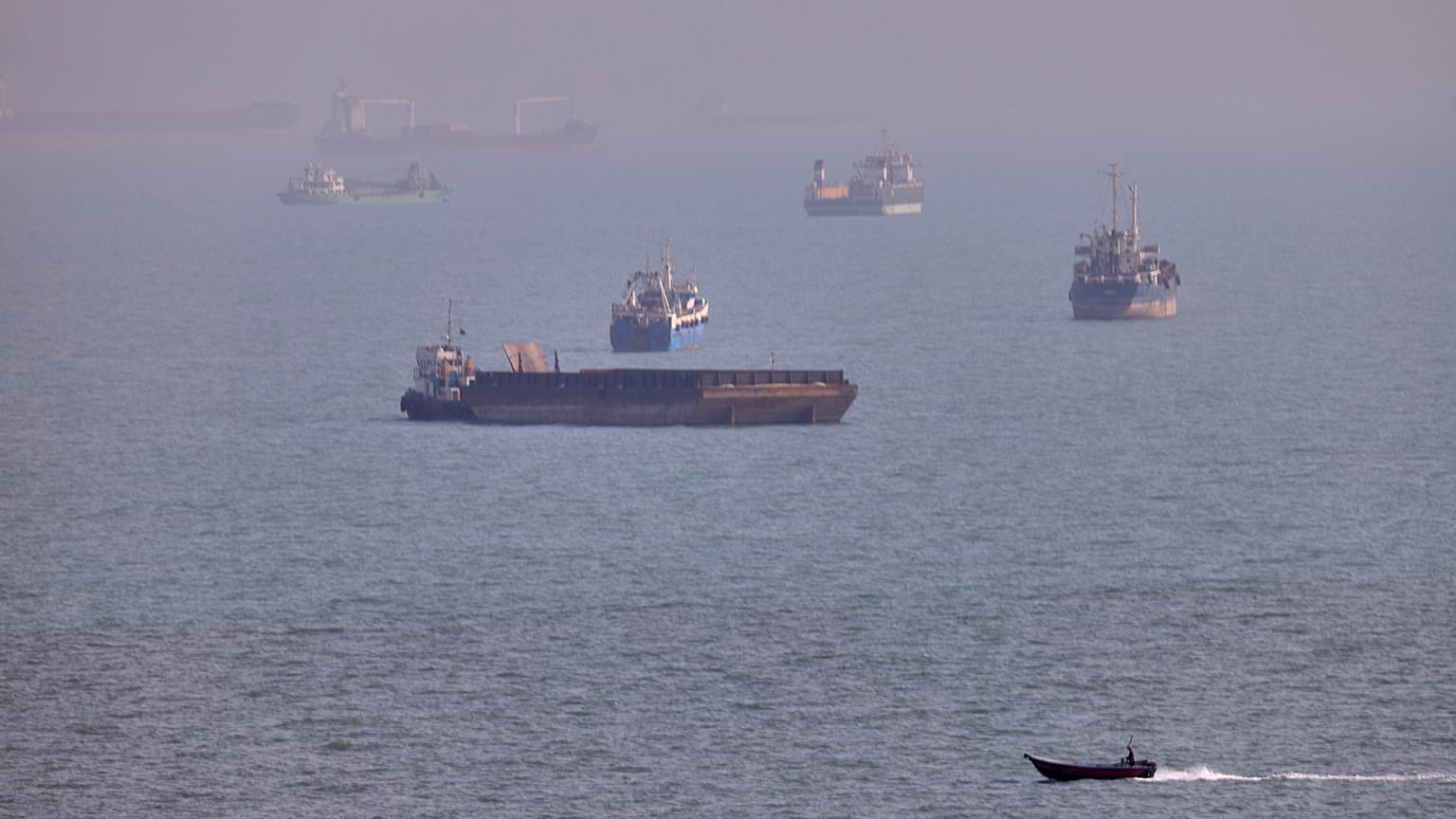
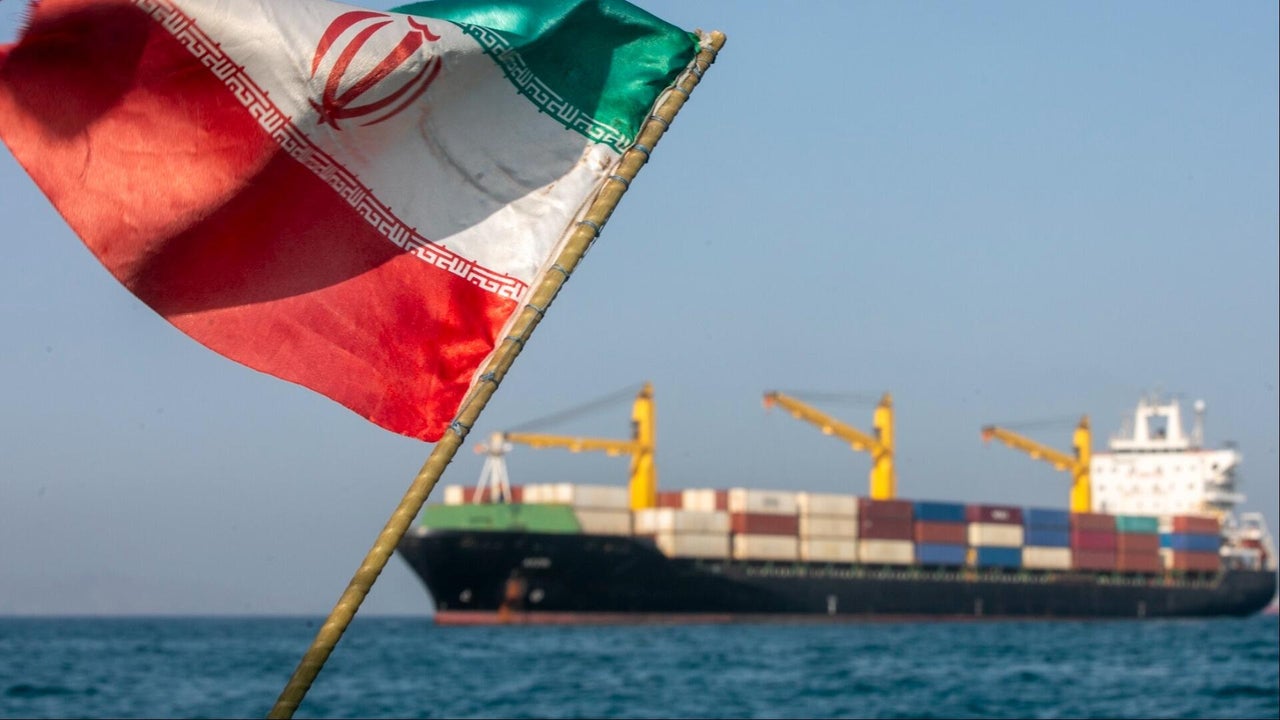
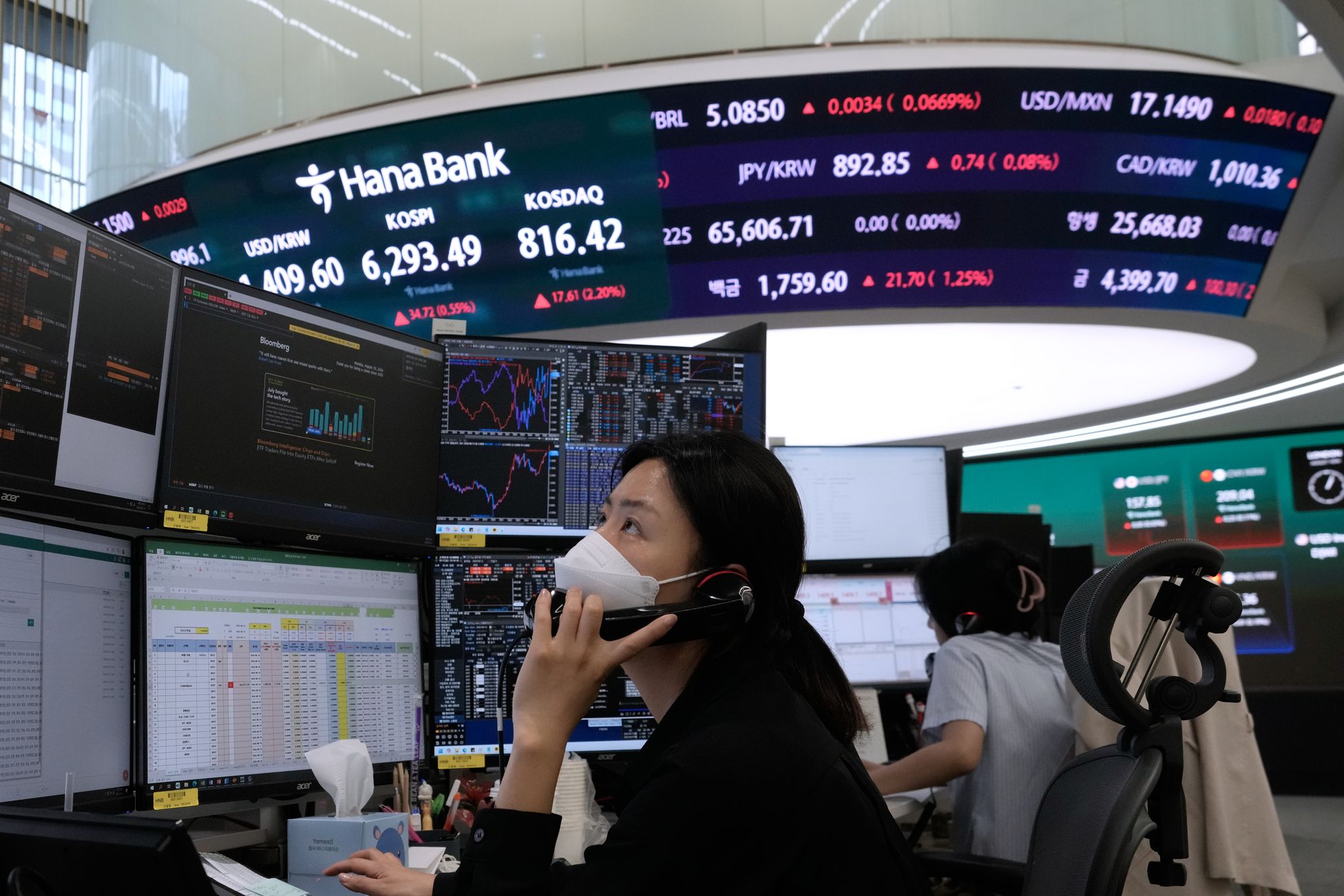
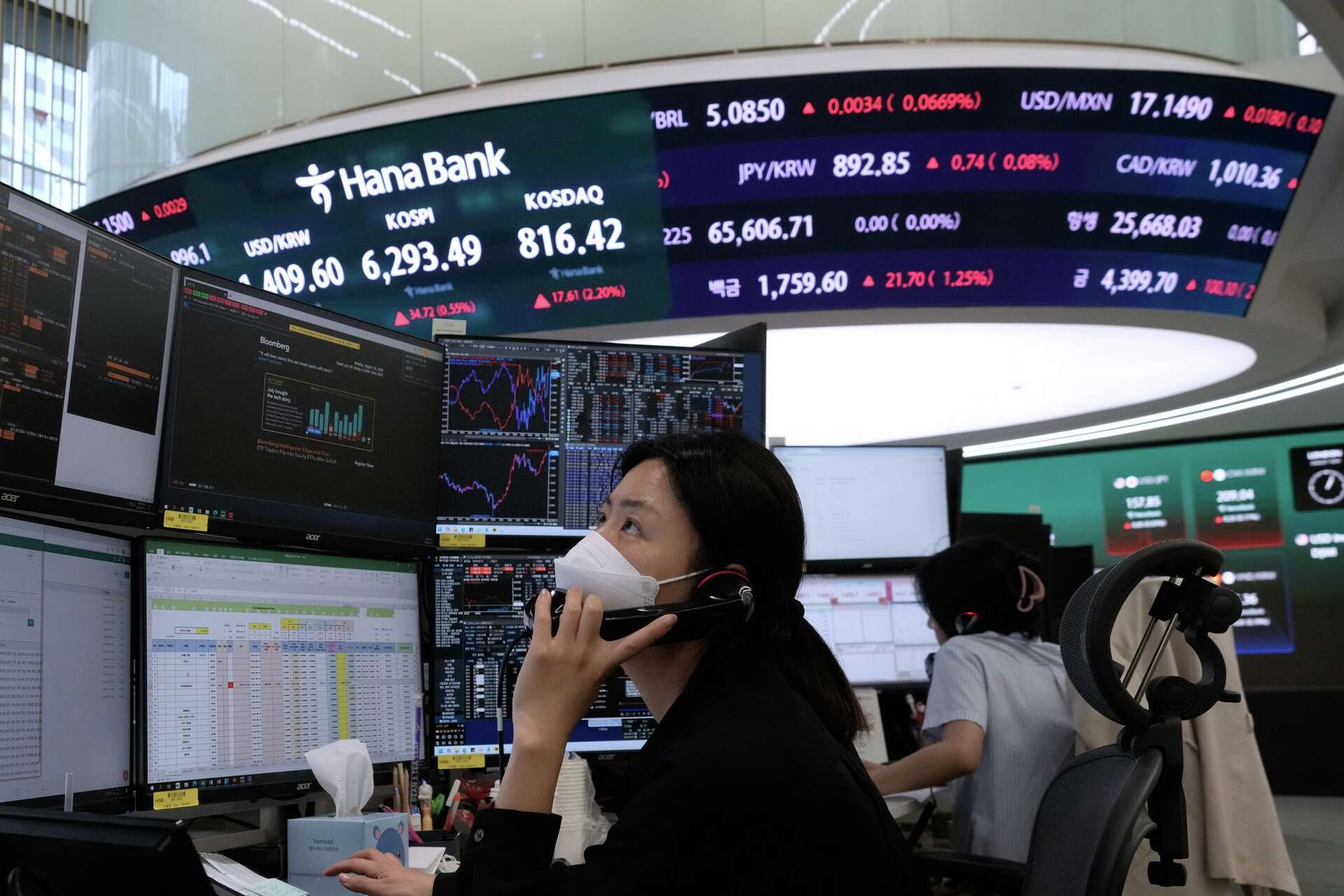
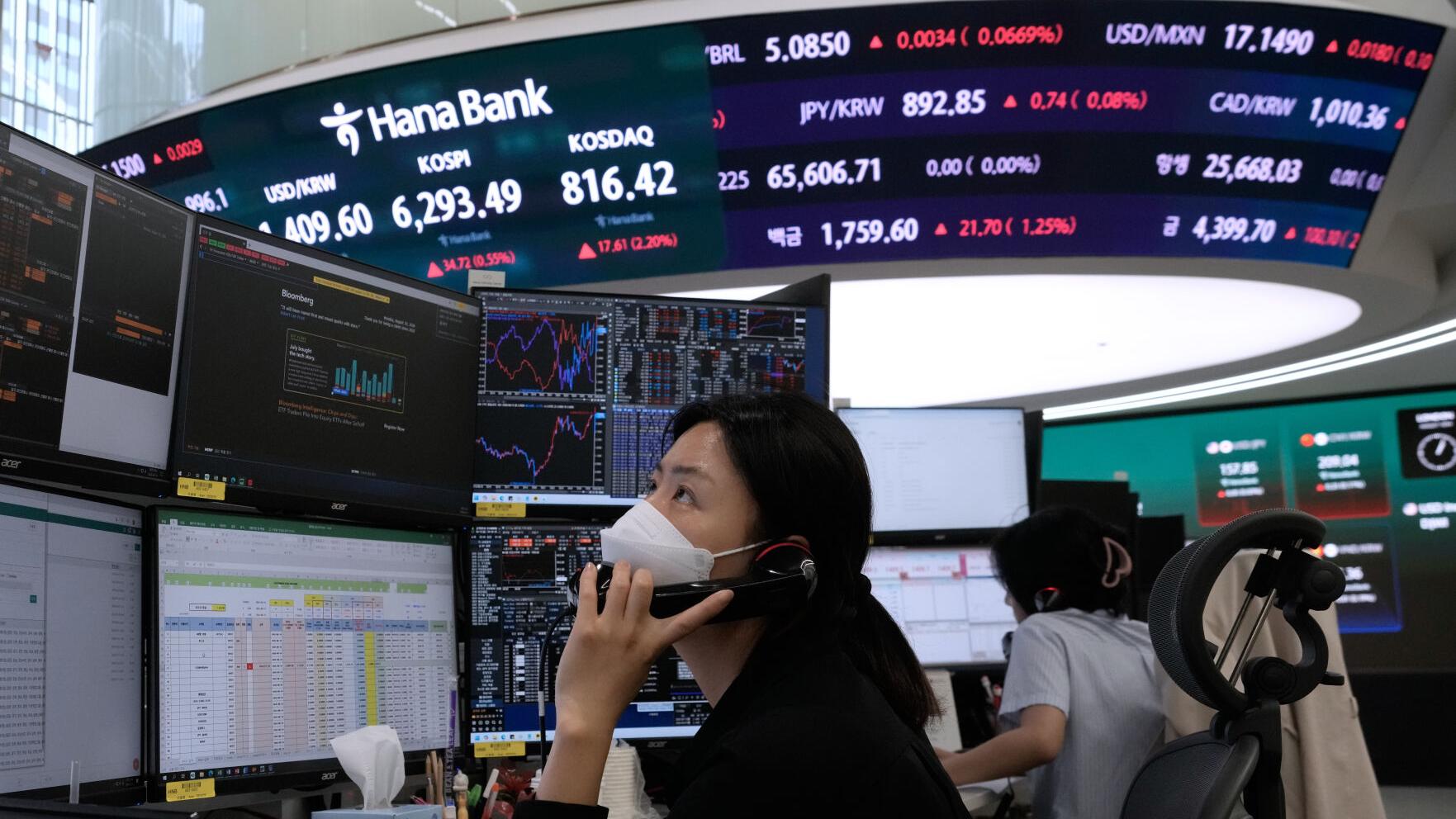
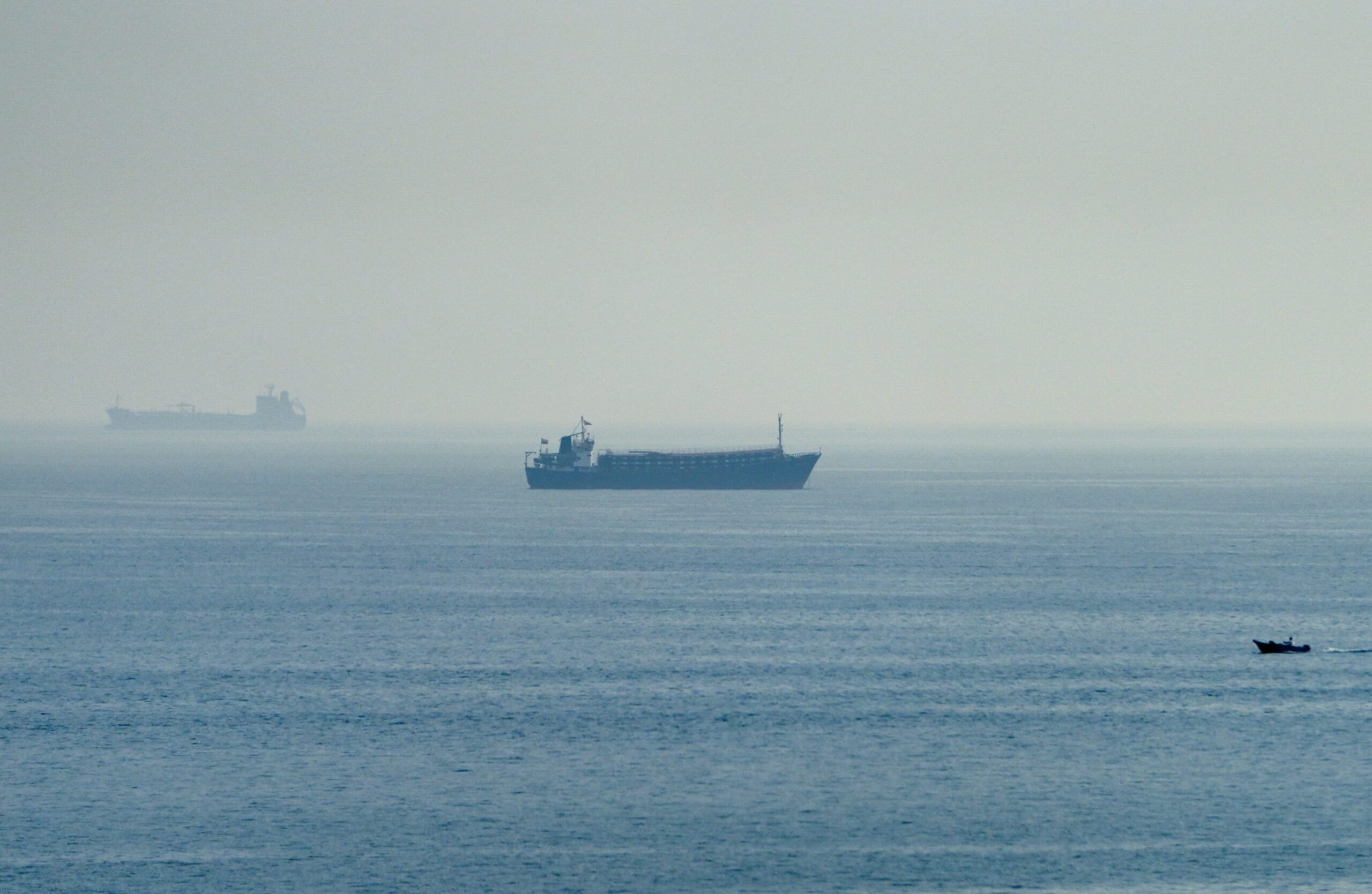
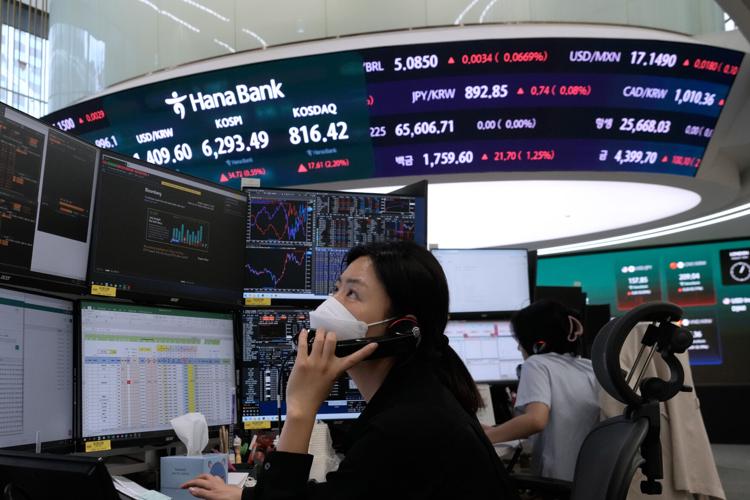
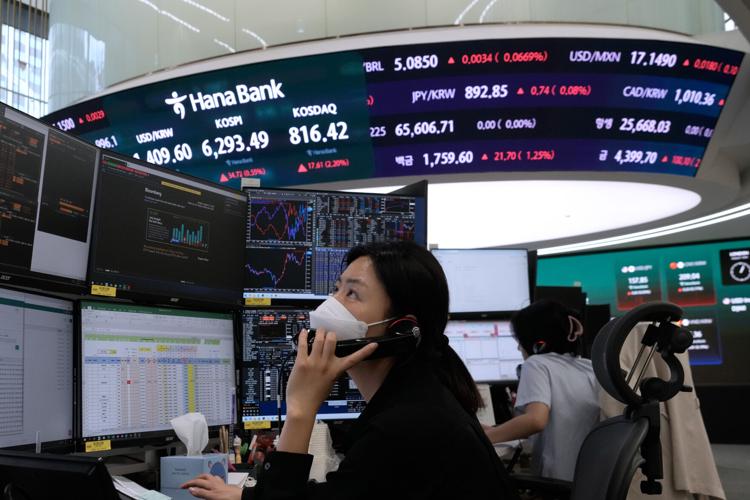
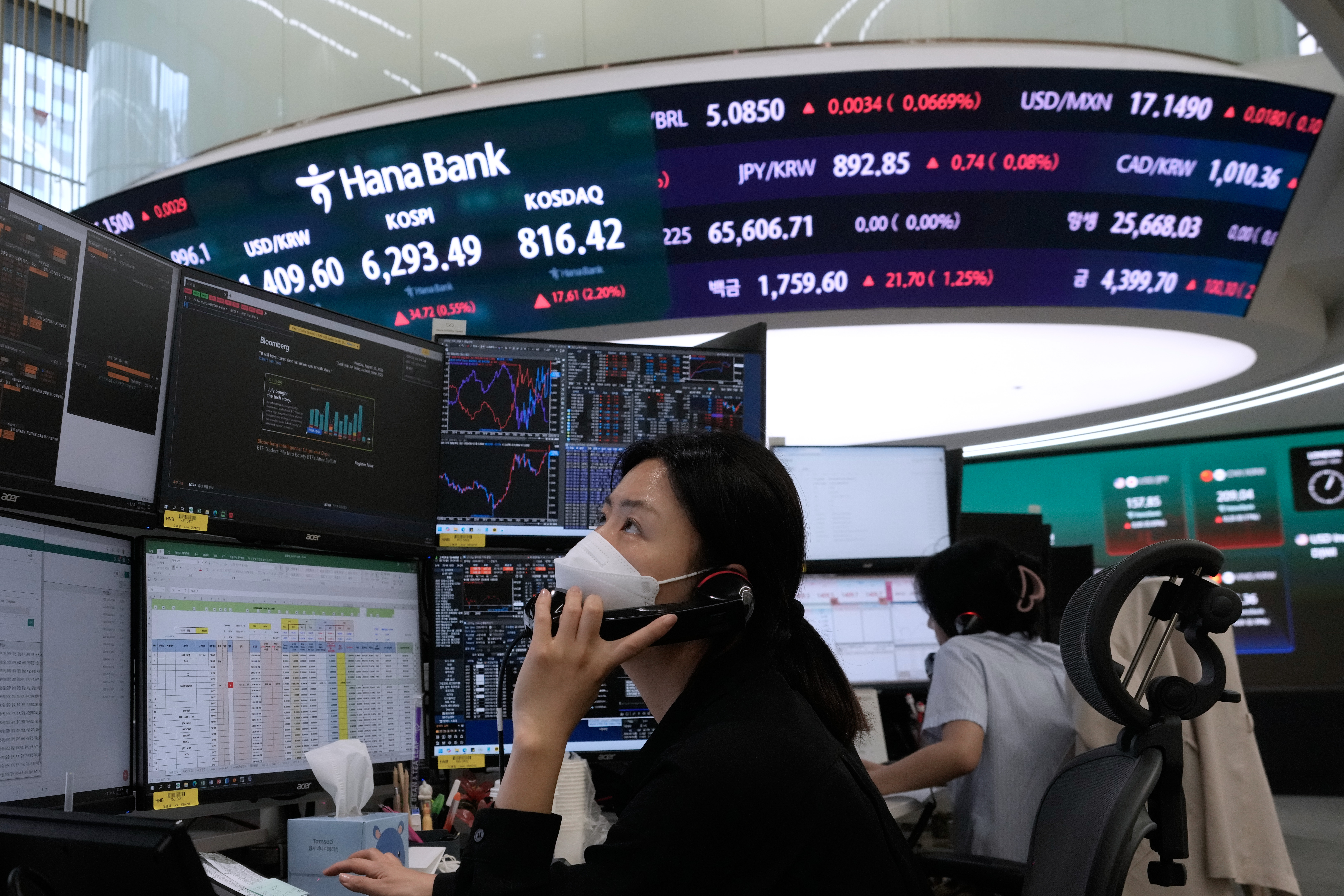
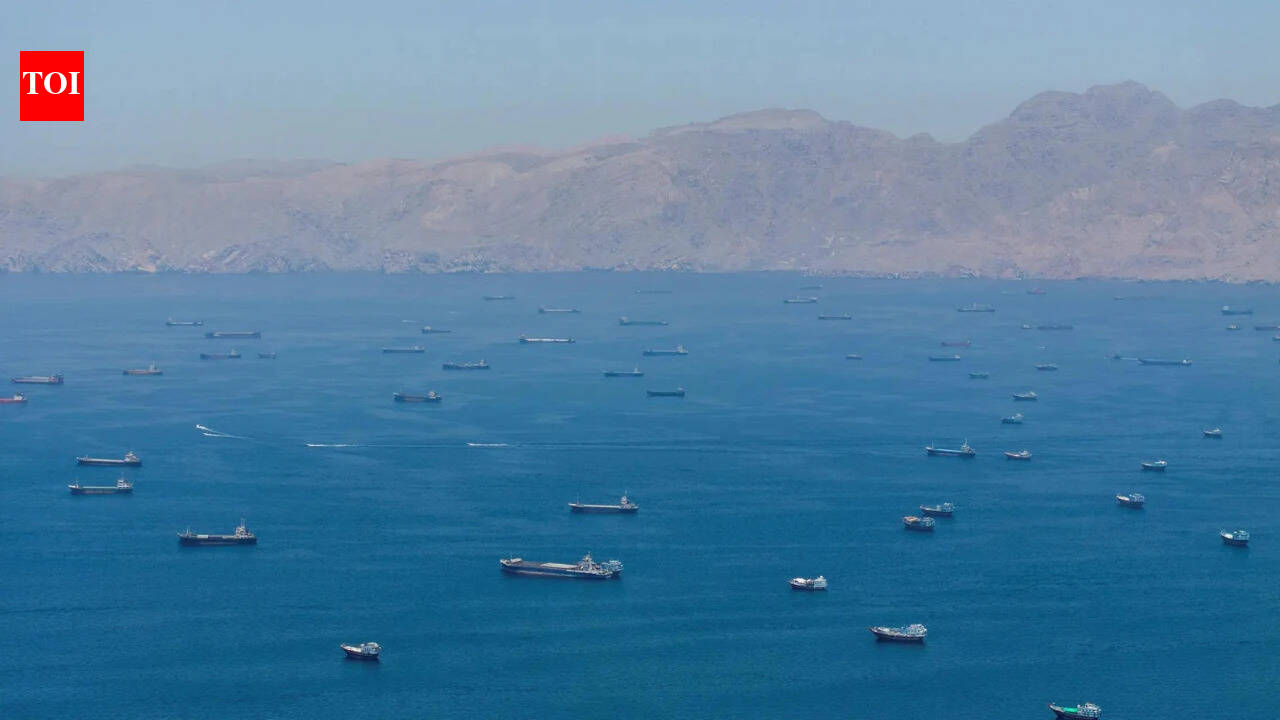
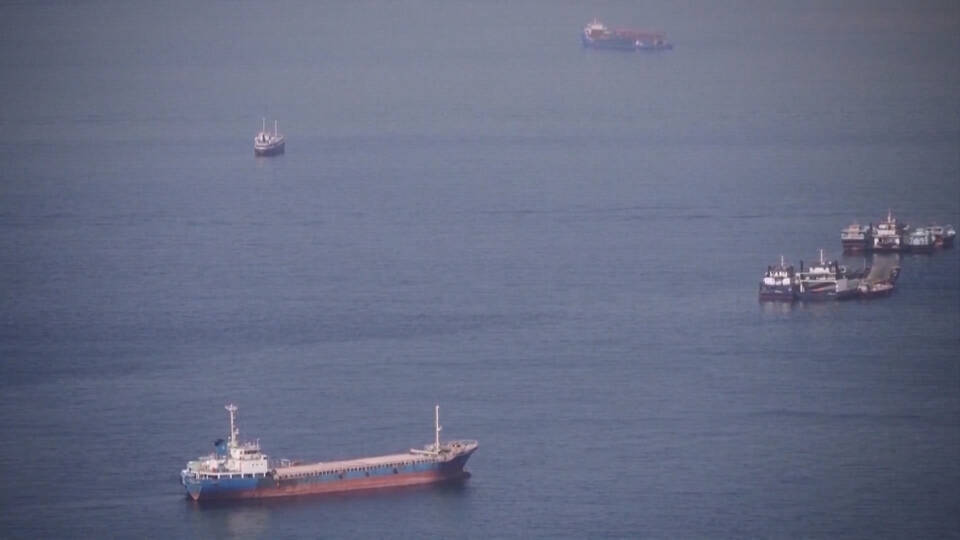
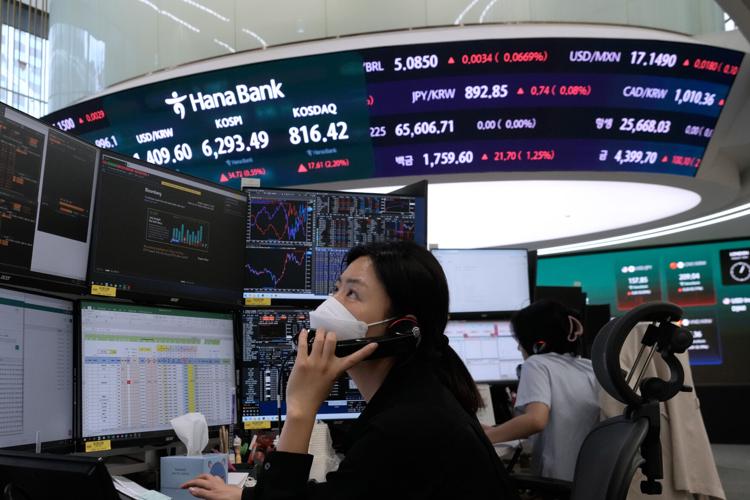
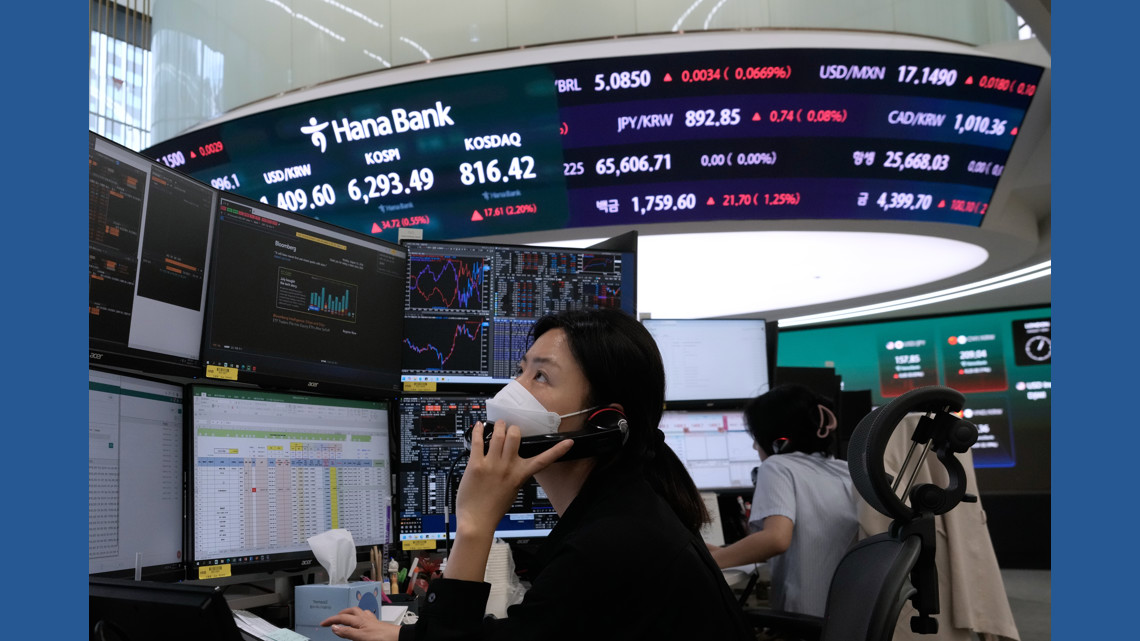
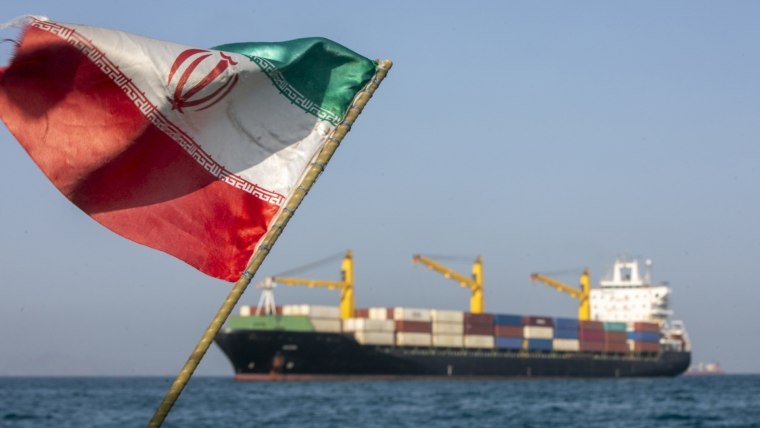
The escalating US-Iran conflict has created a critical supply chain crisis for cross-border e-commerce sellers. With the Strait of Hormuz handling approximately one-fifth of global crude oil trade, Iran's refusal to reopen the waterway—coupled with reduced maritime traffic from 15 daily crossings to just 6—has driven Brent crude to $88.00/barrel and US crude to $82.45, marking the highest levels since July 31 after a 5% rally. This geopolitical stalemate directly impacts seller profitability through three mechanisms: (1) Shipping Cost Inflation: Fuel surcharges on ocean freight to Asia-Pacific regions are rising 12-18%, translating to $150-400 additional costs per 40-foot container for sellers shipping electronics, apparel, and home goods. (2) Currency Volatility Compression: The Japanese yen remains under pressure at 159 per dollar (near the 160 intervention threshold), while the euro holds at 1.1546 and sterling at 1.3512. This creates margin compression for sellers with Asia-Pacific sourcing or sales operations, particularly affecting Japan-based sellers and those with yen-denominated costs. (3) Inflation-Driven Rate Hike Risk: The US July CPI report (due Wednesday) is expected to show 0.1% monthly headline and 0.2% core increases, with Capital Economics warning of a "hot print" that could reignite Federal Reserve rate hike expectations and stagflation concerns. This threatens to increase working capital costs for sellers relying on inventory financing.
Immediate Operational Impact by Seller Segment: Small-to-medium sellers (SMEs) shipping 500-2,000 units monthly from China/Vietnam to US/EU face 8-12% margin compression on products with 15-25% baseline margins (electronics, home goods). Large sellers with established 3PL networks in Southeast Asia can absorb costs better but face 6-8 week lead time extensions as alternative routing through Suez Canal adds 4-6 days transit time. Sellers in energy-intensive categories (appliances, HVAC, industrial equipment) see raw material costs rising 5-8% as manufacturers pass through fuel surcharges. The $500 billion AI infrastructure financing announced by Nvidia signals continued tech sector investment, but this capital is concentrated in US-based cloud providers, not cross-border logistics optimization.
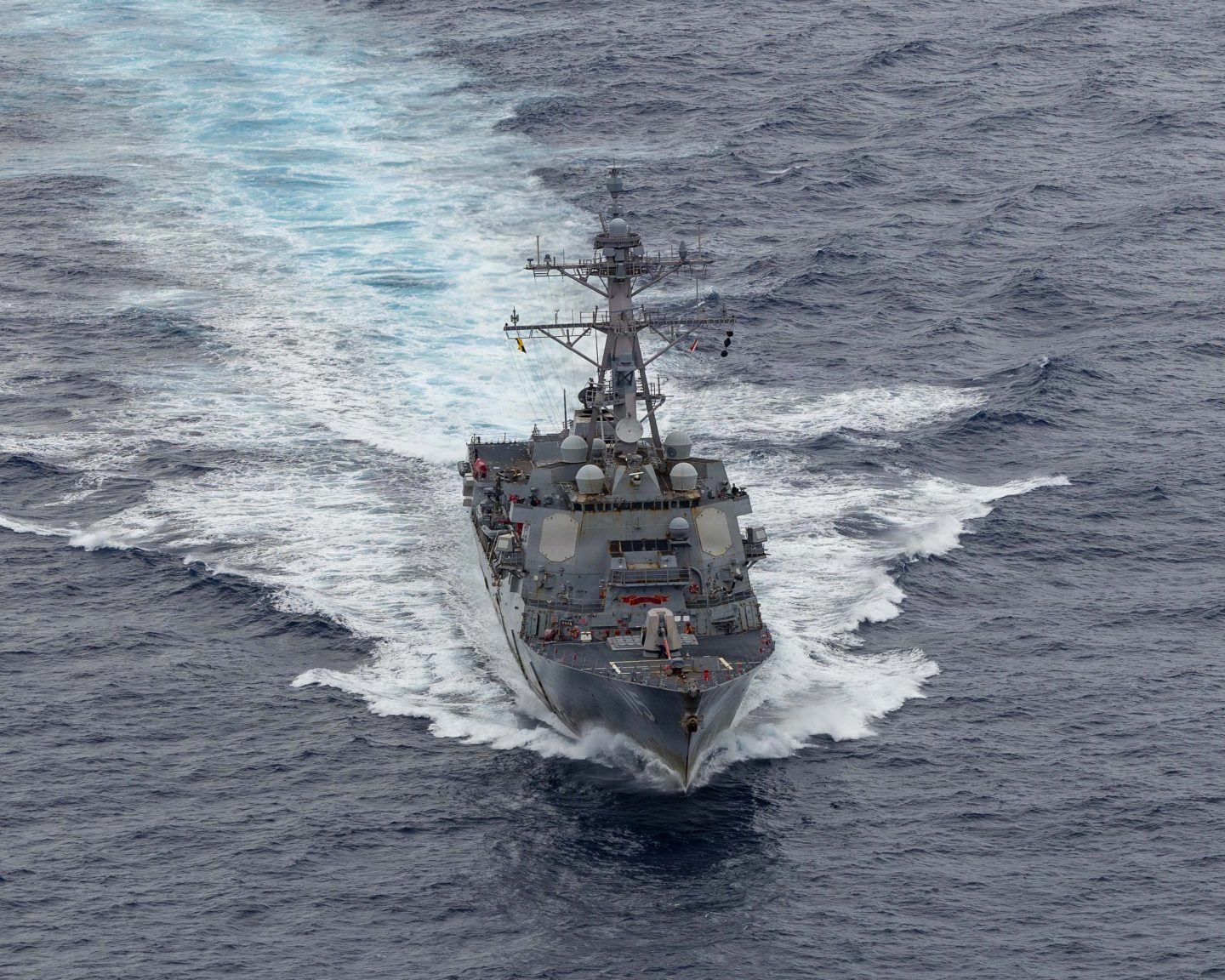
Strategic Tariff & Trade Policy Angle: The Trump administration's hardline stance (demanding compensation, maintaining naval blockade, "low-keying" direct talks) suggests prolonged sanctions on Iran and potential secondary sanctions on entities facilitating Iranian trade. This creates opportunities for sellers to shift sourcing from Iran-adjacent suppliers (Turkish, UAE-based intermediaries) to Vietnam, India, and Indonesia—regions with lower geopolitical risk and emerging tariff advantages under CPTPP and RCEP frameworks. Sellers should monitor whether the US Treasury expands designations beyond Shahr Bank to broader Iranian financial networks, which could trigger compliance costs for sellers with inadvertent Iran-connected supply chains.
Questions 8
Are there compliance risks if I have suppliers in Iran or Iran-adjacent countries?
Yes. The US Treasury Department has targeted entities assisting Iran's Shahr Bank in moving funds clandestinely. If you source from Turkish, UAE, or Hong Kong intermediaries with Iran connections, you face secondary sanctions risk. The Trump administration's hardline stance suggests expanded designations beyond Shahr Bank. Conduct immediate supply chain audits: verify no suppliers have Iran operations, check intermediaries' sanctions screening, and document compliance. Penalties for Iran sanctions violations range from $20,000-$250,000 per violation plus potential criminal liability. Sellers should shift Iran-adjacent sourcing to OFAC-compliant suppliers in Vietnam, India, or Mexico within 30 days. Use tools like OFAC's SDN list and Dun & Bradstreet screening to verify supplier compliance.
How long will this Strait of Hormuz closure last and when should I adjust my strategy?
The news indicates both sides are 'moving further from agreement rather than closer,' suggesting a 3-6 month stalemate minimum. Iran demands complete removal of US naval blockades; Trump demands compensation for 'past misdeeds'—these positions are far apart. Kpler data shows traffic declined from 15 to 6 daily crossings, indicating partial closure rather than complete blockade. Expect elevated shipping costs (12-18% surcharges) for 8-12 weeks, then potential 30-40% reduction if negotiations resume. Sellers should implement cost mitigation immediately (price increases, sourcing shifts, inventory optimization) while monitoring weekly Kpler traffic reports and Trump administration statements. Set a 60-day review checkpoint: if traffic remains below 8 crossings daily, extend mitigation strategies; if traffic recovers to 12+, begin normalizing inventory and pricing.