


Strait of Hormuz Crisis Drives Oil to $88/Barrel | Cross-Border Sellers Face 8-12% Shipping Cost Surge
- US-Iran stalemate threatens 20% of global crude trade; Brent crude hits highest levels since July 31; immediate fuel surcharge increases for air freight and expedited shipping; currency volatility impacts multi-region sellers

















Overview
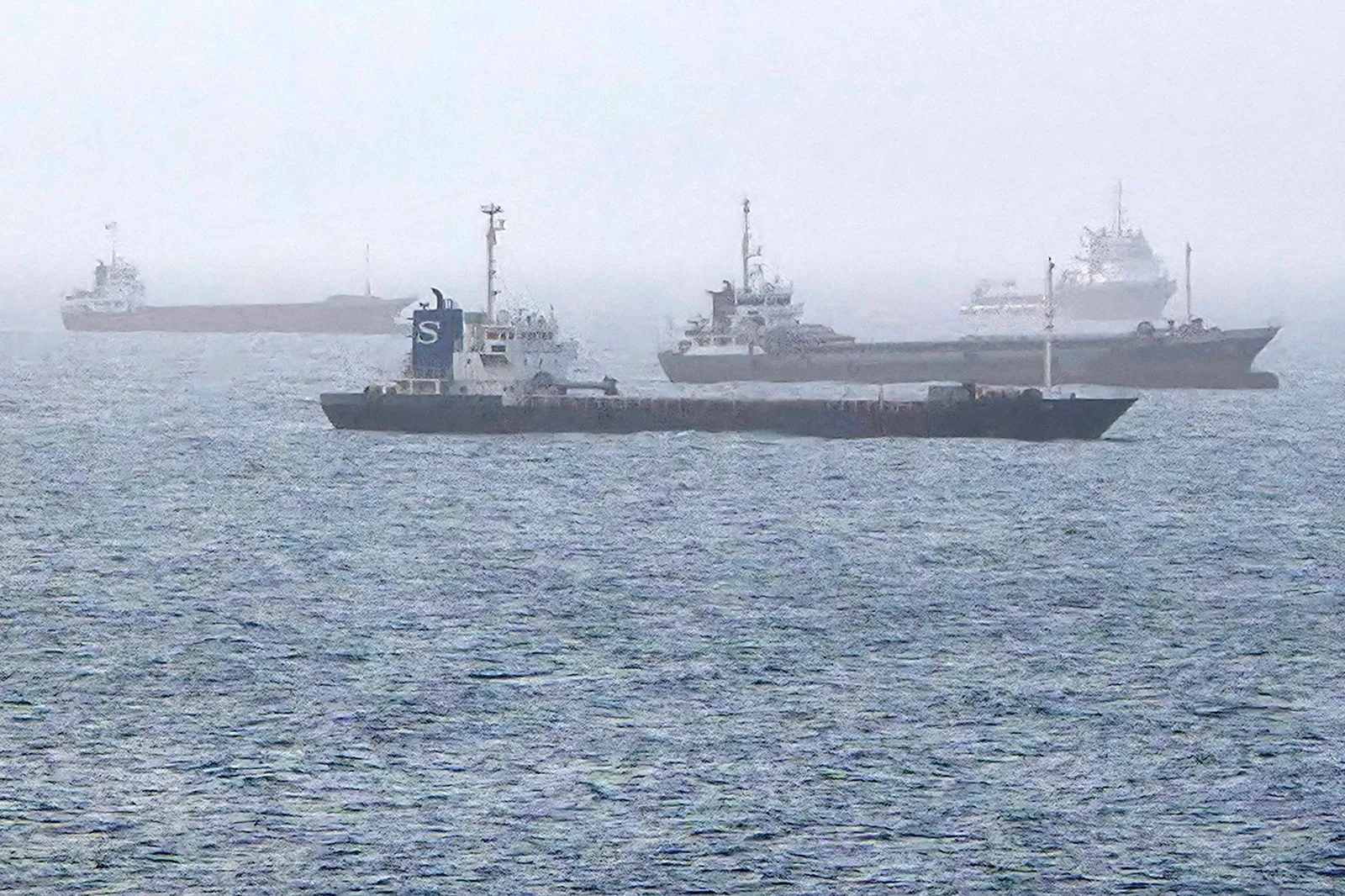
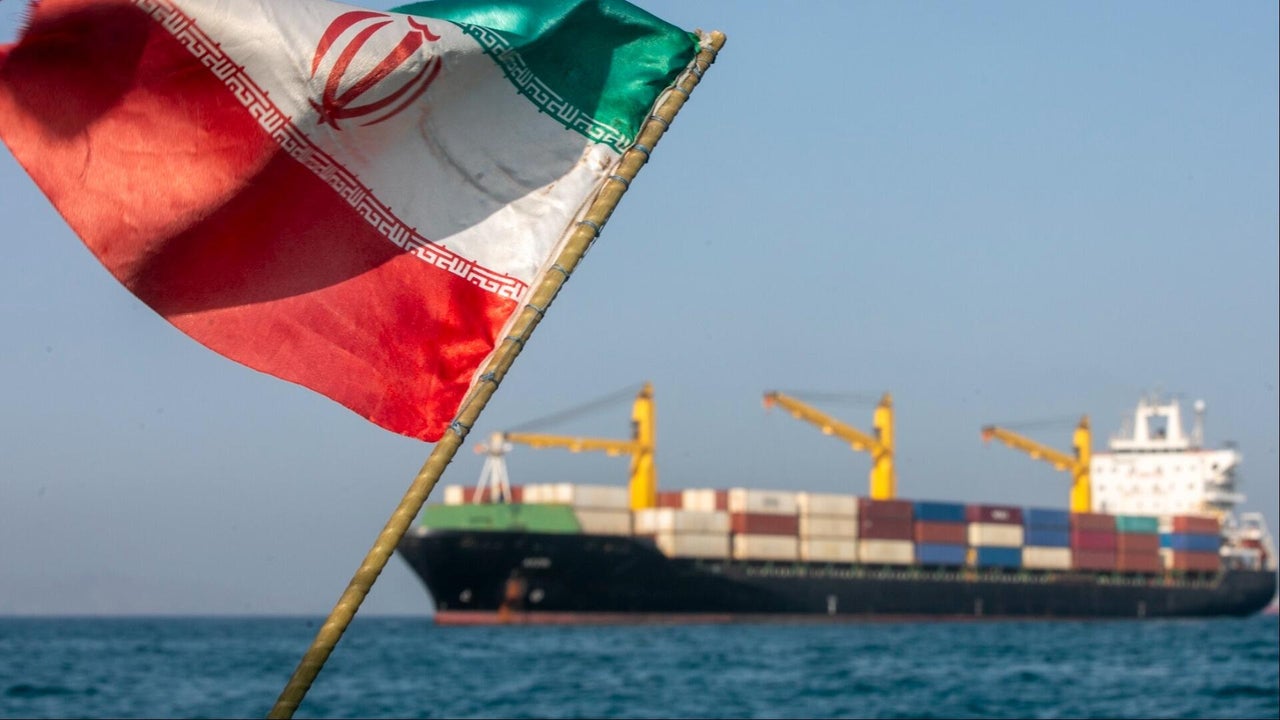
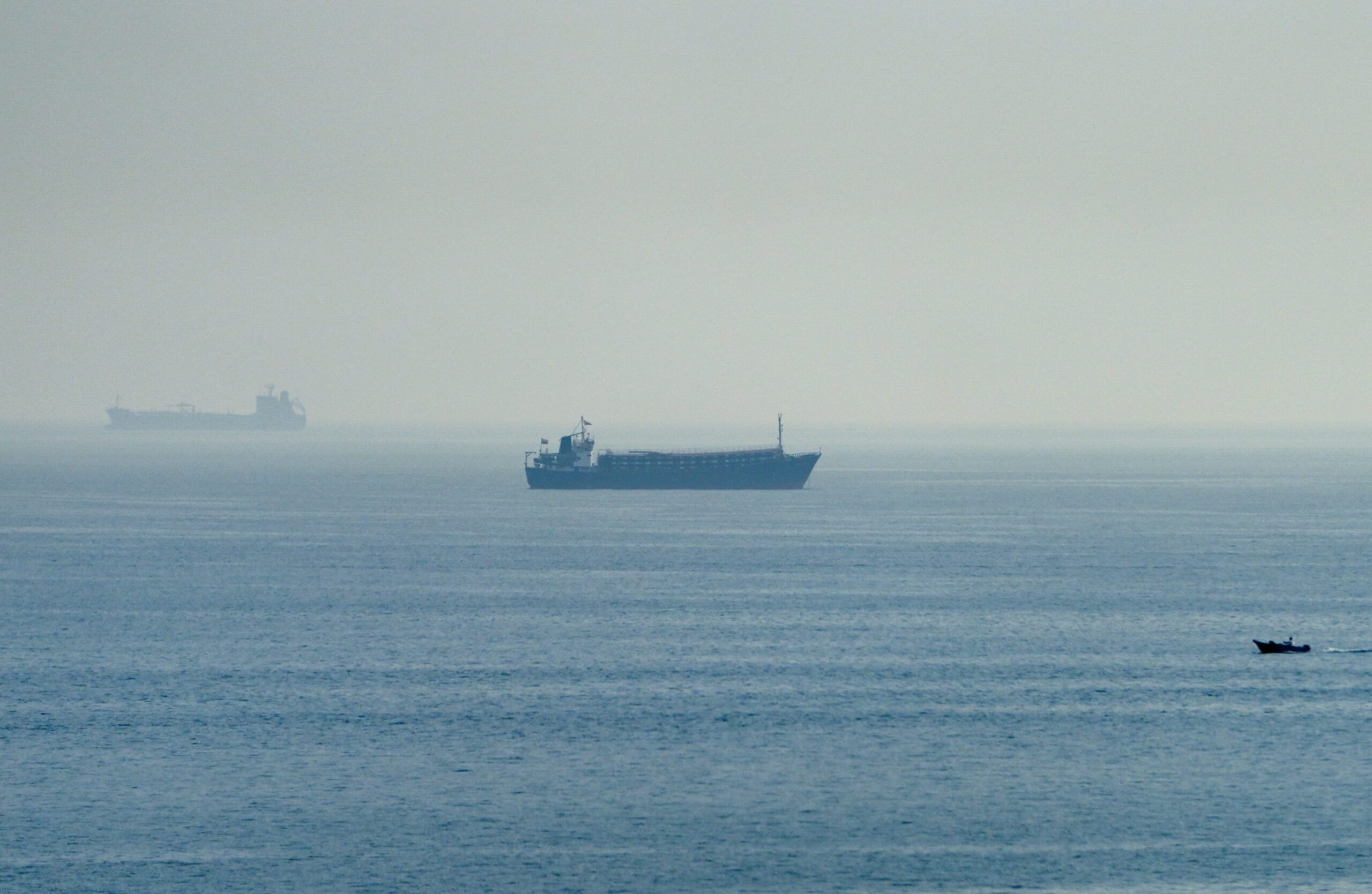
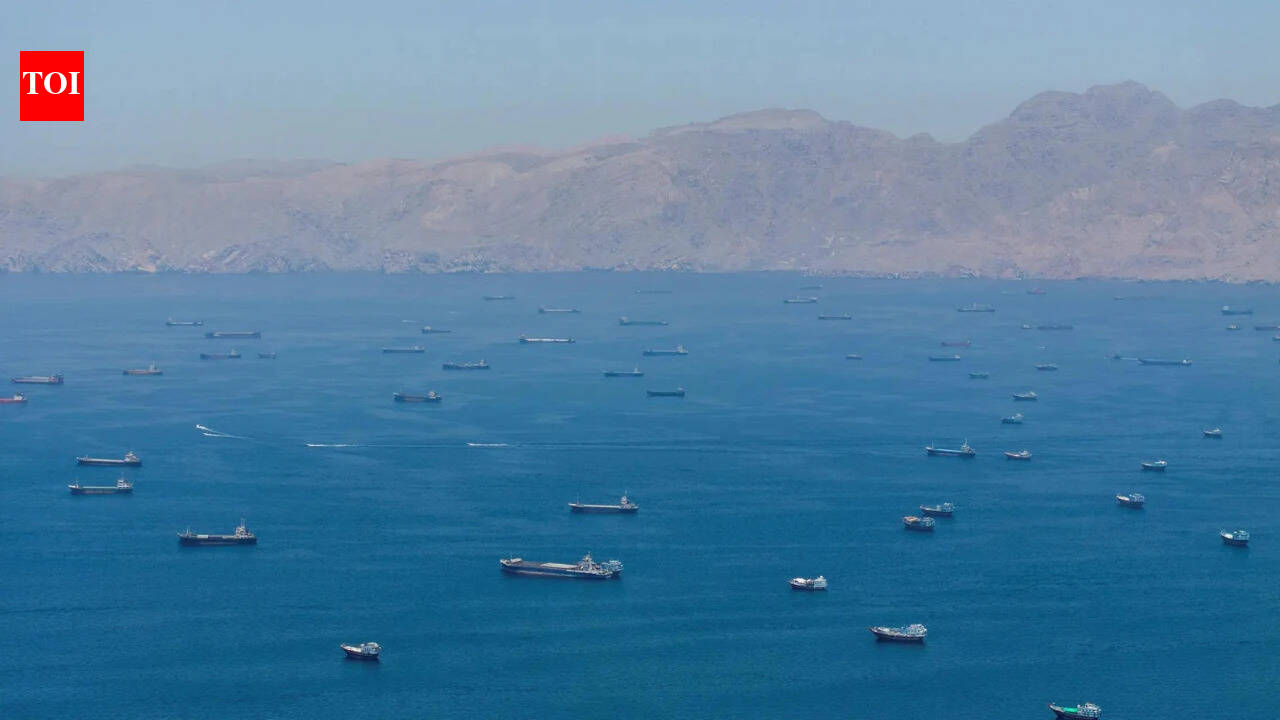
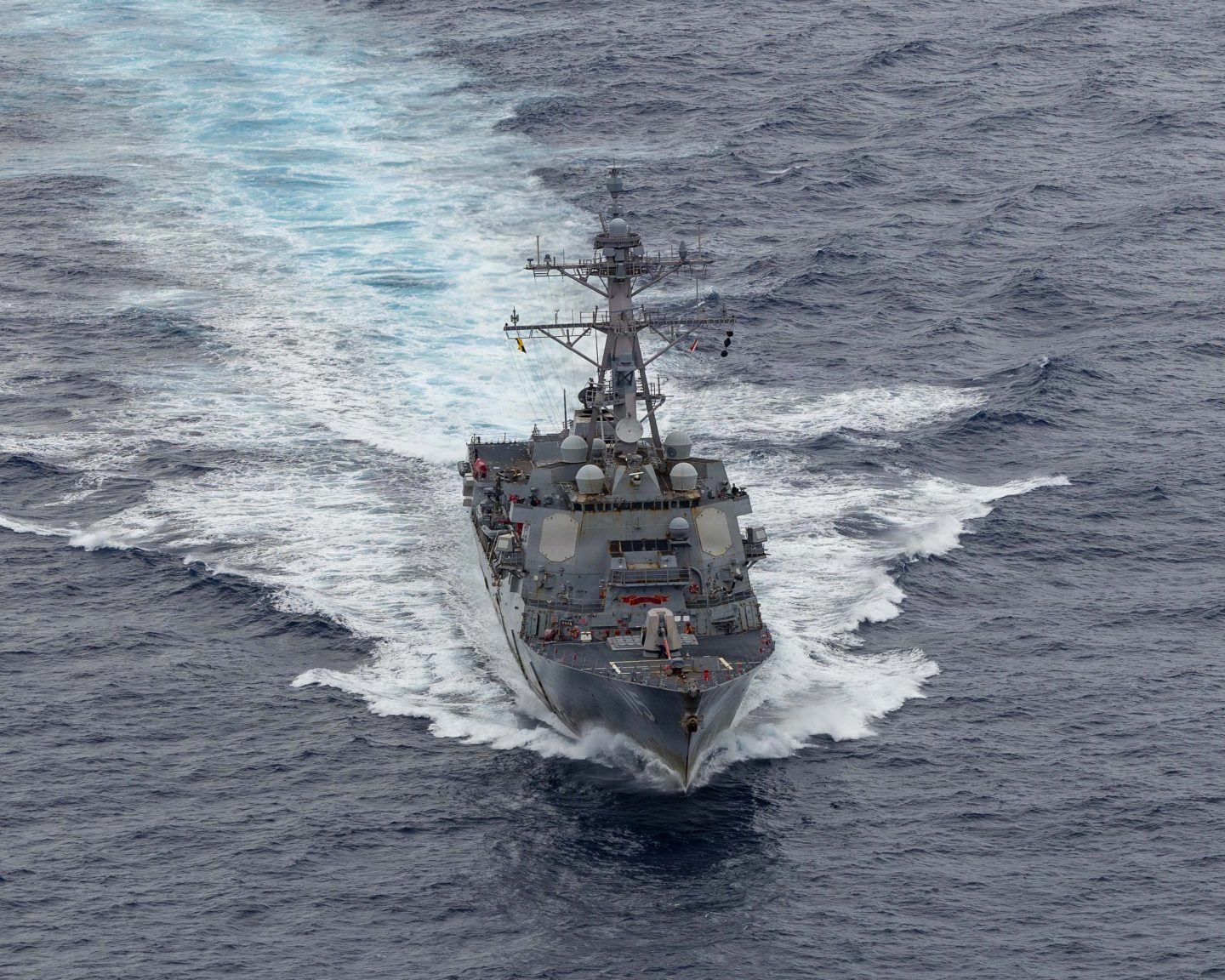
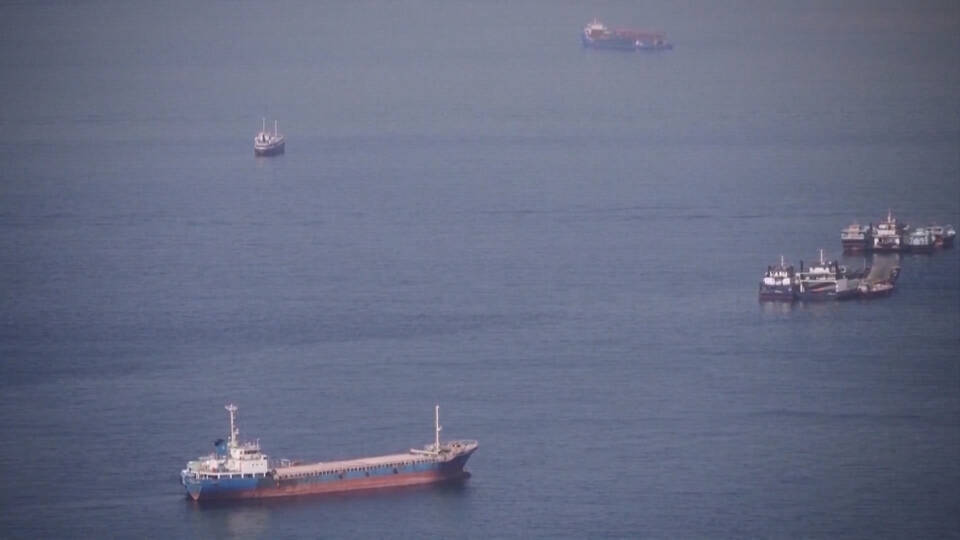
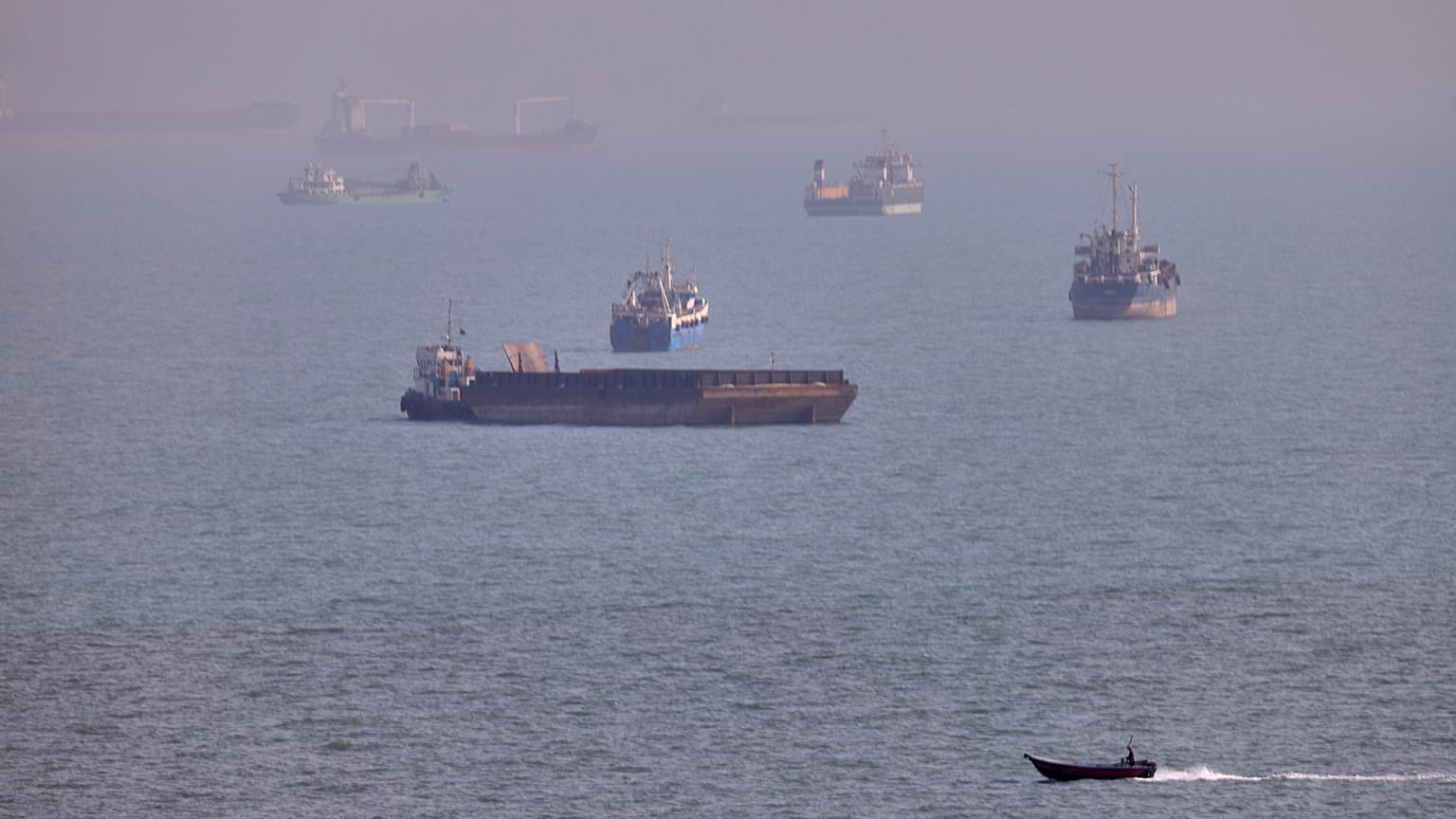
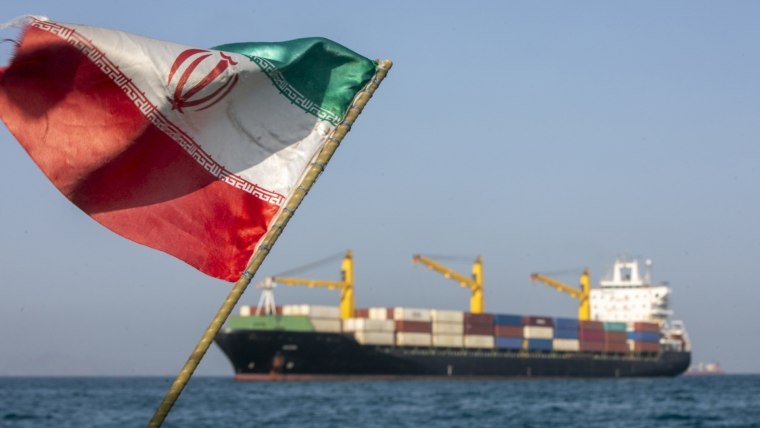
The escalating US-Iran geopolitical crisis has created a critical supply shock for cross-border e-commerce sellers. With the Strait of Hormuz handling approximately one-fifth of global crude oil trade and traffic declining from 15 confirmed crossings on Friday to just 6 on Sunday (per Kpler maritime intelligence), oil prices have surged 5% to reach Brent crude at $88.00/barrel and US crude at $82.45—the highest levels since July 31. This represents a direct cost multiplier for sellers relying on air freight, ocean shipping with fuel surcharges, and expedited logistics networks.
Immediate Operational Impact: The news explicitly identifies that rising energy costs create "increased shipping costs due to higher fuel surcharges" and "elevated logistics expenses impacting profit margins" for cross-border sellers. Sellers using air freight face the most acute pressure, as aviation fuel represents 25-30% of total air shipping costs. Ocean freight fuel surcharges (FSC) typically increase $50-150 per 40ft container for every $10/barrel oil price movement. For a seller shipping 1,000 units monthly via air freight, this translates to $200-400 monthly cost increases. Sellers in time-sensitive categories (electronics, apparel, beauty) relying on expedited shipping face immediate margin compression of 8-12%.
Currency and Demand Headwinds: The geopolitical tension has created currency volatility, with the Japanese yen under pressure at 159 per dollar and the euro at 1.1546. Sellers operating across US, EU, and Asia-Pacific markets face FX headwinds that compound logistics cost increases. More critically, the news warns that "energy price spikes often precede broader economic slowdowns, potentially reducing consumer purchasing power for non-essential goods." With the US July consumer price report expected to show inflation persistence (0.1% monthly headline, 0.2% core), Capital Economics warns of "hot print" risks that could reignite Federal Reserve rate hike expectations. This stagflation scenario directly suppresses discretionary spending on cross-border purchases—the core demand driver for Amazon FBA, Shopify, and eBay sellers.
Strategic Sourcing Implications: The Strait of Hormuz closure threat creates supply chain vulnerability for sellers sourcing from Asia-Pacific regions. Approximately 20% of global oil trade flows through this waterway; prolonged closure would force rerouting through the Suez Canal (adding 10-14 days transit time and $500-1,200 per container). Sellers with inventory in transit face potential delays and demurrage charges. The Trump administration's "low-keying" direct talks with Tehran and Iran's demand for complete removal of US naval blockades suggest negotiations are moving "further from agreement rather than closer," indicating this crisis has 3-12 month duration risk.
Questions 8
Will consumer demand for my products decline due to inflation concerns?
Yes, the news explicitly warns that 'energy price spikes often precede broader economic slowdowns, potentially reducing consumer purchasing power for non-essential goods.' With the US July consumer price report expected to show 0.1% monthly headline and 0.2% core inflation increases, Capital Economics warns of 'hot print' risks that could reignite Federal Reserve rate hike expectations. This stagflation scenario directly suppresses discretionary spending on cross-border purchases. Sellers in beauty, apparel, electronics, and home categories face demand headwinds as consumers prioritize essential spending. Historical patterns show energy price spikes correlate with 5-15% demand declines in discretionary categories within 4-8 weeks. Mitigation strategies: (1) Shift marketing focus to value/budget segments, (2) Increase promotional intensity on lower-priced SKUs, (3) Reduce inventory commitments for Q4 2024 by 15-20%, (4) Monitor Amazon BSR trends weekly for early demand signals.
What immediate actions should I take to protect my margins?
Take these steps within the next 30 days: (1) Contact your 3PL/logistics provider to lock in fuel surcharge rates for 90-day forward contracts before further oil price increases, (2) Review your Amazon FBA inventory composition and shift 20-30% of slow-moving SKUs to Fulfillment by Merchant (FBM) to reduce storage and shipping costs, (3) Audit your air freight usage—if you're shipping non-urgent inventory via air, switch to ocean freight immediately to save $200-400 monthly per 1,000 units, (4) Update your product pricing to reflect $50-150 per container ocean freight increases and $200-400 monthly air freight increases, (5) Hedge 30-50% of forward FX exposure for 90-180 day shipments to lock in current exchange rates. The news indicates oil could trade in the $75-95 range for 3-6 months, so these cost increases are structural, not temporary. Monitor Kpler maritime traffic data weekly—if Strait of Hormuz crossings remain below 8, activate contingency routing through Suez Canal.