





Meta AI Regulation Debate Reshapes E-Commerce Advertising & Seller Compliance Risk
- Zuckerberg's August 2026 AI manifesto signals regulatory uncertainty affecting 2M+ sellers using Meta ads; Congress developing oversight mechanisms creates 3-12 month compliance window















Overview
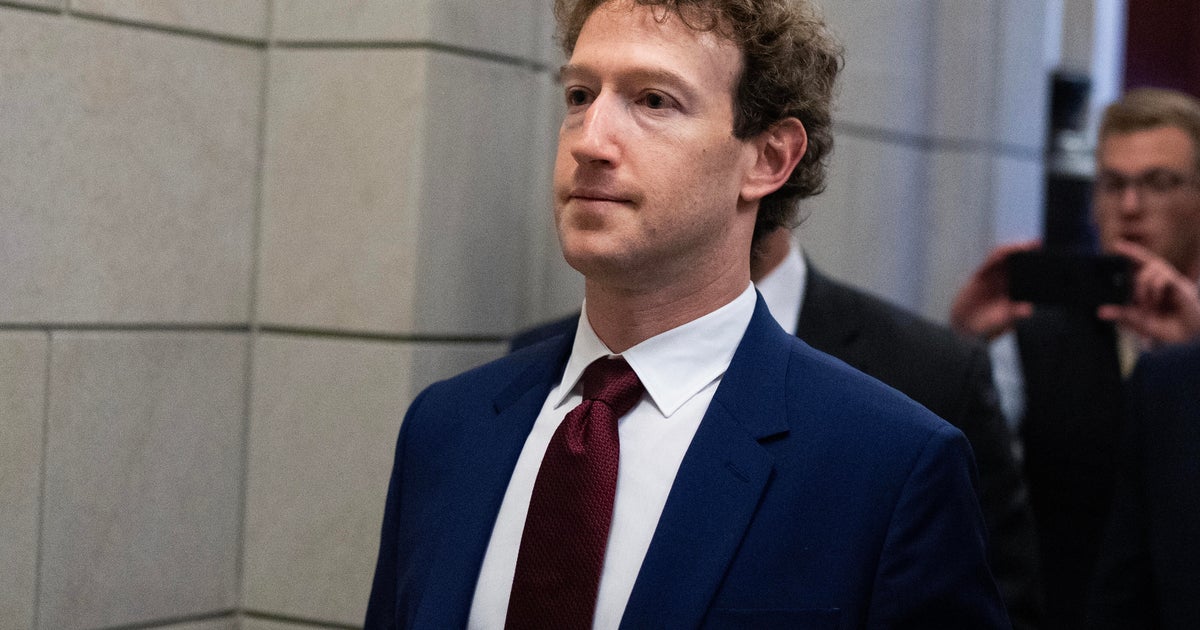
Meta CEO Mark Zuckerberg's August 10, 2026 manifesto advocating minimal AI regulation creates immediate strategic uncertainty for e-commerce sellers relying on Meta's advertising platforms. The 6,500-word open letter positions Meta against Congressional AI oversight efforts, signaling potential policy conflicts that could reshape how sellers access Meta's AI-powered targeting, dynamic pricing tools, and customer data analytics. With Congress actively developing AI oversight mechanisms and public sentiment increasingly hostile toward tech platforms, sellers face a critical 3-12 month window where Meta's advertising capabilities—particularly AI-driven audience segmentation and conversion optimization—may face regulatory constraints.
For Amazon, Shopify, and eBay sellers using Meta Ads Manager, this regulatory uncertainty creates three immediate operational risks. First, Meta's AI-powered audience targeting (which typically drives 25-40% of conversion lift for e-commerce campaigns) may face restrictions if Congress mandates transparency requirements or limits algorithmic personalization. Sellers currently allocating 15-25% of marketing budgets to Meta platforms should prepare contingency strategies: diversifying to Google Shopping (which faces less regulatory scrutiny), TikTok Shop (though facing separate regulatory challenges), and Amazon Advertising (which operates under different compliance frameworks). Second, the manifesto's emphasis on "personal superintelligence" suggests Meta will accelerate AI feature deployment—potentially introducing new tools faster than regulatory bodies can evaluate them, creating compliance gaps for sellers who adopt early. Third, public skepticism toward Meta (evidenced by reader comments focusing on "monetization of personal relationships" and "amplification of divisive content") may reduce consumer trust in Meta-targeted ads, potentially compressing click-through rates and increasing cost-per-acquisition by 8-15% for sellers in sensitive categories (health, finance, beauty).
The strategic opportunity lies in AI-powered competitive intelligence and dynamic platform diversification. Sellers should immediately implement AI tools to monitor regulatory developments (using services like Regulatory Intelligence platforms) and model scenario-based marketing ROI across platforms. For sellers in high-regulation categories (supplements, financial products, health claims), shifting 30-40% of Meta ad spend to Google Ads and Amazon Advertising now—before potential Meta restrictions—can lock in current pricing and audience access. Additionally, sellers should leverage AI-powered content analysis tools to audit their Meta ad creative for potential regulatory red flags (unsubstantiated claims, targeting minors, data privacy concerns) before Congress mandates compliance. The 3-12 month window before likely regulatory action represents a critical period to establish alternative customer acquisition channels and reduce platform concentration risk.
Questions 8
How should sellers prepare for potential Meta AI feature restrictions?
Zuckerberg's manifesto signals Meta will accelerate AI feature deployment despite regulatory uncertainty, creating compliance gaps for early adopters. Sellers should adopt a 'wait-and-verify' approach: test new Meta AI features in small campaigns (5-10% of budget) before scaling, and monitor Congressional AI oversight developments weekly using regulatory intelligence tools. Document all AI-driven targeting decisions and campaign performance data to demonstrate compliance if regulations change. Implement AI-powered content moderation tools (like Crisp Thinking or Brandwatch) to flag potentially problematic ad creative before Meta or regulators do. Establish quarterly compliance reviews with legal teams to assess regulatory risk. This proactive approach reduces the risk of campaign suspension or account penalties if Meta faces sudden regulatory action.
What alternative advertising platforms should sellers prioritize for diversification?
Amazon Advertising is the highest-priority alternative: it operates under Amazon's own compliance framework, reaches 150M+ US shoppers monthly, and offers AI-powered product targeting with lower regulatory risk than Meta. Google Ads (Shopping and Search) is second priority: Google faces regulatory scrutiny but has established compliance infrastructure and reaches 90%+ of US internet users. TikTok Shop offers emerging opportunity but faces separate regulatory uncertainty. Pinterest and YouTube offer lower-risk alternatives for specific categories (home, fashion, DIY). Sellers should allocate budgets as follows: 40% Amazon Ads, 30% Google Ads, 20% Meta (reduced), 10% emerging platforms. This allocation reduces single-platform dependency while maintaining reach and conversion efficiency. Test allocation over 60 days before committing to permanent budget shifts.