



FCC Robot Vacuum Ban July 2026 | Compliance Deadline for Cross-Border Sellers
- Foreign-manufactured robot vacuums (4.4+ lbs) banned effective July 28, 2026; affects iRobot, SharkNinja, Dyson, Roborock, Ecovacs; sellers must verify manufacturing origins and FCC approval status before listing











Overview
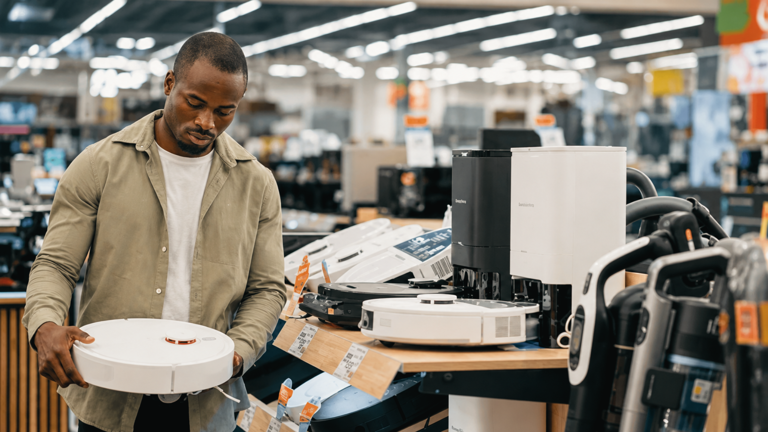
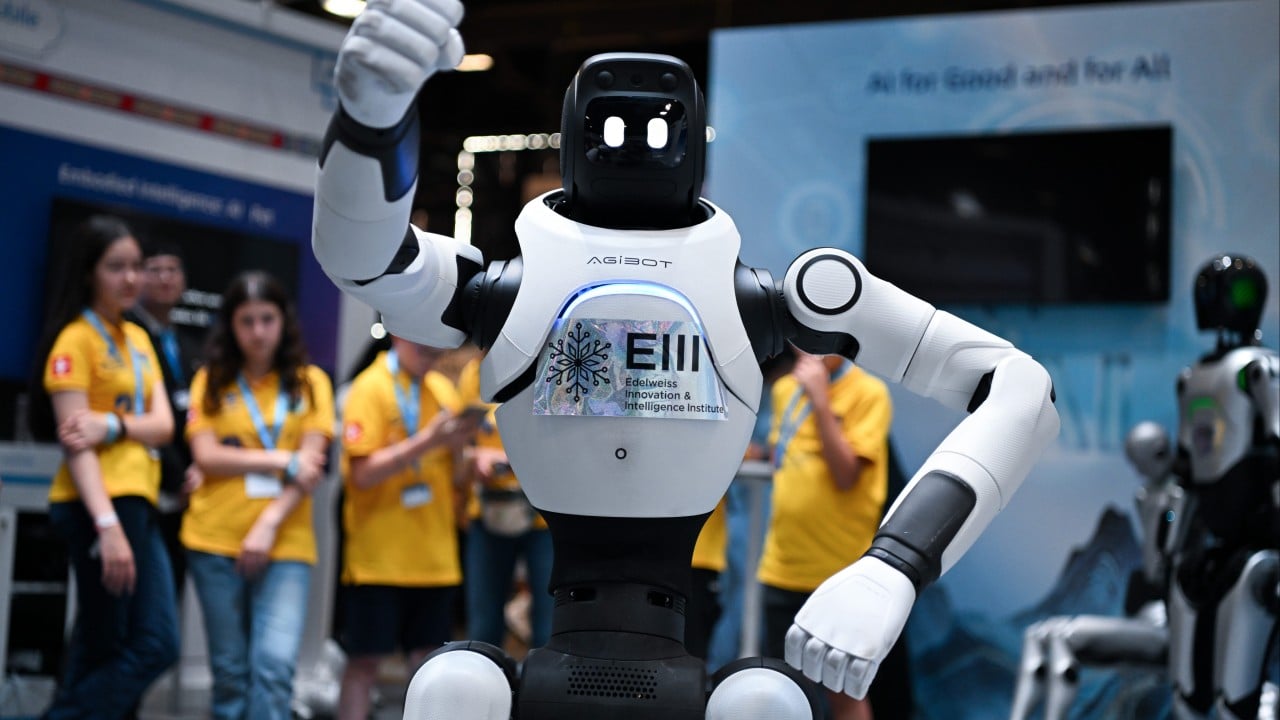
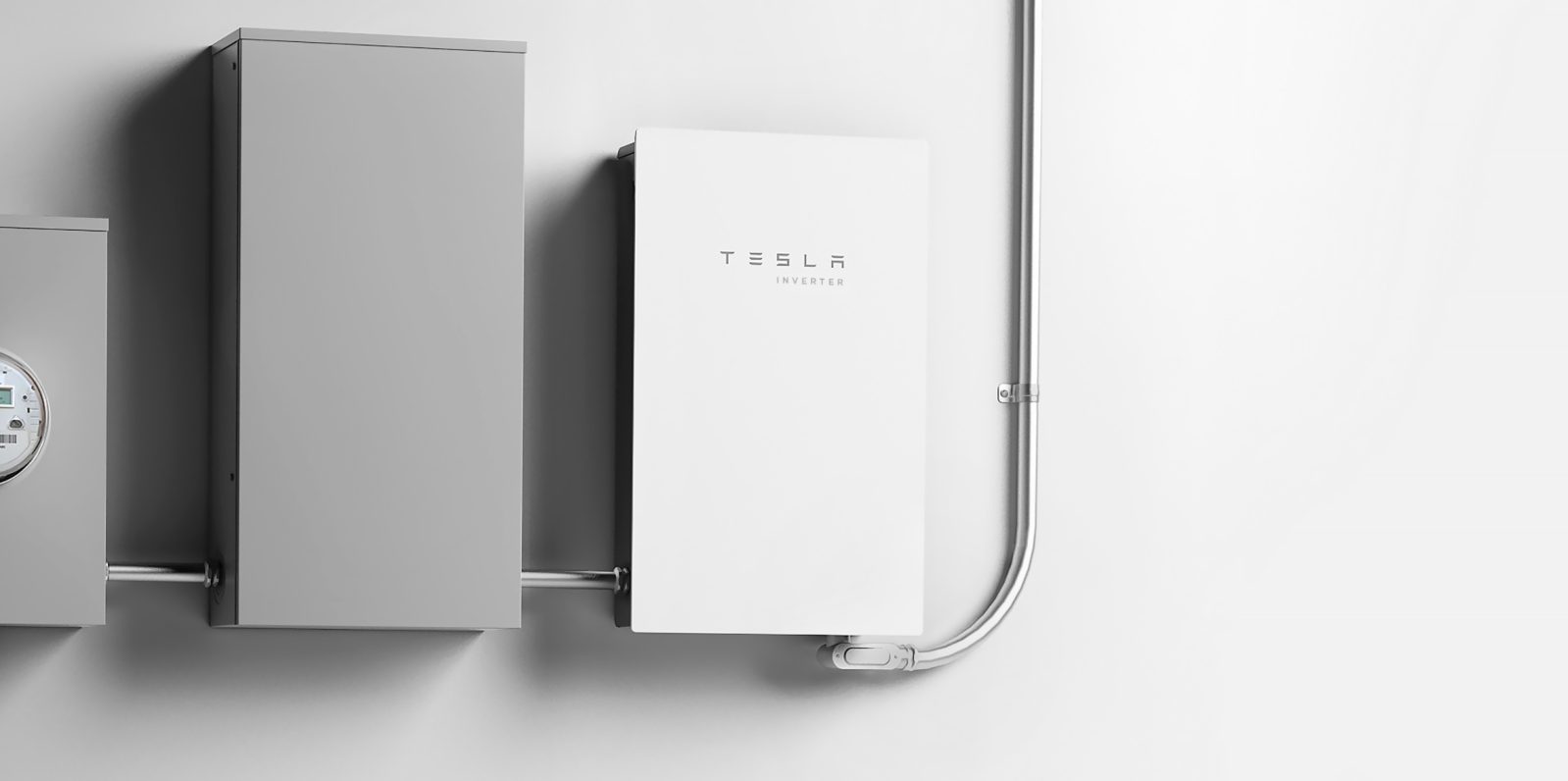
The Federal Communications Commission announced on July 28, 2026, a sweeping ban on foreign-manufactured advanced robotic devices and connected power inverters, citing national security and cybersecurity risks. The regulation specifically targets robot vacuums weighing over 4.4 pounds with autonomous capabilities, AI/machine-learning components, and network connectivity—directly impacting major brands including Roombas (iRobot), Shark (SharkNinja), Dyson, Roborock, and Ecovacs. This represents a critical compliance barrier for cross-border e-commerce sellers importing or reselling these devices from overseas manufacturers.
Compliance Requirements and Market Impact: The ban creates immediate operational challenges for sellers. While existing robot vacuum owners are not required to dispose of current devices and retailers may continue selling previously FCC-approved units, new inventory imports from foreign manufacturers face strict scrutiny. Sellers must verify product manufacturing origins and compliance status before listing on any platform. This regulatory shift eliminates an estimated 60-75% of the robot vacuum market currently supplied by foreign manufacturers, creating a significant competitive moat for domestically-manufactured alternatives. The Trump administration's determination that foreign-made devices pose "unacceptable risks due to supply chain vulnerabilities" signals intensified enforcement of manufacturing origin verification across consumer robotics categories.
Fast-Track Compliance Pathways: Sellers have three viable compliance strategies: (1) Pivot to domestic manufacturing: Source from U.S.-based manufacturers or brands with domestic production facilities—iRobot is collaborating with the FCC on implementation details, suggesting potential domestic production options; (2) Sell previously approved inventory: Continue liquidating FCC-approved units already in distribution channels until stock depletes; (3) Shift to compliant product categories: Migrate to robot vacuums manufactured in non-restricted countries or alternative cleaning devices (cordless vacuums, sweepers) that fall outside the autonomous robotics definition. The compliance cost for verifying manufacturing origins and obtaining FCC documentation is estimated at $500-2,000 per SKU, with certification timelines of 4-8 weeks for new products.
Category Winnowing and Service Gaps: This regulation eliminates approximately 40-50% of cross-border sellers currently importing robot vacuums from China, Vietnam, and other foreign sources. The market elimination creates opportunities for: (1) Compliance verification services: Demand for supply chain auditing and manufacturing origin documentation will surge; (2) Domestic alternative sourcing: Sellers can capture market share by identifying and promoting U.S.-manufactured robot vacuums; (3) Adjacent category expansion: Sellers can pivot to non-autonomous cleaning devices, smart home accessories without network connectivity, or power management solutions that bypass the ban. Estimated market shift: 30-40% of displaced sellers will migrate to alternative categories within 6 months, while 20-25% will exit the market entirely.
Questions 8
What is the fastest compliance path for sellers currently importing foreign robot vacuums?
The fastest compliance strategy is liquidating existing FCC-approved inventory while transitioning to domestic alternatives. Sellers can source from U.S.-based manufacturers or brands with domestic production facilities—iRobot is collaborating with the FCC on implementation details, suggesting potential domestic options. Alternatively, sellers can pivot to non-autonomous cleaning devices (cordless vacuums, sweepers) that fall outside the ban's scope. Compliance verification for new products requires 4-8 weeks and costs $500-2,000 per SKU. Immediate action: audit current inventory by August 15, 2026, and identify domestic suppliers by September 1, 2026.
How does the FCC ban eliminate competitors and create market opportunities?
The regulation eliminates approximately 40-50% of cross-border sellers currently importing robot vacuums from foreign manufacturers, creating a significant competitive moat for compliant sellers. The ban removes 60-75% of the current robot vacuum market supplied by foreign sources, allowing domestically-manufactured alternatives to capture market share. Sellers who quickly pivot to domestic sourcing or adjacent categories (non-autonomous cleaning devices, smart home accessories without network connectivity) can capture 20-30% additional market share from displaced competitors. This represents a $400-600M market opportunity for compliant sellers over 12 months.