





Google DeepMind Turmoil Signals AI Tool Delays | E-Commerce Sellers Face Slower Automation Adoption
- Leadership exodus and 3+ missed Gemini deadlines delay AI-powered seller tools by 6-12 months; competitors gain advantage in coding/agentic capabilities critical for e-commerce automation





Overview
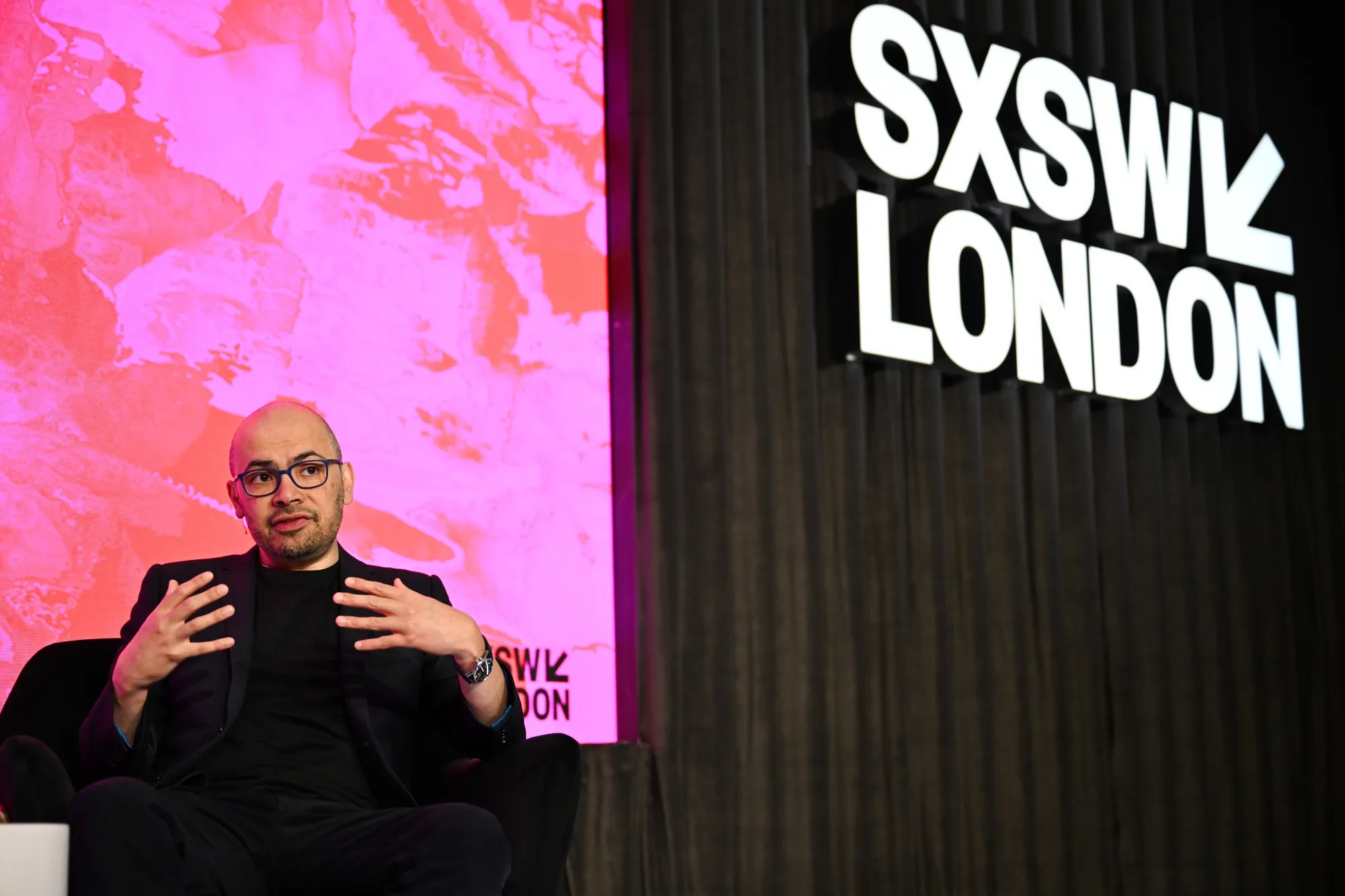
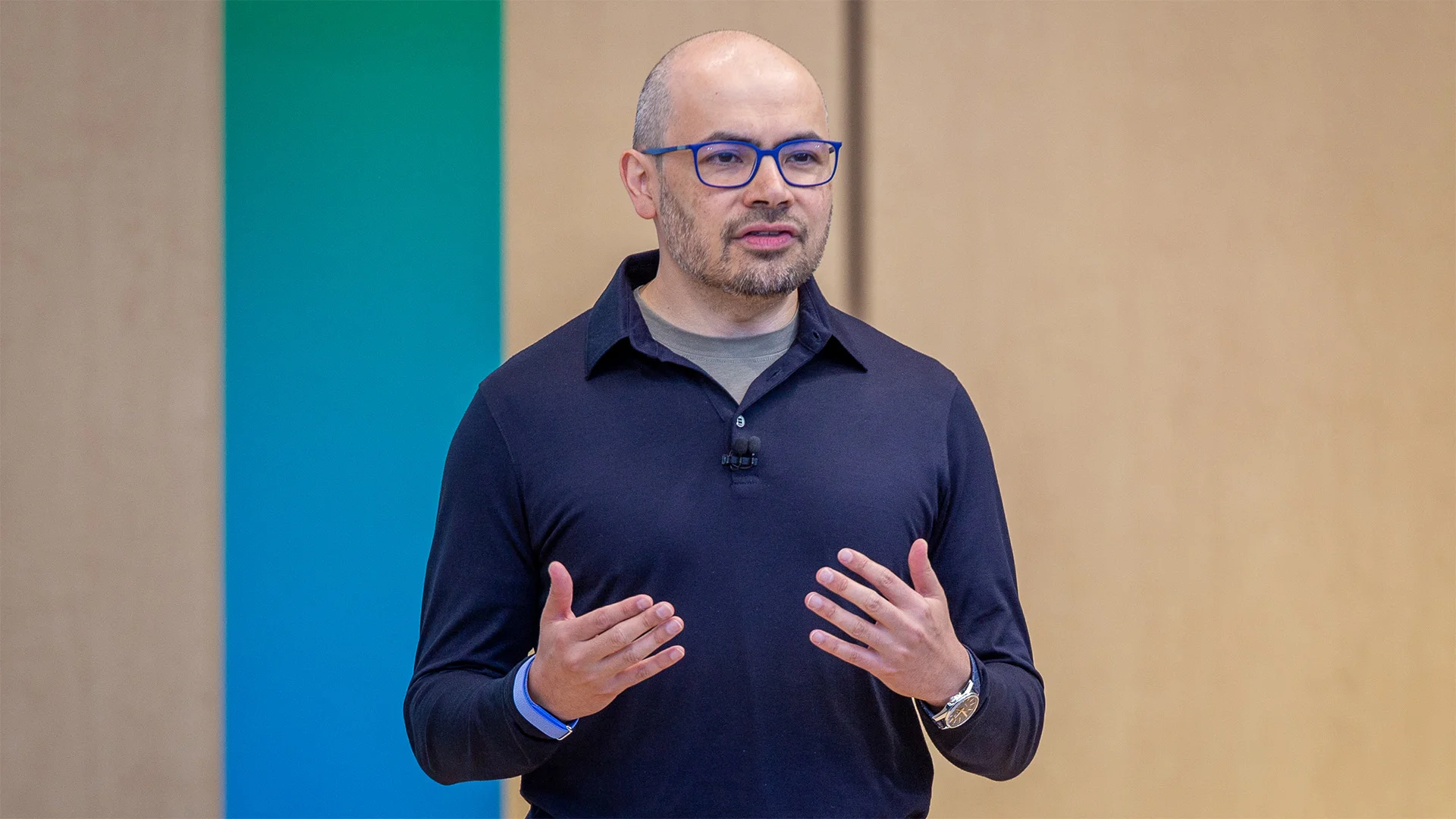
Google DeepMind's organizational collapse directly impacts e-commerce sellers' access to AI automation tools. CEO Demis Hassabis stepped down to chairman on Wednesday while CTO Koray Kavukcuoglu assumed operations, triggering departures of Chief Scientist Jeff Dean and AlphaFold researchers to Anthropic. The restructuring consolidates power toward Mountain View headquarters, diminishing London's autonomy. Critically, Gemini 3.5 Pro has missed three consecutive release deadlines due to inadequate prioritization of AI coding capabilities—the exact technology sellers need for product research automation, dynamic pricing, and customer service chatbots. According to Artificial Analysis CEO Micah Hill-Smith, Google's strongest model, Gemini 3.6 Flash, now ranks behind Anthropic, OpenAI, Chinese labs, xAI, and Meta on intelligence benchmarks.
For e-commerce sellers, this creates a 6-12 month delay in accessing Google's AI tools for automation. Sellers relying on Google Shopping, Merchant Center AI features, and planned Gemini-powered inventory optimization will experience slower feature rollouts. The talent exodus—particularly AlphaFold researchers joining Anthropic—signals that advanced coding AI (essential for building custom seller automation scripts) will mature faster at competitors. This directly impacts sellers' ability to automate product research, pricing optimization, and customer service at scale. Small sellers (1-50 SKUs) typically save 15-20 hours/week using AI tools; delays mean competitors using Anthropic's Claude or OpenAI's o1 models gain 6-month competitive advantage in automation ROI.
The competitive intelligence angle is critical: Anthropic and OpenAI are now 6+ months ahead in agentic AI capabilities. Sellers should immediately shift to alternative AI platforms—Claude for product research automation, OpenAI's o1 for pricing strategy analysis, and xAI's Grok for market sentiment analysis. Google's internal focus on "protecting search traffic" over advancing coding AI reveals strategic misalignment with seller needs. The second major catch-up effort in four years suggests Google's AI infrastructure for e-commerce automation will remain behind competitors through 2025. Sellers currently using Google Shopping feeds and Merchant Center should diversify to Amazon Advertising, TikTok Shop, and Shopify's AI tools immediately to avoid being locked into delayed technology.
Questions 8
How does the talent exodus to Anthropic affect seller access to advanced AI?
AlphaFold researchers and other top DeepMind scientists joining Anthropic means advanced coding AI will mature faster at competitors. Anthropic's Claude now outperforms Google's Gemini on intelligence benchmarks, and this talent influx will accelerate Claude's capabilities further. For sellers, this means Anthropic will likely release advanced agentic AI features (autonomous agents that manage pricing, inventory, and customer service) 6-12 months before Google. Sellers should prioritize building workflows around Claude and OpenAI's APIs now, rather than waiting for Google's delayed tools. The news reports this represents Google's second major catch-up effort in four years, indicating structural problems that won't resolve quickly. Sellers who adopt alternative AI platforms now will have 6+ months of competitive advantage in automation ROI.
What specific seller tasks are delayed by Gemini 3.5 Pro missing deadlines?
Gemini 3.5 Pro's three consecutive missed deadlines delay critical seller automation features: (1) Automated product research and competitor analysis, (2) Dynamic pricing optimization based on market conditions, (3) AI-powered customer service chatbots for Merchant Center. Engineers attributed delays to inadequate prioritization of AI coding capabilities—meaning sellers cannot build custom automation scripts using Google's tools. The news reports Google focused on protecting search traffic and chat interfaces rather than advancing agentic AI needed for e-commerce automation. Sellers should immediately implement alternative solutions: use Claude for product research (saves 8-10 hours/week), OpenAI for pricing analysis (saves 5-7 hours/week), and third-party chatbots for customer service (saves 10-15 hours/week).