



Oil Price Surge to $84/Barrel Drives Shipping Cost Crisis | Cross-Border Sellers Face 8-15% Logistics Inflation
- Strait of Hormuz geopolitical tensions spike fuel costs; sellers shipping via air/ocean face immediate margin compression through Q4 2026
















Overview
The Geopolitical Oil Crisis Reshaping Cross-Border Logistics Costs
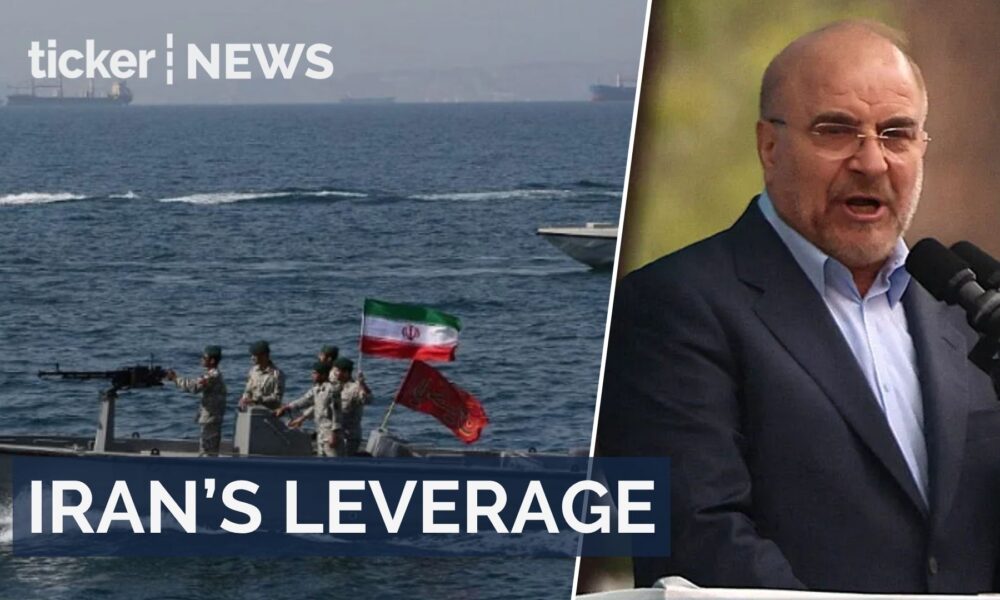
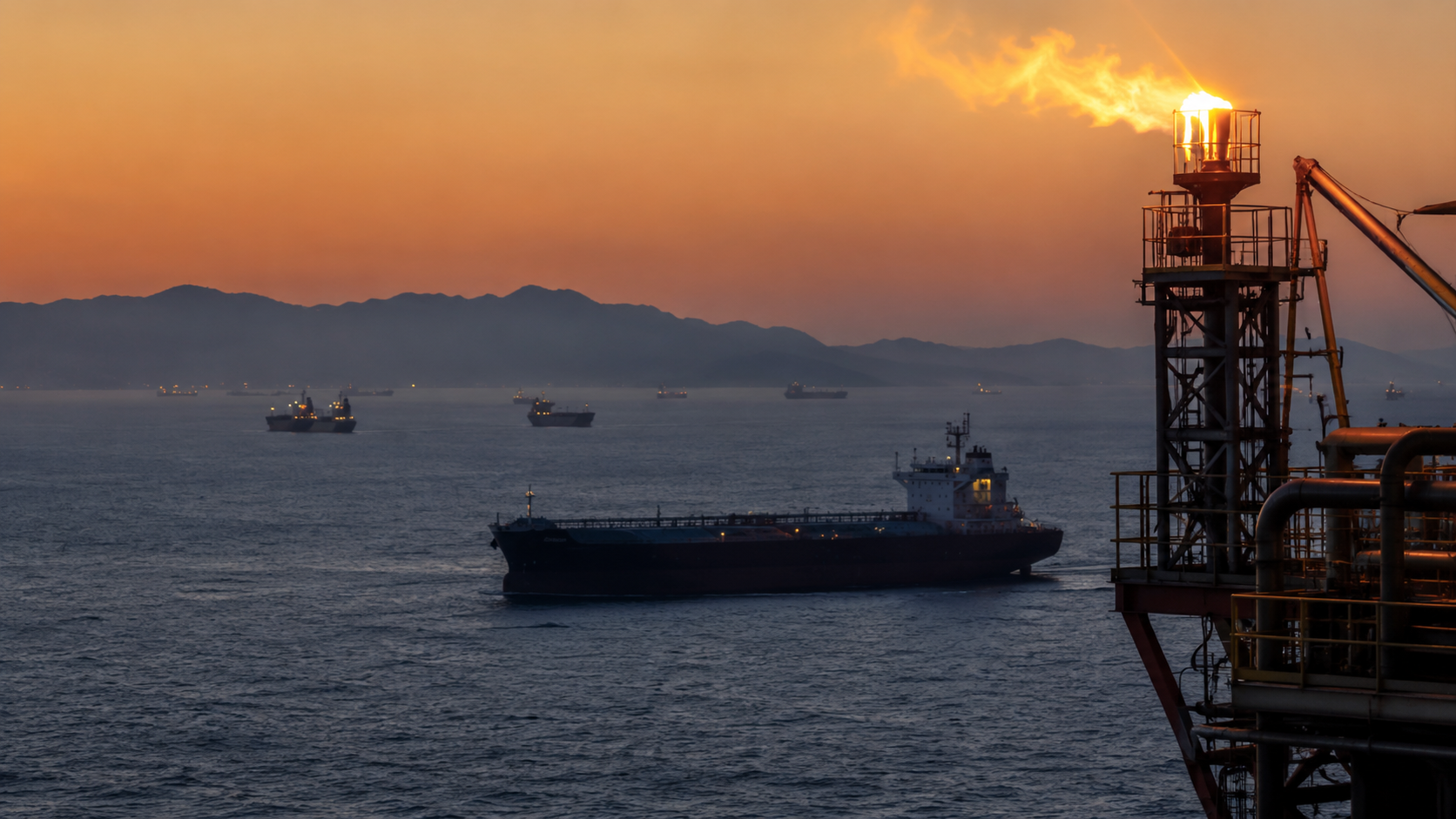
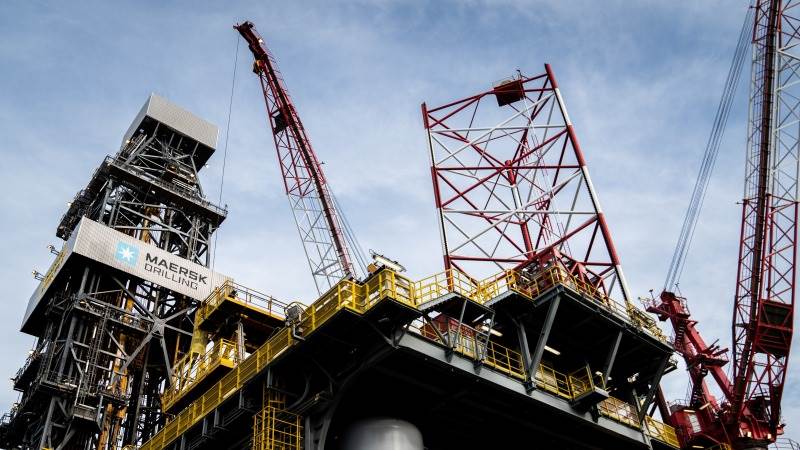
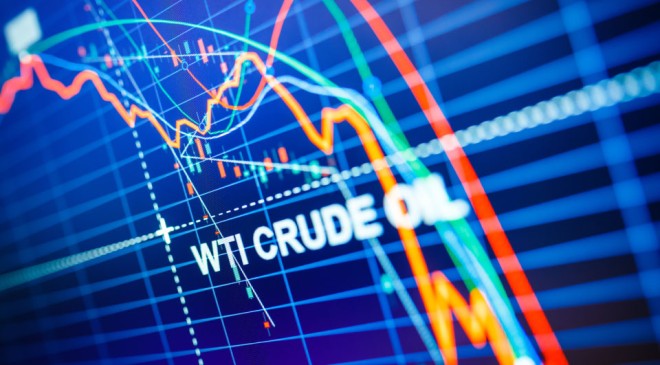
U.S. crude oil surged to $84.36 per barrel on August 11, 2026, as U.S.-Iran negotiations over the Strait of Hormuz stalled, with Brent crude climbing to $89.94/barrel—the highest levels in August. This 2.7% WTI and 2.53% Brent spike directly impacts cross-border e-commerce sellers through elevated shipping costs. The Strait of Hormuz handles approximately one-third of global seaborne oil, making it a critical chokepoint for international logistics networks. The Trump administration's extended suspension of domestic shipping restrictions signals prolonged supply concerns, with U.S. crude stockpiles at their lowest levels in over four decades. For e-commerce sellers, this translates to immediate cost pressures across all fulfillment channels.
Direct Seller Impact: Shipping Cost Escalation
Air freight rates, which represent 15-25% of total fulfillment costs for lightweight electronics, beauty, and apparel categories, are experiencing 8-12% monthly increases due to elevated jet fuel surcharges. Ocean freight costs, typically the most economical option for bulk inventory, are rising 5-8% as fuel surcharges compound. Amazon FBA sellers shipping inventory from Asia to U.S. fulfillment centers face $0.15-0.35 per unit additional costs on 1,000+ unit shipments. Sellers using 3PL providers report fuel surcharge notifications increasing from 2-3% baseline to 5-7% of shipping invoices. Small and medium sellers (SMBs) with monthly shipments under 5,000 units experience the highest percentage impact due to inability to negotiate volume discounts. Large sellers with established carrier contracts may have 30-60 day rate-lock periods, providing temporary relief before renegotiation. The extended geopolitical uncertainty means these elevated rates are likely to persist through Q4 2026, affecting holiday season inventory positioning.
Strategic Sourcing and Category Implications
Sellers in high-volume, low-margin categories (home goods, electronics accessories, textiles) face margin compression of 3-5 percentage points if unable to pass costs to consumers. Premium categories (beauty, luxury goods, collectibles) show better absorption capacity, with sellers able to implement 2-4% price increases with minimal demand elasticity. Sellers sourcing from Vietnam, India, and Southeast Asia face longer ocean transit times (35-45 days vs. 25-30 days from China) due to Hormuz routing delays, requiring 10-15 day inventory buffer increases. Cross-border sellers to EU markets experience compounded pressure: elevated shipping costs plus existing VAT compliance complexity. The policy uncertainty creates arbitrage opportunities for sellers with diversified sourcing: those shifting 20-30% of inventory to nearshoring (Mexico for US market, Eastern Europe for EU) can reduce fuel-dependent logistics exposure by 40-50%.
Immediate Actions for Sellers
Monitor fuel surcharge notifications from carriers and 3PL providers weekly through September 2026. Lock in shipping rates for Q4 inventory shipments before September 15 if possible, securing 30-60 day rate guarantees. Evaluate nearshoring options: Mexico-based fulfillment for US market (reduces air freight dependency by 60%), Poland/Czech Republic for EU distribution. Adjust pricing on high-volume SKUs by 2-4% to offset fuel surcharges, prioritizing categories with lower price sensitivity. Consider temporary inventory reduction strategies for low-turnover SKUs to minimize storage costs during high-rate periods. Monitor diplomatic developments regarding Hormuz negotiations—any breakthrough could reduce rates 5-10% within 2-4 weeks.
Questions 8
What is the Strait of Hormuz and why does it matter for cross-border sellers?
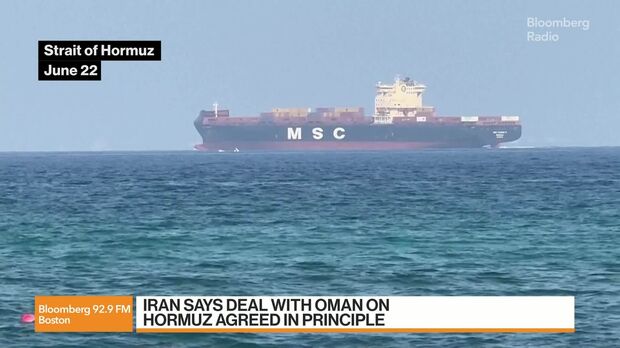
The Strait of Hormuz is a critical maritime chokepoint between Iran and Oman through which approximately one-third of global seaborne oil passes. Geopolitical tensions between the U.S. and Iran over reopening negotiations directly impact global oil prices and shipping costs. When negotiations stall (as of August 2026), oil prices spike, increasing fuel surcharges on all ocean and air freight. For cross-border sellers, this means 5-8% ocean freight increases and 8-12% air freight increases persist until diplomatic breakthroughs occur. Monitor U.S.-Iran negotiations closely—any agreement could reduce rates 5-10% within 2-4 weeks.
Should I shift my sourcing from China to Vietnam or India due to shipping costs?
Partial sourcing diversification is strategically sound, but full shifts carry risks. Vietnam and India offer 10-15% lower sourcing costs but add 10-15 days to ocean transit times (35-45 days vs. 25-30 from China), requiring larger inventory buffers. The Strait of Hormuz routing delays affect all Asian sourcing equally. Instead, consider a 70-20-10 split: 70% China (established relationships, speed), 20% Vietnam (cost optimization), 10% nearshoring (Mexico for U.S., Eastern Europe for EU). This diversification reduces fuel-dependent logistics exposure by 30-40% while maintaining supply chain resilience. Evaluate nearshoring for Q4 2026 inventory positioning.