




China's 97% Humanoid Robot Dominance Reshapes E-Commerce Supply Chains | Automation Acceleration Drives 272% YoY Growth
- Chinese manufacturers control 19,100 H1 2026 units (272% YoY surge); 500K units projected by 2030; sellers face supply chain automation, cost compression, and logistics disruption risks






















Overview
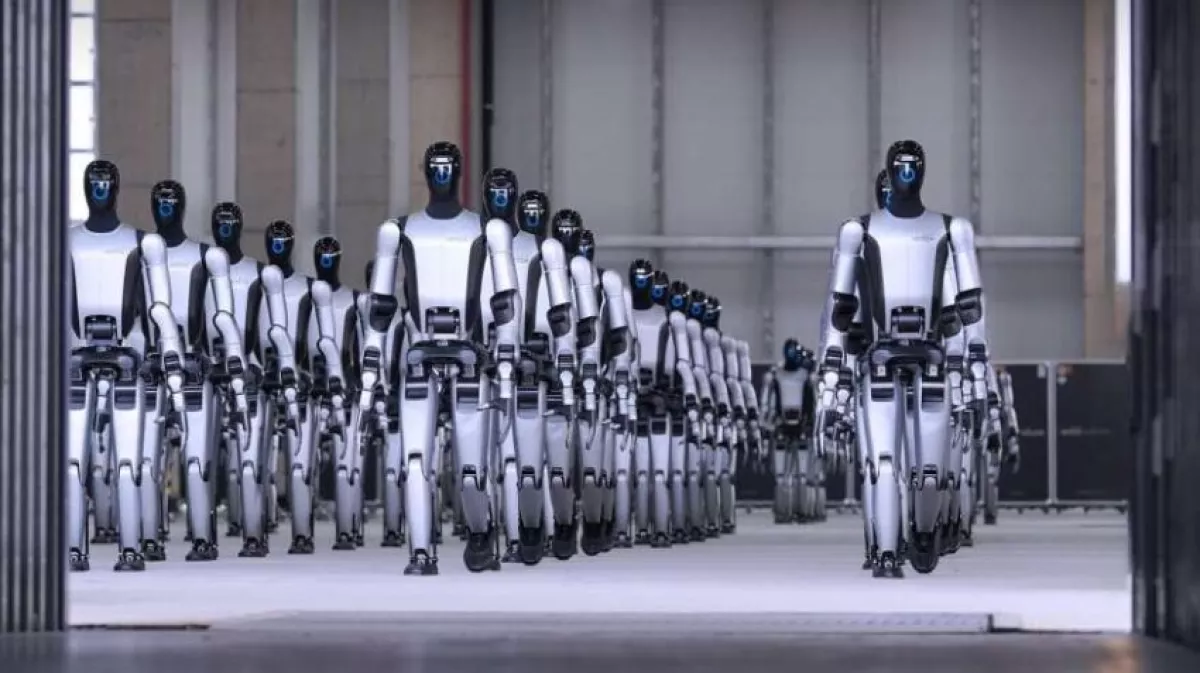
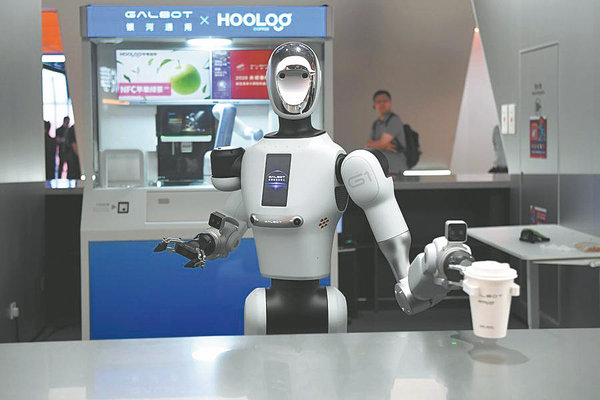
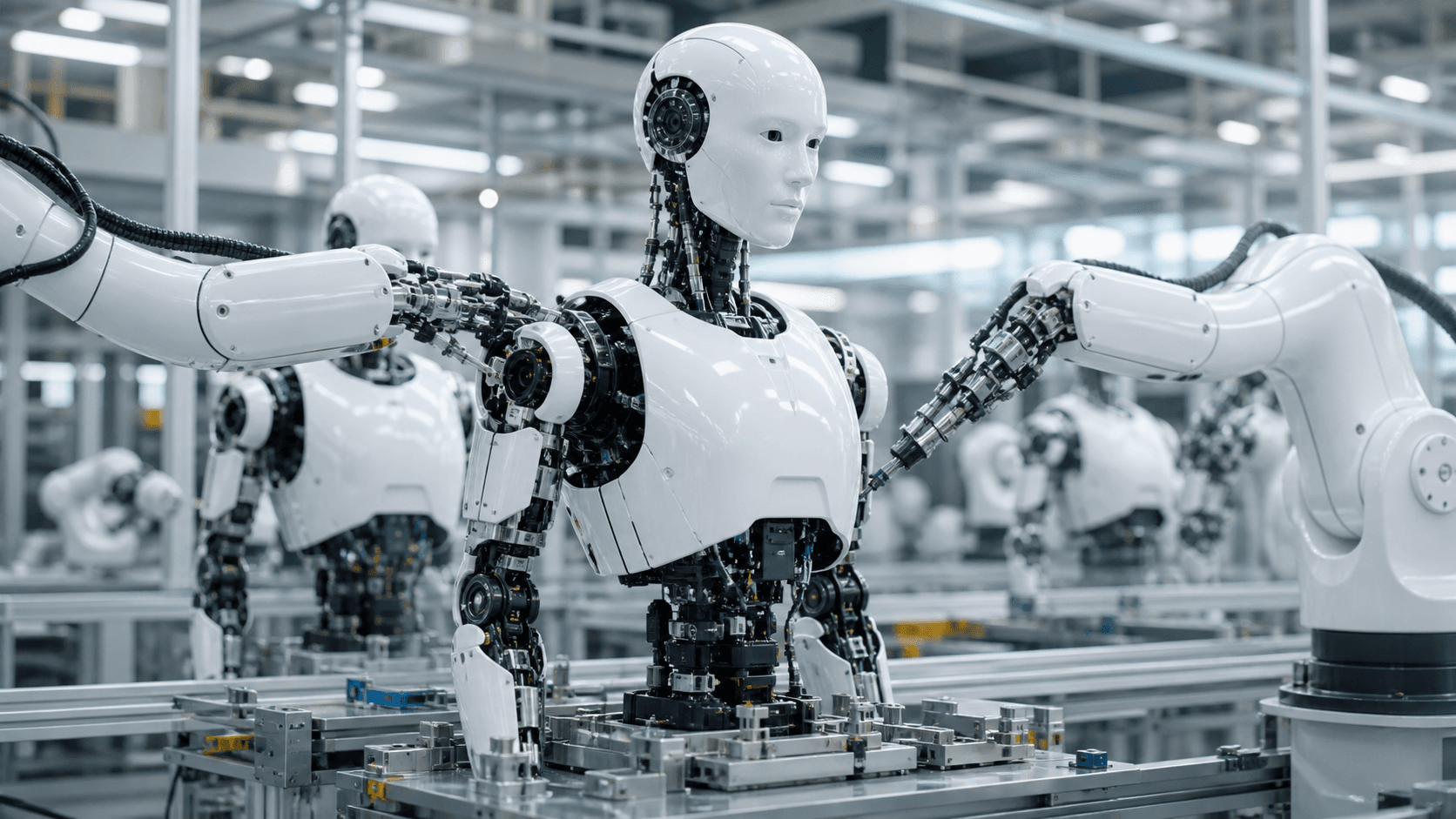
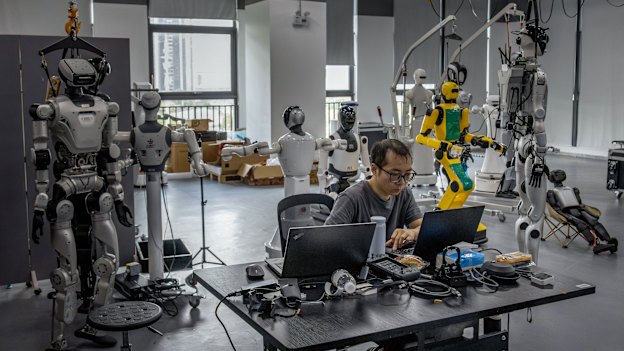
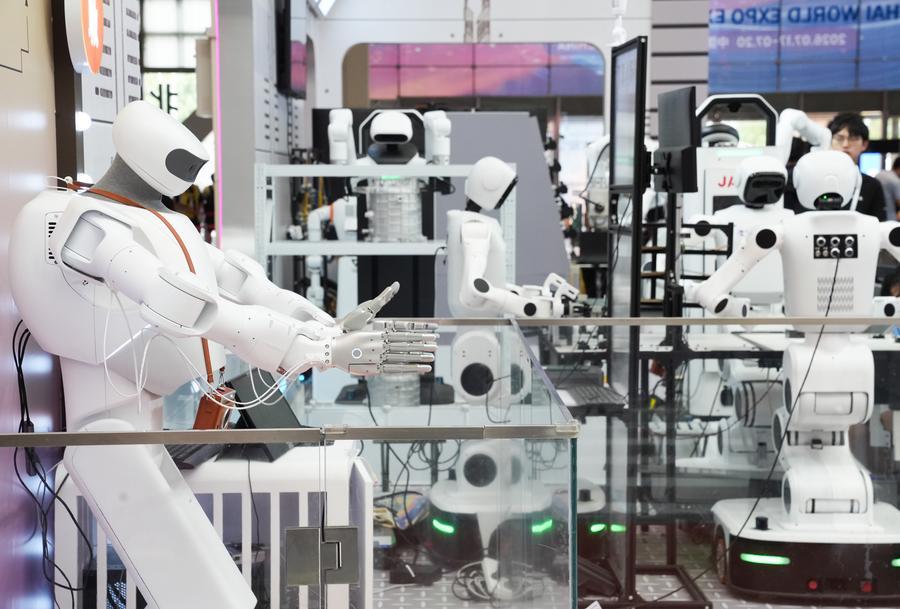
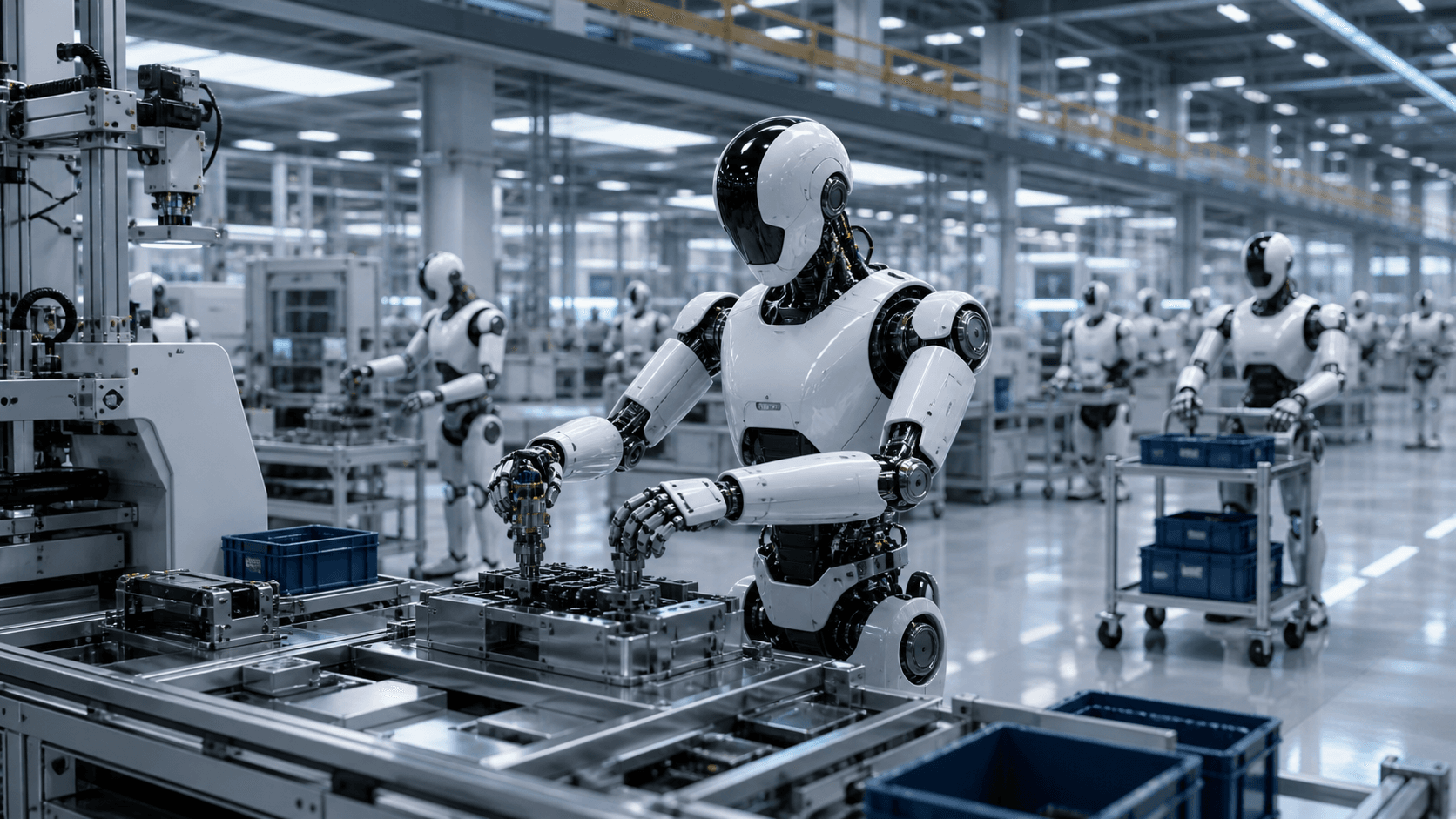
China's humanoid robotics dominance is fundamentally reshaping e-commerce supply chain economics. Chinese manufacturers captured 97% of global humanoid robot shipments in H1 2026—approximately 19,100 units—representing a 272% year-over-year surge from 5,100 units in H1 2025, according to Smart Analytics Global. This explosive growth reflects industrial-scale deployment across manufacturing, logistics, and warehouse automation. Global shipments are projected to reach 60,000 units in full-year 2026 and 500,000 units by 2030. For cross-border e-commerce sellers, this development carries three critical implications: supply chain cost compression, operational disruption during factory automation transitions, and competitive pressure from Chinese suppliers leveraging automation advantages.
AI-Powered Automation Opportunities for Sellers: The immediate opportunity lies in automating supplier intelligence and supply chain monitoring. Sellers can deploy AI-powered tools to track which Chinese manufacturers are adopting humanoid robots, predict lead time changes, and identify cost reduction windows. Specifically, sellers should use AI web scraping and sentiment analysis to monitor Chinese factory announcements (Alibaba, Made-in-China, industry forums) for automation deployment timelines. This data reveals 30-60 day windows before production disruptions occur, enabling sellers to front-load inventory or shift to alternative suppliers. Time savings: 8-12 hours/week of manual supplier research can be automated. Tools like Zapier + ChatGPT can automatically flag supplier announcements mentioning "humanoid," "automation," or "factory retooling," triggering alerts for inventory planning.
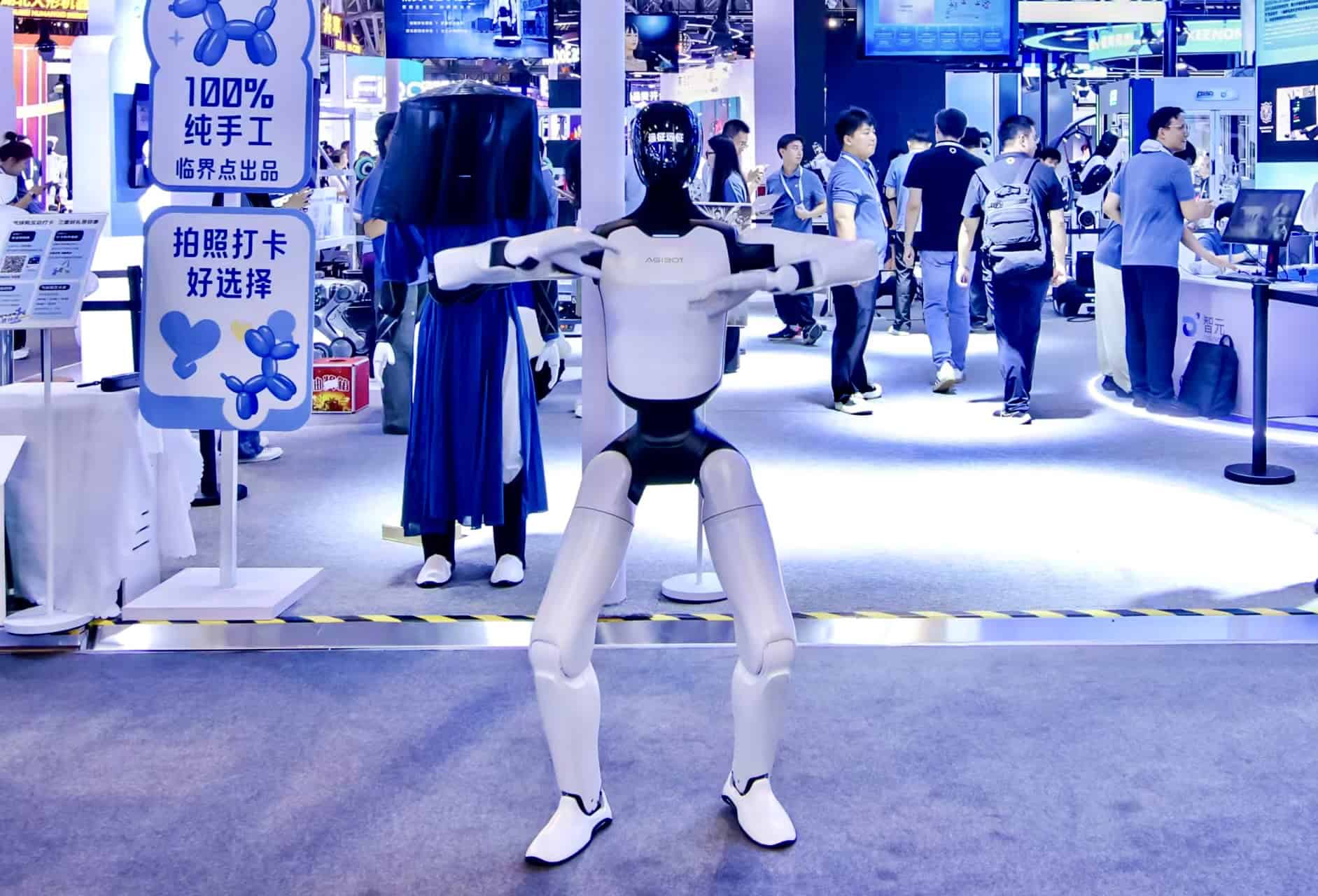
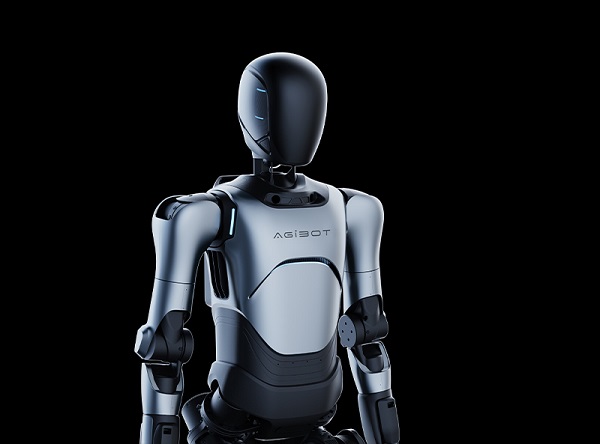
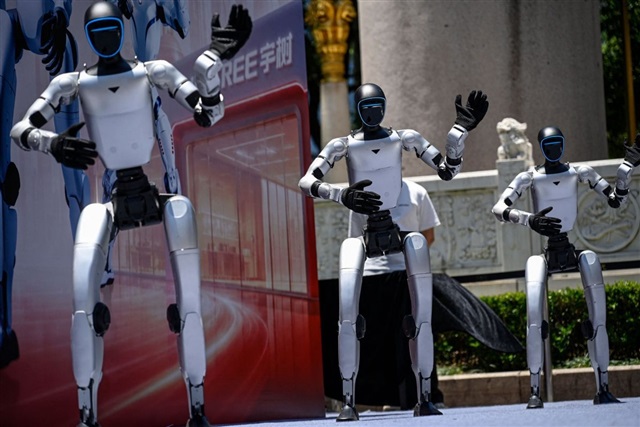
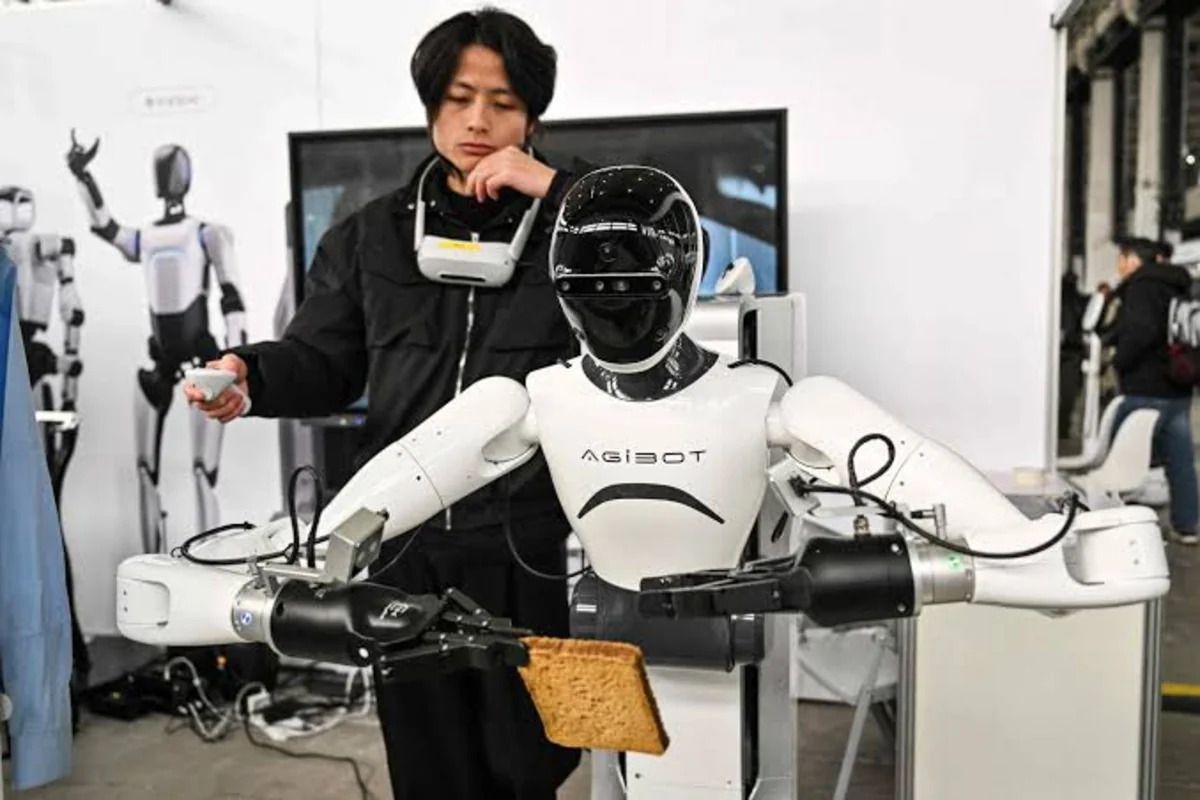
Data-Driven Competitive Intelligence: The news reveals AGIBOT (44% market share, 8,400 units H1 2026) and Unitree Robotics (31% market share, 5,900 units) are the dominant players. Sellers sourcing from these manufacturers' supply chains face 15-25% cost reductions over 18-24 months as automation scales. However, the transition period (Q4 2026-Q2 2027) creates supply disruptions—minimum order quantities may increase 20-30%, lead times may extend 2-4 weeks, and production flexibility may decrease. AI opportunity: Build predictive models analyzing AGIBOT and Unitree's quarterly shipment growth rates (AGIBOT: 562% YoY) to forecast when their suppliers will reach automation saturation. Sellers can then time inventory purchases before price increases or shift to secondary suppliers. ROI: 5-8% margin improvement through timing optimization.
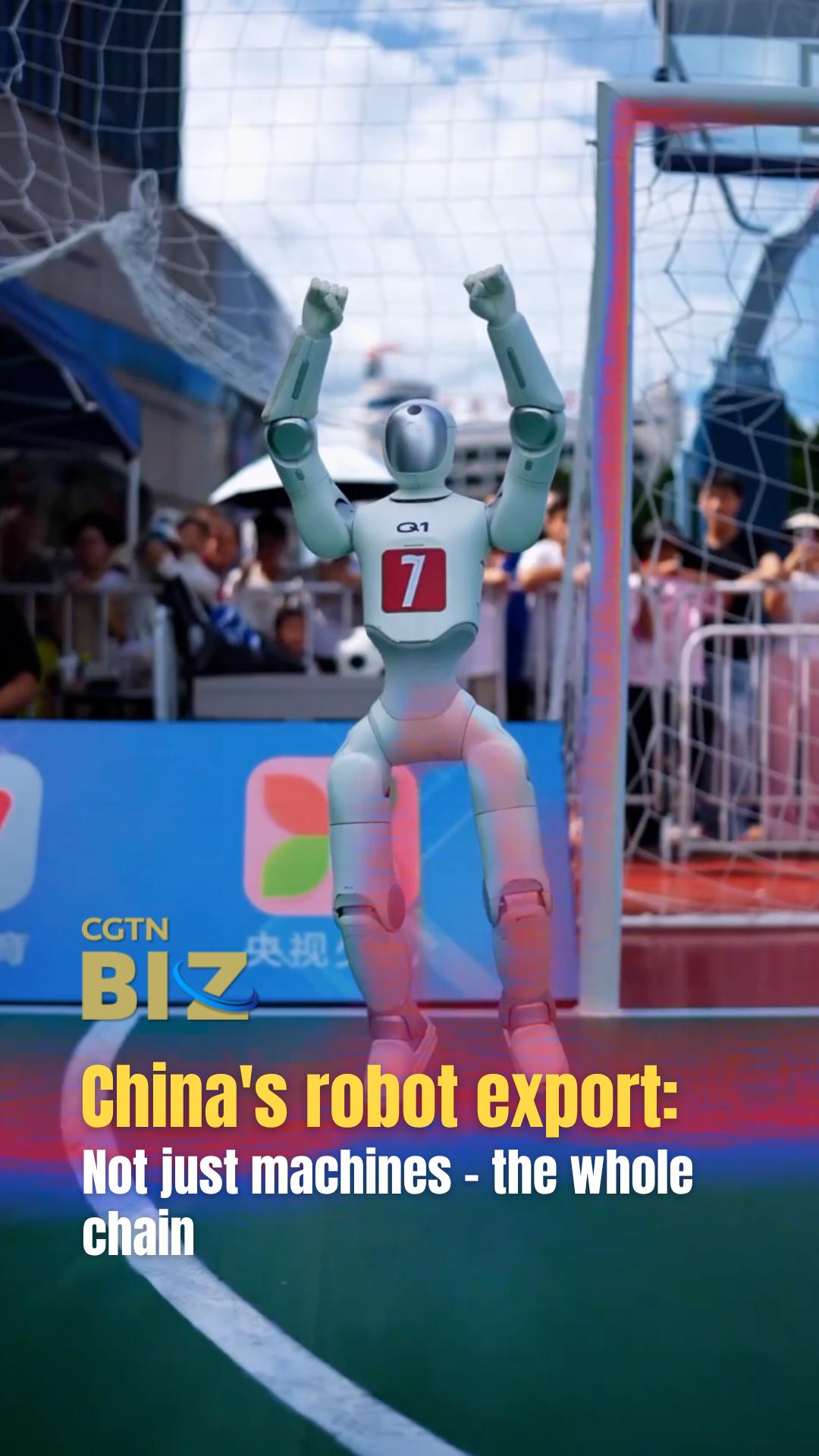
Strategic Supply Chain Repositioning: Over 90% of Chinese humanoid robot components are domestically sourced, creating a vertically integrated ecosystem that reduces costs but increases supply concentration risk. Sellers should use AI to diversify supplier bases—identify non-Chinese manufacturers in Vietnam, India, and Mexico who can absorb orders during Chinese factory transitions. The news indicates China's industrial robot exports reached 6.29 billion yuan in H1 2026 (359% growth), signaling aggressive international expansion. This means Chinese suppliers will increasingly prioritize domestic automation over export orders. Immediate action: Audit top 20 suppliers for automation adoption rates; allocate 15-20% of orders to non-Chinese alternatives by Q1 2027 to mitigate supply risk.
Questions 8
How can I leverage automation cost reductions to improve my competitive positioning?
Chinese manufacturers will achieve 15-25% cost reductions over 18-24 months through humanoid robot deployment. Sellers can capture this advantage by: (1) timing inventory purchases before price increases (by September 2026), (2) negotiating volume discounts based on supplier cost savings, and (3) using AI to identify which product categories benefit most from automation (electronics, apparel, home goods typically see 20-30% cost compression). Sellers who secure long-term contracts at current prices before Q4 2026 can lock in 8-12% margin improvements while competitors face price increases during the transition period.
What is the timeline for Chinese factory automation to impact my supply chain?
The transition period is Q4 2026 through Q2 2027. Global humanoid robot shipments are projected to reach 60,000 units in full-year 2026 and 500,000 units by 2030, indicating rapid factory deployment. AGIBOT reached its 15,000th robot in June 2026 (just 3 months after the 10,000-unit milestone), demonstrating acceleration. Supply disruptions typically occur 2-4 weeks after factory retooling begins. Sellers should front-load inventory by September 2026 and finalize alternative supplier agreements by October 2026 to avoid Q1 2027 supply shocks.