

US Drone Ban 2026 | Amazon/eBay Sellers Face Inventory Liquidation Crisis
- FCC bans all foreign drones and DJI products from US market starting 2026; sellers must liquidate inventory before September 2025 enforcement deadline or face forced delisting from Amazon and eBay




Overview
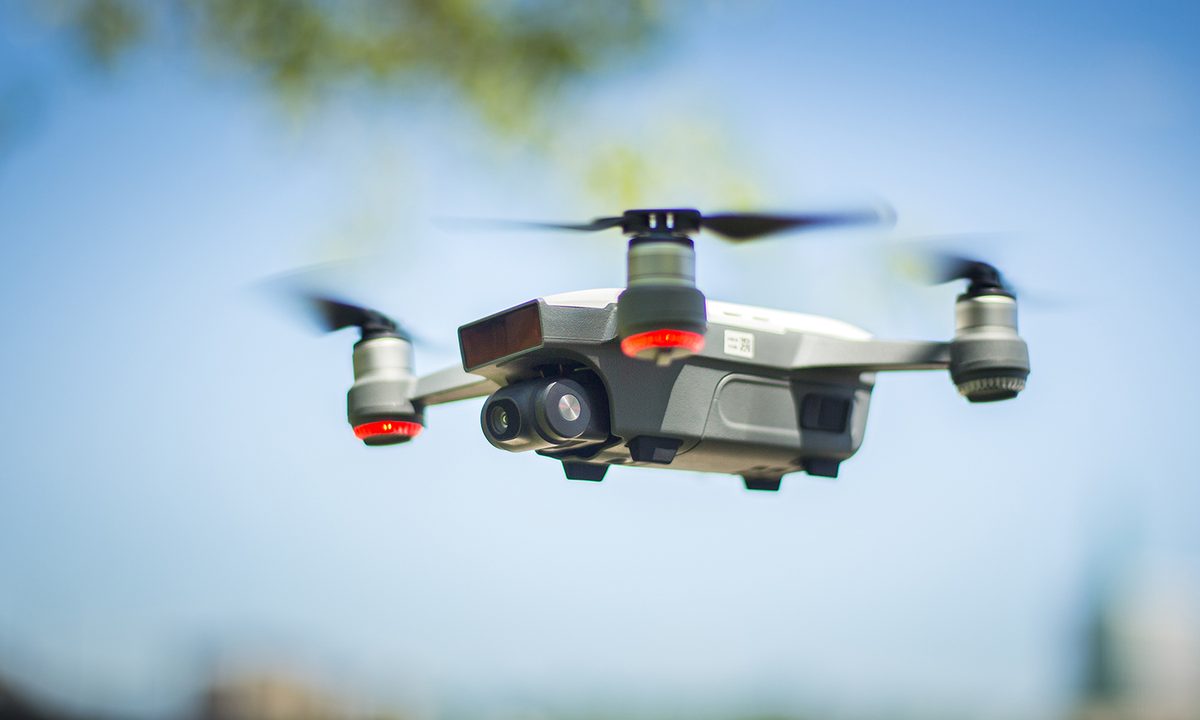
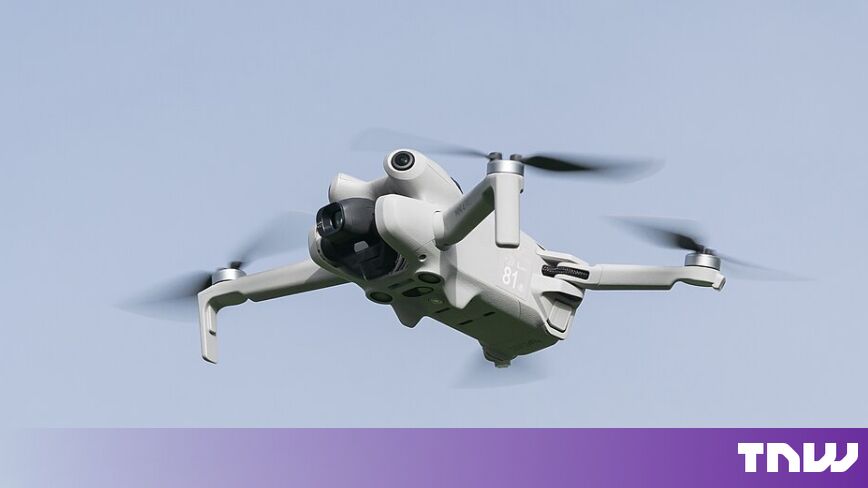
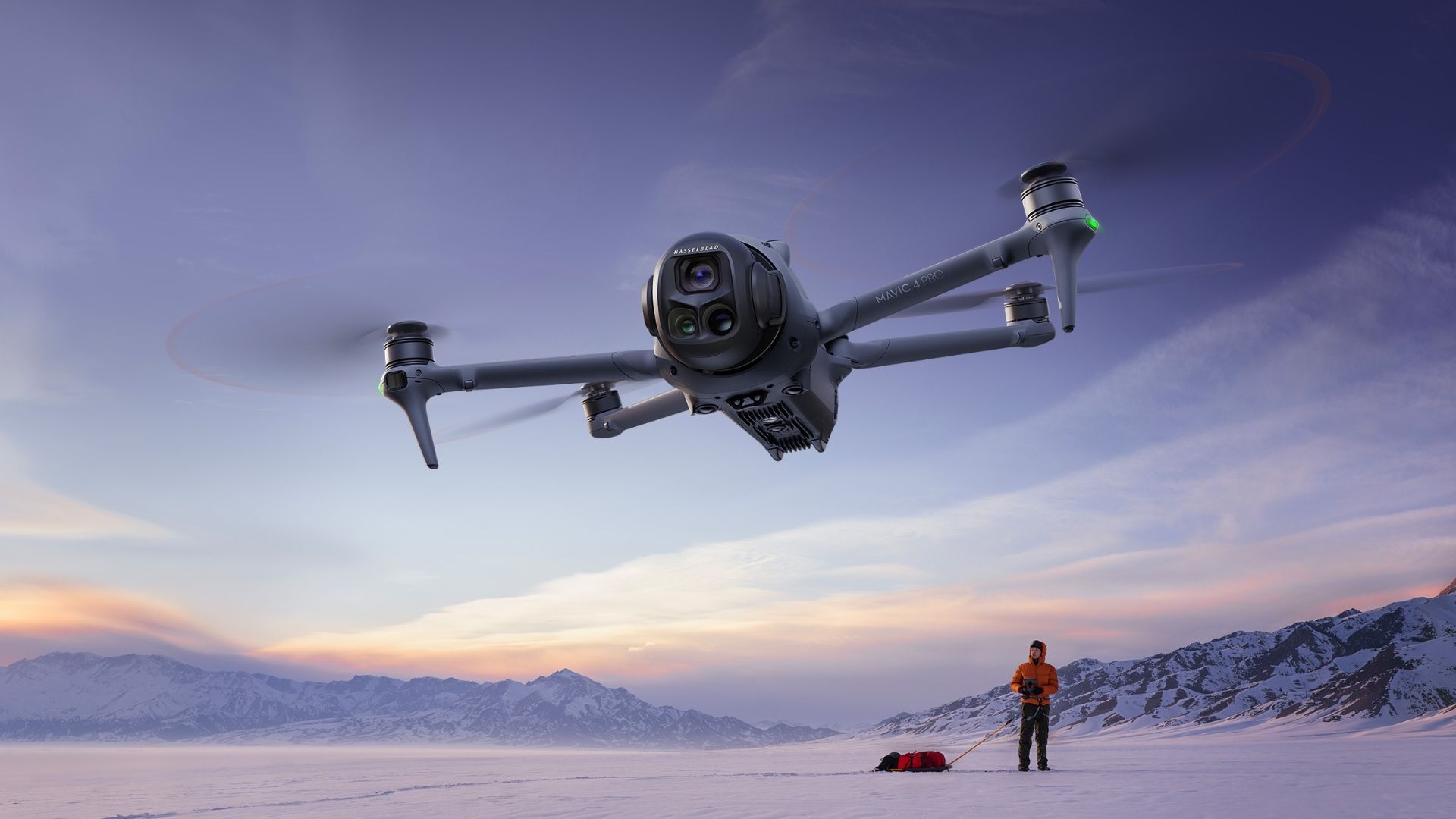
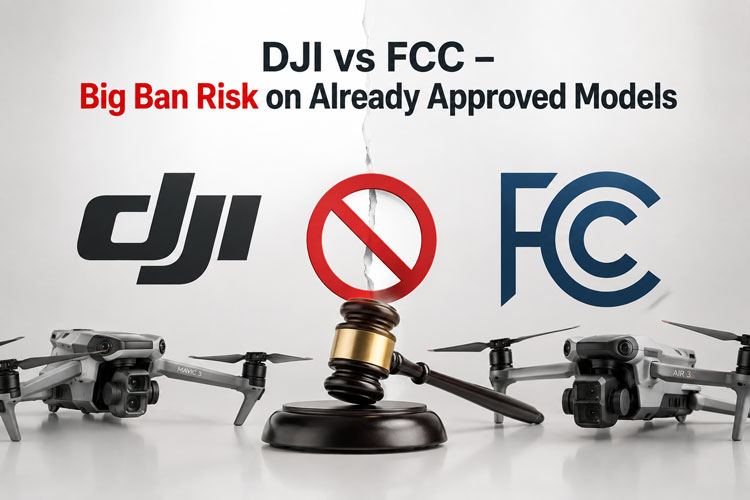
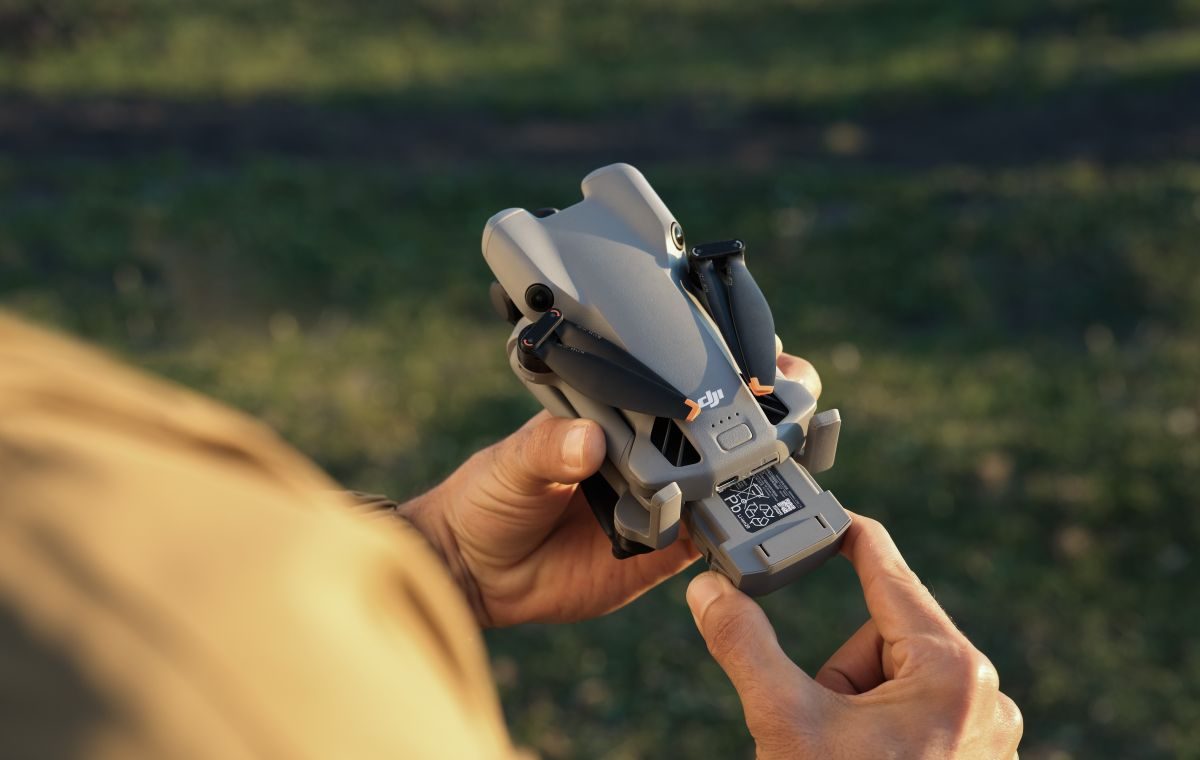
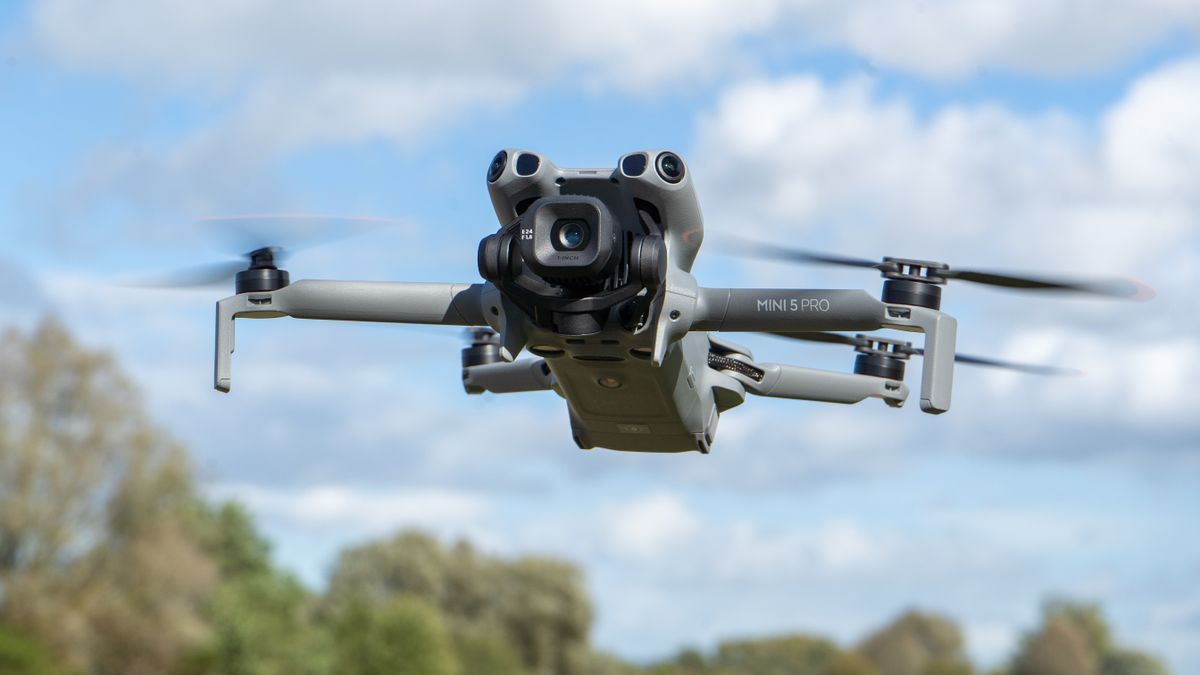
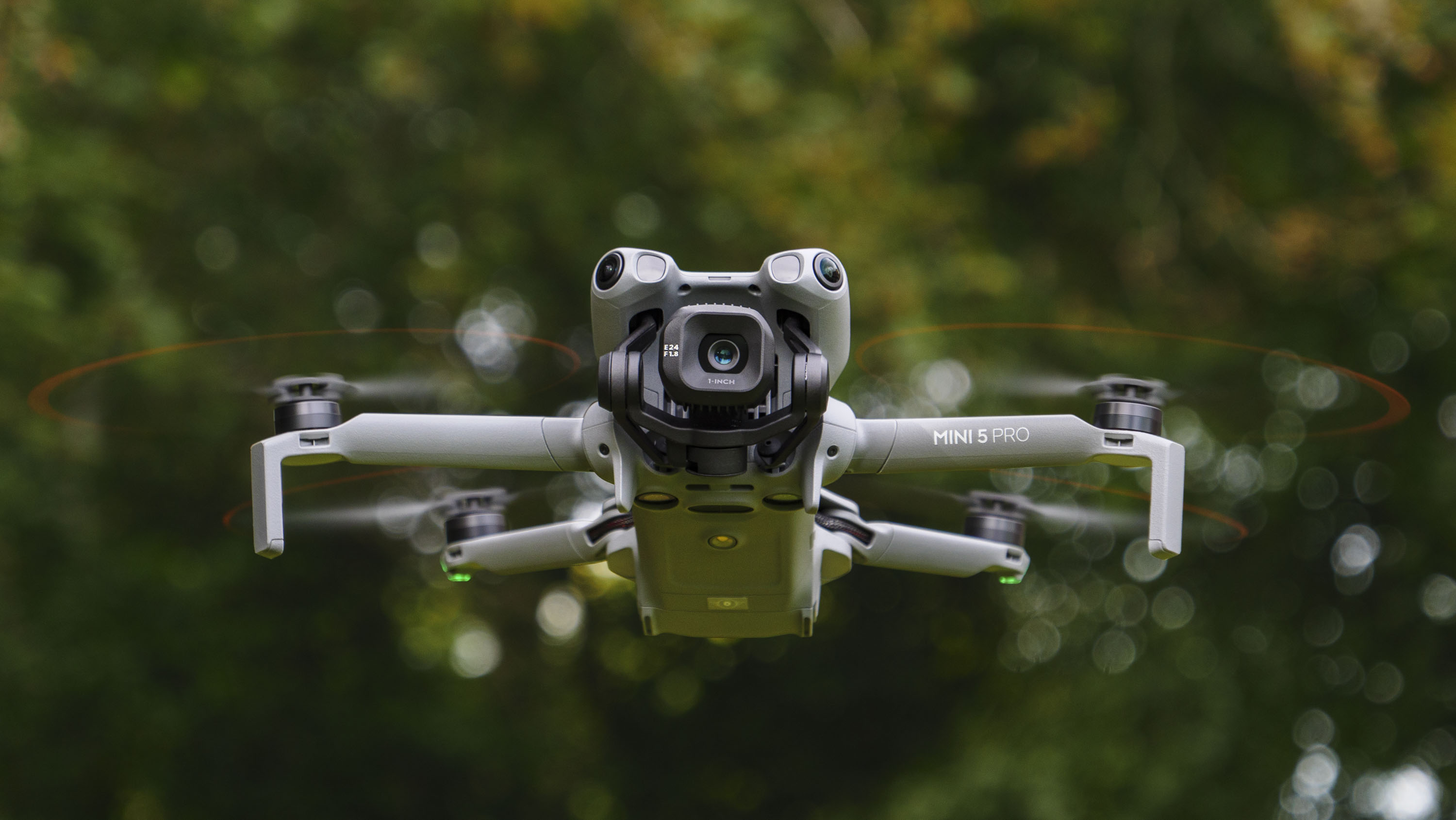
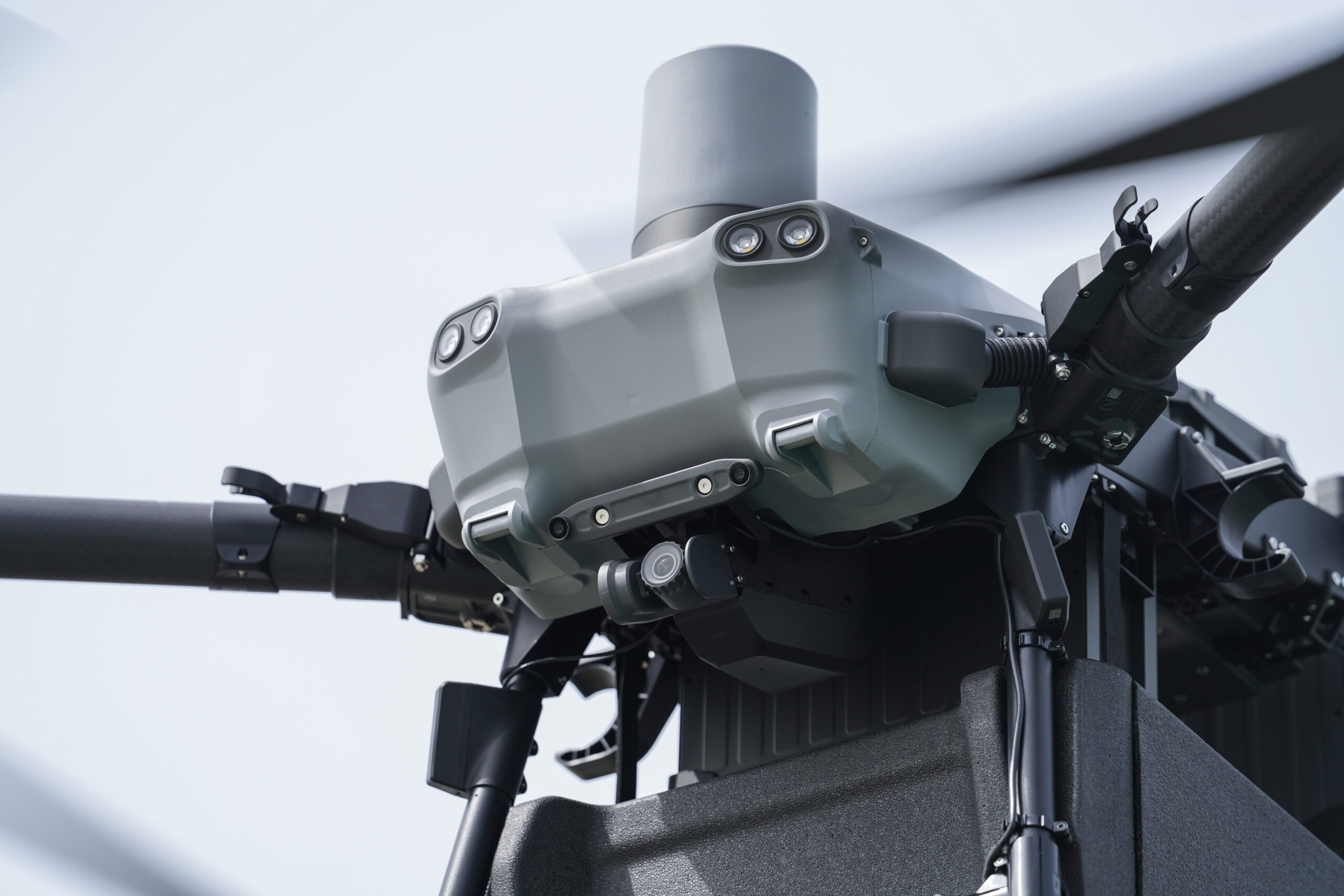
The Federal Communications Commission (FCC) has added all foreign-manufactured drones and DJI camera equipment to its Covered List, prohibiting their sale in the United States starting in 2026—creating an unprecedented regulatory crisis for cross-border e-commerce sellers. This enforcement stems from the 2024 National Defense Authorization Act (NDAA), which mandated that DJI and Autel equipment pass security audits by December 23, 2025, or face inclusion on the Covered List. The government did not conduct the required audit, triggering automatic ban implementation. The restriction applies to all future foreign drone releases and DJI's entire product line, including the Osmo Pocket 4P vlogging camera, Lito drones, and HoverAir Aqua—products that launched successfully in other markets but cannot be sold in the US. The FCC is now moving to revoke authorizations for previously approved DJI models, DJI clones (Xtra cameras, Skyrover drones), and advanced models with LiDAR technology, thermal cameras, or military-grade capabilities, with final decisions expected in early September 2025.
For cross-border e-commerce sellers, this creates immediate operational challenges across Amazon, eBay, and other marketplaces. Sellers currently stocking DJI drones face potential inventory obsolescence and forced delisting from major platforms. The regulatory uncertainty is triggering rapid price adjustments as sellers attempt to liquidate affected inventory before enforcement deadlines. Marketplace platforms will likely implement compliance measures requiring sellers to verify product approval status before listing. This represents a concrete enforcement action—not merely a warning—signaling escalating US-China tensions in the technology sector and broader regulatory trends toward stricter vetting of foreign technology imports.
The competitive landscape is shifting dramatically. Competitors in the drone market, including US-based manufacturers like Holy Stone, Potensic, and Ruko, may benefit from reduced competition as Chinese manufacturers exit the market. However, sellers who previously relied on DJI's market dominance face significant revenue loss. The FCC has also added Wi-Fi routers, portable power stations, and robot vacuums to the Covered List, indicating this regulatory approach extends beyond drones to all wireless-enabled consumer electronics from foreign manufacturers. DJI filed a lawsuit in February 2025 challenging the ban as a Fifth Amendment due process violation, but legal outcomes remain uncertain. Existing drone owners can continue using their equipment under FAA regulations, but content creators and professionals face limited access to latest innovations, reducing the addressable market for new product sales.
Immediate seller actions are critical. Sellers must audit their current inventory against the FCC Covered List by early September 2025 to identify affected SKUs. Those holding DJI inventory should prioritize liquidation through clearance pricing, bundle deals, or alternative marketplaces before enforcement begins. Sellers should monitor FCC official communications for the final decision timeline on previously approved models—this window determines how much legacy inventory can still be sold legally. Consider shifting sourcing to US-based drone manufacturers or exploring alternative categories (action cameras, gimbal stabilizers, accessories) that may not face the same regulatory restrictions. Platform compliance will become mandatory, so sellers should prepare product approval documentation and be ready to delist non-compliant items on Amazon and eBay within 30-60 days of enforcement announcement.
Questions 8
How should sellers prepare for FCC enforcement in September 2025?
Sellers should immediately audit their current inventory against the FCC Covered List to identify affected SKUs and calculate potential losses. Create a liquidation timeline with aggressive pricing strategies to clear DJI inventory before the September 2025 enforcement deadline. Prepare product approval documentation for all remaining inventory and establish relationships with alternative suppliers for US-based drone manufacturers. Monitor FCC official communications and subscribe to regulatory alerts to track the final decision timeline on previously approved models. Update Amazon Seller Central and eBay Seller Hub listings to remove banned products within 30-60 days of enforcement announcement. Consider consulting with a trade compliance specialist to understand tariff implications and potential duties on liquidated inventory. Develop a contingency plan for revenue replacement, including category diversification and market expansion to alternative platforms or geographic regions.
What alternative product categories should sellers consider instead of drones?
Sellers should explore complementary categories that may not face the same regulatory restrictions, including action cameras (GoPro alternatives), gimbal stabilizers, drone accessories (batteries, propellers, cases), and vlogging equipment. The FCC's expansion of the Covered List to include Wi-Fi routers, portable power stations, and robot vacuums suggests that wireless-enabled consumer electronics face heightened scrutiny, so sellers should prioritize non-wireless or US-manufactured alternatives. Consider shifting sourcing to US-based manufacturers in the drone and electronics categories to mitigate regulatory risk. Sellers can also explore adjacent markets like photography equipment, video production tools, and content creation accessories that serve the same creator audience but avoid wireless regulatory complications. This diversification strategy reduces dependence on any single product category vulnerable to geopolitical trade restrictions.