

California's $3,500 EV Rebate Reshapes Auto Accessory & Charging Infrastructure Markets
- Instant point-of-sale discounts accelerate EV adoption in 40M-person market; creates $2B+ opportunity for charging equipment, EV accessories, and battery storage sellers through 2025



Overview
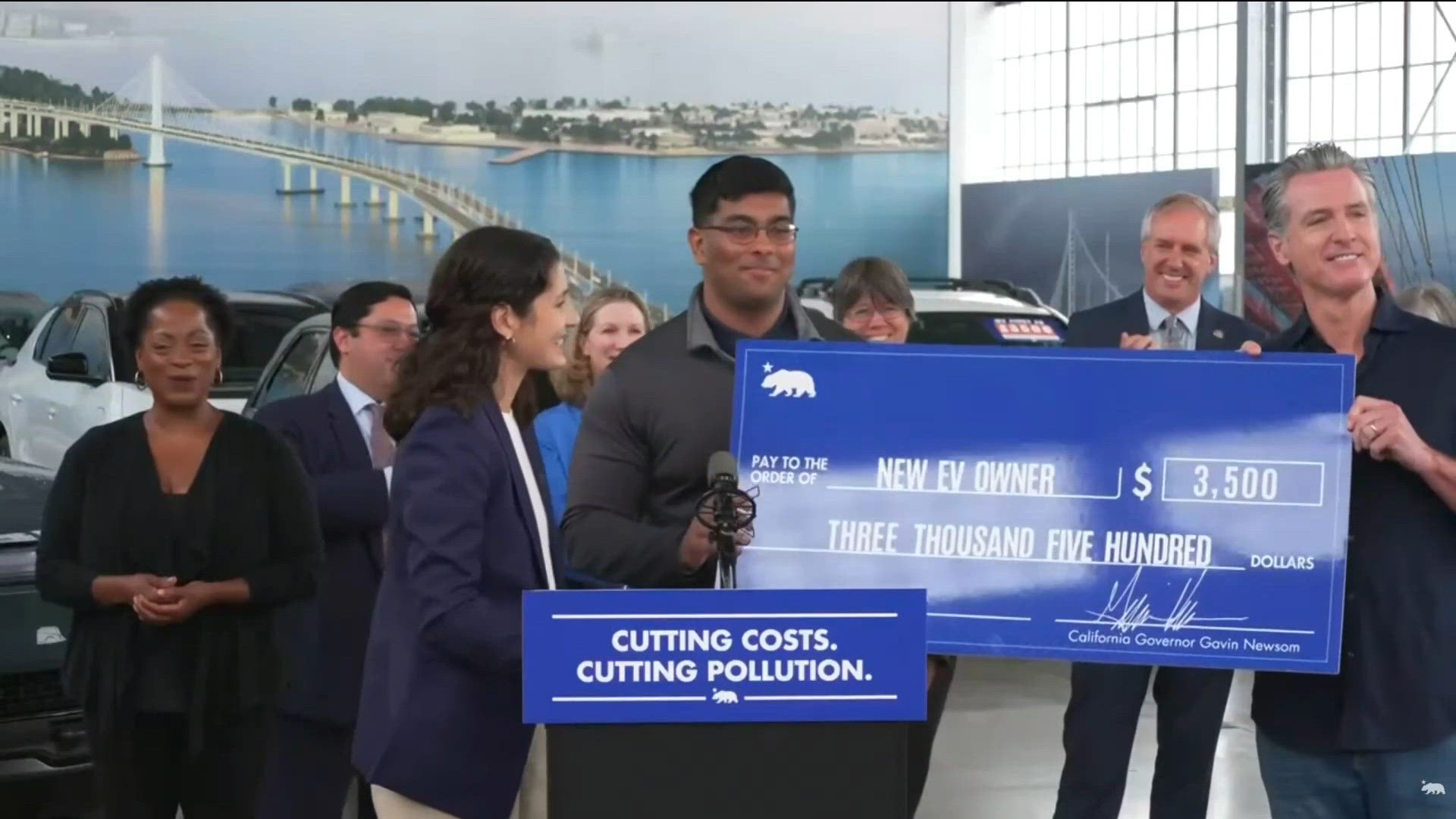
California's launch of a $271 million instant zero-emissions vehicle (ZEV) rebate program represents a watershed moment for cross-border sellers in automotive accessories, EV charging infrastructure, and energy storage categories. The state allocated $135.5 million matched dollar-for-dollar by participating automakers (Tesla, Hyundai, Lucid, with Ford, Rivian, Chevrolet, Kia, Toyota, Lexus, Honda, Subaru, Mitsubishi, Nissan, and Volvo joining through November 2025), creating immediate demand acceleration for first-time EV buyers in California—a market representing 15% of US vehicle sales and 40 million residents.
The policy shift from post-purchase federal tax credits to instant point-of-sale rebates fundamentally changes consumer purchasing behavior and creates three distinct seller opportunities. First, the $3,500 rebate on new EVs under $50,000 and $1,750 on used EVs under $25,000 reduces purchase friction for price-sensitive first-time buyers, directly expanding the addressable market for EV accessories (charging cables, adapters, weatherproofing kits, interior organizers). Industry data suggests each new EV buyer purchases $400-800 in aftermarket accessories within 6 months of purchase. With California's phased rollout targeting 500,000+ first-time EV buyers through 2025, this represents a $200-400M accessory market opportunity for Amazon, eBay, and Shopify sellers.
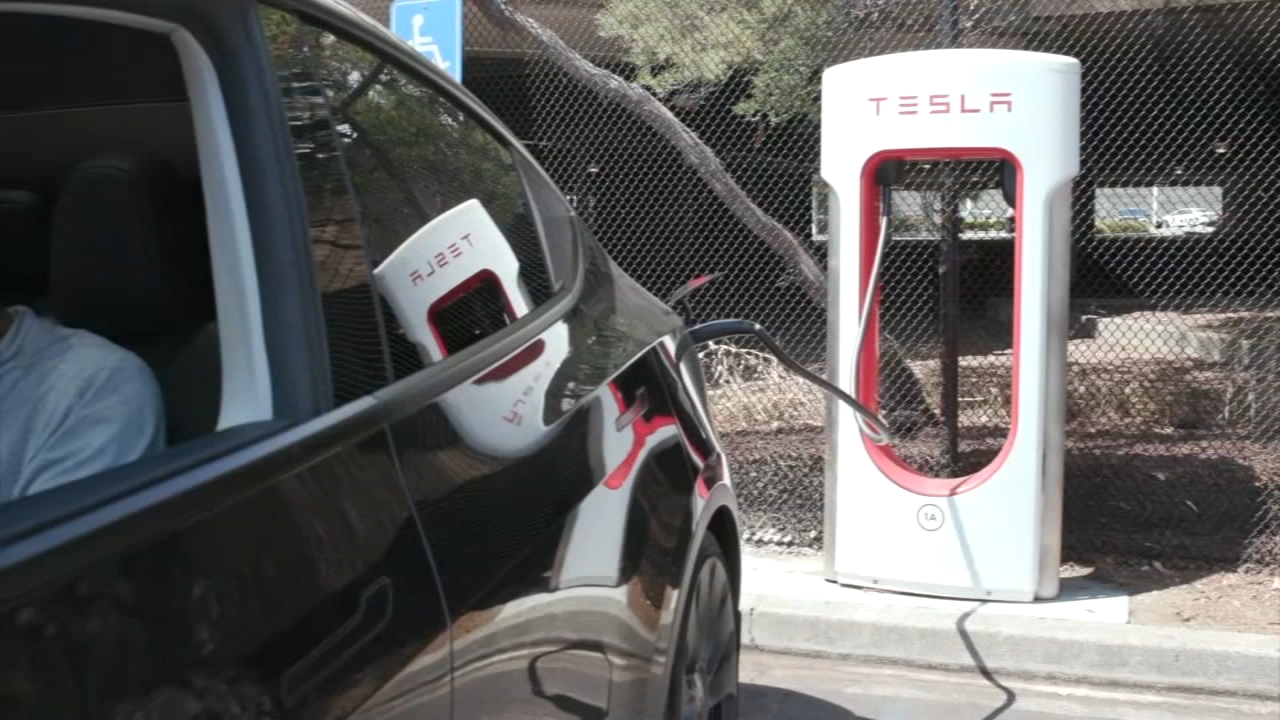
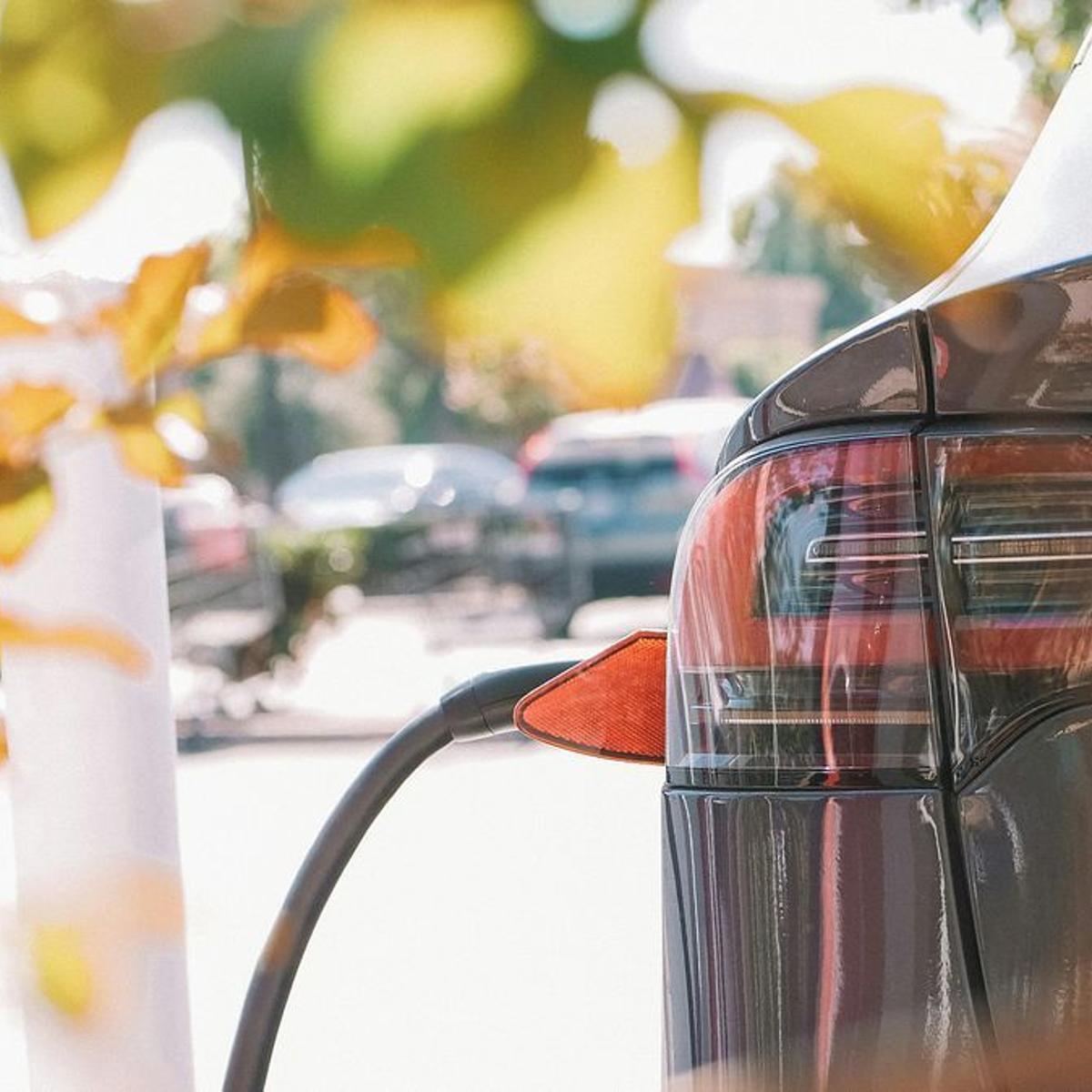
Second, the rebate program explicitly addresses charging infrastructure barriers—California operates 216,000 public/shared charging ports but falls short of state goals—creating urgent demand for home charging equipment, portable chargers, and installation services. Sellers offering Level 2 home chargers ($400-2,000), portable DC fast chargers ($200-600), and charging cable bundles can expect 40-60% demand acceleration in California through 2025. Third, the state's 21,000+ megawatts of solar-powered battery storage capacity signals massive B2B opportunity for sellers of battery management systems, solar integration hardware, and energy monitoring devices targeting both residential and commercial segments. The phased automaker rollout (Tesla/Hyundai/Lucid immediate; Ford/Rivian/Chevrolet/Kia by late August; Toyota/Honda/Subaru by September; Mitsubishi by November) creates staggered demand waves, allowing sellers to optimize inventory and marketing spend across quarters.
The policy also reflects California's 2035 gas-powered vehicle ban, though polling shows two-thirds of residents oppose the mandate—creating compliance-driven rather than enthusiasm-driven adoption. This distinction matters for sellers: buyers motivated by rebates rather than environmental conviction are more price-sensitive and likely to seek value-oriented accessories, extended warranties, and financing options. Sellers should prioritize competitive pricing, bundle offerings, and financing partnerships (Affirm, Klarna) to capture this segment. The Trump administration's elimination of the $7,500 federal credit makes California's state-level program the primary incentive for West Coast buyers, concentrating market opportunity geographically and creating arbitrage potential for sellers with California-optimized logistics and inventory positioning.
Questions 8
Which seller segments (small/medium/large, US-based/China-based) gain competitive advantages from California's ZEV rebate program?
**Small and medium-sized sellers (SMBs) with California-specific fulfillment networks gain disproportionate advantages** because they can optimize logistics costs and delivery speed for the concentrated California market. China-based sellers face 4-6 week shipping delays that disadvantage them in the immediate demand window (weeks 1-4), while US-based sellers with California 3PL partnerships can achieve 2-day delivery. Large sellers (Amazon, Walmart) benefit from brand recognition and existing logistics infrastructure but face margin compression from price competition. SMBs should prioritize: (1) California-focused inventory positioning, (2) partnerships with local electricians for installation services, (3) financing options (Affirm, Klarna) to reduce purchase friction. China-based sellers should focus on 60-90 day lead time products (battery systems, solar integration hardware) rather than immediate-demand accessories. The phased rollout through November 2025 creates a 12-month window for SMBs to establish market position before large sellers optimize their California strategies. Sellers with existing EV charging or solar industry relationships gain additional advantages through cross-selling and partnership opportunities.
What is the timeline for sellers to optimize inventory and marketing before the phased automaker rollout completes in November 2025?
The phased rollout creates distinct demand windows: immediate (Tesla/Hyundai/Lucid), late August (Ford/Rivian/Chevrolet/Kia), September (Toyota/Lexus/Honda/Subaru), and November (Mitsubishi). Sellers should execute inventory positioning by mid-August 2025 to capture the immediate wave, with secondary restocking by late August and tertiary by September. Marketing campaigns should launch 2-3 weeks before each phase to build awareness. The California Air Resources Board oversees program administration and provides eligibility information online—sellers should monitor CARB announcements for participation updates and demand forecasts. Nissan and Volvo timelines remain undetermined, creating uncertainty for sellers focused on those brands. Sellers should establish California-specific fulfillment strategies (2-day delivery targets), negotiate 3PL rates for California concentration, and allocate 30-40% of Q3-Q4 2025 marketing budgets to California-focused campaigns. The $271 million total program investment suggests sustained demand through 2025, but sellers should prepare for market saturation by Q4 2025 as competition intensifies.