






Hormuz Crisis & Oil Surge $87-$100 | Shipping Cost Crisis for Cross-Border Sellers
- Geopolitical tensions drive 15-25% freight cost increases; immediate impact on FBA logistics, 3PL rates, and product margins across all categories













Overview
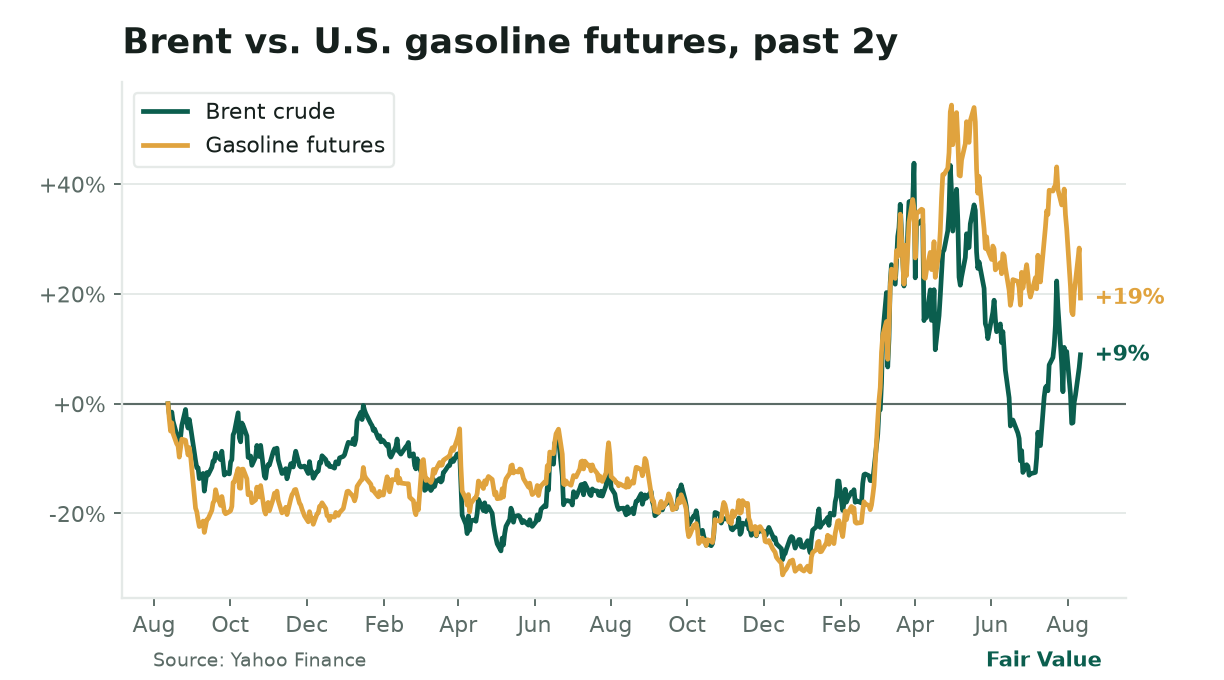
Geopolitical escalation in the Strait of Hormuz is creating an immediate shipping cost crisis for cross-border e-commerce sellers. Brent crude has surged toward $87 per barrel with risks of reaching $100, driven by Iranian export collapse, Houthi Red Sea attacks claiming their first casualties, and Saudi Arabia's Jazan refinery shutdown following a second successful strike. These converging supply disruptions—compounded by Libya's Zawiya refinery emergency shutdown and European Rhine barge traffic halting due to record-low water levels—are creating significant upside price risks that directly translate to increased fuel surcharges on ocean freight, air cargo, and ground transportation.
For cross-border sellers, the operational impact is immediate and quantifiable. Ocean freight rates typically increase 15-25% during geopolitical oil price spikes, with fuel surcharges rising from baseline 5-8% to 12-18% of shipping costs. Sellers using Amazon FBA will face higher fulfillment costs as Amazon's logistics network absorbs fuel surcharges; sellers shipping 1,000+ units monthly to US warehouses can expect $300-800 additional monthly costs. 3PL providers and freight forwarders are already implementing emergency fuel surcharges, with some adding 3-5% premiums on top of standard rates. Air freight—critical for time-sensitive categories like electronics, fashion, and seasonal goods—faces even steeper increases of 20-35%, making expedited shipping economically unviable for lower-margin products.
Strategic sourcing and supply chain decisions must shift immediately. Sellers currently sourcing from China, Vietnam, and India face compounded costs: manufacturing + increased ocean freight + potential air freight premiums. The Trump administration's 90-day Jones Act waiver extension with voyage-by-voyage review requirements adds compliance complexity and unpredictability to US-bound shipments. ADNOC's $1.3 billion VLCC and VLGC purchases signal long-term capacity constraints, while exploration of Hormuz-bypass LNG terminals in Fujairah indicates the crisis will persist 6-12 months minimum. Sellers should immediately audit inventory positioning: consider shifting 20-30% of stock to regional 3PL hubs (US, EU, Asia Pacific) to reduce long-haul ocean freight dependency. Categories with <20% margins (commodity electronics, basic apparel, home goods) become unprofitable at current freight rates; prioritize high-margin categories (beauty, specialty electronics, branded goods) for international shipments. Monitor OPEC production recovery (currently rebounded 1.17 million barrels daily to 19.9 million bd) as Iraq and Kuwait recovery could provide relief within 2-3 months, but assume elevated rates through Q4 2024.
Questions 7
What does the Jones Act waiver extension mean for US-bound shipments?
Trump extended the Jones Act waiver for 90 days but implemented voyage-by-voyage review requirements, adding compliance complexity and unpredictability. The waiver allows non-US vessels to transport cargo between US ports, reducing shipping costs 10-20% compared to Jones Act-compliant US vessels. However, voyage-by-voyage review means each shipment requires individual approval, creating 2-4 week processing delays and potential denials. Sellers should maintain backup logistics plans using Jones Act-compliant carriers and budget for potential delays. The 90-day extension expires in approximately 3 months; monitor Trump administration announcements for renewal decisions, as policy uncertainty could force sellers back to more expensive Jones Act-compliant options.
How should I adjust my product pricing strategy during this shipping crisis?
Implement dynamic pricing based on freight cost tiers: (1) High-margin products (>40%): absorb 50-75% of freight increases to maintain competitive positioning. (2) Mid-margin products (20-40%): pass through 50-75% of freight increases via modest price increases (3-5%). (3) Low-margin products (<20%): either increase prices 8-12% or temporarily delist until freight normalizes. Use Amazon's dynamic pricing tools or Shopify apps to adjust prices weekly based on freight index data (Freightos publishes real-time rates). Communicate transparently with customers: add shipping cost disclaimers to product listings and consider offering 'economy shipping' (4-6 weeks) at lower prices versus 'standard shipping' (2-3 weeks) at premium prices to segment price-sensitive buyers.