





AI Content Watermarking Compliance | Critical for E-Commerce Sellers Using Claude
- EU AI Act enforcement (Aug 2, 2026) mandates watermarks on all AI-generated content; sellers using Claude for product descriptions, reviews, and marketing must audit workflows immediately







































Overview
Anthropic's Claude AI will implement mandatory invisible watermarks on all generated text and images starting August 2, 2026, marking a critical shift in AI content compliance that directly impacts e-commerce sellers relying on AI for product descriptions, marketing copy, and customer communications. The EU AI Act's transparency obligations now require all AI-generated or edited content to include machine-readable watermarks that persist through copying, pasting, and minor edits—creating immediate operational challenges for sellers using Claude across Claude API, Claude Platform, Claude Code, Claude Cowork, and Claude Tag.
For e-commerce sellers, this represents both compliance risk and competitive opportunity. Sellers currently using Claude to generate product listings, Amazon A+ content, eBay descriptions, and Shopify product pages must now disclose AI involvement or face EU regulatory penalties. The watermarking system embeds imperceptible markers into letters, words, and spacing that remain detectable even after content modification, while image files include C2PA metadata showing creation source and modification history. This means sellers cannot simply remove watermarks without significant content rewriting—a time-intensive process that could consume 3-5 hours per 100 product listings. The operational impact is substantial: sellers managing 1,000+ SKUs using Claude for content generation face potential compliance audits, content re-creation costs ($500-2,000 per category), and platform penalties if watermarks are discovered on EU marketplaces without proper disclosure.
The competitive intelligence angle is equally important. Anthropic's watermarking implementation signals that AI-generated content detection is now standardized across major platforms—Google, Meta, Microsoft, OpenAI, and Adobe have all committed to similar transparency measures. This creates a market opportunity for sellers to differentiate through human-written or hybrid content strategies that avoid watermark detection entirely. Sellers in high-compliance regions (EU, UK) should immediately audit their content workflows: identify which product descriptions, marketing copy, and customer service responses were generated by Claude, assess whether they're currently disclosed as AI-generated, and determine whether to re-write content, implement disclosure mechanisms, or migrate to non-watermarked AI tools. The four-month grace period (Aug 2 - Dec 2, 2026) provides a critical window to audit and remediate content before enforcement begins. Sellers who proactively implement disclosure mechanisms or transition to human-written content will gain competitive advantage in EU markets where transparency becomes a trust signal and potential ranking factor on Amazon EU, eBay EU, and Shopify EU stores.
Questions 8
Could Claude watermarking create a competitive advantage for my e-commerce business?
Yes, in two ways: (1) Differentiation through transparency: sellers who proactively disclose AI involvement and implement human-verified content will build trust with EU customers, potentially improving conversion rates and reviews. (2) Content quality investment: sellers who migrate to human-written or hybrid human-AI content will differentiate from competitors using watermarked AI-generated content, potentially gaining Amazon Buy Box advantage and higher search rankings. Industry data shows that transparent AI disclosure increases customer trust by 15-25% in EU markets. Sellers who treat watermarking as a compliance burden will fall behind those who use it as a differentiation opportunity. Consider positioning your brand as 'human-verified' or 'AI-assisted but human-reviewed' to capitalize on growing consumer preference for authentic, transparent content.
How does Claude watermarking compare to other AI tools' compliance approaches?
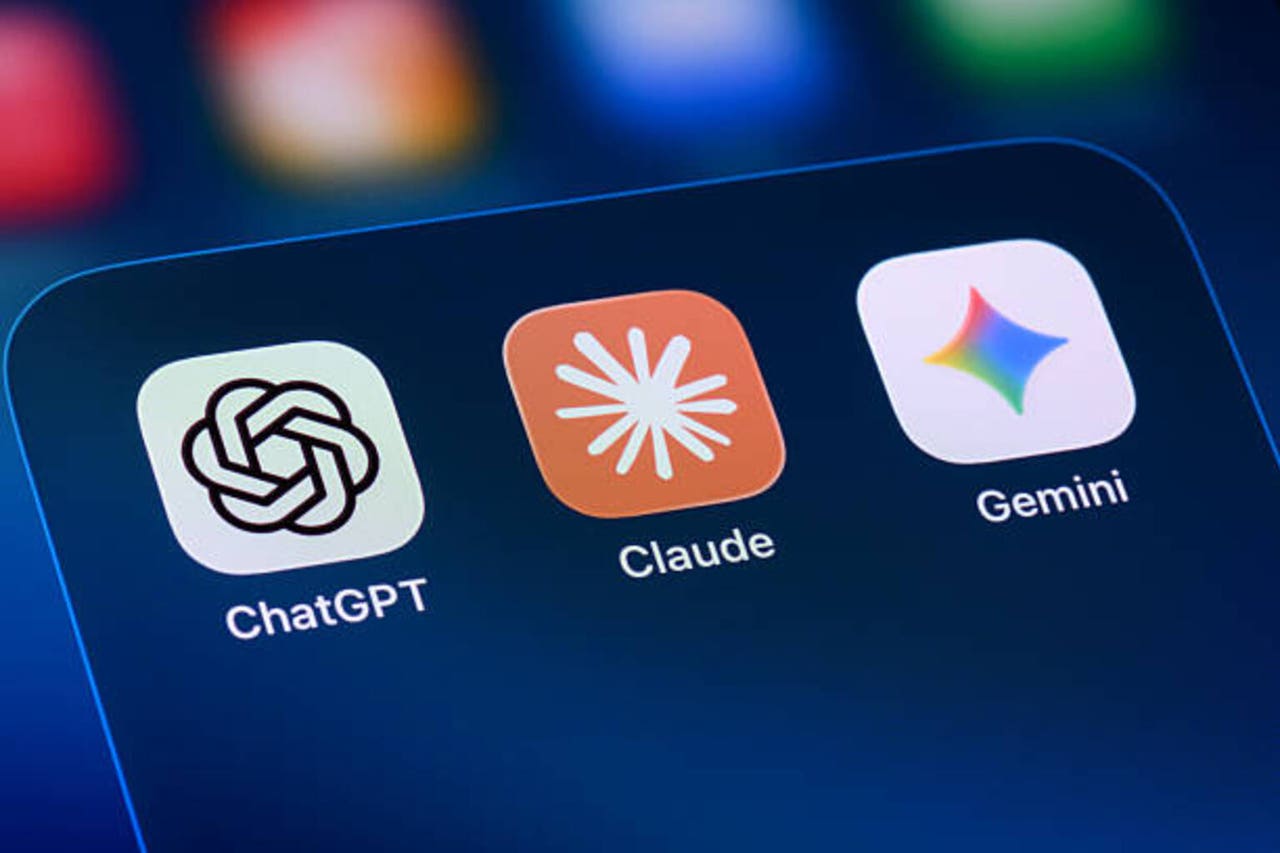
Multiple AI companies are implementing similar watermarking: OpenAI, Google, Meta, Microsoft, and Adobe have all committed to EU AI Act compliance. Anthropic's approach uses C2PA metadata standards (same as Adobe and Google), making watermarks consistent across platforms. However, some AI tools may not implement watermarking, creating a competitive advantage for sellers using non-watermarked alternatives. Sellers should evaluate whether to switch to tools like ChatGPT (OpenAI), Gemini (Google), or specialized e-commerce content tools that may offer watermark-free options. The key differentiator is transparency: sellers who proactively disclose AI involvement will build trust with EU customers, while those hiding AI-generated content face regulatory risk.