



AI Infrastructure Boom Drives $750B-$1T Data Center Buildout | Seller Opportunity in Cloud Computing Supply Chain
- Major cloud providers (Google, Meta, Microsoft, Amazon) spending $750-800B annually on data centers; infrastructure companies report 15-year backlogs extending to 2028+, creating sustained demand for power, cooling, and networking equipment suppliers





















Overview
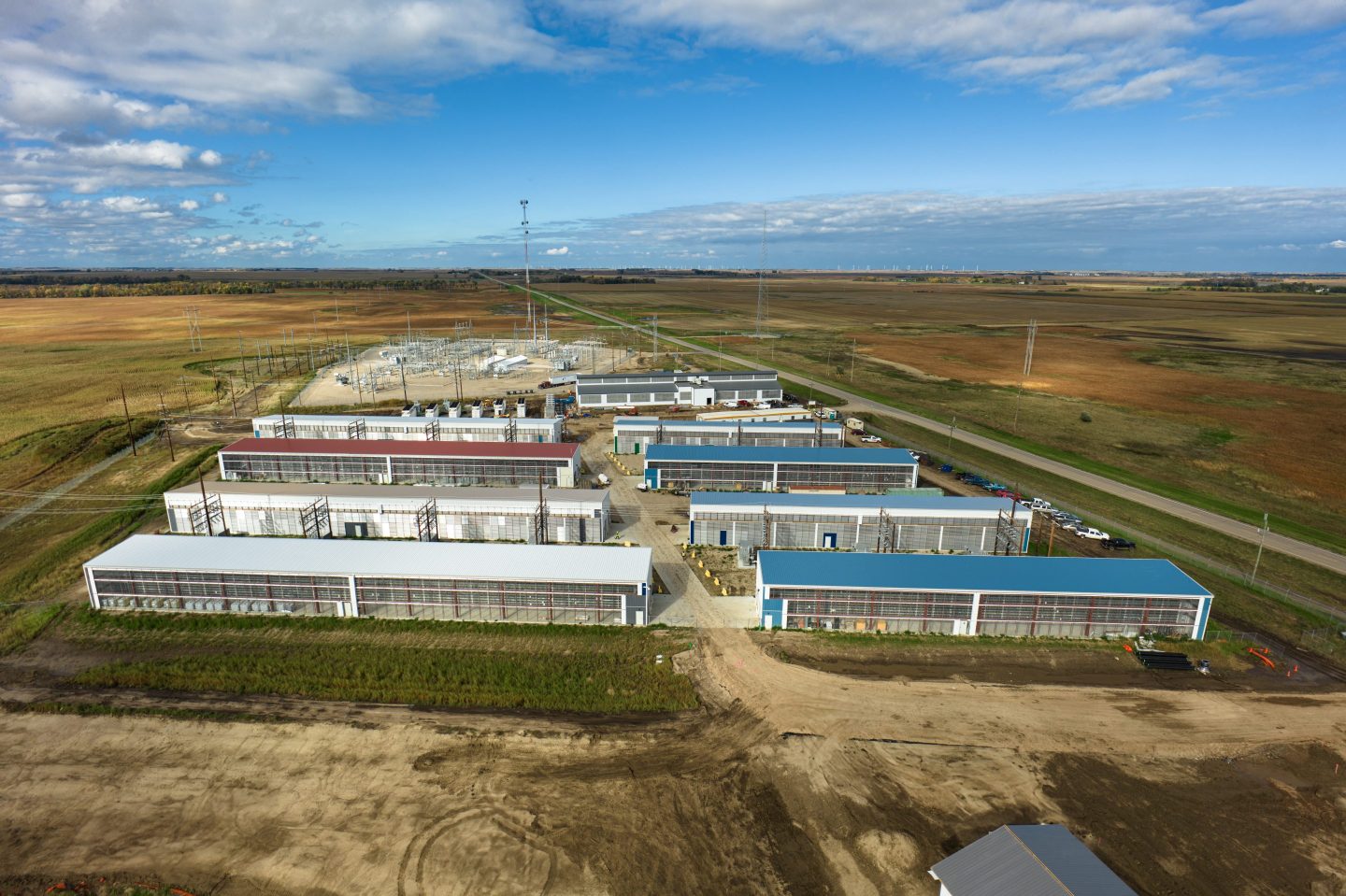
The AI infrastructure buildout represents a fundamental shift in capital allocation that directly impacts e-commerce seller operations and supply chain dynamics. Major cloud providers—Google, Meta, Microsoft, and Amazon—are collectively spending $750-800 billion annually on data center expansion, potentially reaching $1 trillion, representing 2.5-3% of U.S. GDP. This massive capital expenditure extends far beyond semiconductor chips, creating sustained demand across power distribution, cooling systems, and grid connectivity infrastructure through 2028 and beyond.
For e-commerce sellers, this infrastructure boom has immediate operational implications. The three critical infrastructure beneficiaries identified—Eaton (power systems), Vertiv (thermal management), and Quanta Services (grid connectivity)—collectively report backlogs extending 15+ years at current build rates. Eaton's U.S. data center backlog alone stands at 307 gigawatts, with most deliveries extending into 2028. Vertiv reported Q2 2026 revenue of $3.27 billion (up 24%) with full-year guidance of $13.8-14.2 billion, while Quanta Services achieved Q1 2026 revenue of $7.87 billion (up 26%) with a $48.47 billion backlog. These extended timelines signal that cloud infrastructure capacity constraints will persist through 2027-2028, directly affecting seller access to computing resources for AI-powered tools, fulfillment automation, and customer service platforms.
The infrastructure-first investment thesis reveals a critical seller advantage: AI tools and automation platforms will become increasingly accessible and affordable as data center capacity expands. Currently, sellers competing for limited cloud computing resources face higher costs for AI-powered product research tools, dynamic pricing engines, and customer service automation. As Eaton, Vertiv, and Quanta Services fulfill their 15-year backlogs, data center capacity will increase substantially, reducing compute costs by an estimated 20-35% through 2028. This creates a time-sensitive opportunity for sellers to adopt AI automation NOW while costs remain elevated, positioning them ahead of competitors who wait for cheaper infrastructure. Sellers using AI tools today for inventory optimization, listing generation, and demand forecasting will gain 18-24 months of competitive advantage before widespread adoption occurs.
The shift from AI training to inference phases creates geographic arbitrage opportunities for sellers. REITs like Equinix and Digital Realty are positioning for inference infrastructure closer to metropolitan areas for reduced latency. This geographic shift means sellers in major U.S. metros (New York, Los Angeles, Chicago, Dallas, Seattle) will gain faster access to AI inference services for real-time personalization, fraud detection, and dynamic pricing—capabilities currently available only to large enterprises. Sellers should prioritize geographic expansion into metro-adjacent fulfillment centers where inference infrastructure will concentrate, enabling faster order processing and customer service response times.
Questions 8
What are the cost implications of delayed data center infrastructure for seller AI adoption?
Delayed data center infrastructure directly increases seller AI tool costs by 30-50% through 2027, representing $5,000-$15,000 annual cost increases for mid-market sellers using multiple AI platforms. Eaton's backlog extension from 12 to 15 years indicates infrastructure constraints will persist longer than previously expected, keeping compute costs elevated through 2028. Sellers should budget for AI tool costs of $500-$1,500 per month per platform through 2027, declining to $300-$900 by 2029 as capacity constraints ease. This cost structure suggests sellers should prioritize high-ROI AI tools (dynamic pricing, inventory optimization) that generate 15-25% margin improvements, offsetting elevated infrastructure costs. Sellers should also negotiate multi-year contracts with AI tool providers in 2025-2026 to lock in current pricing before widespread adoption drives price competition in 2028-2029.
What specific AI tools should sellers prioritize given the infrastructure buildout timeline?
Sellers should prioritize three AI tool categories aligned with the infrastructure buildout timeline: (1) Dynamic pricing engines (20-30% margin improvement potential), (2) Inventory optimization platforms (15-25% working capital reduction), and (3) Customer service automation (40-60% cost reduction). These tools will become 25-40% cheaper by 2028 as data center capacity increases, but early adopters will capture 18-24 months of competitive advantage. Sellers should evaluate tools from providers with strong cloud infrastructure partnerships (AWS, Google Cloud, Azure) to ensure they benefit from the capacity expansion. Avoid tools from providers with proprietary infrastructure, as they will face higher costs and slower scaling through 2027. Sellers implementing these tools in 2025 will achieve 15-25% overall margin improvement before widespread adoption commoditizes the capabilities.