

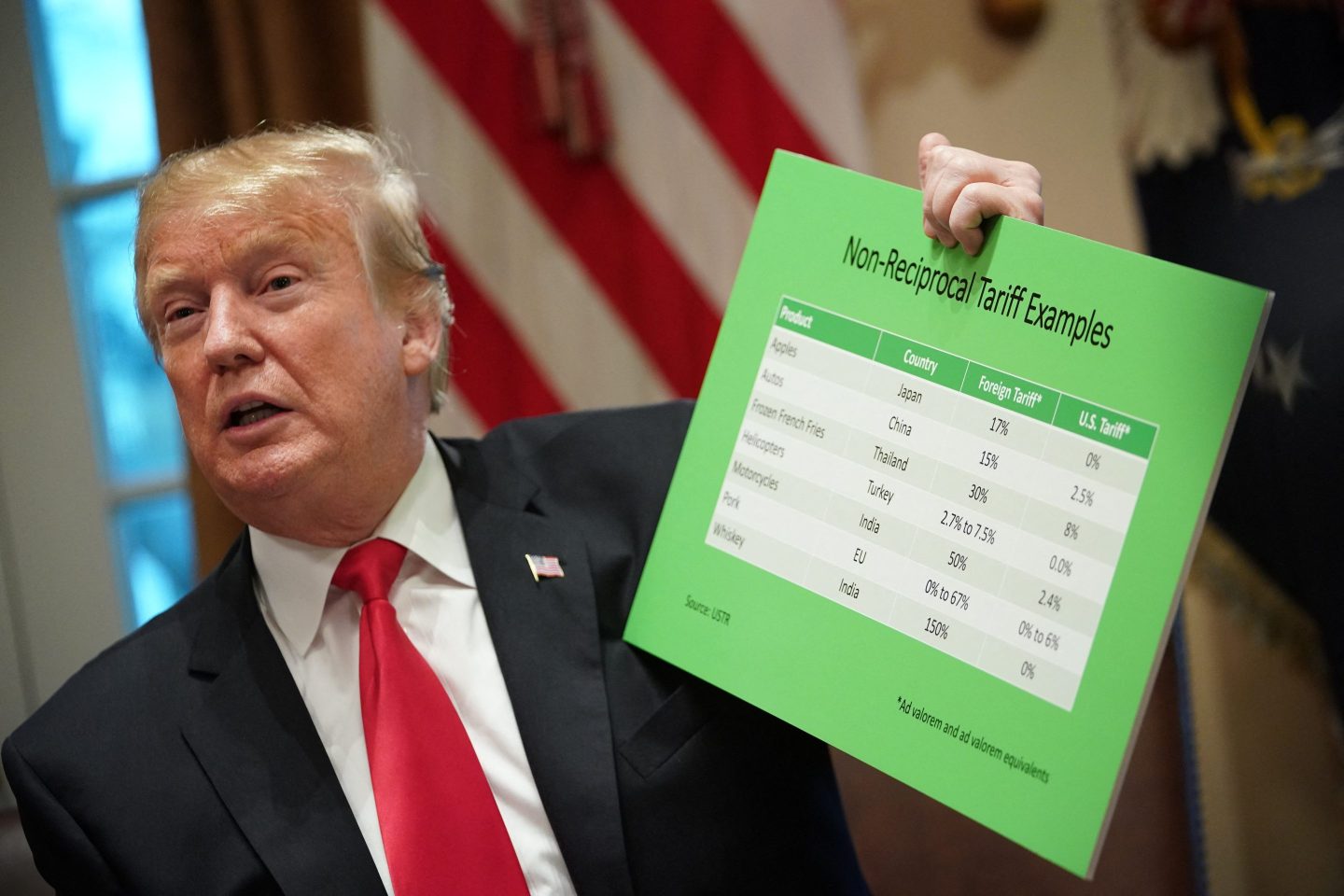
Supreme Court Tariff Ruling Invalidates Trump Program | $250B Customs Revenue Collapse Reshapes Cross-Border Seller Costs
- February 20 Supreme Court decision eliminates IEEPA tariff authority; $100B+ already refunded to importers; Section 122/301 alternatives create new compliance uncertainty for cross-border sellers

Overview
The Supreme Court's February 20, 2025 ruling invalidating President Trump's tariff program under the International Emergency Economic Powers Act (IEEPA) represents a watershed moment for cross-border e-commerce sellers. The decision eliminates $250 billion in projected tariff and customs-duty collections, with approximately $100 billion already refunded to importers. This creates immediate pricing power for sellers importing from Asia, but introduces critical uncertainty about replacement tariff mechanisms under Section 122 and Section 301 of the Trade Act of 1974. The Congressional Budget Office projects these alternative authorities will recoup only a "substantial share" of lost revenue—not all—meaning tariff rates may fluctuate unpredictably through 2026.
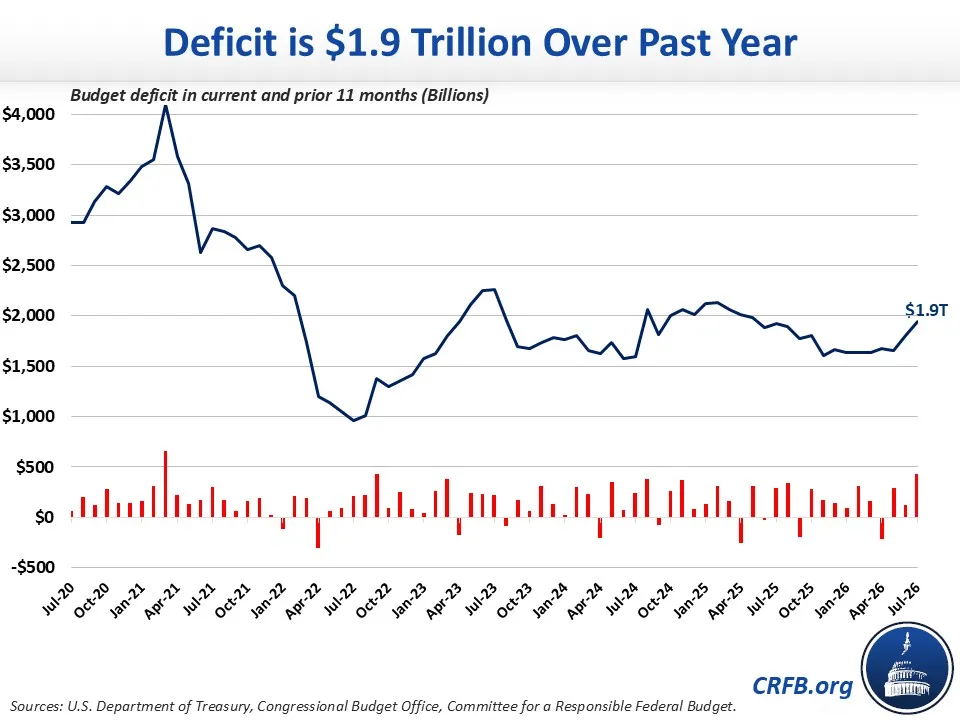
For cross-border sellers, the operational implications are profound. The revenue collapse is stark: in July alone, the government issued $36 billion in tariff refunds against only $26 billion in gross collections, producing a net $9 billion monthly outflow. This signals the administration's tariff strategy has fundamentally shifted from broad-based duties to narrower, category-specific alternatives. Sellers importing electronics, apparel, home goods, and consumer products from China, Vietnam, and India should expect tariff rates to remain volatile as policymakers attempt to recoup lost revenue through targeted measures. The timing window for tariff-advantaged sourcing is NOW—before Section 122/301 tariffs are finalized and implemented.
The fiscal crisis context amplifies urgency: the national debt approaches $40 trillion, with monthly borrowing reaching $431 billion in July. This fiscal pressure virtually guarantees the administration will pursue aggressive alternative tariff mechanisms to offset the $250 billion revenue gap. Sellers should anticipate: (1) Sector-specific tariffs on high-volume categories (electronics, textiles, footwear) replacing broad-based duties; (2) Potential tariff exemptions for certain countries (Vietnam, India) as supply-chain diversification tools; (3) Increased customs compliance complexity as tariff codes become more granular. The competitive advantage shifts to sellers who can rapidly source from tariff-advantaged countries and lock in pricing before new tariffs are announced. Small and medium sellers importing finished goods face margin compression; large sellers with diversified sourcing networks gain negotiating leverage with suppliers.
Questions 8
How will this tariff ruling affect my competition from Chinese sellers on Amazon and eBay?
Chinese sellers benefit disproportionately from the tariff ruling because they can source directly from manufacturers at lower costs and currently face lower effective tariff rates due to the $100 billion refund wave. However, Section 301 tariffs historically target Chinese goods specifically, so this advantage is temporary (3-6 months). Chinese sellers will face margin compression when new tariffs are implemented; US-based sellers with diversified sourcing (Vietnam, India, Mexico) will gain competitive advantage. For Amazon Buy Box and eBay Best Match algorithms, pricing is critical: Chinese sellers will undercut prices now, but US-based sellers with tariff-advantaged sourcing can recapture market share in Q4 2025 when tariffs increase Chinese import costs. Recommendation: Accept lower margins for 60-90 days to maintain inventory velocity and BSR rankings; prepare to raise prices when Chinese competitors' costs increase.
What should I do immediately to protect my business from tariff uncertainty?
Execute these actions within 30 days: (1) Conduct tariff impact audit—calculate current tariff costs for top 50 SKUs using USITC.gov; (2) Diversify sourcing—request quotes from Vietnam/India suppliers for 30-40% of volume; (3) Lock in pricing—negotiate 6-month fixed-price agreements with current suppliers before Section 301 tariffs are announced; (4) Build cash reserves—tariff increases can compress margins 5-15%, so maintain 60-90 days operating capital; (5) Monitor policy—subscribe to USTR.gov alerts and CBP.gov tariff announcements; (6) Consult customs broker—validate HS code classifications for your top 20 SKUs ($500-2,000 investment). For Amazon FBA sellers, reduce prices 3-5% immediately to capture market share before tariffs increase costs. For Shopify/eBay sellers, update product descriptions to highlight 'US-sourced' or 'tariff-advantaged' origins to differentiate from Chinese competitors.