


EU's Maritime Sanctions Unravel Russia's Shadow Fleet Strategy
- Precision Economic Warfare Targets Covert Maritime Logistics Networks
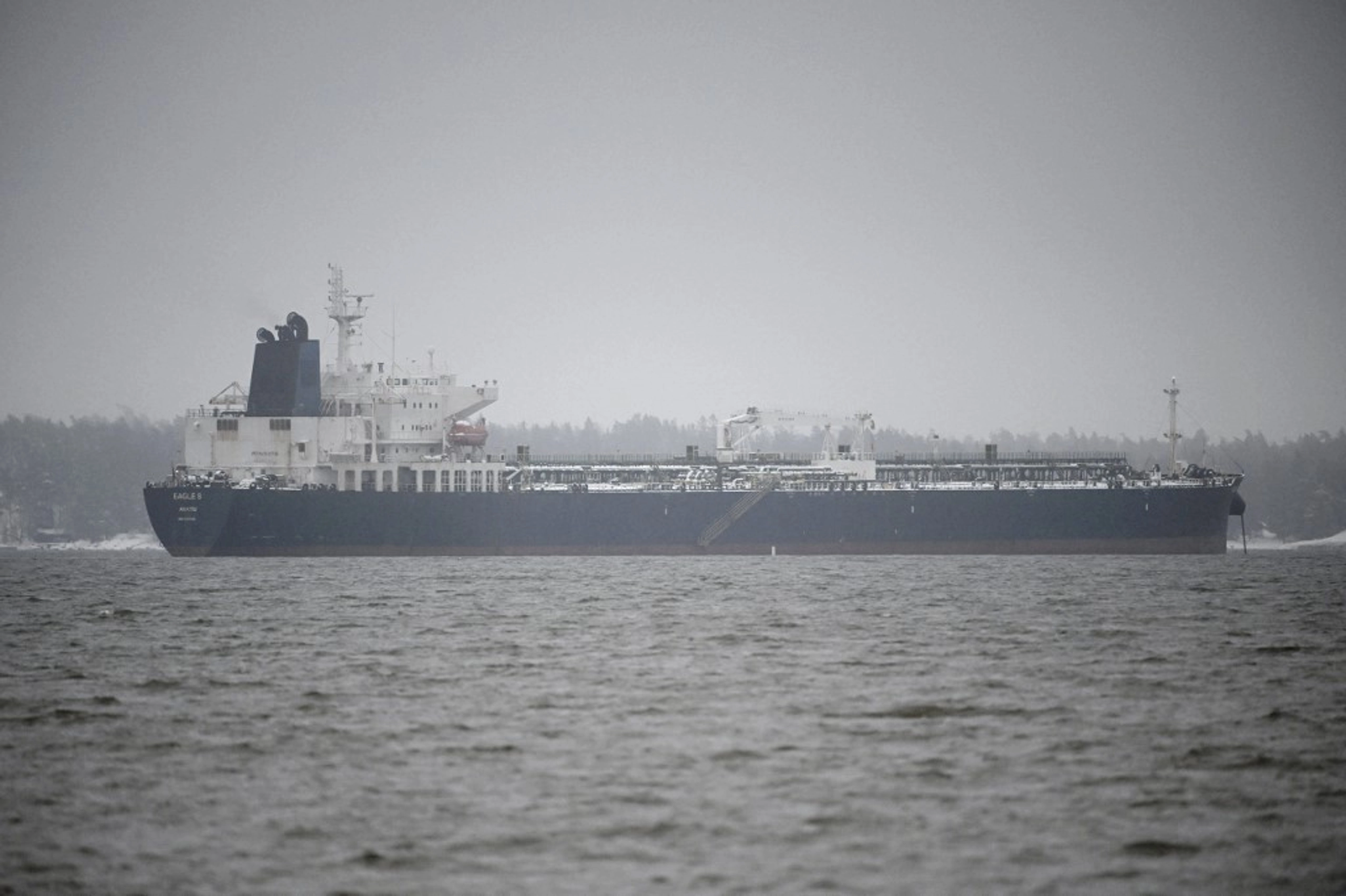




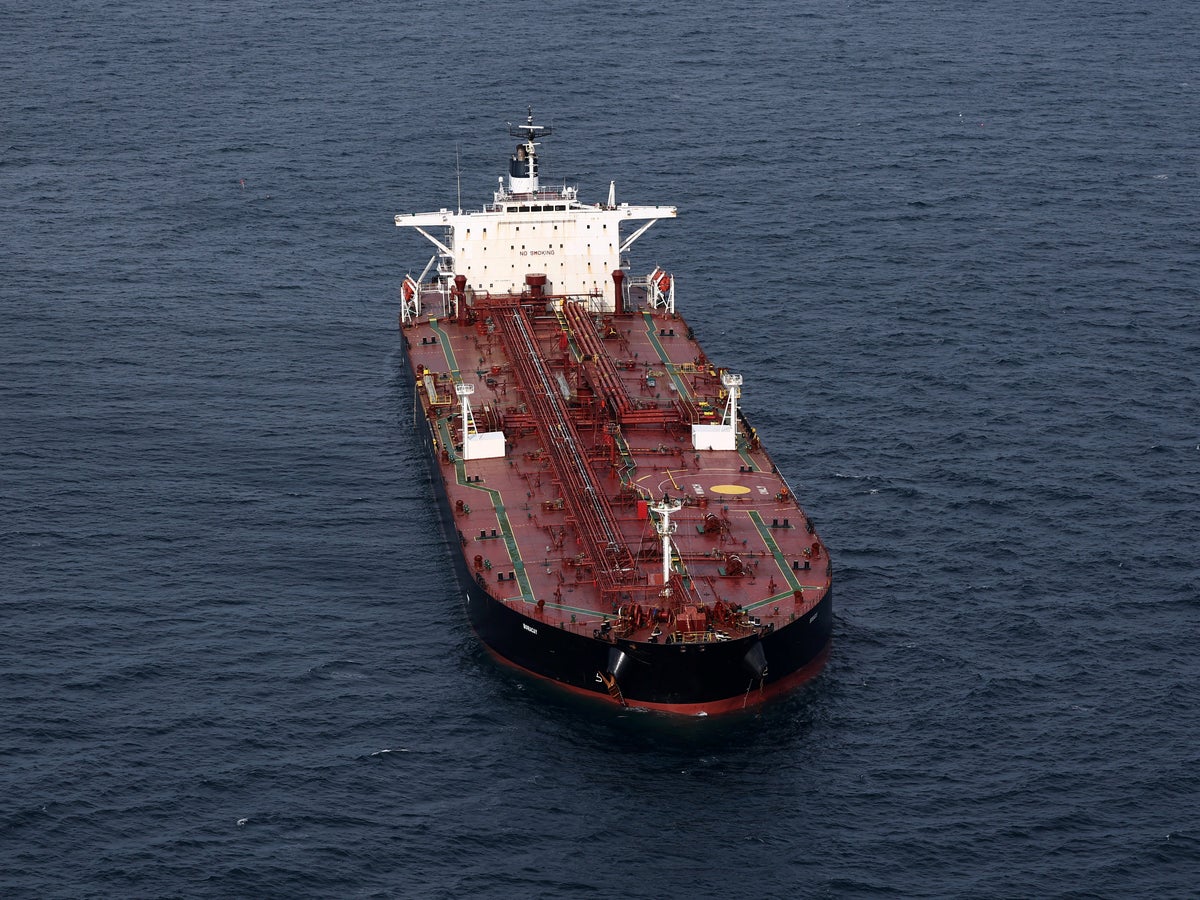






















Overview
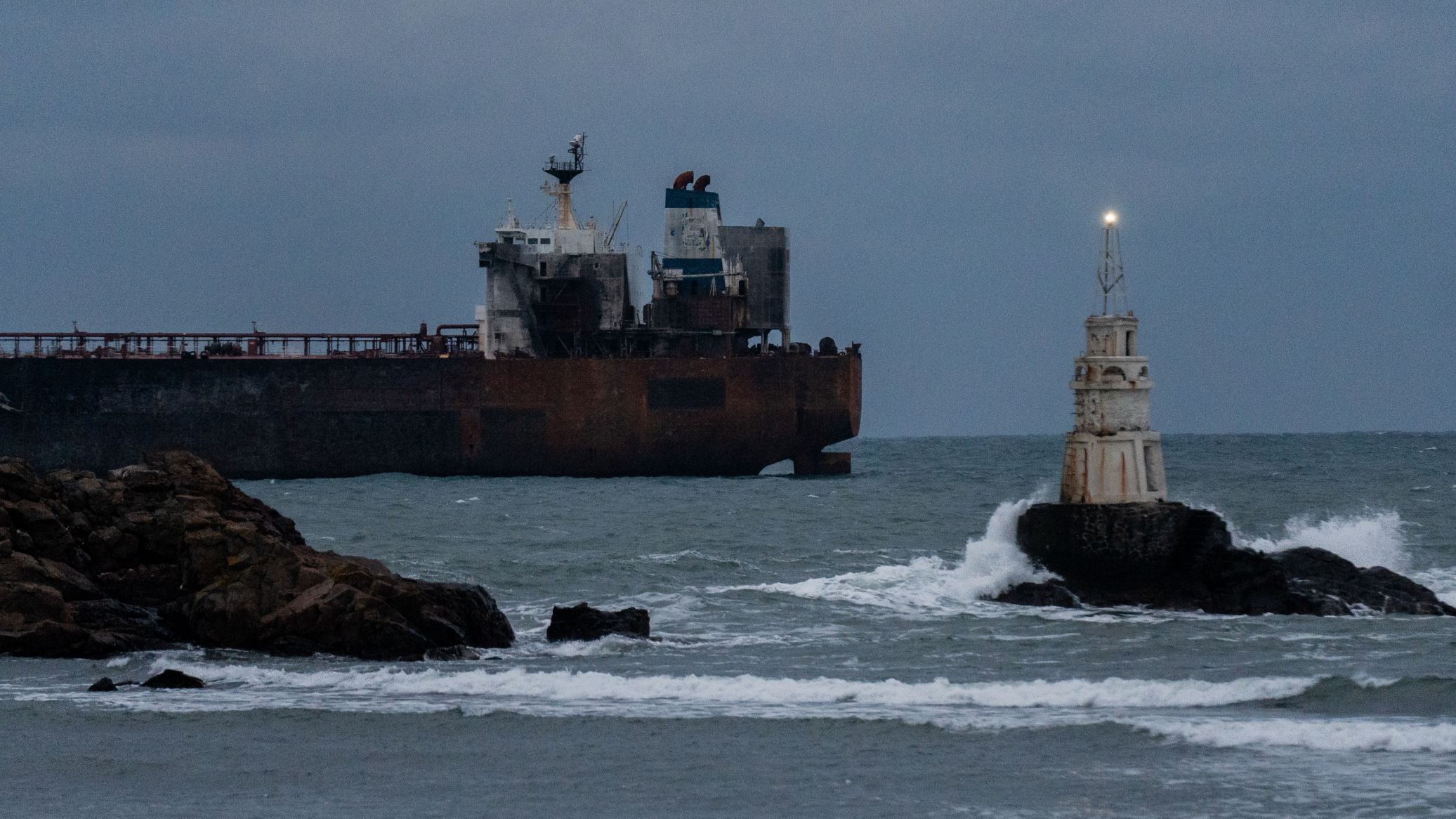
The European Union has launched a sophisticated economic counteroffensive against Russia's maritime trade infrastructure, revealing a nuanced approach to geopolitical pressure that goes far beyond traditional sanctions. Strategic maritime disruption is now a critical front in the ongoing economic warfare between Western powers and Russia.
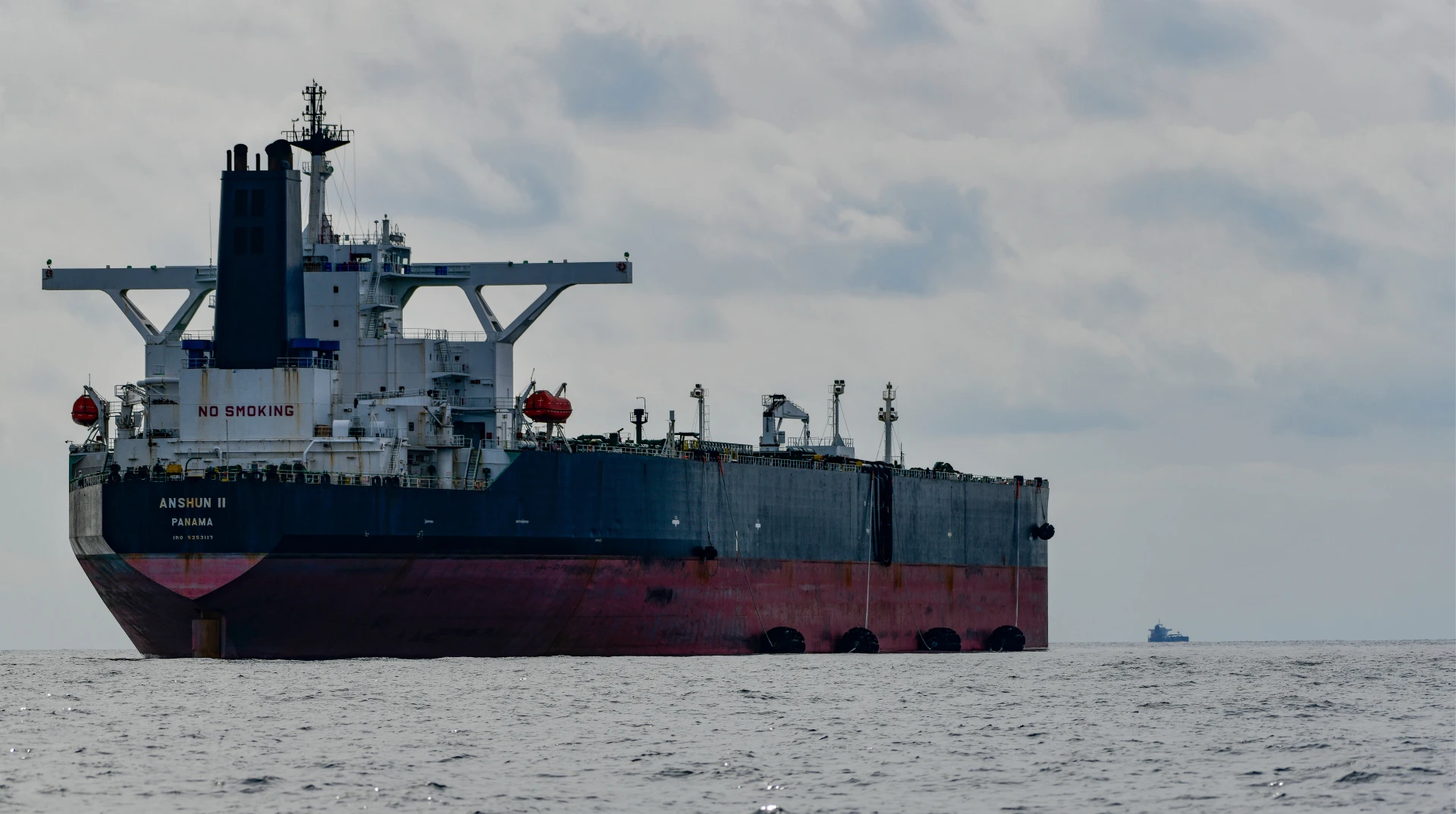
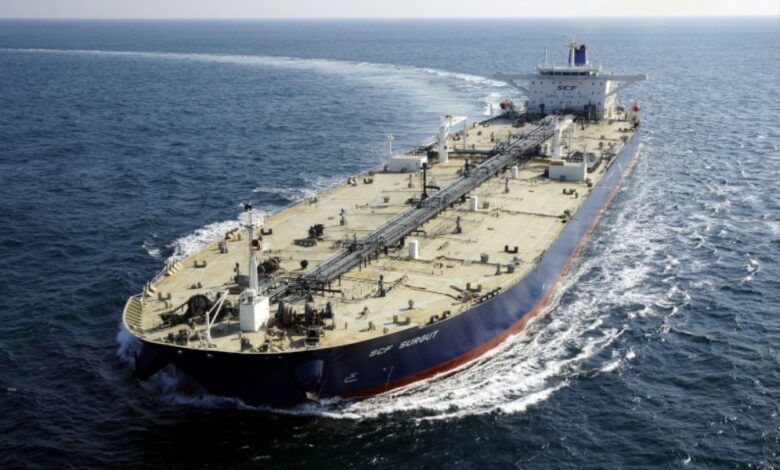
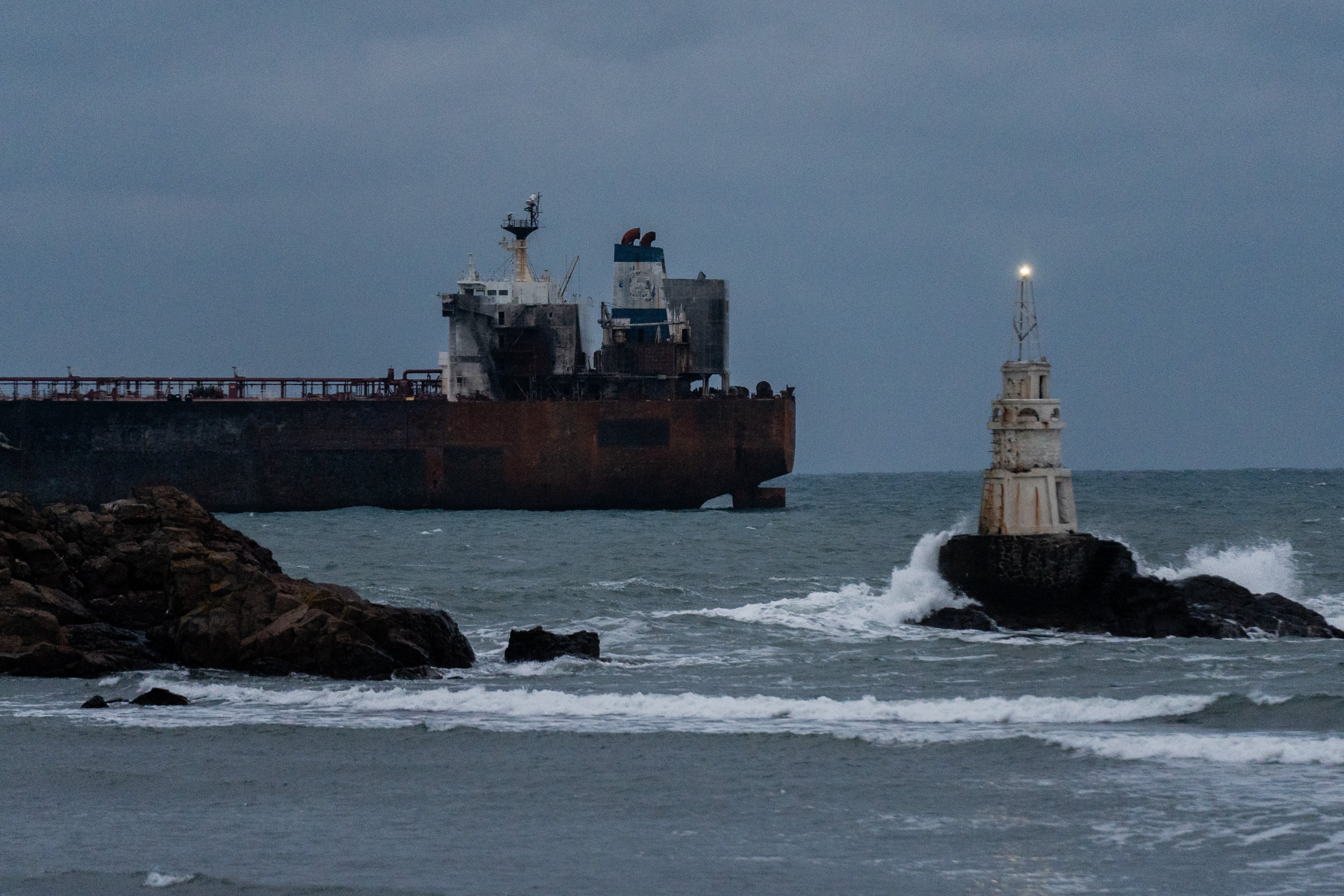
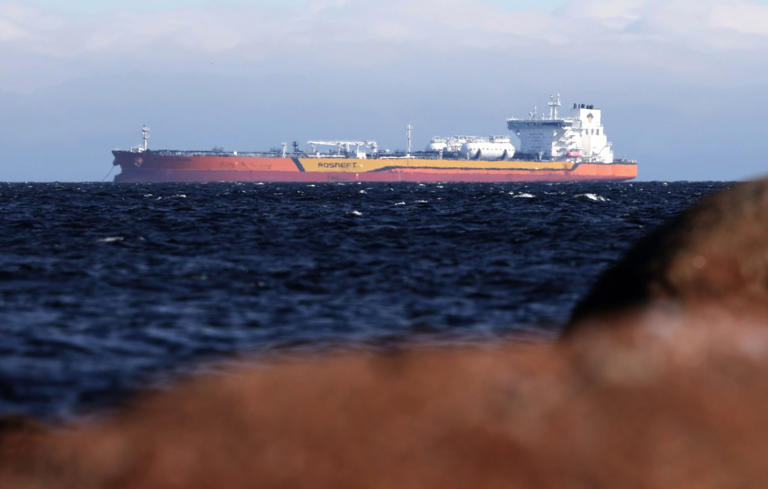
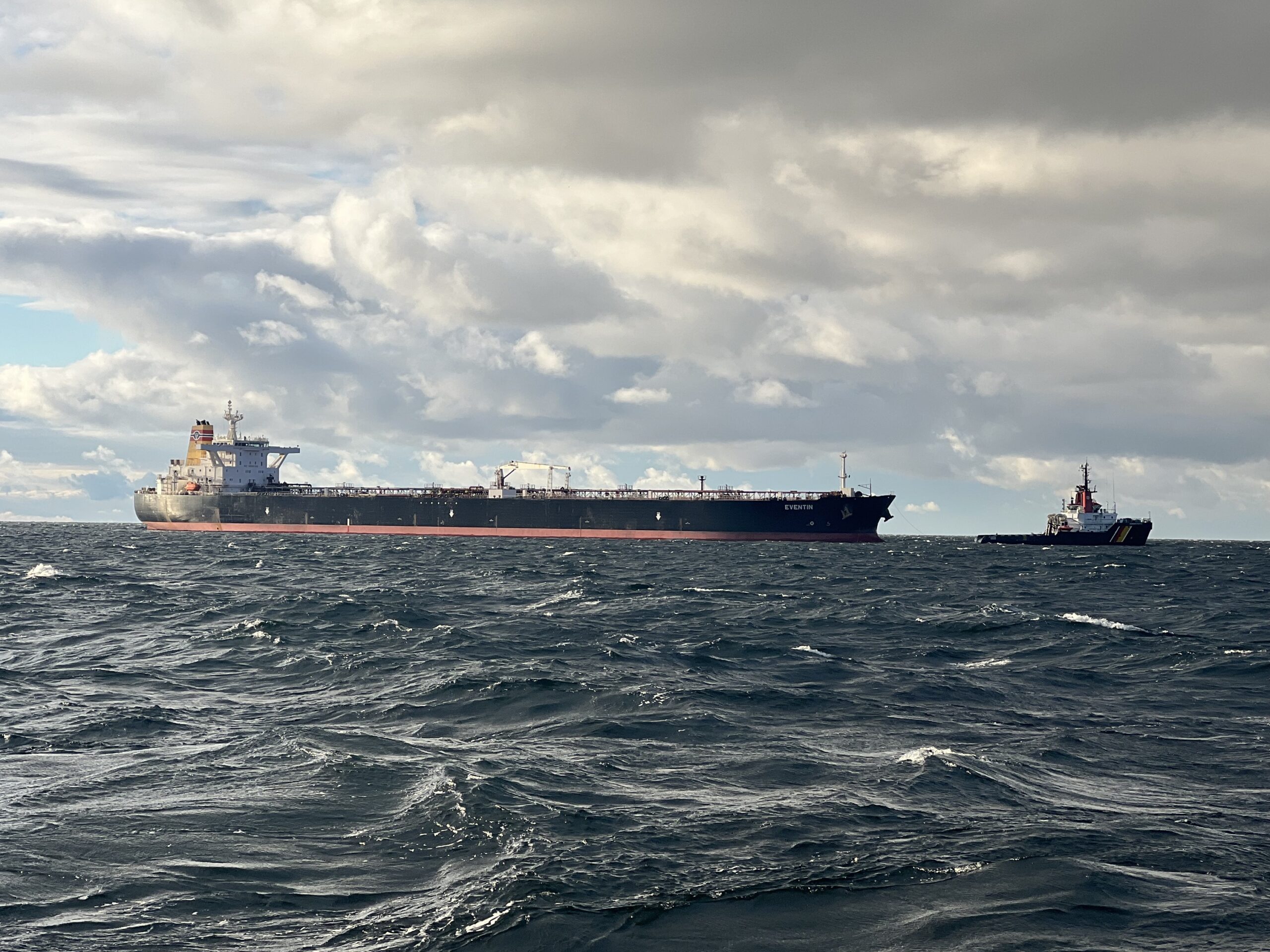
The shadow fleet phenomenon represents a complex global challenge where Russia has attempted to circumvent international trade restrictions through opaque maritime logistics networks. The EU's latest sanctions demonstrate a precision-targeted approach that dismantles these networks by focusing on specific businessmen and companies involved in maritime operations. This isn't just about blocking ships; it's a strategic dismemberment of Russia's alternative trade mechanisms.
Operational complexity is at the heart of this sanctions strategy. By targeting vessels with complex ownership structures, flag registrations in less-regulated jurisdictions, and sophisticated obfuscation techniques, the EU is effectively attacking the architectural foundations of Russia's maritime trade circumvention. The sanctions represent a surgical economic intervention that goes beyond traditional broad-based restrictions, instead pinpointing the specific actors enabling covert international trade.
The implications extend far beyond immediate maritime logistics. This approach signals a new paradigm of economic statecraft where financial mechanisms become as potent as traditional diplomatic or military tools. By creating significant economic challenges for Russia's alternative trade channels, the EU is demonstrating how targeted financial pressure can fundamentally reshape geopolitical dynamics.
For international businesses and maritime operators, this development sends a clear message: transparency and compliance are now strategic imperatives. The era of complex, opaque ownership structures designed to skirt international regulations is rapidly closing. Companies must now navigate an increasingly scrutinized global trade environment where every maritime transaction is potentially under microscopic examination.
Questions 3
What are the broader implications of these maritime sanctions?
These sanctions represent a new approach to economic statecraft, where financial mechanisms become precision tools for geopolitical pressure. They signal that complex trade circumvention strategies are becoming increasingly difficult, and businesses must prioritize transparency and compliance in international maritime operations.
How do the EU's new sanctions specifically disrupt Russia's maritime trade?
The sanctions target specific businessmen and companies managing vessels, effectively dismantling the operational networks that enable Russia to circumvent existing international trade restrictions. By focusing on individual actors and their maritime logistics infrastructure, the EU creates significant economic barriers.