


US Shipyard Consolidation Reshapes Container & Logistics Supply Chain | Seller Sourcing Impact
- Hanwha's $1B Alabama acquisition signals 40-50% cost pressure on domestic container shipping; sellers must evaluate nearshoring vs. Asian sourcing by Q4 2026






)

















Overview
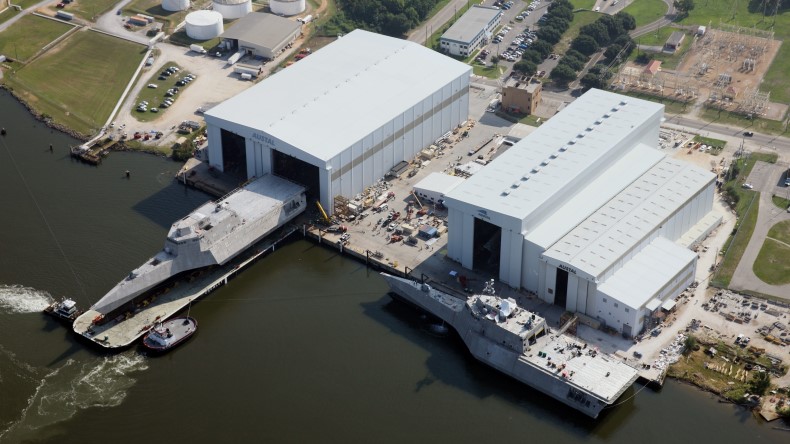
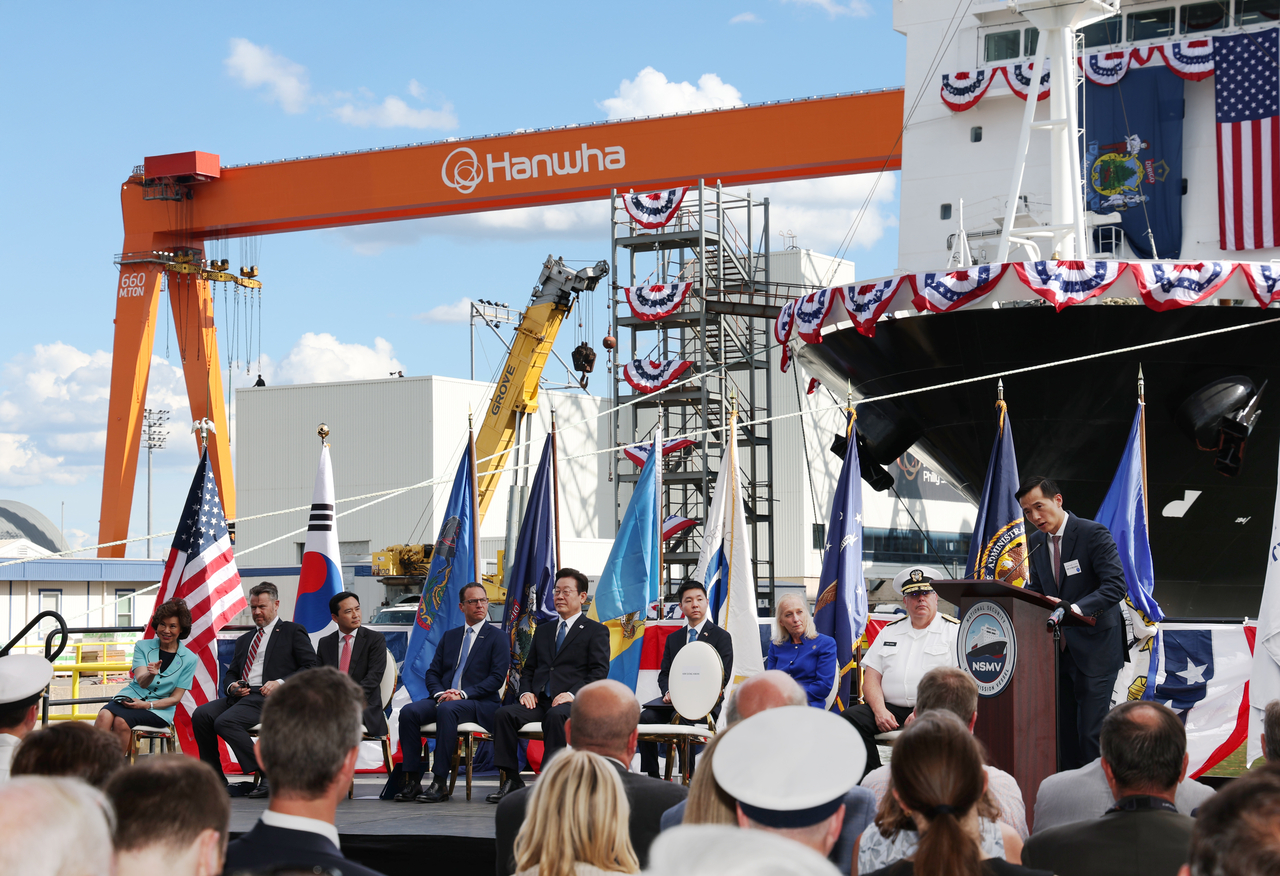
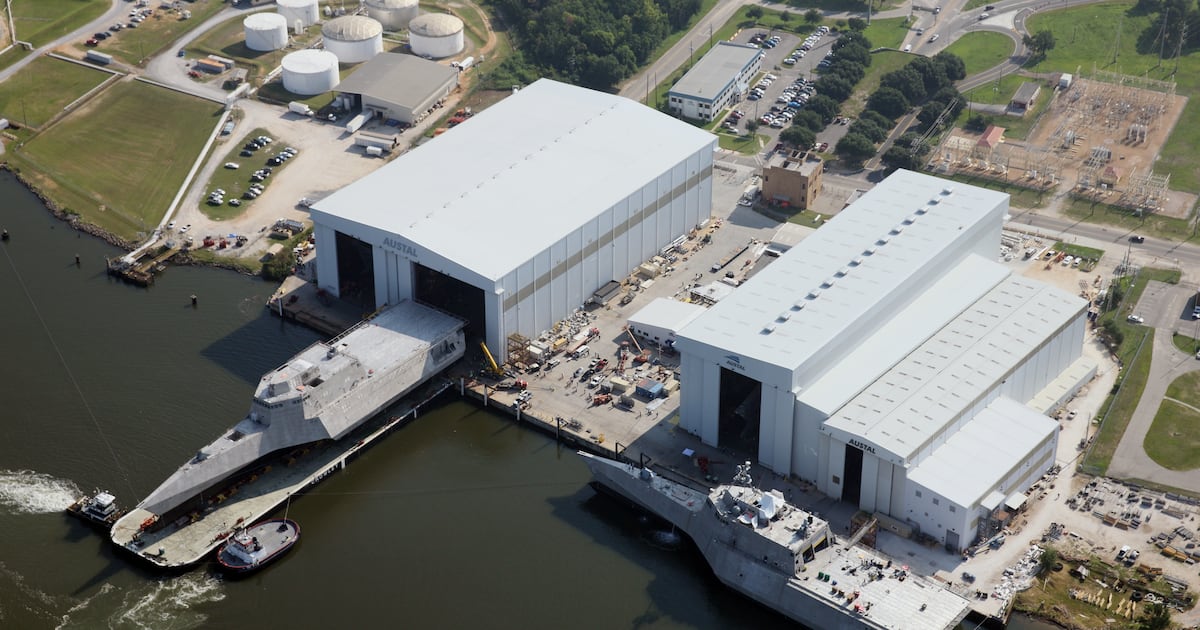
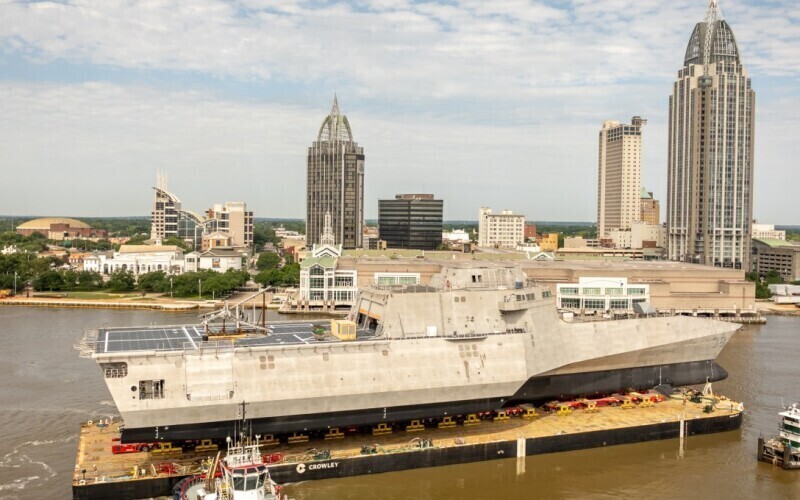
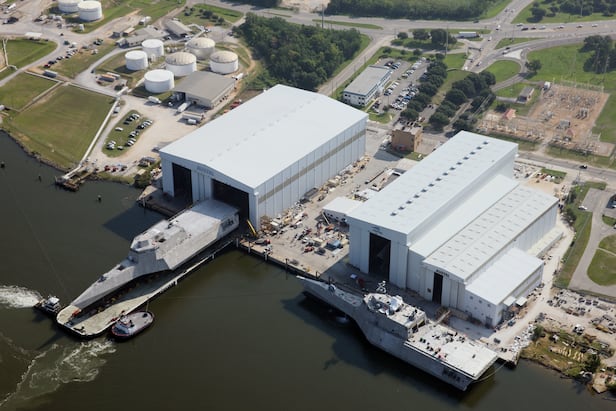
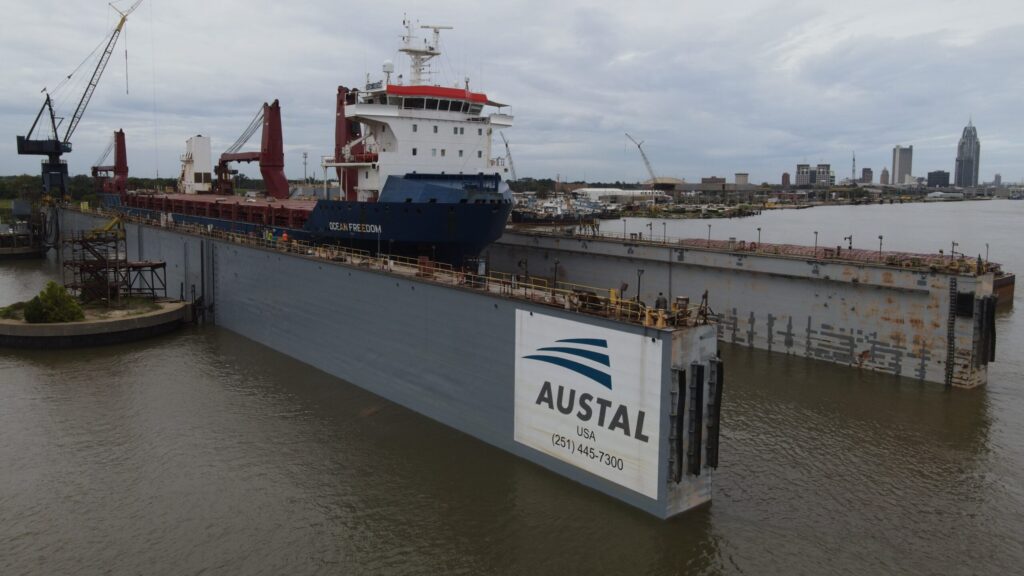
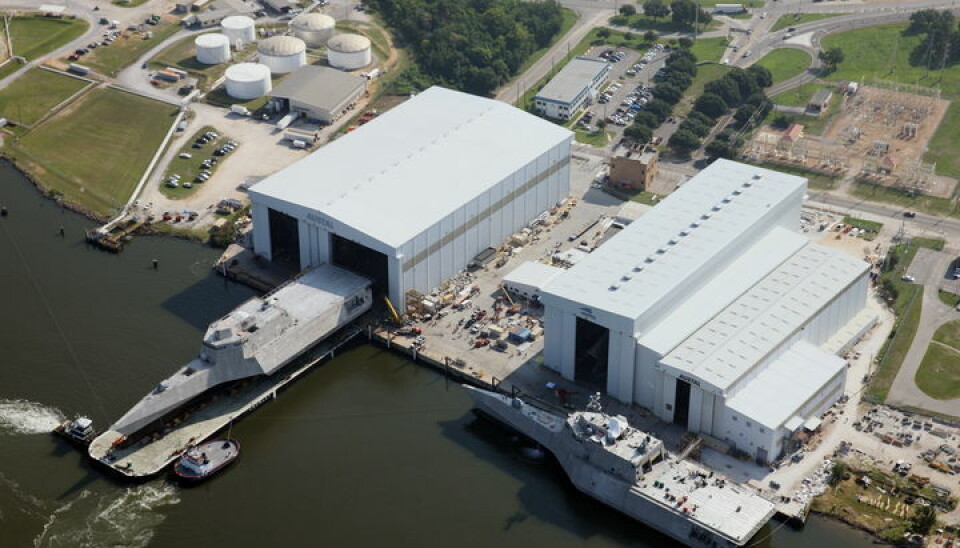
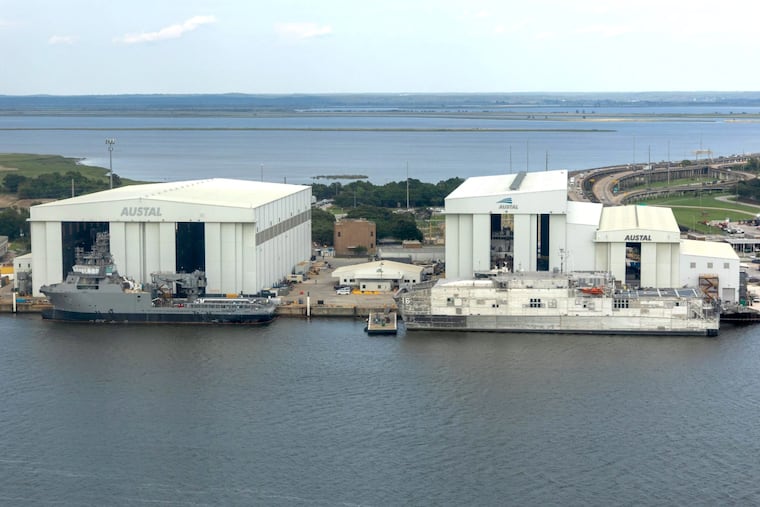
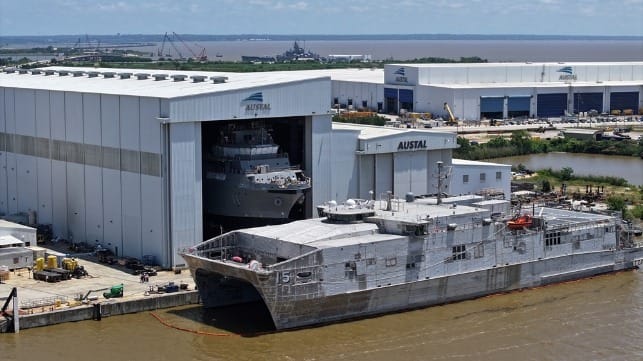
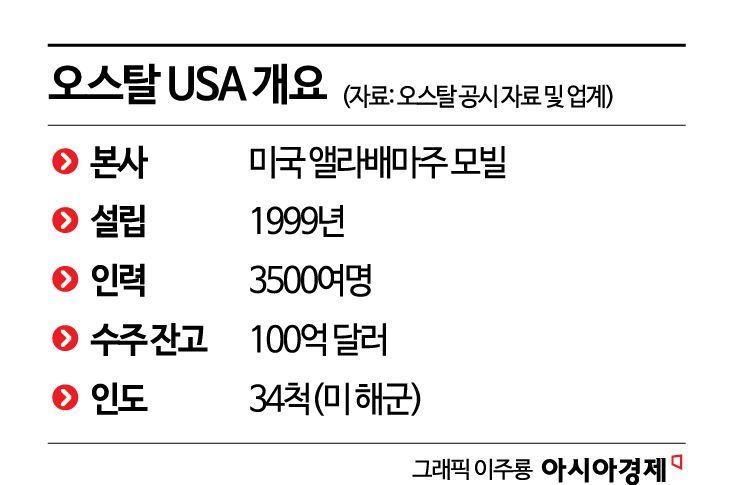
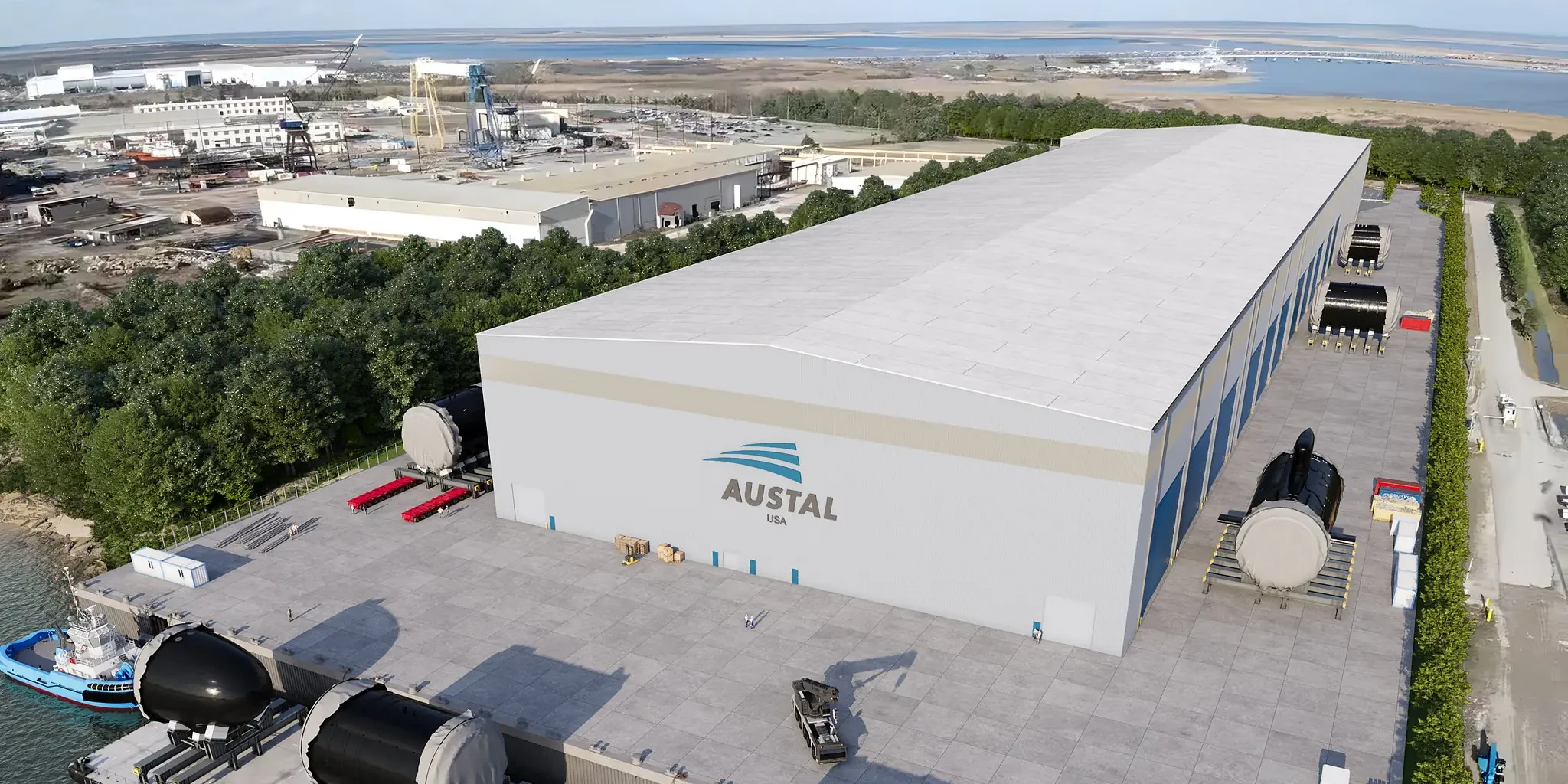
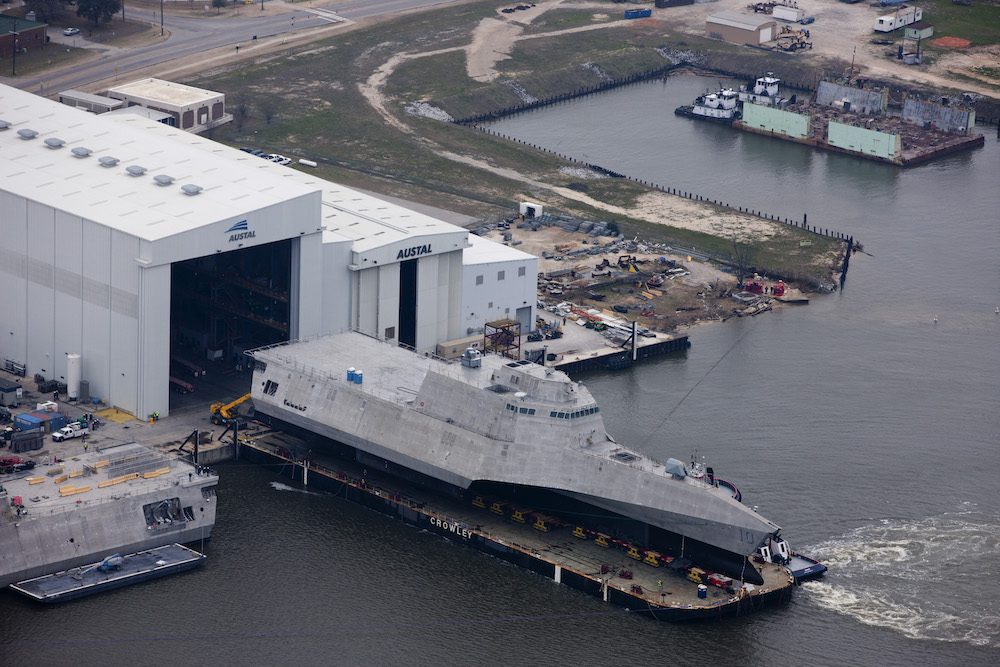
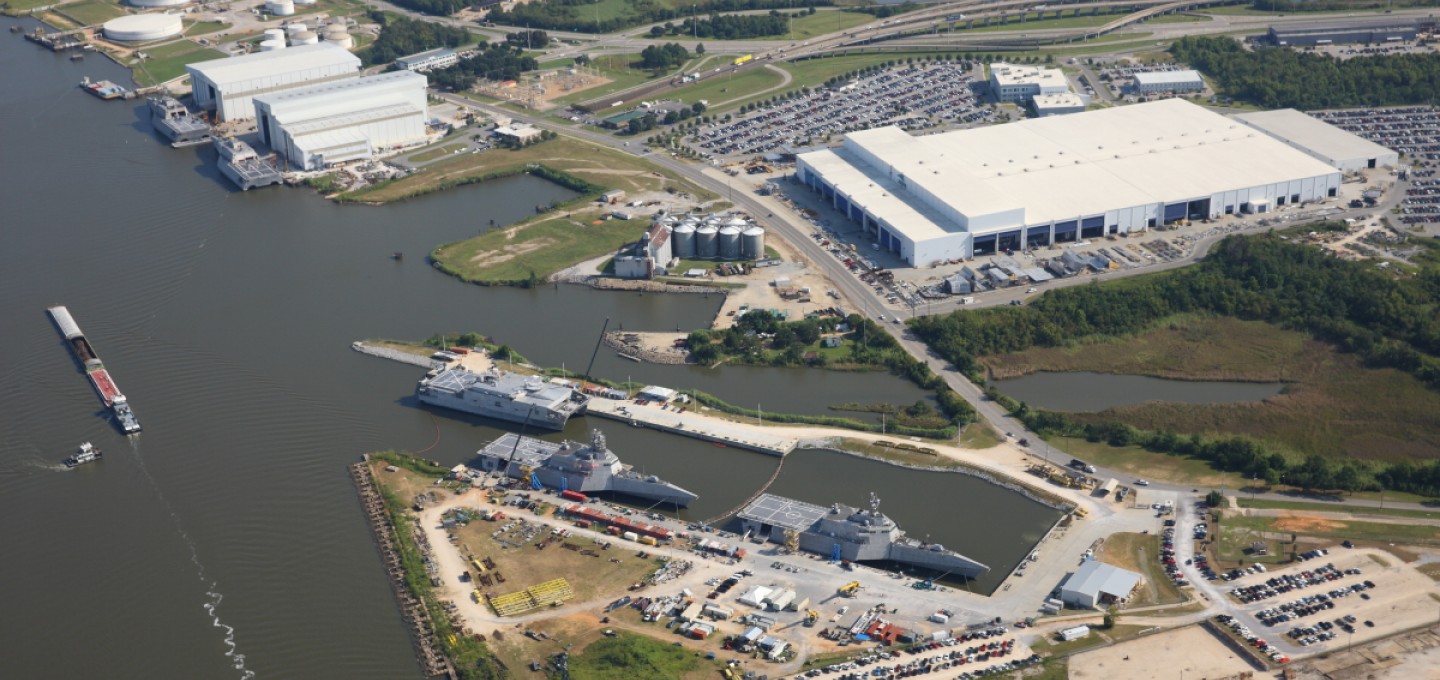
Hanwha Group's strategic pivot from Philadelphia to Mobile, Alabama represents a critical inflection point for cross-border sellers relying on domestic container shipping and logistics infrastructure. The Korean defense contractor's $1 billion acquisition of Austal USA (announced August 2026) consolidates U.S. shipbuilding capacity in the South, directly impacting container ship production for domestic carriers like Matson. This shift reflects deeper structural pressures: Hanwha's container ships cost roughly 2x Chinese shipyard prices due to Jones Act constraints, while the Trump administration's suspension of the Jones Act has further destabilized domestic shipbuilding economics. The Philadelphia yard's failure to implement promised $5 billion infrastructure upgrades (second Goliath crane, 1,000-foot dry dock) signals that U.S.-built vessel costs remain uncompetitive for commercial shipping.
For sellers, this consolidation creates immediate sourcing and logistics decisions. Matson, which operates the primary U.S.-flag container service for domestic routes (Hawaii, Alaska, Guam), faces production delays and cost escalation as Hanwha redirects capacity toward higher-margin defense contracts (submarine modules, warships). Sellers shipping bulk inventory to Hawaii or Alaska via Matson should expect 8-15% rate increases and 4-8 week delivery delays through 2027 as Austal's Alabama facility ramps production. The Jones Act suspension removes the regulatory moat protecting domestic shipbuilders, making Asian container imports increasingly attractive for sellers serving U.S. markets—a reversal of 2024-2025 nearshoring trends.
Warehouse positioning and inventory strategy must shift immediately. Sellers currently using Matson for Hawaii/Alaska distribution should: (1) Pre-position 8-12 weeks of inventory in Honolulu/Anchorage 3PL facilities before Q4 2026 to buffer shipping delays; (2) Evaluate alternative carriers (Seatrade, Horizon Lines) for cost comparison; (3) Consider redirecting Hawaii-bound inventory through Asian consolidation hubs (Singapore, Hong Kong) with transhipment to Honolulu, potentially saving 15-25% on total landed cost despite longer transit times. For sellers sourcing from Asia, the Jones Act suspension creates an opportunity to shift from nearshored Mexican/Central American suppliers back to Vietnam, Indonesia, and India for categories with 6-8 week lead times, capturing 20-30% cost savings on manufacturing while accepting longer ocean freight (35-45 days vs. 14-21 days from Mexico).
Questions 7
How does Hanwha's Alabama acquisition affect Matson shipping rates for Hawaii sellers?
Hanwha's consolidation of U.S. shipbuilding capacity in Mobile, Alabama will reduce container ship production for Matson, the primary U.S.-flag carrier for Hawaii/Alaska routes. Matson currently operates 4 container ships built by Hanwha's Philadelphia yard; the shift toward defense contracts (submarine modules, warships) at Austal's Alabama facility will delay replacement vessel construction by 18-24 months. Industry analysts project Matson will increase Hawaii shipping rates 8-15% through 2027 to offset production delays and higher vessel operating costs. Sellers shipping 20+ containers monthly to Hawaii should lock in 2026 rates immediately and pre-position inventory in Honolulu 3PLs to buffer delays.
Should sellers shift sourcing from Mexico to Asia given the Jones Act suspension?
Yes, for categories with 6-8 week lead times and 40+ unit orders. The Trump administration's Jones Act suspension removes the regulatory advantage protecting U.S. domestic shipbuilders, making Asian container imports 20-30% cheaper than nearshored Mexican alternatives. Vietnam and Indonesia now offer 15-25% manufacturing cost savings vs. Mexico, while ocean freight from Asia (35-45 days) is only 2-3 weeks longer than Mexico (14-21 days). For sellers with flexible inventory planning, shifting 30-50% of sourcing to Asia captures $50-150 per unit cost savings on electronics, apparel, and home goods. However, maintain 20-30% Mexico sourcing for fast-moving SKUs requiring 4-6 week replenishment cycles.