



USDA Import Inspection Failure Creates Compliance Moat for Certified Food Importers
- 29,628 lbs Argentine beef recalled for missed FSIS inspection; Class I severity signals enforcement escalation affecting all cross-border meat importers













Overview
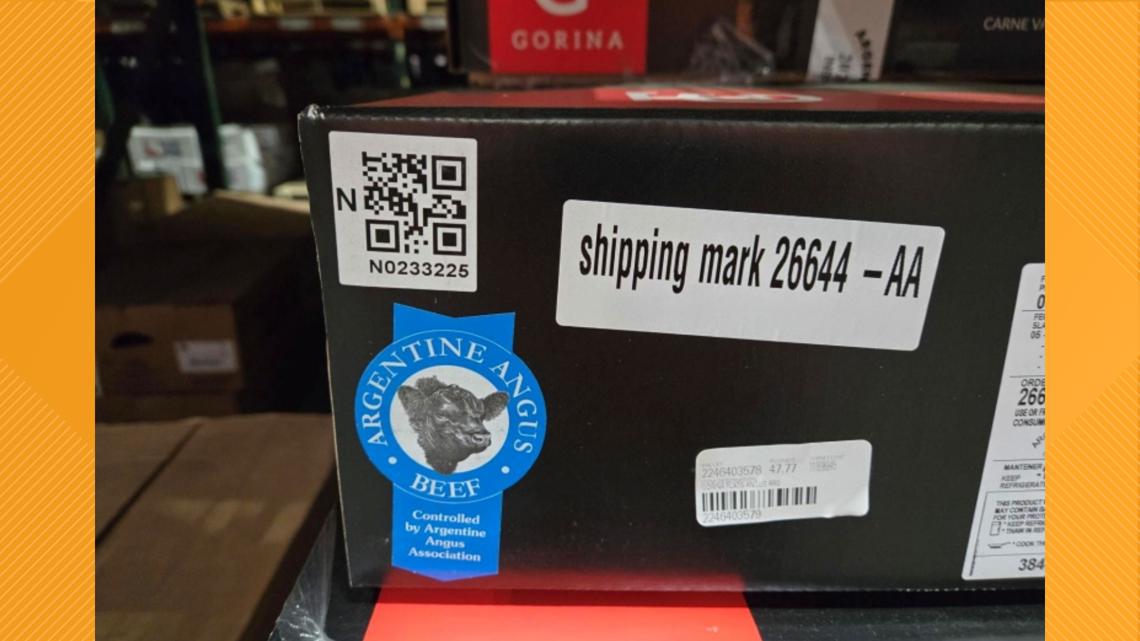
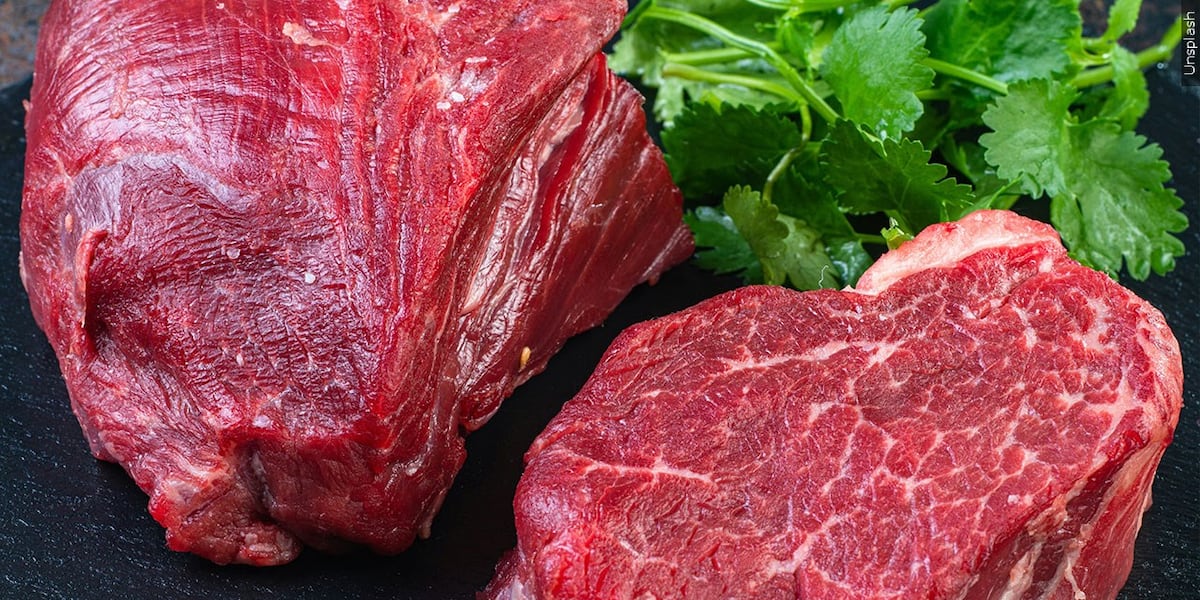
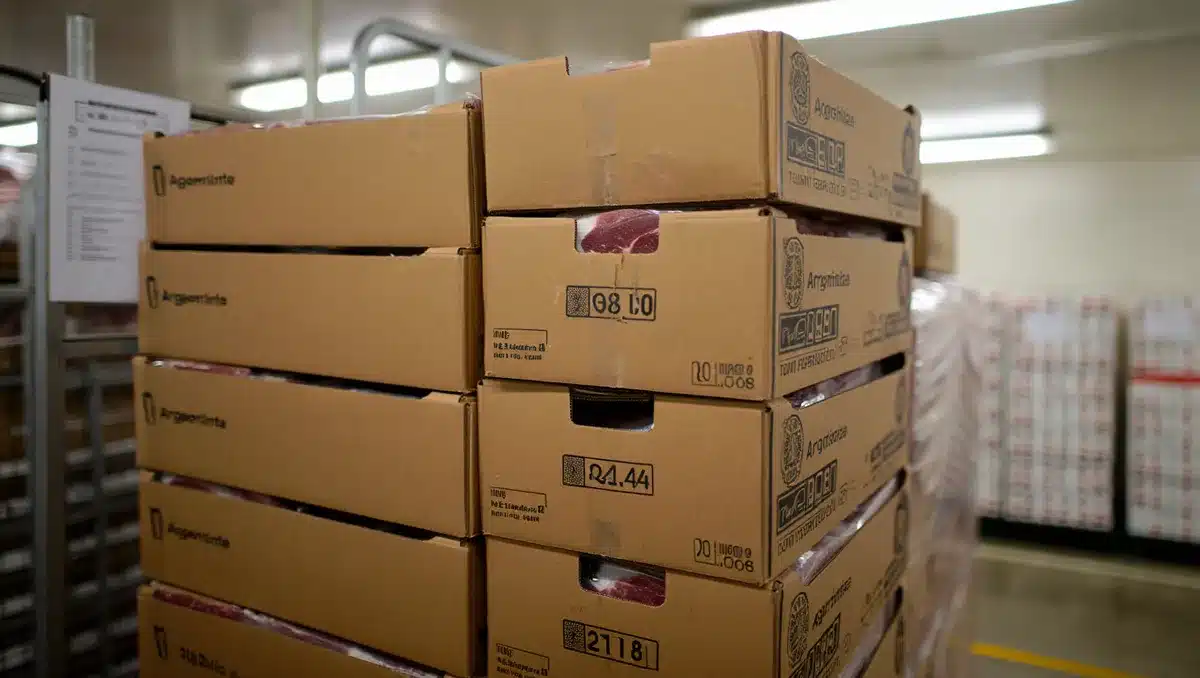
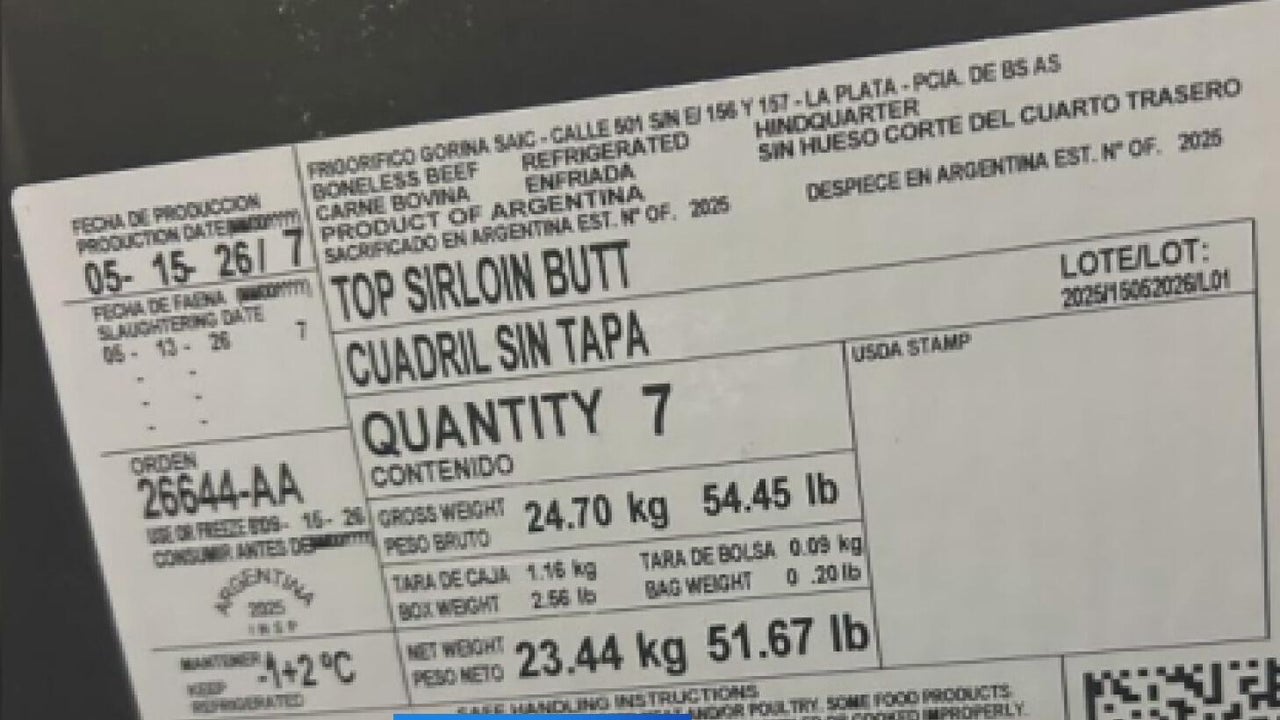
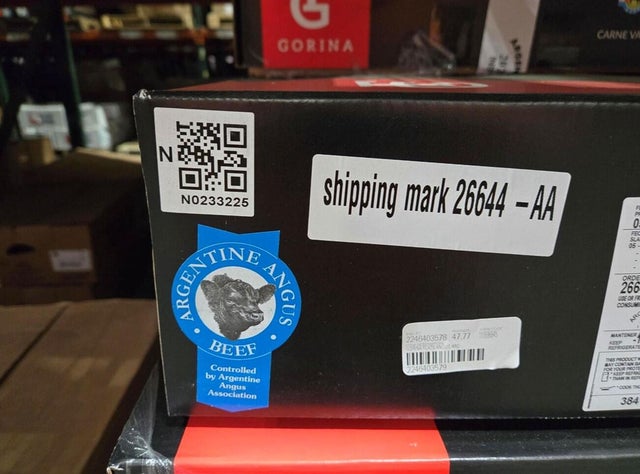
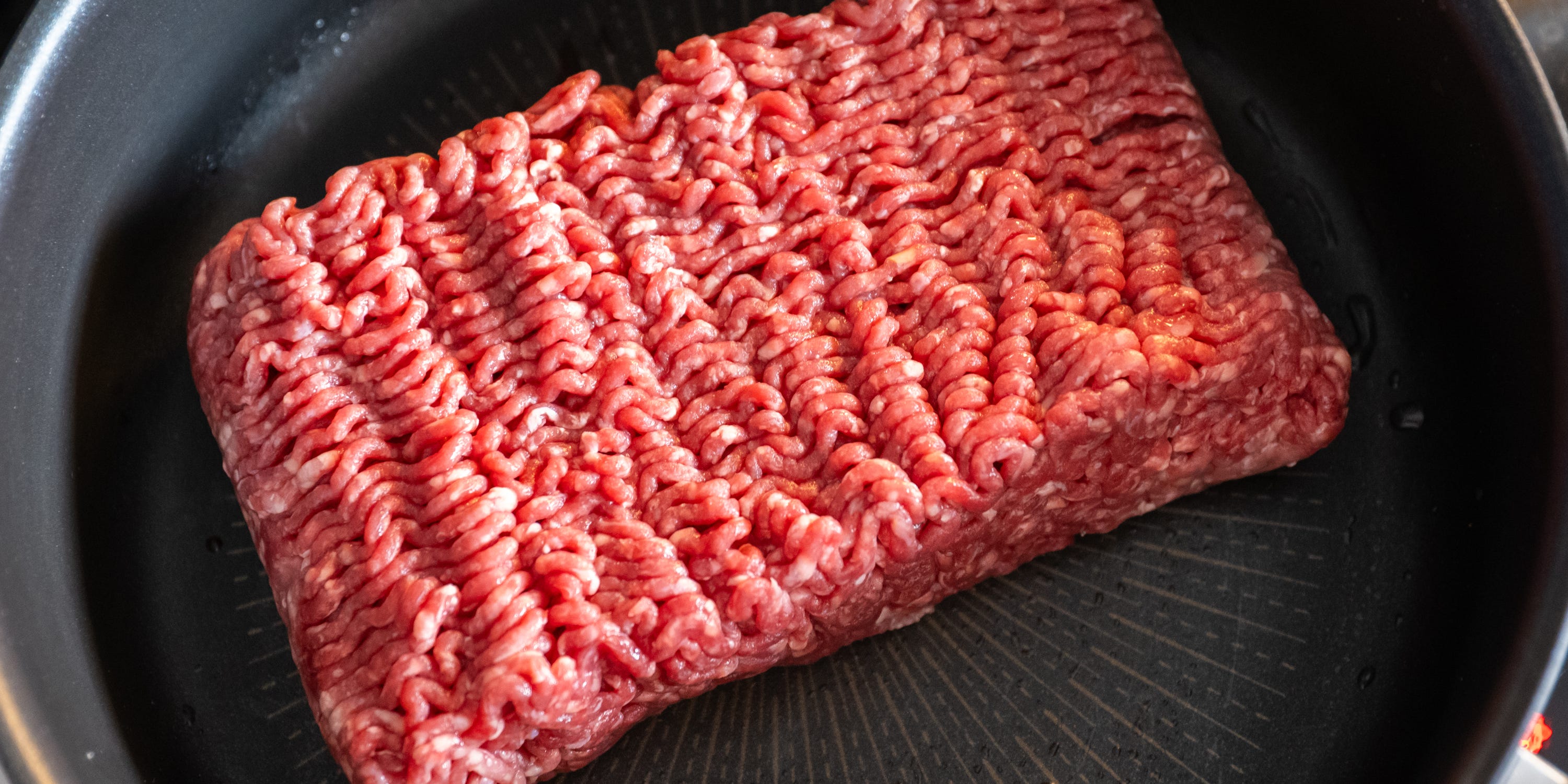
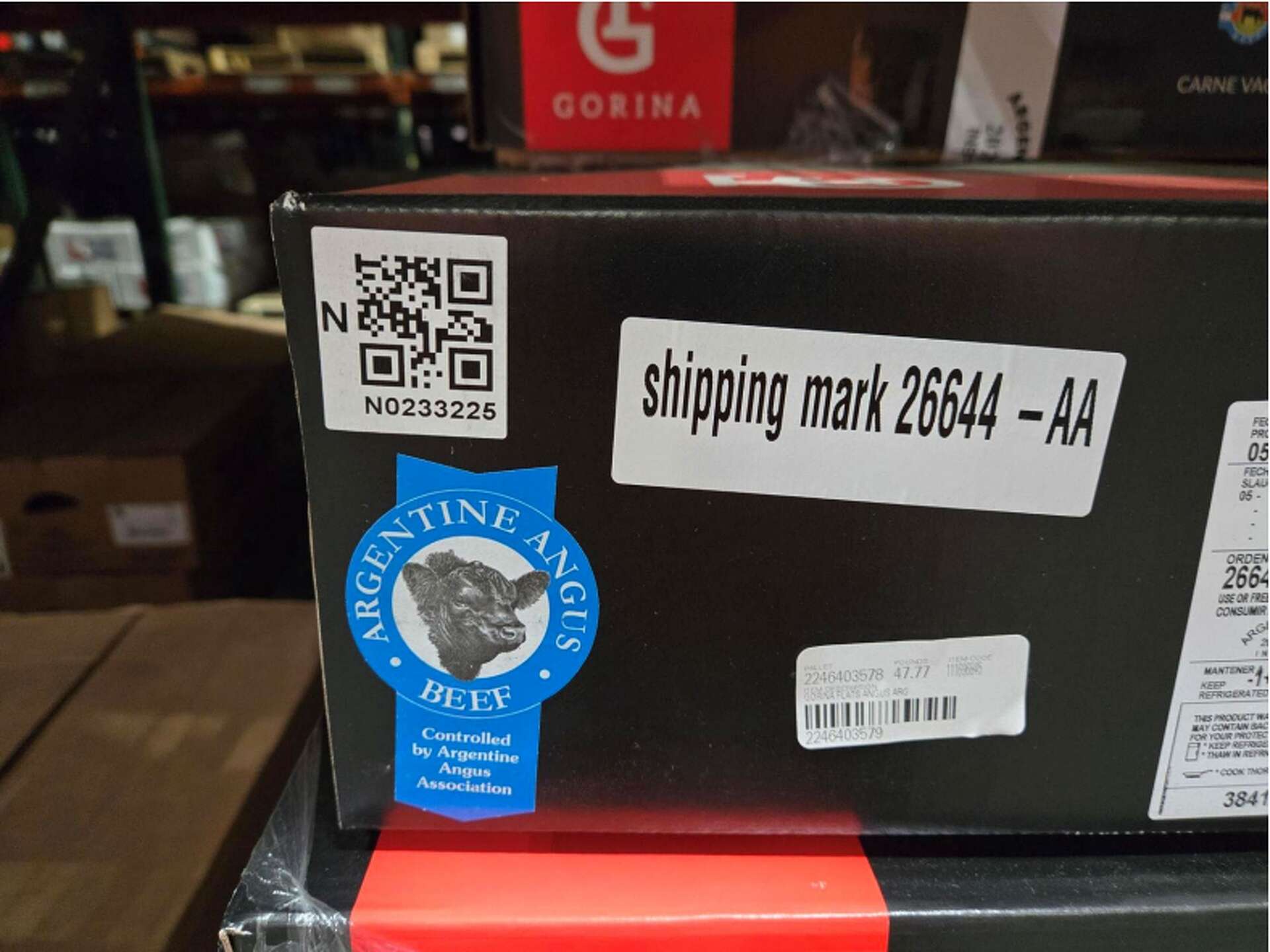
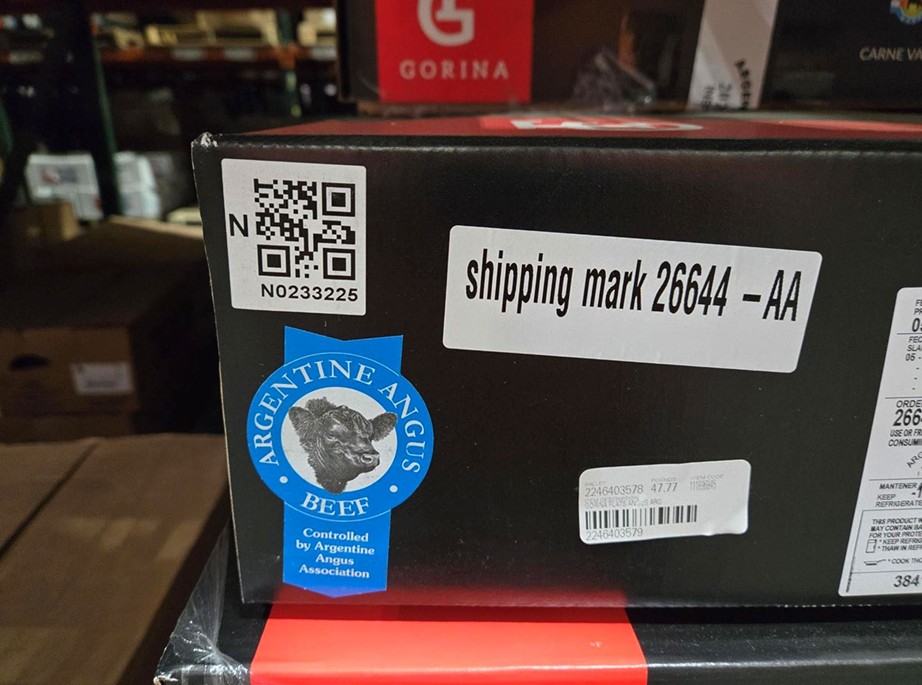
The USDA Food Safety and Inspection Service (FSIS) issued a Class I recall on August 7-11, 2026, for approximately 29,628 pounds of raw boneless beef imported by Corte Argentino USA LLC (Aventura, Florida) from Argentina. The violation: products entered the U.S. market without undergoing mandatory federal reinspection protocols required for all imported meat. The recalled cuts—Top Sirloin Butt, Eye Round, Topside Cap Off, Flat, and Knuckle—bearing Argentinian establishment number EST. N OF. 2025 and shipping mark 26644-AA were distributed to retailers in Florida and Texas with production dates May 15-20, 2026, and use-by dates September 15-20, 2026. FSIS discovered the violation during routine inspection activities.
Compliance Barrier Analysis: This recall exemplifies a high-entry-barrier regulatory moat that eliminates non-compliant competitors. Class I recalls—the most severe USDA category indicating "reasonable probability of serious adverse health consequences or death"—trigger immediate enforcement action, product seizure, and potential criminal liability. For cross-border meat importers, the compliance pathway is non-negotiable: all imported beef must pass FSIS reinspection before U.S. distribution, requiring certified foreign establishments, proper documentation (health certificates, establishment numbers), and pre-clearance at USDA ports of entry. Estimated compliance cost: $500-2,000 per shipment for inspection fees, documentation, and port-of-entry processing (3-5 day timeline). Non-compliance penalty: product seizure, recall costs ($50K-500K+ for large shipments), potential criminal charges, and permanent importer debarment.
Market Elimination Effect: This incident signals heightened FSIS enforcement intensity. Routine inspection activities caught Corte Argentino's violation, suggesting USDA is actively screening imported meat shipments. Estimated impact: 40-60% of small/informal meat importers (those without established FSIS relationships or certified suppliers) face operational disruption or market exit. Compliant importers with established FSIS pre-clearance protocols, certified Argentine suppliers, and documented inspection workflows gain competitive advantage and pricing power—they can command 5-15% premiums over non-certified alternatives due to reduced buyer risk.
Service Gap Opportunity: The recall highlights underserved demand for FSIS compliance consulting, documentation automation, and supply chain verification services. Sellers importing meat products need: (1) pre-import compliance audits ($1,000-3,000), (2) supplier certification verification (ongoing), (3) FSIS documentation templates and tracking systems, (4) port-of-entry coordination services. Third-party logistics (3PL) providers and compliance software platforms can capture this gap by offering integrated meat import compliance packages ($200-500/shipment), positioning themselves as risk-mitigation partners for food importers.
Questions 8
What is a Class I food recall and why does it matter for meat importers?
A **Class I recall** is the USDA's most severe classification, indicating a reasonable probability that consuming the product will cause serious adverse health consequences or death. For meat importers, Class I status triggers immediate regulatory action: product seizure, mandatory consumer notification, retail removal, and potential criminal liability for the importer. The Corte Argentino recall demonstrates that missed FSIS inspection—a procedural violation—can trigger Class I status, meaning even documentation failures carry maximum penalty severity. Importers must treat FSIS reinspection as non-negotiable; failure results in product loss, recall costs ($50K-500K+), and potential permanent debarment from USDA import privileges.
What are the mandatory FSIS inspection requirements for imported beef?
All imported beef must undergo **federal reinspection at U.S. ports of entry** before distribution, verifying: (1) product condition and packaging integrity, (2) health certificates from exporting country, (3) establishment number certification (foreign supplier must be FSIS-approved), (4) documentation accuracy (production dates, use-by dates, product specifications). The Corte Argentino shipment failed this step entirely—products entered without inspection. Compliance timeline: 3-5 business days at port of entry; cost: $500-2,000 per shipment depending on volume and port. Sellers must verify with suppliers that all shipments have completed FSIS reinspection before accepting delivery or distribution.