

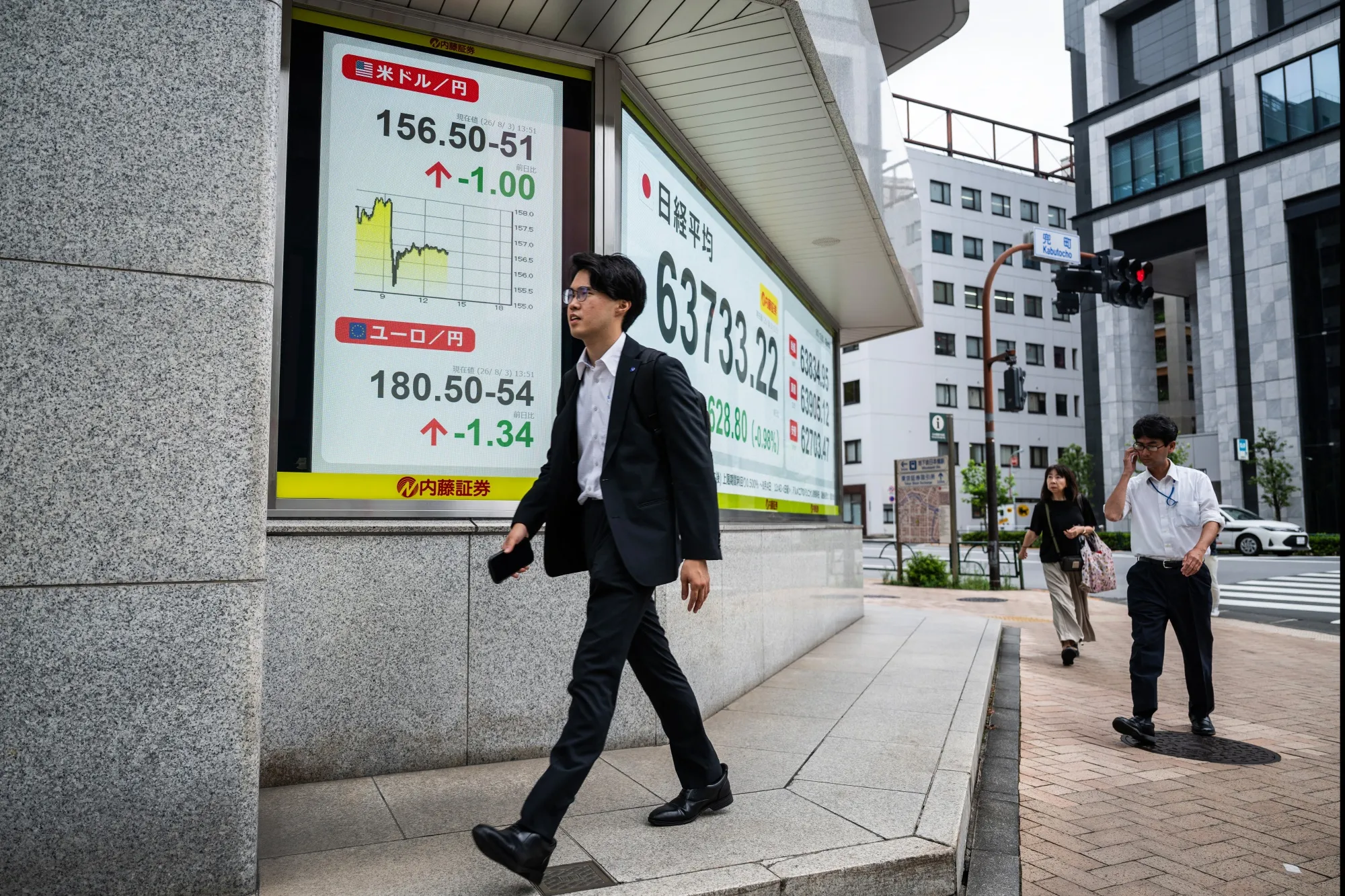


USD/JPY Volatility Surge | Cross-Border Sellers Face 8-12% Cost Swings
- Yen weakness creates immediate FX hedging urgency for Japan-US trade corridors; sellers shipping from Japan to US markets face margin compression as currency intervention fails to stabilize
















Overview
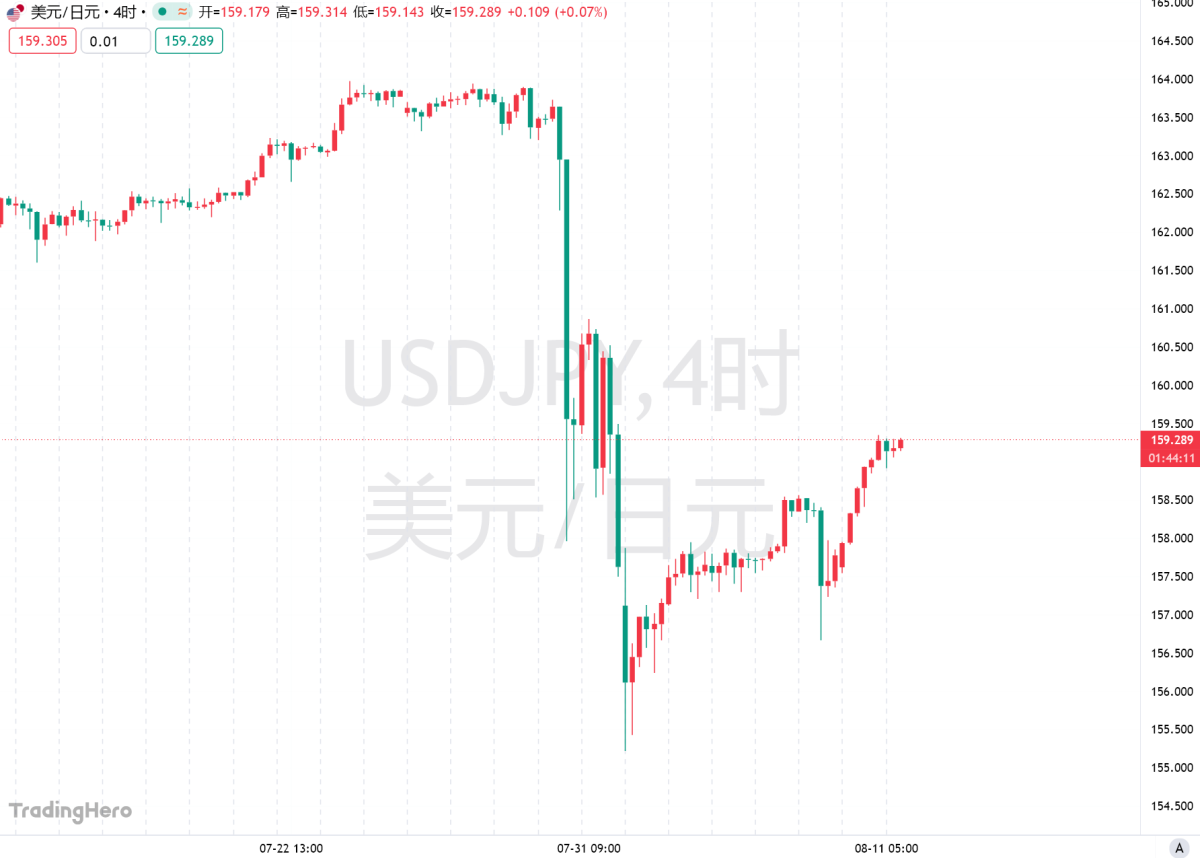
The yen's renewed weakness against the US dollar signals a critical FX risk window for cross-border sellers operating in the Japan-US corridor. The U.S. Treasury Department and Japan's Ministry of Finance jointly intervened in currency markets late last month to purchase yen and strengthen its value after the currency had depreciated approximately 10% over the prior year. However, renewed selling pressure on Monday indicates this stabilization effort is temporary, with analysts warning that sustained government commitment may be necessary to maintain the yen's value.
For cross-border sellers, this currency volatility creates immediate payment cost and cash flow challenges. Sellers sourcing products from Japan or shipping to Japanese buyers face 8-12% cost swings depending on settlement timing. A seller with $100K monthly inventory purchases from Japan now faces potential $8-12K monthly cost variance—equivalent to 2-3% margin compression on typical 15-20% gross margins. The intervention's temporary nature means sellers cannot rely on stable exchange rates for pricing decisions. Payment providers like Wise, OFX, and Payoneer offer forward contracts locking rates for 30-90 days at 0.5-1.2% premiums, providing immediate cost certainty. Sellers should prioritize invoice financing against JPY-denominated receivables, as lenders like Hilbert Finance and Fintech Acquisition Corp offer 2-3% discounts on JPY invoices due to currency risk premiums—unlocking 15-30 days of working capital immediately.
The broader implication: US Treasury yield increases from Japan's bond sales create secondary effects on cross-border financing costs. Japan's Treasury sales to generate dollars for yen-buying operations reduce bond prices and increase yields, potentially raising US borrowing costs. This affects sellers accessing US-based trade finance, PO financing, and inventory loans. Sellers with existing variable-rate financing may see 25-50 basis point increases in Q1 2025. The strategic response: (1) Lock in fixed-rate trade finance NOW through providers like Tradeshift or Taulia before rates rise further; (2) Shift payment settlement to USD-denominated accounts to avoid JPY conversion losses; (3) Implement dynamic pricing for Japan-sourced products, building in 3-5% FX buffer; (4) Consider invoice factoring to convert JPY receivables to USD within 24-48 hours at 1.5-2.5% discount rates.
Questions 8
How does yen weakness directly impact my sourcing costs from Japan?
A 10% yen depreciation over the past year means your JPY-denominated supplier invoices now cost 10% more in USD terms when converted. For a seller with $50K monthly purchases from Japan, this translates to $5K additional monthly costs. The news indicates renewed selling pressure suggests this weakness will persist, making immediate hedging critical. Forward contracts through **Wise** or **OFX** lock rates for 30-90 days at 0.5-1.2% cost, protecting against further depreciation. Action: Lock in forward contracts for next 90 days of JPY purchases by end of week to prevent additional margin erosion.
What payment methods minimize FX losses when buying from Japan?
**Multi-currency accounts** (Wise, Payoneer, OFX) eliminate conversion spreads (typically 2-4%) by holding JPY and converting only when needed. **Forward contracts** lock rates 30-90 days ahead, costing 0.5-1.2% but eliminating volatility risk. **Invoice financing** against JPY receivables converts to USD within 24 hours at 1.5-2.5% discount—faster than waiting for customer payment. For $100K monthly JPY purchases, switching from bank conversion (3-4% spread) to Wise (0.5-1%) saves $2,500-3,500 monthly. The yen's renewed weakness makes timing critical: lock rates before further depreciation accelerates.