




Nvidia Chip Competition Reshapes Cloud Infrastructure | AI Accelerator Market Consolidation Drives Seller Opportunity
- Hyperscaler chip competition threatens Nvidia's $500B market position; sellers must adapt to fragmented AI infrastructure landscape and emerging edge computing opportunities











Overview
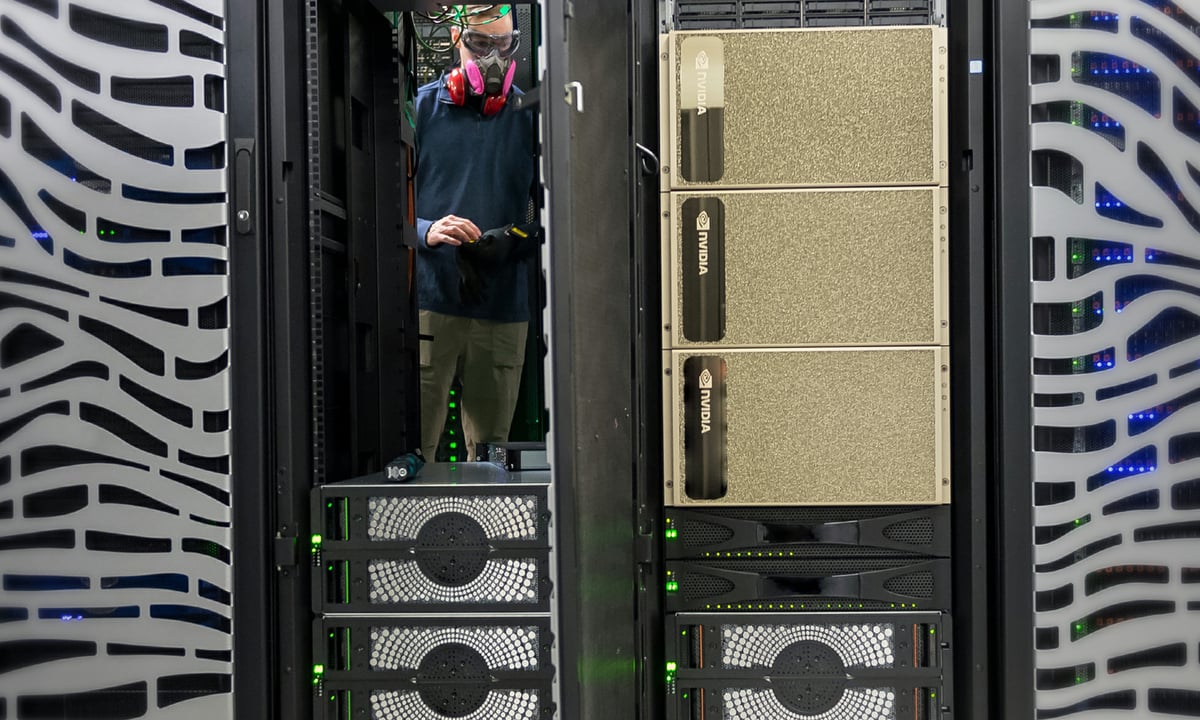
Nvidia faces unprecedented competitive pressure as hyperscalers—Amazon, Google, Meta, and Microsoft—increasingly develop proprietary chips to reduce dependence on the chipmaker, fundamentally reshaping the AI infrastructure market that underpins modern e-commerce operations. The Economist reports Nvidia is responding with a $500 billion strategic investment to strengthen partnerships and maintain market dominance in AI accelerators. This competitive shift has direct implications for cross-border sellers: the fragmentation of AI infrastructure creates both risks and opportunities in how e-commerce platforms optimize their recommendation engines, search algorithms, and fulfillment automation.
For e-commerce sellers, this infrastructure competition translates into three critical dynamics: First, platform algorithm volatility—as Amazon, Google, and Meta optimize their proprietary chips for specific workloads, their recommendation and search algorithms will evolve unpredictably. Sellers relying on AI-driven visibility (Amazon A9 search, Google Shopping feed optimization) face potential ranking fluctuations as platforms fine-tune their custom silicon. This creates urgency for sellers to diversify traffic sources and reduce dependency on single-platform AI algorithms. Second, cost structure transformation—hyperscalers' custom chips reduce their infrastructure costs by 20-40% compared to Nvidia solutions, enabling platforms to invest more aggressively in seller tools, fulfillment automation, and AI-powered customer service. Sellers should expect platform fee structures to shift as platforms reinvest savings into competitive features. Third, edge computing opportunities—as hyperscalers develop specialized chips for specific tasks (recommendation, fraud detection, logistics optimization), new product categories emerge around edge AI devices, IoT sensors for supply chain tracking, and AI-powered fulfillment equipment that sellers can source and resell.
The strategic implication for sellers is clear: AI infrastructure consolidation is accelerating, and platform algorithms will become increasingly proprietary and unpredictable. Sellers who currently rely on gaming Amazon's A9 algorithm or Google Shopping's ranking factors face higher volatility as these platforms optimize for their custom silicon. The competitive advantage shifts from understanding generic AI principles to understanding platform-specific optimization. Sellers should immediately audit their traffic sources, implement AI-powered dynamic pricing tools that work across multiple platforms, and explore emerging categories in edge computing and AI hardware that serve the growing demand from small businesses adopting AI tools. The $500 billion Nvidia investment signals the market recognizes AI infrastructure as a strategic moat—sellers must similarly recognize that platform independence and multi-channel AI optimization are now essential competitive capabilities.
Questions 8
How does Nvidia's chip competition affect Amazon seller visibility and ranking?
As Amazon develops custom silicon optimized for its proprietary workloads, the A9 search algorithm will evolve in unpredictable ways. Amazon's custom chips enable faster, cheaper recommendation processing, meaning the platform can implement more aggressive personalization that may reduce visibility for sellers relying on traditional keyword optimization. Sellers should expect 5-15% ranking volatility as Amazon fine-tunes its algorithm for custom hardware. Immediate action: diversify traffic sources by investing in external channels (Google Shopping, TikTok Shop, Shopify) and implement AI-powered dynamic pricing tools that adapt across multiple platforms rather than optimizing for a single algorithm.
What new product categories emerge from hyperscaler chip competition?
The shift toward custom silicon creates demand for edge AI devices, IoT sensors for supply chain tracking, and specialized AI accelerators for small business use. As hyperscalers develop chips for specific tasks (recommendation engines, fraud detection, logistics), these technologies eventually commoditize and become available for resale. Sellers can source and resell AI-powered fulfillment equipment, edge computing devices, and IoT sensors to other e-commerce businesses. This represents a $2-5B emerging category opportunity as AI infrastructure democratizes. Sellers should monitor emerging product lines from companies like Jetson (Nvidia's edge AI platform) and custom chip startups targeting SMB e-commerce operations.