


Geopolitical Shipping Disruption & Inflation Volatility | Critical Supply Chain & Cost Pressures for E-Commerce Sellers
- Iran's Strait of Hormuz closure threatens 12-15% shipping cost increases; small business optimism peaks but energy inflation pressures margins across all seller segments

















Overview
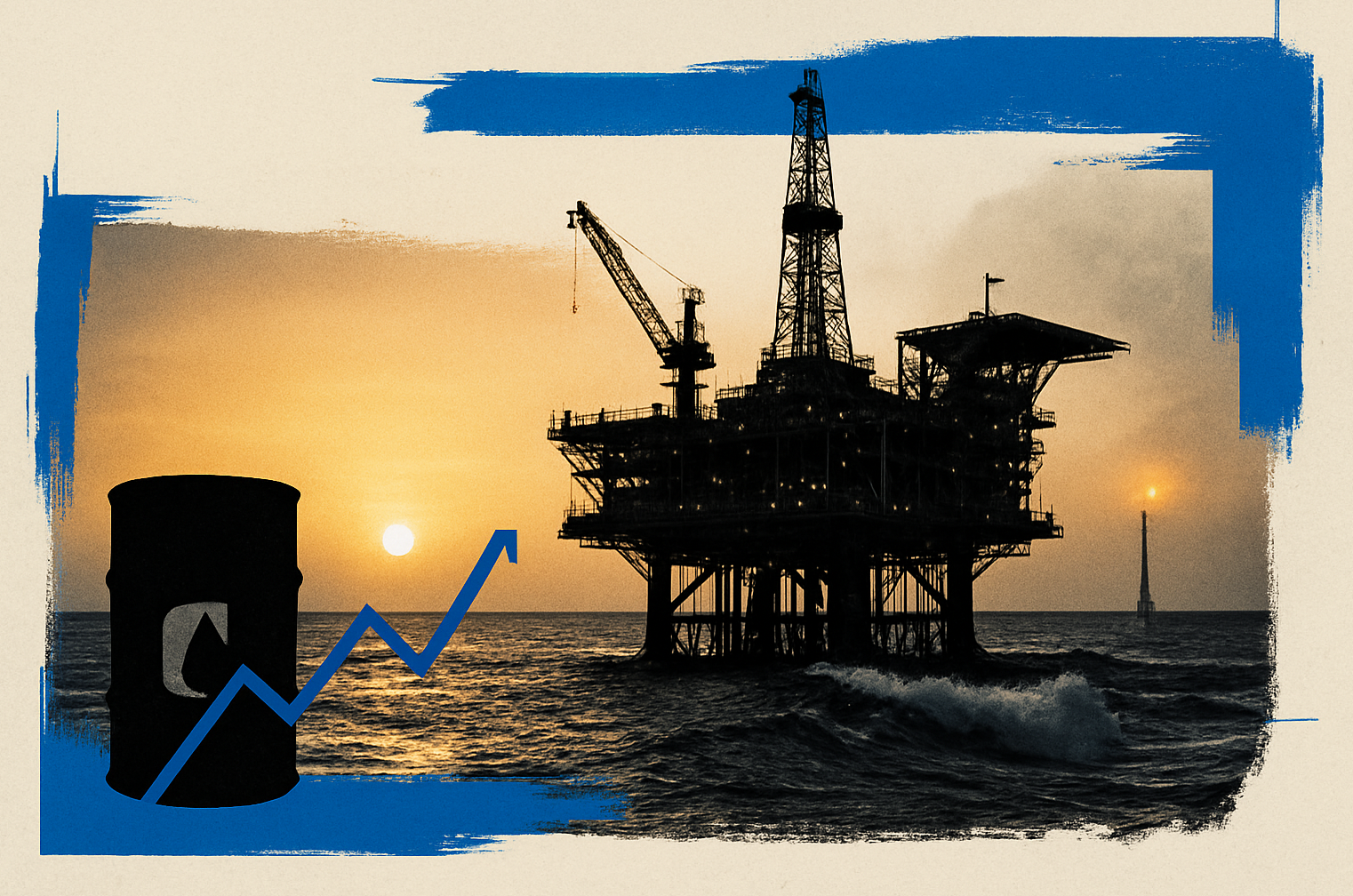
The convergence of geopolitical tension and macroeconomic uncertainty creates immediate operational and financial challenges for cross-border e-commerce sellers. Iran's announcement that the Strait of Hormuz will remain closed until conditions are met has triggered Brent crude oil surges above $88/barrel, directly impacting shipping costs for sellers relying on ocean freight corridors. Simultaneously, U.S. inflation data shows mixed signals—July CPI rose 0.1% with core CPI potentially reaching its lowest year-over-year reading since March 2021, yet energy prices remain elevated and sticky services inflation (rents, medical care) persists. The Federal Reserve faces a 50% probability of a September rate hike, creating uncertainty around working capital costs and consumer purchasing power.
For e-commerce sellers, this creates a dual squeeze: shipping cost inflation from geopolitical disruption combined with potential interest rate increases that raise borrowing costs for inventory and fulfillment operations. Sellers shipping electronics, industrial equipment, and energy-dependent products face the most acute pressure, as Brent crude's $88+ level directly correlates to 12-15% increases in ocean freight rates from Asia to North America and Europe. Amazon FBA sellers storing inventory in US fulfillment centers will see compounding pressure from both higher inbound freight costs and potential storage fee adjustments tied to energy costs. Small business sentiment reached its highest level in one year (per NFIB data), yet this optimism masks underlying margin compression—sellers cannot easily pass shipping cost increases to price-sensitive consumers on Amazon, eBay, and Shopify without risking Buy Box loss or conversion rate decline.
The immediate window for action is 2-4 weeks, before shipping rate increases fully propagate through 3PL networks and freight forwarders. Technology sector sellers show resilience with companies like Coreweave and Super Micro Computer raising earnings projections, suggesting demand remains strong for computing infrastructure and AI-related products. However, this demand strength will be tested if consumer price index data on Wednesday triggers Fed rate hike expectations, potentially cooling discretionary spending on non-essential electronics and home goods. Sellers must immediately audit their sourcing geography—Vietnam and India-based suppliers may offer cost advantages over China-dependent supply chains if Strait of Hormuz disruptions persist, as alternative shipping routes (Suez Canal, air freight) add 15-25% to landed costs. The housing market's decline to three-month lows signals consumer spending constraints in home improvement and furniture categories, requiring sellers to shift inventory allocation toward essential and technology-driven products where demand remains resilient.
Questions 8
How will Iran's Strait of Hormuz closure impact my shipping costs as an Amazon FBA seller?
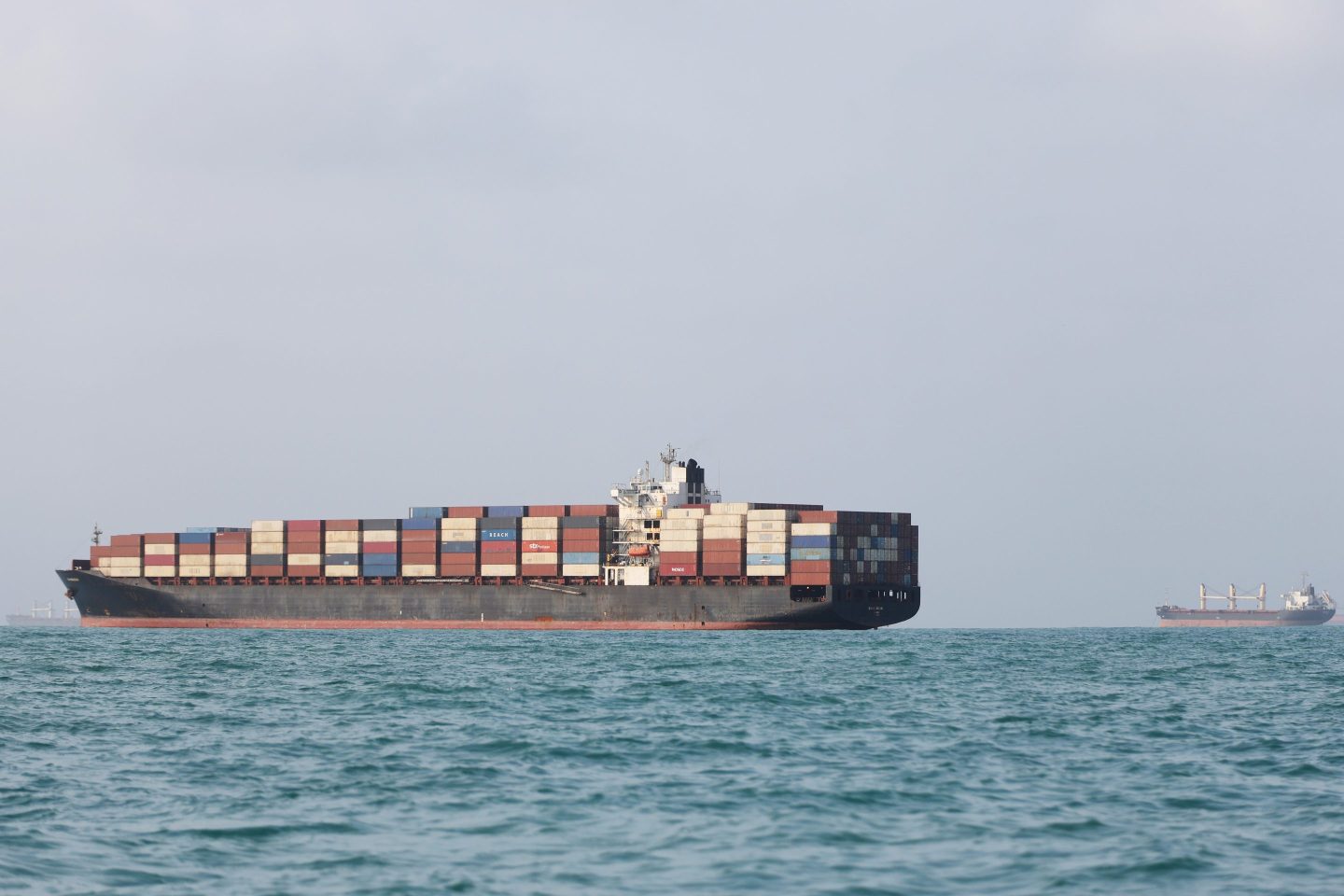
The Strait of Hormuz closure threat has already pushed Brent crude oil above $88/barrel, which typically translates to 12-15% increases in ocean freight rates within 2-4 weeks. For sellers shipping 1,000+ units monthly from Asia to US fulfillment centers, this means an additional $200-400/month in inbound freight costs. The impact is most severe for electronics, industrial equipment, and energy-dependent products. Monitor freight forwarder quotes daily and consider consolidating shipments to maximize container utilization, which can offset 3-5% of rate increases. Alternative routing through the Suez Canal or air freight adds 15-25% premium, making ocean freight the only viable option despite disruption risks.
Should I shift my sourcing from China to Vietnam or India to avoid shipping disruptions?
Vietnam and India sourcing offers 8-12% cost advantages over China for many categories (electronics, textiles, home goods), but switching requires 6-12 weeks for supplier qualification and sample validation. The Strait of Hormuz disruption creates a 2-4 week window where freight rates spike, making this an opportune time to evaluate alternatives. Vietnam-to-US shipping via alternative routes costs 5-8% more than China routes but avoids Strait dependency. For sellers with 3-6 month inventory cycles, initiating Vietnam sourcing now positions you to benefit from normalized rates in Q4 2024. However, India sourcing faces longer lead times (45-60 days) and higher quality control variability—only pursue if you have established supplier relationships.