


Apple Pay Leadership Shift 2026 | Payment Processing Implications for Cross-Border Sellers
- Jennifer Bailey's October 2026 retirement signals strategic pivot in Apple's $2.2T services division; sellers using Apple Pay face potential fee restructuring and merchant integration changes





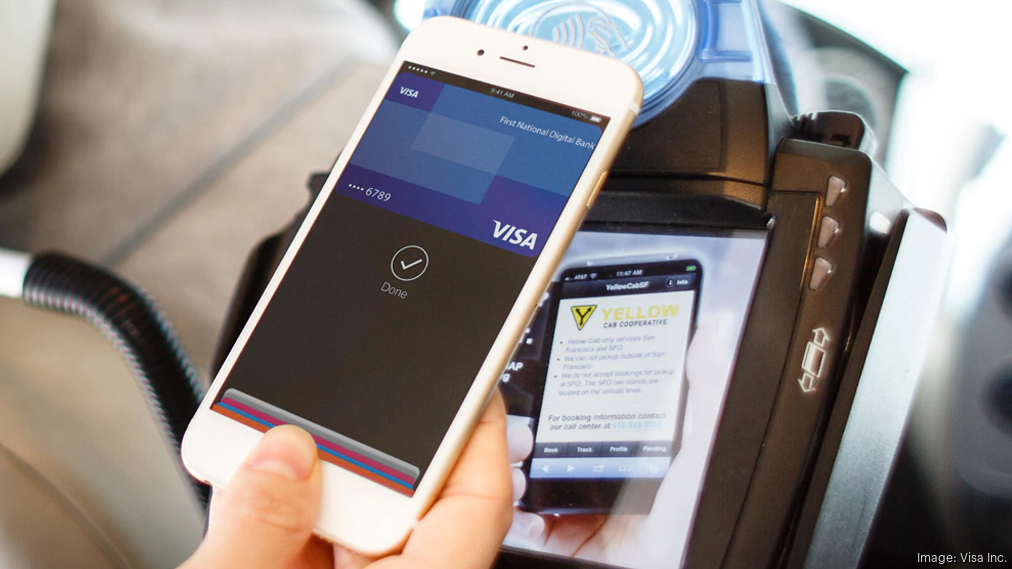

Overview
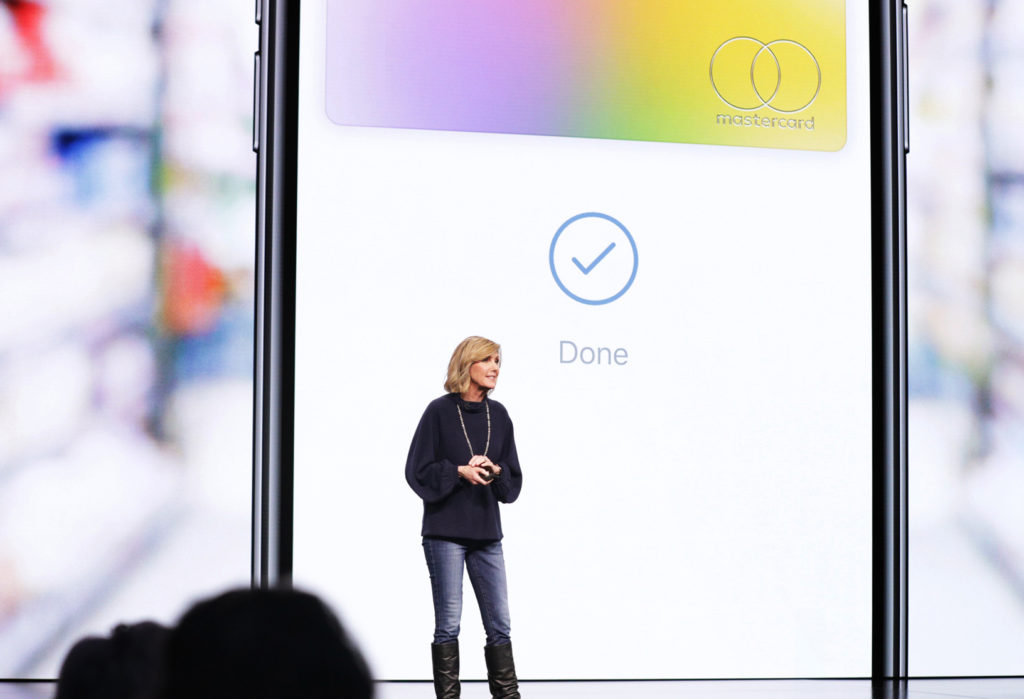
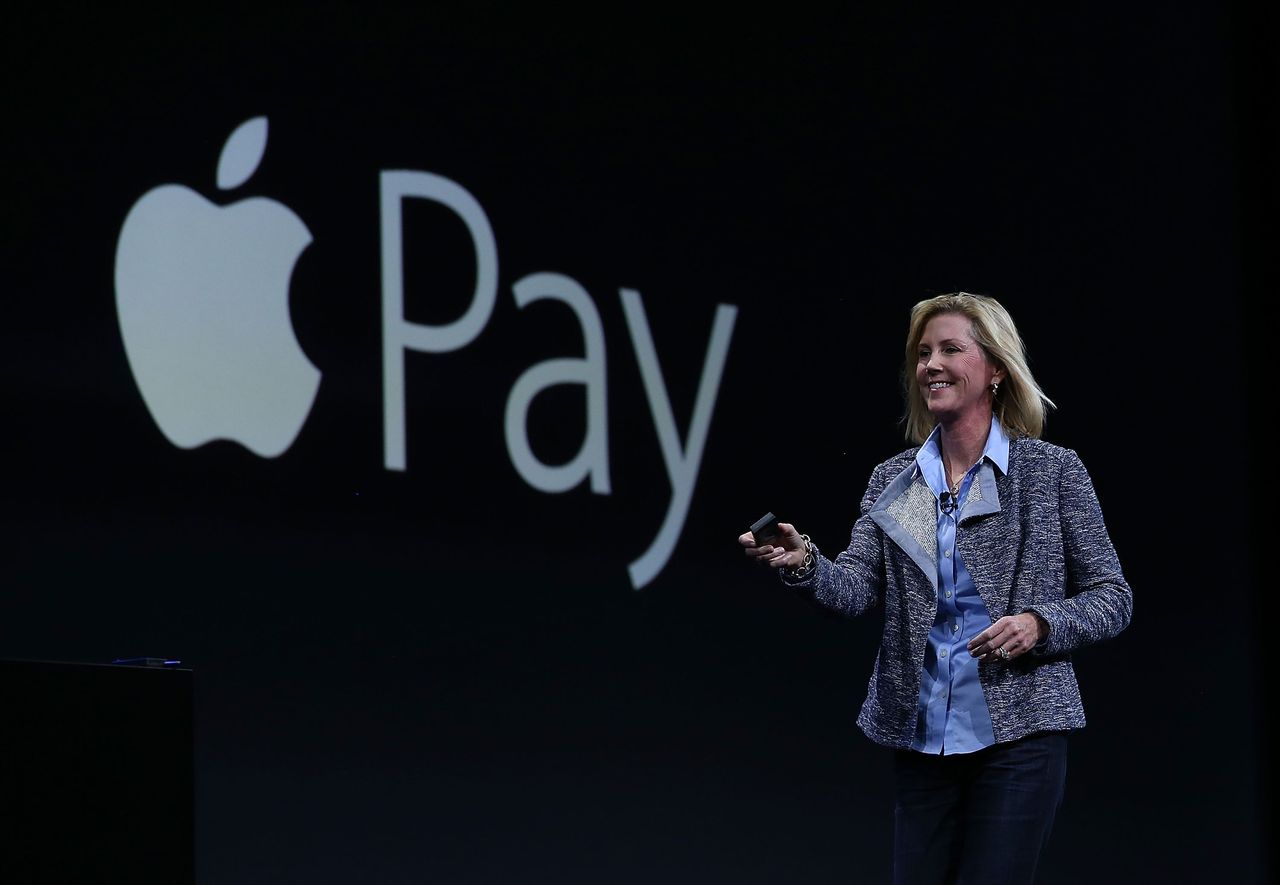
Apple's Vice President of Apple Pay and Wallet, Jennifer Bailey, is retiring in October 2026 after 25+ years at the company, marking a critical leadership transition in one of the world's largest mobile payment platforms. This departure, announced via internal memo from Apple Services Chief Eddy Cue, represents a strategic inflection point for cross-border sellers who depend on Apple Pay as a payment acceptance method. Bailey transformed Apple Pay from launch in 2014 into a global competitor against Google Pay, Samsung Pay, and traditional processors, overseeing integration with Apple Wallet for comprehensive digital credential management.
For cross-border e-commerce sellers, this leadership change directly impacts payment processing costs and merchant terms. Bailey's 25-year tenure established Apple Pay's current merchant fee structure (typically 0-2.5% depending on integration type) and global expansion strategy that now covers 70+ countries. Her successor will inherit responsibility for maintaining Apple Pay's market position while driving innovation in fintech services—a period historically marked by fee adjustments, API changes, and merchant onboarding modifications. Sellers currently accepting Apple Pay through Shopify, WooCommerce, or direct integration should monitor for potential fee increases or new merchant requirements during the transition period (October 2026 through Q1 2027).
The timing coincides with Apple's broader services revenue focus and CEO transition (John Ternus assuming role September 1, 2026). This dual leadership change suggests Apple may accelerate its "vision of replacing the physical wallet" through more aggressive merchant acquisition or fee restructuring. Sellers in high-ticket categories (electronics, luxury goods, jewelry) who rely on Apple Pay for premium customer segments face particular exposure. The advisory role Bailey maintains during transition suggests continuity in strategic direction, but new leadership often implements cost optimization initiatives affecting merchant economics. Cross-border sellers should expect potential changes to: (1) merchant discount rates for international transactions, (2) FX conversion fees for multi-currency payments, (3) settlement timelines for non-US merchants, and (4) API requirements for wallet integration.
Immediate financial implications for sellers: Apple Pay currently processes $1.5T+ in annual transaction volume globally. If new leadership implements even a 0.25-0.5% fee increase on merchant rates, sellers processing $100K+ monthly in Apple Pay transactions could face $250-500 additional monthly costs. For sellers in EU, UK, and Asia-Pacific markets where Apple Pay penetration exceeds 15-20% of mobile payments, this represents material working capital impact. The transition period (October 2026-Q1 2027) presents a window for sellers to: (1) lock in current merchant rates through long-term agreements, (2) evaluate alternative payment processors (Stripe, Square, PayPal) for fee comparison, and (3) stress-test cash flow models assuming 0.5-1% fee increases on Apple Pay volume.
Questions 7
What payment processing alternatives should sellers consider during Apple Pay's leadership transition?
Sellers currently dependent on Apple Pay should evaluate Stripe, Square, PayPal, and Adyen as alternatives. Stripe offers 2.9% + $0.30 per transaction for US merchants with lower rates for high-volume sellers; Square charges 2.6% + $0.10; PayPal ranges 2.2-3.49% depending on volume tier. For cross-border sellers, Wise (formerly TransferWise) offers 1.5-2% for international payments with real-time FX rates. The transition period (October 2026-Q1 2027) is optimal for negotiating volume discounts or testing alternative integrations before potential Apple Pay fee increases take effect.
Which seller categories face highest risk from Apple Pay fee changes?
High-ticket categories (electronics, luxury goods, jewelry, watches) face greatest exposure because Apple Pay penetration among premium customers exceeds 20-25% in developed markets. Sellers processing $100K+ monthly in Apple Pay transactions will see material cost impact from even 0.25% fee increases ($250+ monthly). EU and UK sellers are particularly exposed given Apple Pay's 15-20% market share in mobile payments. Sellers in these segments should model cash flow impact assuming 0.5-1% fee increases and consider diversifying payment methods to reduce Apple Pay dependency below 30% of transaction volume.