

Dollar Reserve Currency Decline | Cross-Border Sellers Face FX Volatility & Payment Costs
- Dollar share drops from 70% to 57% of global reserves; JPMorgan CEO warns of multipolar currency system affecting payment processing, hedging costs, and pricing strategies for international sellers



Overview
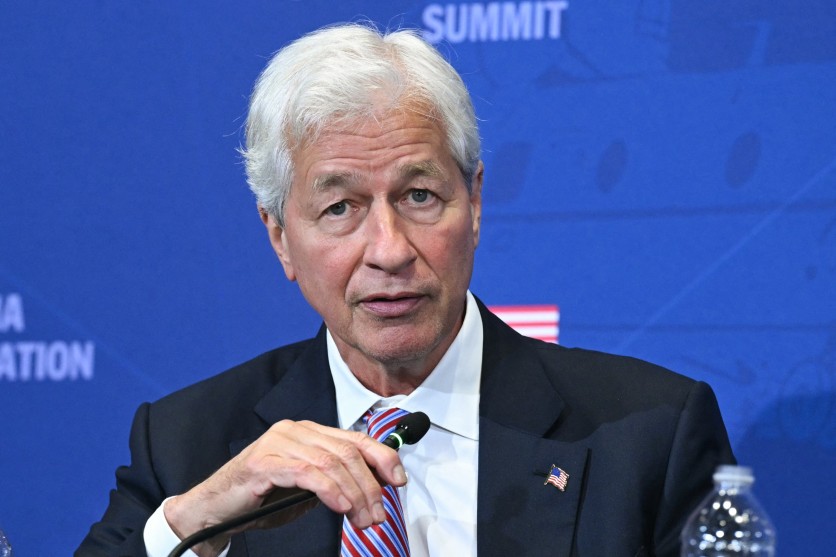
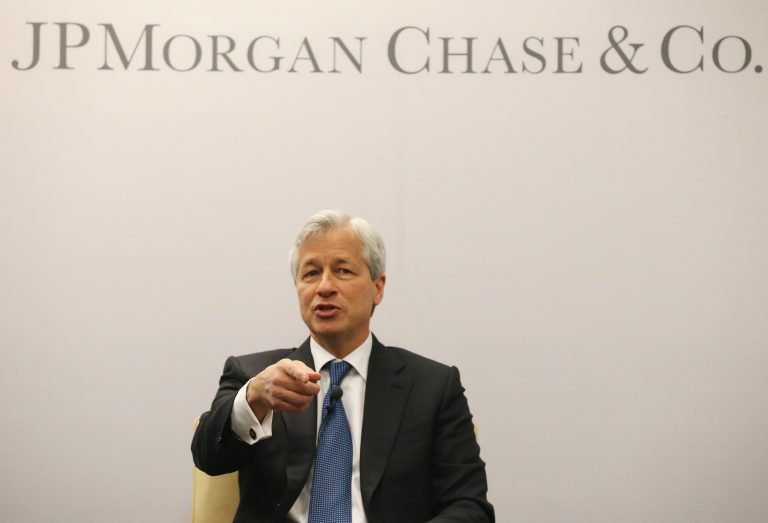
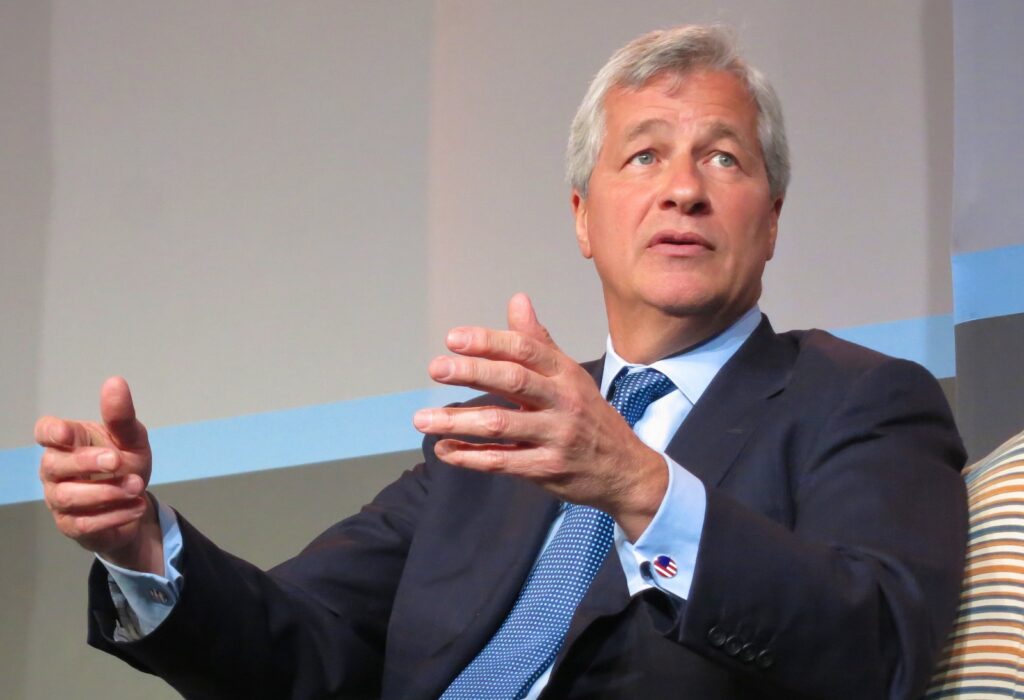
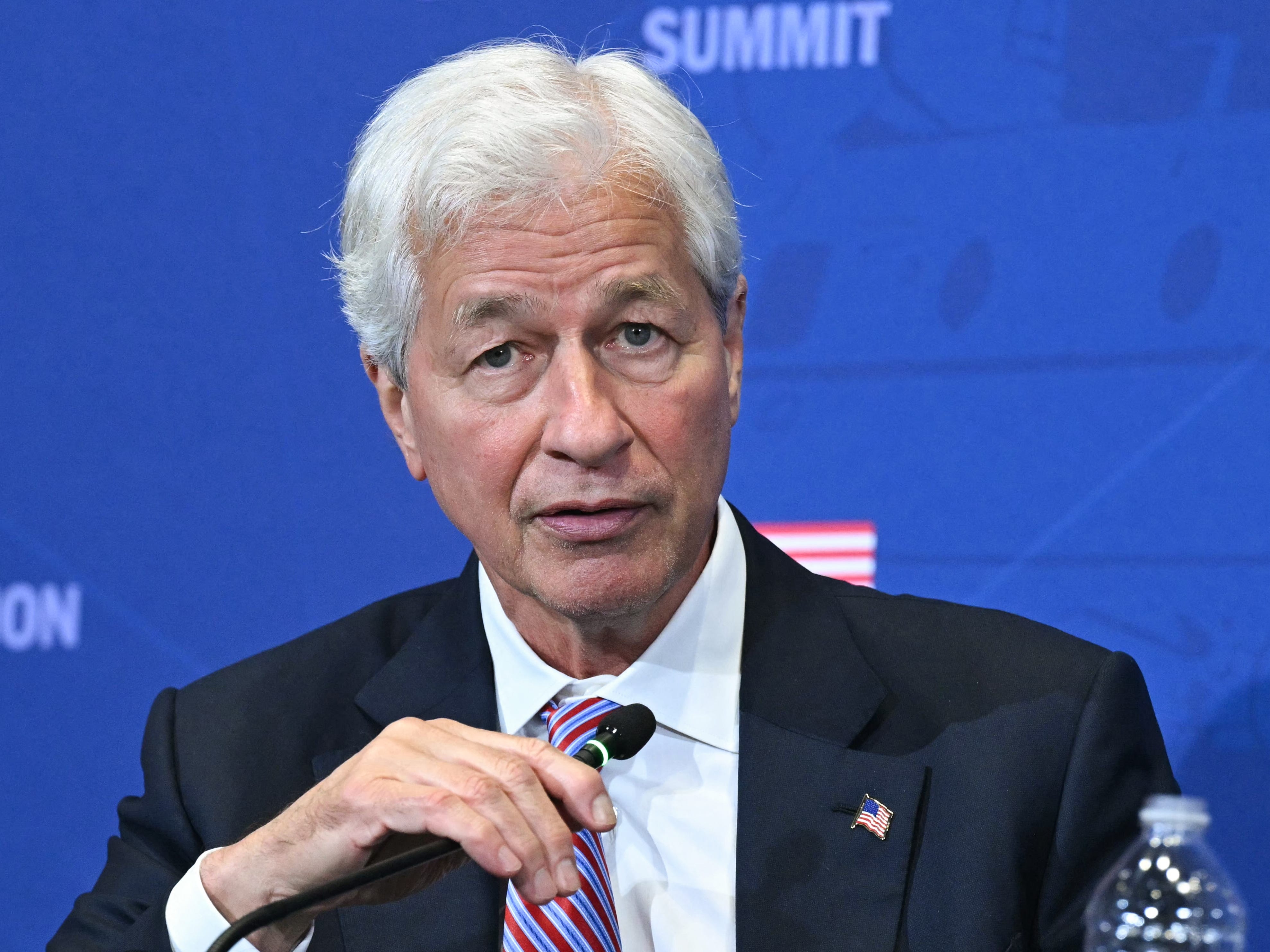
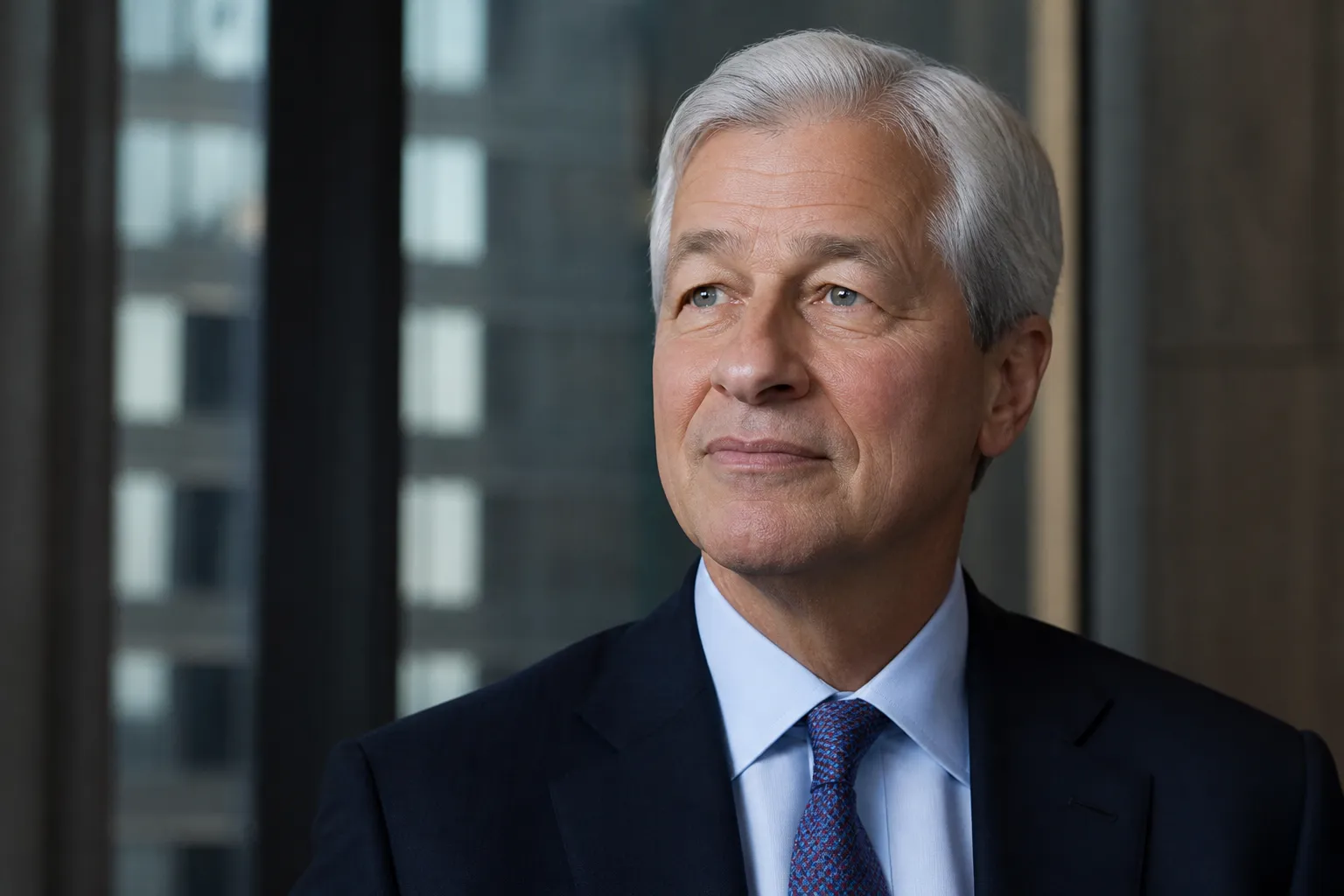
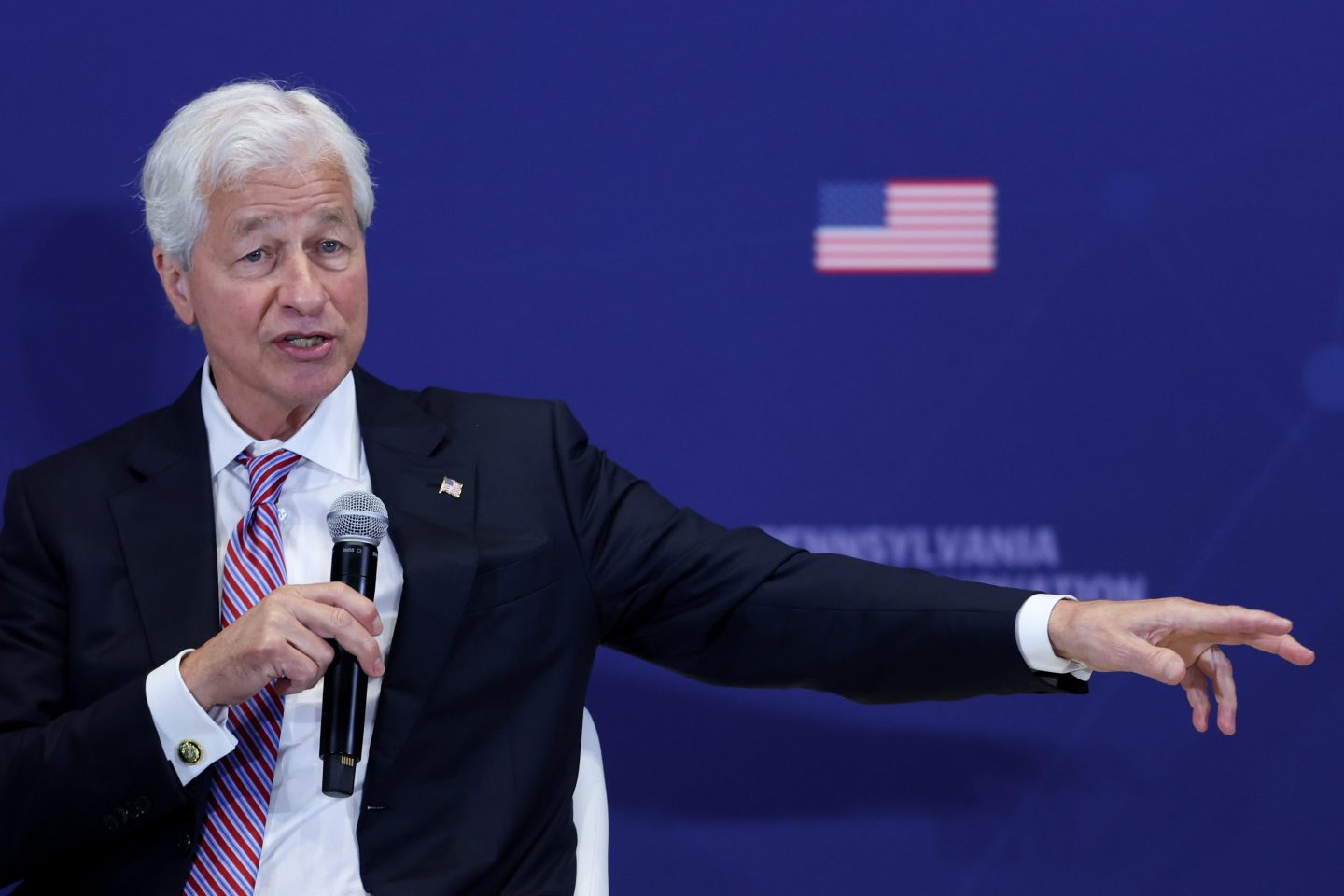
JPMorgan Chase CEO Jamie Dimon has issued a critical warning about the U.S. dollar's future as the world's reserve currency, with direct implications for cross-border e-commerce sellers. The dollar currently represents 57% of global foreign-exchange reserves, down from 70% in 2000—a 13-percentage-point decline that signals accelerating currency diversification. Dimon argues that dollar dominance depends on America's sustained economic and military strength, but the U.S. faces mounting challenges including rising Chinese competition, elevated government debt, and industrial capacity concerns. Analysts increasingly envision a multipolar monetary system rather than simple currency replacement, with countries diversifying reserves across dollars, euros, gold, and alternative assets.
For cross-border e-commerce sellers, this currency fragmentation creates immediate operational risks. Sellers operating in multiple currencies face increased foreign exchange (FX) volatility, higher hedging costs, and unpredictable conversion rates on platforms like Amazon Global, eBay International, and Shopify Markets. Payment gateway fees for cross-border transactions are likely to increase as financial institutions price in currency risk premiums. A fragmented monetary system means sellers can no longer rely on stable dollar-to-euro or dollar-to-yuan conversion rates, forcing them to either absorb FX losses or implement dynamic pricing strategies that adjust in real-time to currency fluctuations. Sellers with inventory in multiple regions (US, EU, Asia Pacific) will face margin compression of 3-8% depending on their hedging strategies and payment processing methods.
The timeline for this shift remains uncertain, but the risk window is opening now. While Dimon did not specify when reserve-currency status might erode, the 13-percentage-point decline over 23 years suggests acceleration is possible within 3-5 years if geopolitical fragmentation continues. Alternative payment systems (CIPS in China, SPFS in Russia, digital currencies) are gaining adoption, reducing dollar dependency in specific corridors. Sellers should immediately audit their FX exposure: calculate what percentage of revenue comes from non-USD transactions, review payment processor fee structures, and stress-test margins against 10-15% currency swings. Strategic actions include locking in forward contracts for major currency pairs (EUR/USD, GBP/USD, CNY/USD), diversifying payment methods to include local payment processors in key markets, and considering regional inventory positioning to reduce cross-border transaction volumes. The Federal Reserve's emphasis on rule of law and deep capital markets suggests the dollar will remain dominant in developed markets (US, EU, UK), but emerging markets (Southeast Asia, Latin America, India) may increasingly price goods in local currencies or alternative reserves, requiring sellers to adapt pricing and payment strategies accordingly.
Questions 7
How does dollar reserve currency decline affect my cross-border seller margins?
A multipolar currency system increases foreign exchange volatility, which directly compresses margins for sellers operating in multiple currencies. If you sell on Amazon Global or eBay International and receive payments in EUR, GBP, or JPY, currency swings of 5-10% can reduce profit margins by 3-8% depending on your hedging strategy. For example, a seller with 40% of revenue in euros faces a 4% margin hit if EUR/USD drops from 1.10 to 1.05. JPMorgan's analysis suggests this volatility will increase as the dollar's 57% share of global reserves continues declining. You should immediately calculate your FX exposure by currency pair and implement forward contracts or dynamic pricing to protect margins.
What payment processing changes should I expect from currency fragmentation?
Payment gateway fees for cross-border transactions are likely to increase 15-25% as financial institutions price in currency risk premiums. Stripe, PayPal, and Wise currently charge 1.5-3% for international transfers; expect these to rise to 2-4% as alternative payment systems (CIPS, SPFS, digital currencies) fragment the market. Additionally, settlement times may lengthen from 2-3 days to 5-7 days as banks manage currency exposure more conservatively. Sellers should audit their payment processor contracts now, compare fees across Stripe, Wise, and regional processors (Alipay for Asia, Adyen for EU), and consider locking in current rates through multi-year agreements before fee increases take effect.