
GPU Price Surge Hits 80% Above MSRP | AI Demand Drives Component-Wide Shortage Through 2027
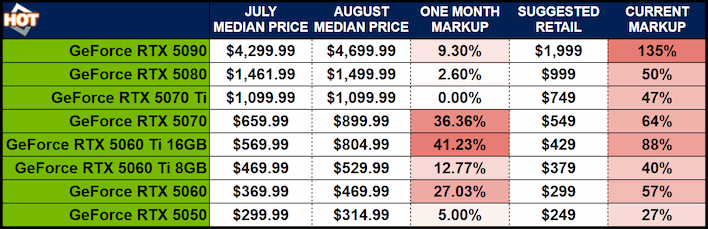
- RTX 5070 jumps $240 to $899 (80% above launch), RTX 5060 Ti reaches $804.99 (88% premium); memory manufacturers sold through 2027 capacity, affecting PC gaming, streaming, and AI workstation sellers






Overview
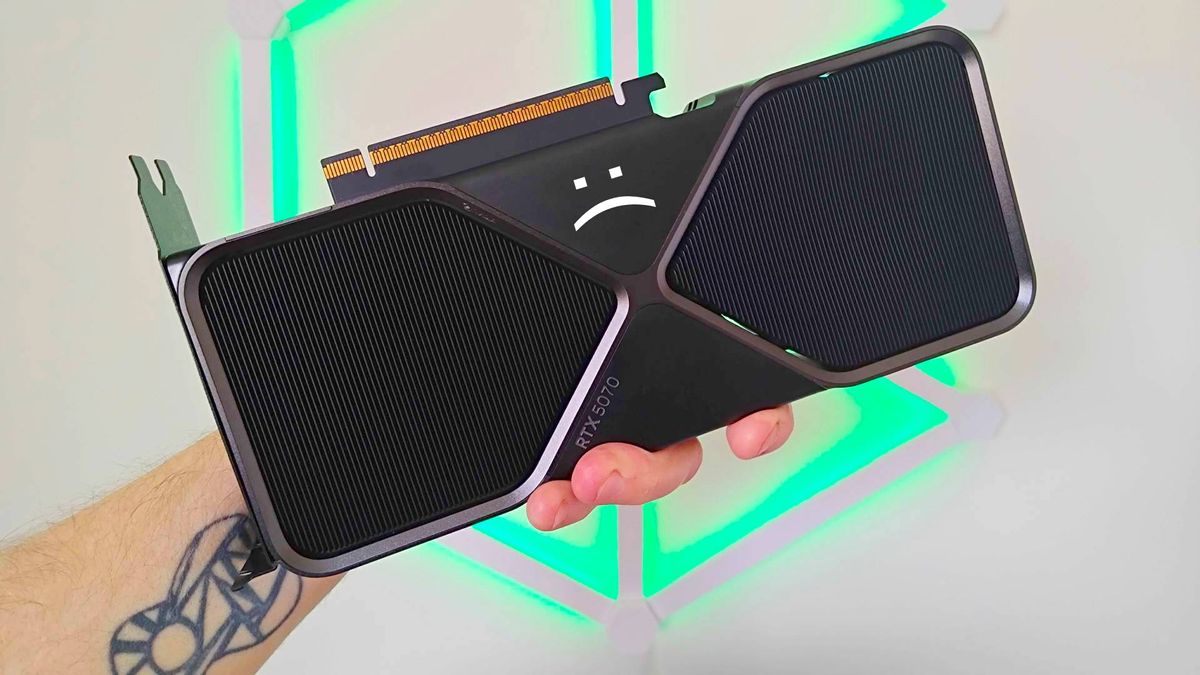
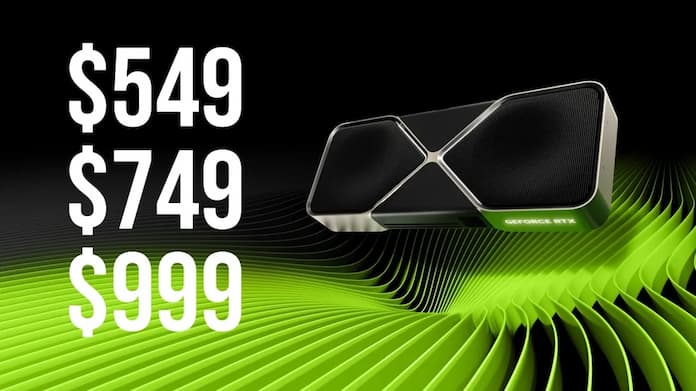
Nvidia's GeForce RTX 50-series GPUs are experiencing unprecedented price escalation across US retailers, with median Newegg listings showing the RTX 5070 at $899 (up $240 from June's $659, 80% above $499 MSRP) and RTX 5060 Ti at $804.99 (up $235.99 from $569, 88% above $429 MSRP). The price spikes represent the steepest increases in recent GPU market cycles, with certain models experiencing markups as high as 39%. Unlike previous cryptocurrency-driven shortages, current escalation stems from AI-driven memory demand affecting the entire hardware sector—all three major memory manufacturers have reportedly sold through their 2027 manufacturing capacity, indicating sustained supply constraints extending 18+ months.
This component-wide crisis directly impacts e-commerce sellers across multiple categories. PC gaming peripheral sellers face margin compression as GPU costs force budget-conscious buyers to delay purchases or reduce system specifications. Streaming equipment sellers (webcams, capture cards, microphones) experience reduced demand as content creators postpone hardware upgrades due to elevated GPU costs. AI workstation and server component sellers encounter increased competition for limited inventory, while gaming laptop and pre-built system sellers must absorb cost increases or raise prices, risking Buy Box loss on Amazon and eBay. The pricing pattern typically stabilizes within 4-8 weeks during isolated GPU launches, but current market conditions suggest sustained elevation through Q1 2027 due to memory supply constraints. Retailers on Newegg show limited inventory at lower price points ($749 for RTX 5070), indicating sellers must act quickly to secure stock before further escalation.
The broader hardware ecosystem is experiencing synchronized price increases. Steam Machines launched at elevated prices in June 2026, while Xbox Series X and PlayStation 5 implemented price increases simultaneously. This creates a cascading effect: consumers facing $200-300 GPU premiums simultaneously encounter $100-200 console price hikes, compressing discretionary spending across gaming hardware categories. E-commerce sellers in gaming peripherals, accessories, and complementary products (cooling solutions, power supplies, cases) should expect 15-25% demand reduction as consumers prioritize core components. However, this creates counter-opportunities: sellers of budget-friendly alternatives (used GPUs, refurbished gaming laptops, entry-level streaming setups) may see 30-40% demand increases as price-conscious buyers seek workarounds. The AI-driven memory shortage also signals emerging opportunities in AI-adjacent consumer products (AI-powered software, cloud computing credits, AI training courses) where sellers can capture displaced hardware budgets.
Questions 8
Why are GPU prices spiking 80% above MSRP in August 2026?
GPU prices are surging due to AI-driven memory demand, not traditional gaming demand. All three major memory manufacturers (SK Hynix, Samsung, Micron) have sold through their 2027 manufacturing capacity, creating sustained supply constraints across the entire hardware sector. The RTX 5070 reached $899 (up $240 from June), while RTX 5060 Ti jumped to $804.99, representing 80-88% premiums above launch MSRPs. This differs from previous cryptocurrency-driven shortages—the constraint is structural and expected to persist through 2027, affecting not just GPUs but also gaming consoles (Xbox Series X, PlayStation 5) and Steam Machines, which all implemented price increases simultaneously in June-August 2026.
When will GPU prices stabilize and return to normal MSRP levels?
GPU prices typically stabilize within 4-8 weeks during isolated launches, but current conditions suggest sustained elevation through Q1 2027. The constraint is memory supply (all three manufacturers sold through 2027 capacity), not GPU production alone. Historical precedent from Ada and Ampere generation transitions shows similar patterns resolved as production scaled, but this cycle differs—the bottleneck is upstream in memory manufacturing, not GPU assembly. Sellers should plan inventory and pricing strategies assuming elevated prices through at least March 2027, with potential normalization in Q2 2027 if memory manufacturers increase capacity allocation.