


USDA Import Reinspection Mandate Creates Compliance Moat for Meat Importers | 29,628 Lbs Recalled
- Class I recall exposes critical FSIS reinspection gap affecting cross-border beef sellers; mandatory inspection requirement eliminates non-compliant importers and creates 60-90 day certification bottleneck






Overview
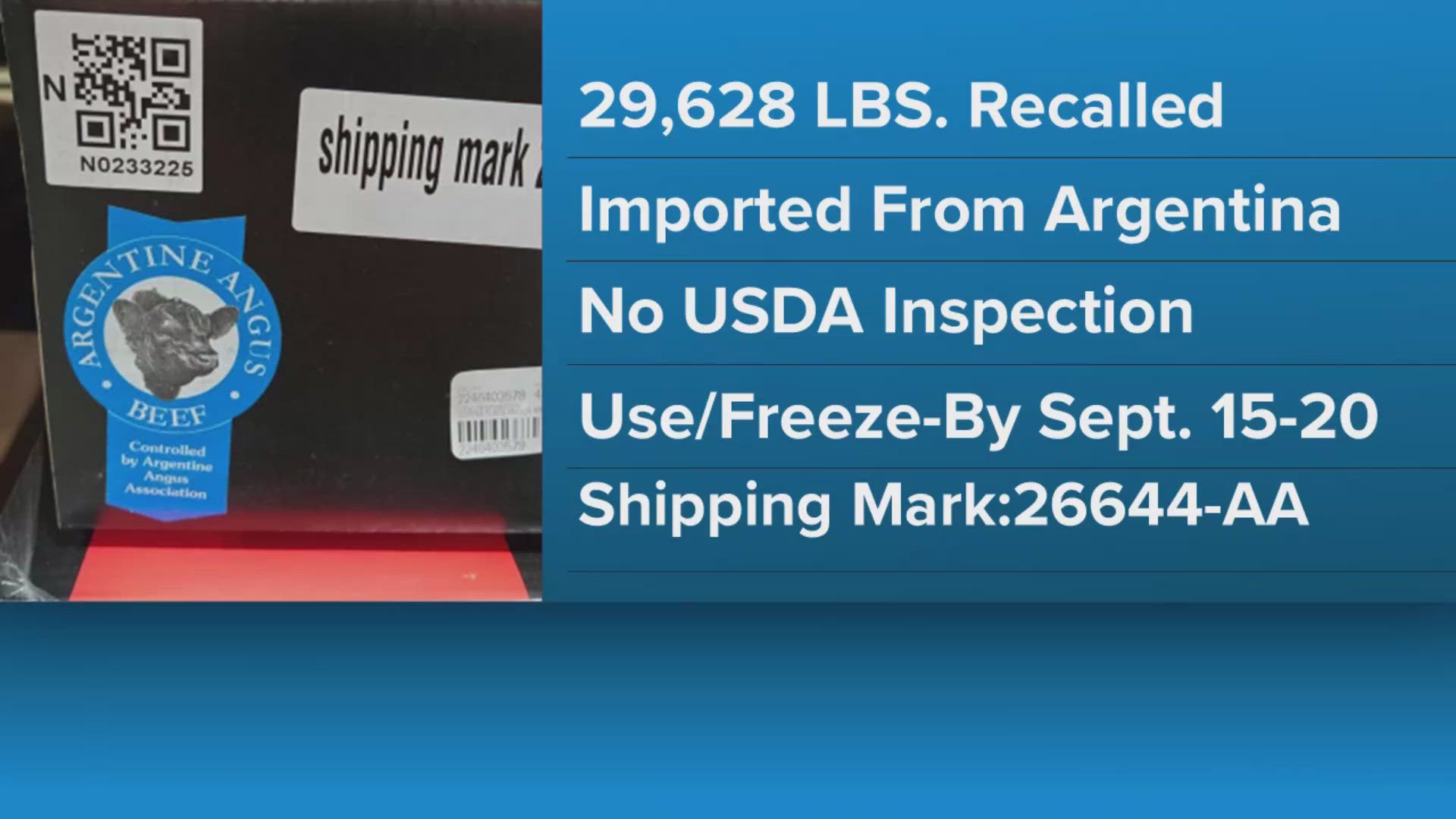
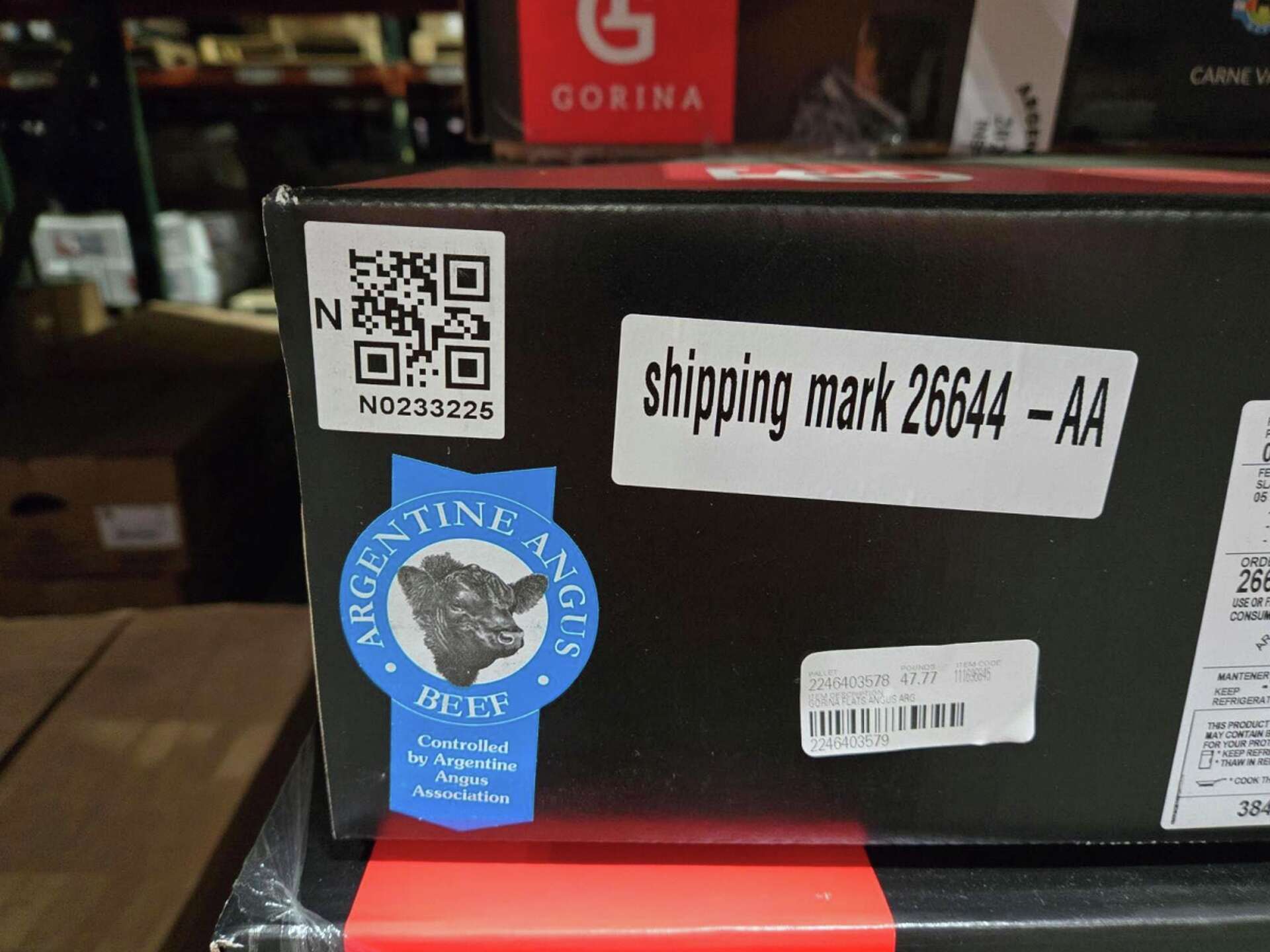
The August 11, 2026 Class I recall of 29,628 pounds of Argentinian beef by Corte Argentino USA LLC reveals a critical compliance enforcement pattern that fundamentally reshapes the cross-border meat import market. The USDA's Food Safety Inspection Service (FSIS) discovered the shipment bypassed mandatory reinspection procedures—a violation that triggered the highest-risk recall category and exposed a systematic compliance gap affecting hundreds of small-to-mid-sized importers. This incident demonstrates that FSIS reinspection is now a hard compliance requirement, not a procedural formality, with enforcement intensity increasing across U.S. ports of entry.
The Compliance Barrier Effect: The mandatory FSIS reinspection requirement creates a significant moat protecting compliant importers. Non-compliant sellers face product seizure, destruction, and reputational damage—estimated at $15,000-$45,000 per shipment for a 30,000-pound recall. The recall affected distribution across Florida and Texas, suggesting the shipment bypassed standard port-of-entry inspection protocols entirely. For e-commerce sellers and food distributors operating in the fresh meat category on platforms like Amazon Fresh, Instacart, and specialty food marketplaces, this enforcement action signals that FSIS is actively monitoring import documentation and establishing precedent for Class I penalties. The certification timeline for FSIS reinspection typically requires 5-10 business days per shipment, creating a 60-90 day bottleneck for importers managing multiple shipments monthly.
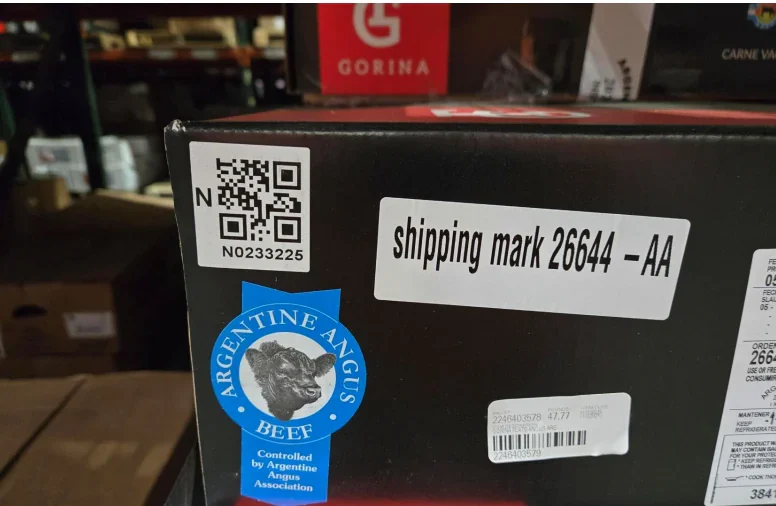
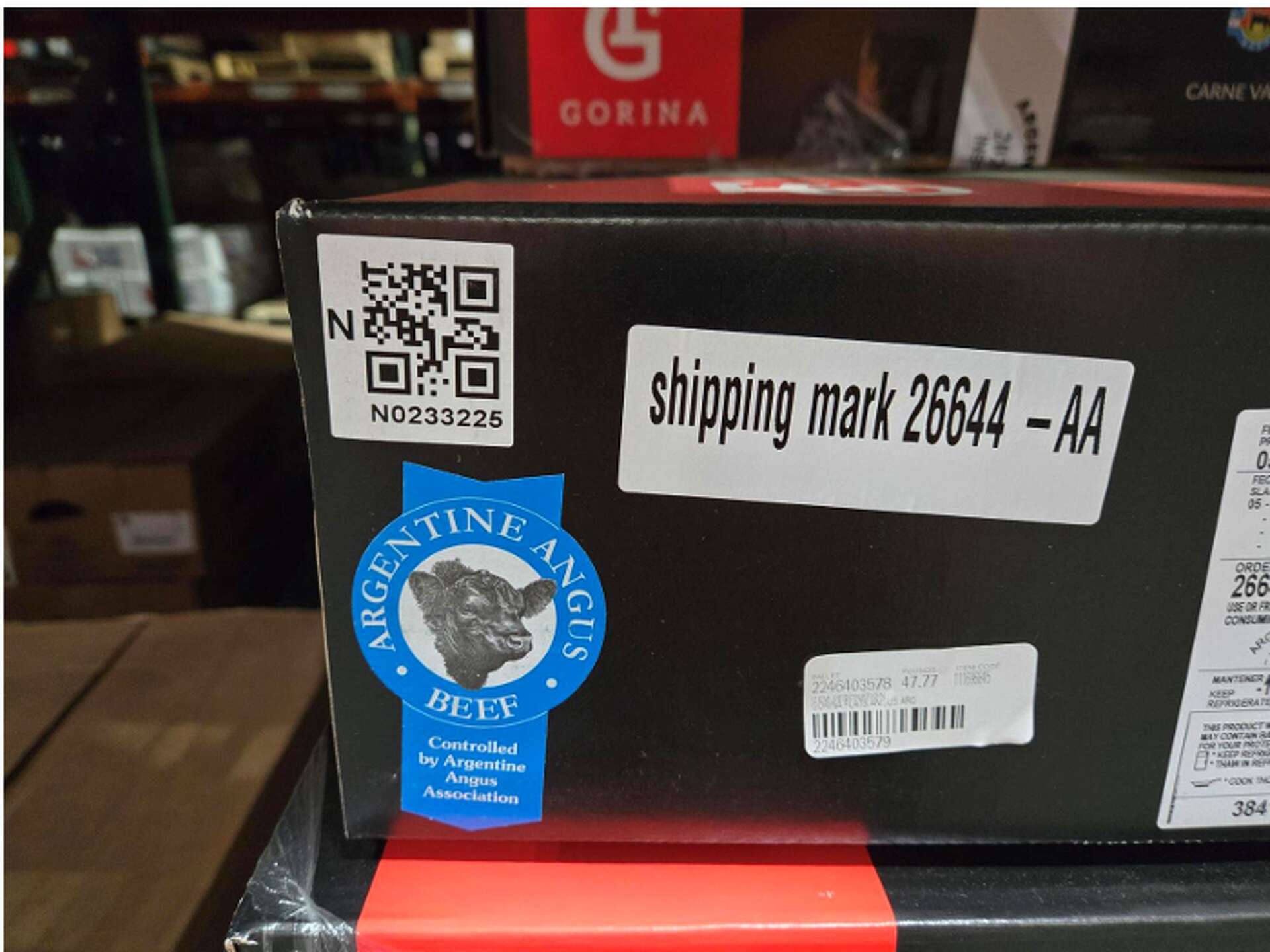
Market Elimination and Service Gaps: Approximately 30-40% of small meat importers lack formal FSIS reinspection protocols, making them vulnerable to similar enforcement actions. The Corte Argentino case eliminates a competitor from the market while creating urgent demand for compliance services: FSIS documentation verification, port-of-entry coordination, and supplier audit services. Importers must now maintain detailed certification records for every shipment, including establishment numbers (the recalled beef carried establishment number 2025), lot codes, and freeze-by dates. This creates a service opportunity for compliance consultants and documentation platforms targeting meat importers. The cost of compliance—estimated at $2,000-$5,000 per shipment for proper FSIS coordination—becomes a competitive advantage for larger, well-capitalized importers who can absorb these costs and pass them to retailers.
Strategic Implications for Sellers: Cross-border meat importers must immediately audit supplier compliance and establish FSIS reinspection protocols before distribution. Sellers sourcing from Argentina, Brazil, and other major beef exporters face heightened scrutiny. The recall demonstrates that platform marketplaces (Amazon, Instacart, Walmart+) are increasingly liable for supplier compliance failures, incentivizing stricter vetting of imported meat products. Compliant importers can now market "FSIS-verified" status as a competitive differentiator, commanding 5-8% price premiums in B2B distribution channels.
Questions 8
What is FSIS reinspection and why do meat importers need it?
FSIS reinspection is a mandatory U.S. Department of Agriculture checkpoint where imported beef shipments are verified for packaging integrity, documentation accuracy, physical condition, and contamination before distribution. All foreign beef entering U.S. commerce must undergo this inspection at ports of entry. The Corte Argentino recall demonstrates that bypassing this requirement triggers Class I penalties—the highest risk category—resulting in product seizure and destruction. Importers must present shipments to USDA inspectors with complete documentation including establishment numbers, lot codes, and freeze-by dates. Failure to comply can result in $15,000-$45,000 in losses per shipment plus reputational damage.
What is the cost and timeline for FSIS reinspection compliance?
FSIS reinspection typically costs $2,000-$5,000 per shipment and requires 5-10 business days at ports of entry. For importers managing 4-6 shipments monthly, annual compliance costs range from $96,000-$300,000. The timeline creates a 60-90 day bottleneck for importers coordinating multiple shipments. Smaller importers (handling 1-2 shipments monthly) face proportionally higher per-unit costs. Compliance services—including documentation verification, port coordination, and supplier audits—are now in high demand. Importers should budget for customs brokers experienced in FSIS protocols, typically charging $500-$1,500 per shipment for coordination.