



Viral Pricing Backlash Signals Consumer Trust Crisis | QSR Kiosk Tech & O2O Retail Opportunities
- 4.2M TikTok views expose kiosk technology vulnerabilities; drives demand for transparent POS systems and experiential retail alternatives in food/beverage sector




Overview
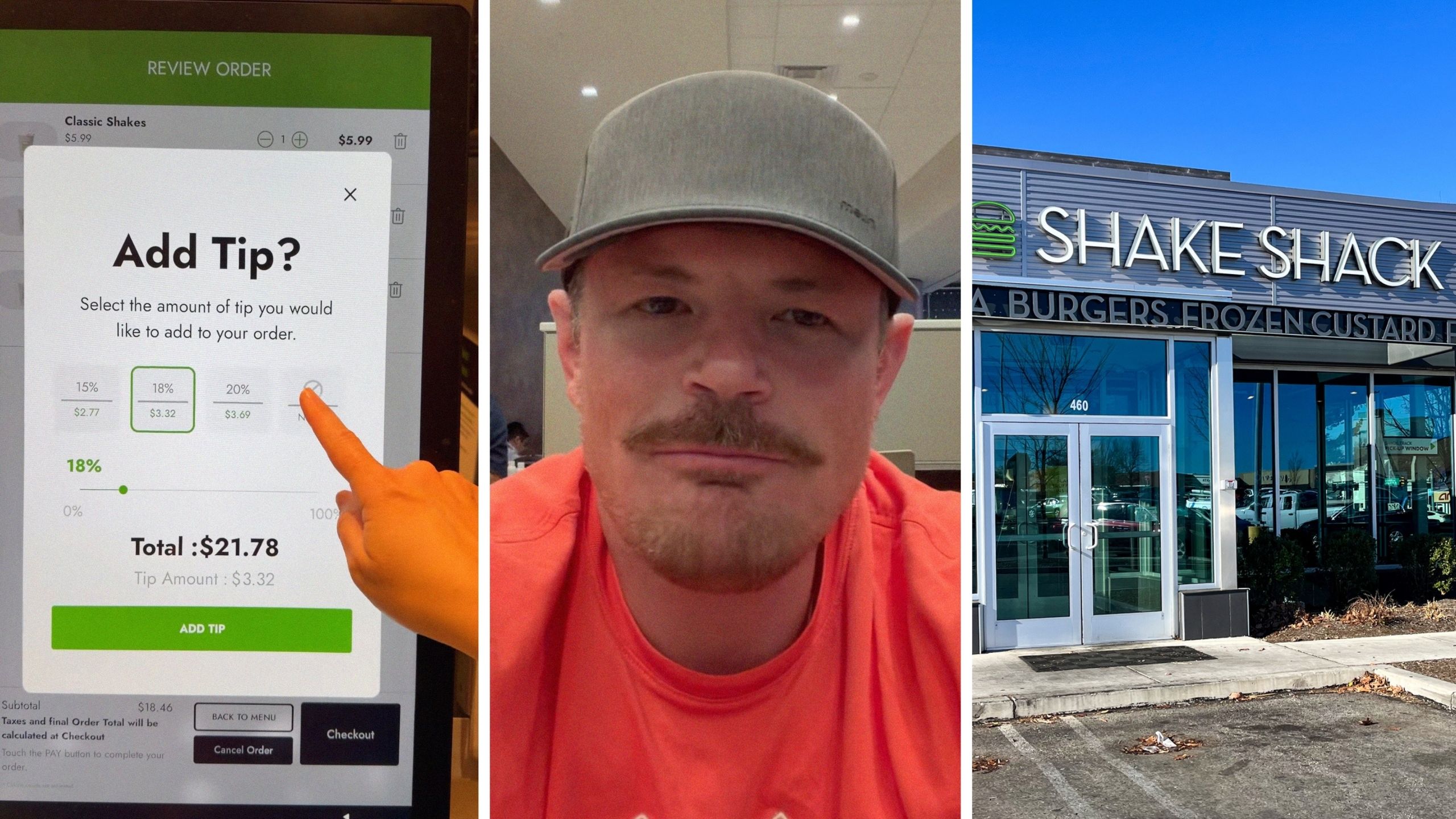
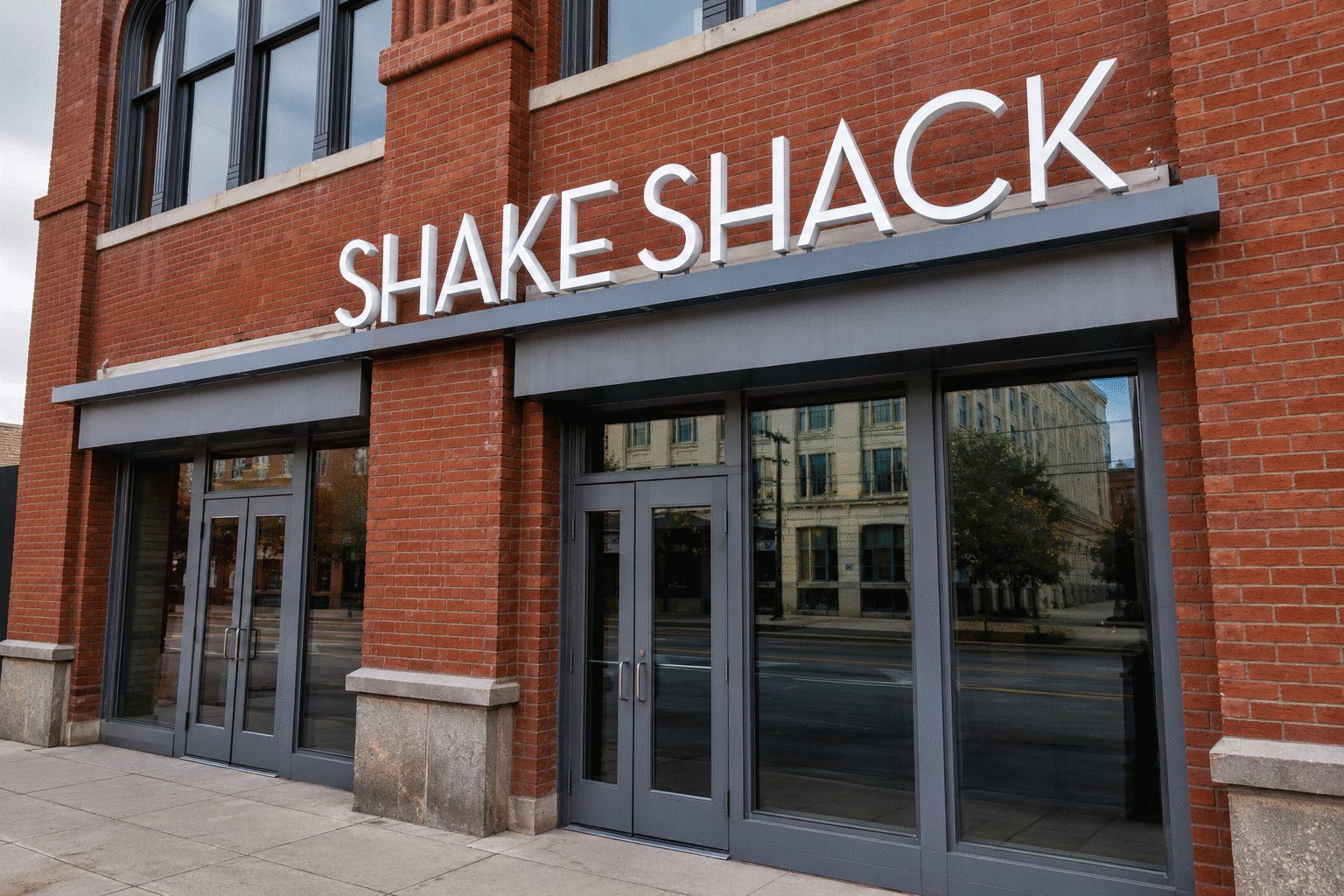
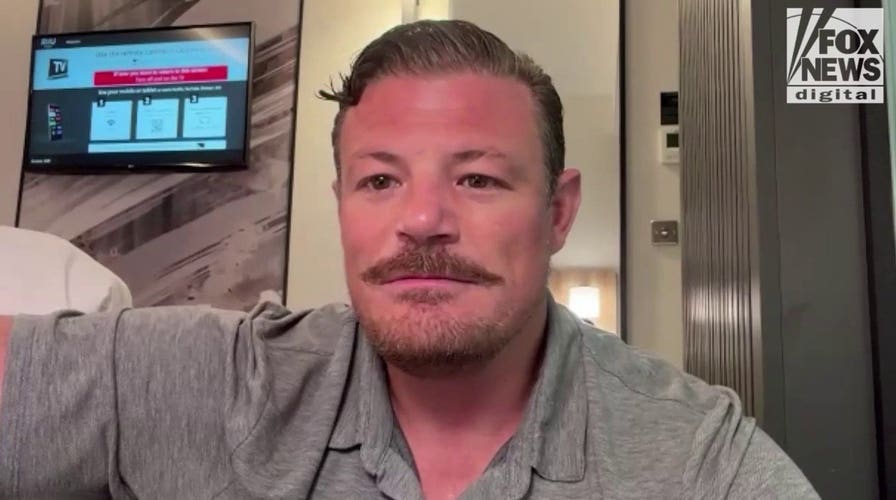
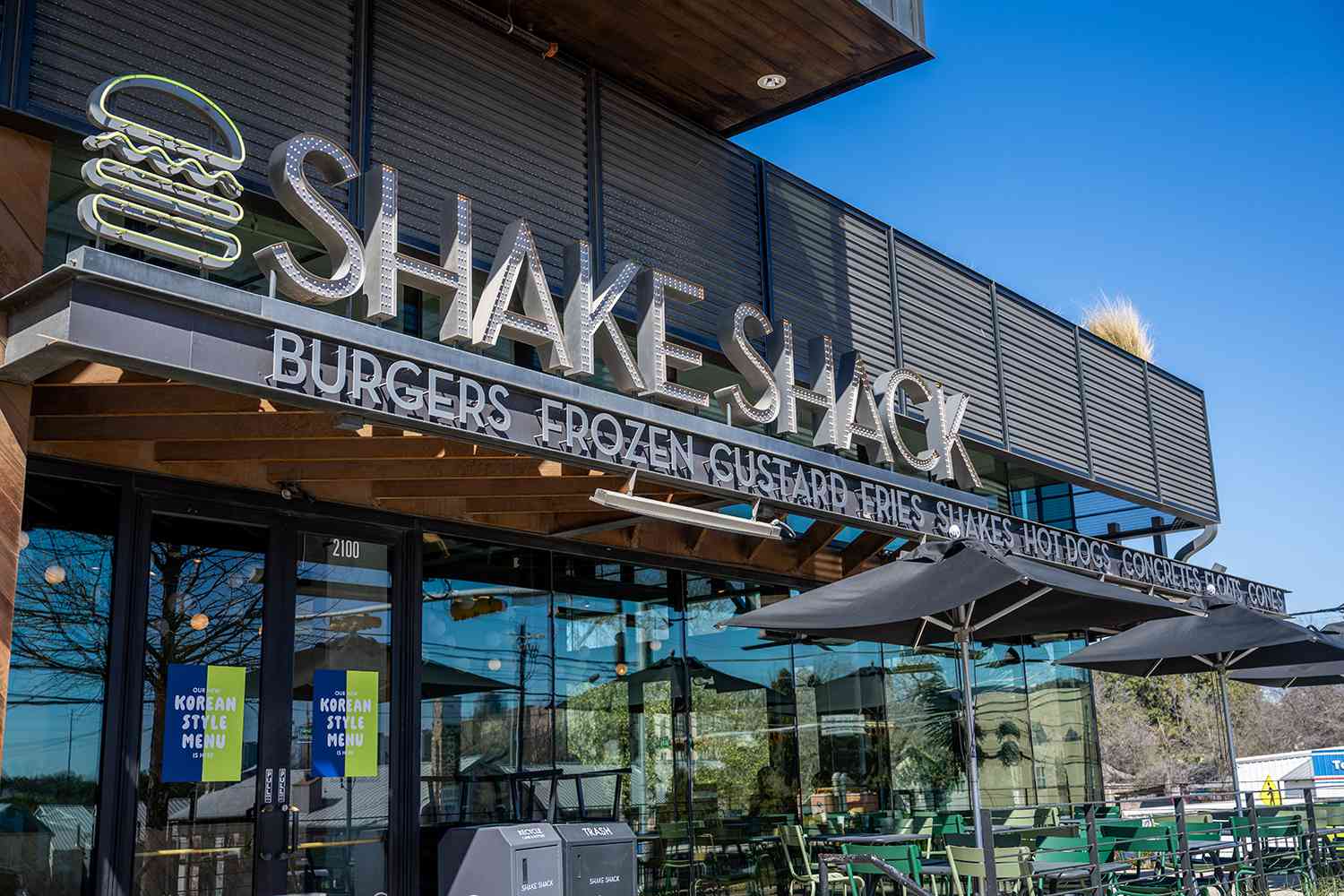
The Shake Shack viral pricing incident—where a TikTok video accumulated 4.2 million views and 400,000 likes showing a $0.50 price increase when a customer selected "No Tip"—reveals critical vulnerabilities in self-service kiosk technology and consumer trust in digital ordering systems. While Shake Shack attributed the incident to a technology glitch at a Salt Lake City International Airport location operated by licensee HMSHost (which manages 1,000+ dining locations across 80 North American airports), the viral spread demonstrates how social media amplifies consumer grievances about pricing transparency, directly impacting brand perception and customer loyalty.
For retail operations and O2O strategists, this incident creates three immediate opportunities:
1. Kiosk Technology & POS System Demand: The incident exposes that 420 Shake Shack U.S. locations (with ~90 directly operated and 330+ managed by licensees) rely on third-party kiosk systems prone to pricing errors. This signals urgent demand for transparent, auditable POS solutions that prevent dynamic pricing glitches. Sellers of restaurant technology, POS software, and kiosk hardware should position products emphasizing pricing integrity, real-time error detection, and compliance logging. The airport food service sector—where HMSHost operates—represents a high-value vertical with strict regulatory requirements and premium pricing tolerance.
2. Experiential Retail & Counter-Service Alternatives: Consumer backlash against "aggressive tipping culture" and hidden fees creates opportunity for experiential food retail concepts that emphasize transparency and human interaction. Pop-up food concepts, ghost kitchens with transparent pricing displays, and counter-service models (where customers see prices before ordering) can differentiate through trust-building. Cities with high airport traffic (Salt Lake City, major hubs) and affluent demographics show strongest demand for premium, transparent food experiences. O2O strategies linking online ordering to transparent in-store pickup can rebuild consumer confidence.
3. Consumer Trust & Brand Transparency Products: The incident reflects broader consumer concern about hidden fees and dynamic pricing across industries. This drives demand for consumer-facing transparency tools—price comparison apps, receipt verification software, and loyalty programs emphasizing fixed pricing. Sellers can capitalize on this trend by offering products/services that help restaurants communicate pricing integrity (digital signage, transparent menu displays, blockchain-verified pricing records).
Operational Impact: The incident occurred at an airport location, a venue type with captive audiences and premium pricing expectations. However, the viral backlash demonstrates that even in high-margin environments, perceived unfair pricing triggers social media amplification and brand damage. Sellers should monitor similar incidents across QSR chains and position solutions addressing the root cause: kiosk software reliability and pricing transparency.
Questions 8
Which seller categories benefit most from this pricing transparency trend?
**Primary beneficiaries**: (1) POS software vendors offering transparent pricing, error detection, and compliance logging; (2) Kiosk hardware manufacturers emphasizing reliability and security; (3) Digital signage providers enabling real-time, transparent menu displays; (4) Loyalty program platforms emphasizing fixed pricing and consumer trust; (5) Experiential retail concepts (pop-ups, ghost kitchens, counter-service models) differentiating through transparency. Secondary opportunities include receipt verification apps, blockchain-based pricing verification, and consumer-facing price comparison tools. Airport food service operators and premium QSR chains represent highest-value customer segments with budget for trust-building solutions.
What O2O retail opportunities emerge from this consumer backlash against hidden fees?
The incident reflects broader consumer frustration with hidden fees and dynamic pricing across food service. This creates demand for **experiential food retail concepts** emphasizing transparency and human interaction. High-opportunity cities include Salt Lake City (incident location), major airport hubs, and affluent urban markets where consumers value premium, transparent experiences. O2O strategies linking online ordering to transparent in-store pickup, counter-service models with visible pricing, and loyalty programs emphasizing fixed pricing can differentiate brands. Pop-up food concepts and ghost kitchens with transparent pricing displays represent low-cost ways to test offline presence and rebuild consumer trust in digital-first food ordering.