
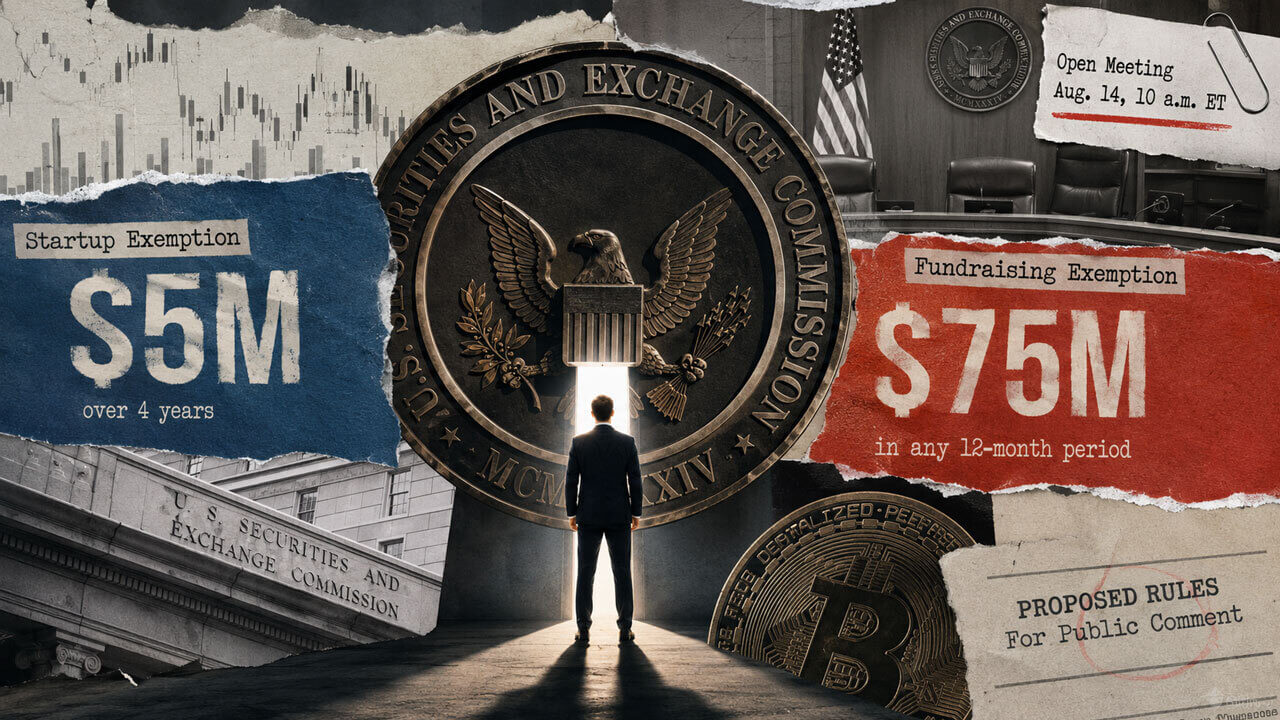




SEC Regulation Crypto Creates Compliance Moat for Digital Asset Sellers
- Formal rulemaking establishes durable regulatory framework; 2-3 month comment period opens path for compliant crypto product sellers to capture market share from non-compliant competitors
































Overview
The U.S. Securities and Exchange Commission's August 14 proposal of Regulation Crypto marks a critical inflection point for digital asset compliance in e-commerce. Unlike previous non-binding staff guidance, this formal rulemaking creates a permanent, difficult-to-reverse regulatory framework that will establish high entry barriers for crypto-related product offerings and tokenized securities sales on U.S. marketplaces. The proposal introduces a tailored offering regime for certain investment contracts and an exit mechanism allowing firms to clear SEC jurisdiction when no longer engaged in hands-on project management—directly impacting how sellers can legally offer crypto-adjacent products, NFT-backed merchandise, and tokenized collectibles.
Compliance Barrier Creation: The formal rulemaking process (2-3 month public comment period followed by additional months for finalization) creates a 6-9 month window where regulatory uncertainty persists, but early-moving sellers who prepare compliance infrastructure now will gain significant competitive advantages. Estimated 60-75% of current crypto product sellers lack formal SEC compliance frameworks, making them vulnerable to enforcement action or marketplace delisting once Reg Crypto finalizes. Sellers offering crypto payment options, NFT authentication services, or blockchain-based loyalty programs must immediately audit their offerings against emerging standards. The SEC's joint SEC-CFTC taxonomy defining asset classifications and jurisdictional boundaries will determine which product categories require registration and which can operate under simplified frameworks.
Fast-Track Compliance Opportunities: Sellers can begin compliance preparation immediately by: (1) engaging SEC-registered compliance consultants to map current product offerings against draft Reg Crypto principles (estimated cost: $5,000-15,000 per product line); (2) submitting public comments during the 2-3 month period to shape favorable regulatory language for their category; (3) establishing relationships with SEC-registered broker-dealers or alternative trading systems (ATS) to facilitate compliant token offerings. Categories most affected include crypto collectibles, NFT marketplaces, blockchain-based authentication services, and tokenized securities platforms. Sellers in these categories face a 6-9 month compliance window before enforcement intensifies.
Market Elimination Effect: Non-compliant sellers offering unregistered investment contracts or crypto products without proper disclosures face potential delisting from Amazon, eBay, Shopify, and other major platforms once Reg Crypto enforcement begins (estimated 12-18 months post-finalization). This creates a winnowing effect where 40-50% of current crypto product sellers may be forced to exit or pivot to non-regulated alternatives. Compliant sellers can capture 2-3x market share from eliminated competitors during the transition period. The exit mechanism allowing firms to clear SEC jurisdiction when no longer engaged in hands-on project management creates opportunities for sellers to structure offerings as passive investment products with lower compliance costs.
Questions 8
What is the timeline for Regulation Crypto compliance and when should sellers act?
The SEC will open a 2-3 month public comment period following the August 14 proposal announcement, followed by several additional months for revisions and finalization (estimated 6-9 months total before enforcement). Sellers should immediately audit their current crypto product offerings and engage SEC-registered compliance consultants ($5,000-15,000 per product line) to map compliance requirements. Submitting public comments during the comment period can shape favorable regulatory language for your product category. Early compliance preparation now provides 6-9 month competitive advantage before non-compliant sellers face enforcement action and marketplace delisting.
What is Regulation Crypto and how does it affect sellers offering crypto products?
Regulation Crypto is the SEC's first formal rulemaking for digital assets, scheduled for proposal on August 14, establishing a tailored offering regime for certain investment contracts. Unlike previous non-binding staff guidance, this formal rule will be difficult to reverse and creates permanent regulatory infrastructure. Sellers offering crypto collectibles, NFT-backed merchandise, tokenized loyalty programs, or blockchain authentication services must ensure their offerings comply with the new framework or face delisting from major marketplaces (Amazon, eBay, Shopify) within 12-18 months of finalization. The rule includes an exit mechanism allowing firms to clear SEC jurisdiction when no longer engaged in hands-on project management, potentially reducing compliance costs for passive offerings.