
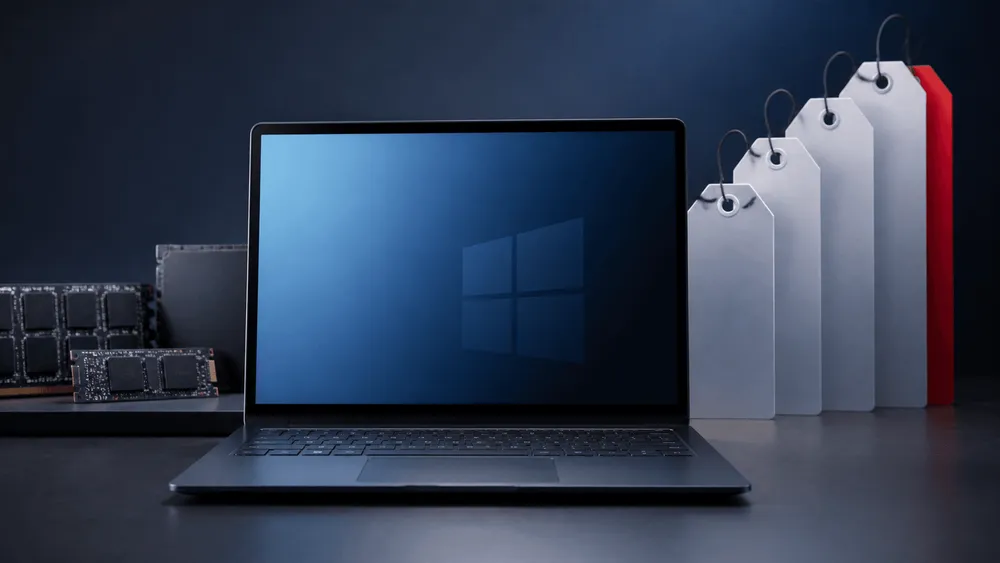



Windows 11 OEM Licensing Hikes 7-10% | PC Prices Rise 5%, Seller Margins Compress
- Microsoft's licensing fee increase directly impacts cross-border sellers in computer hardware, refurbished PCs, and system integration; 5% market-wide price increase reduces competitive pricing advantages for international sellers








Overview
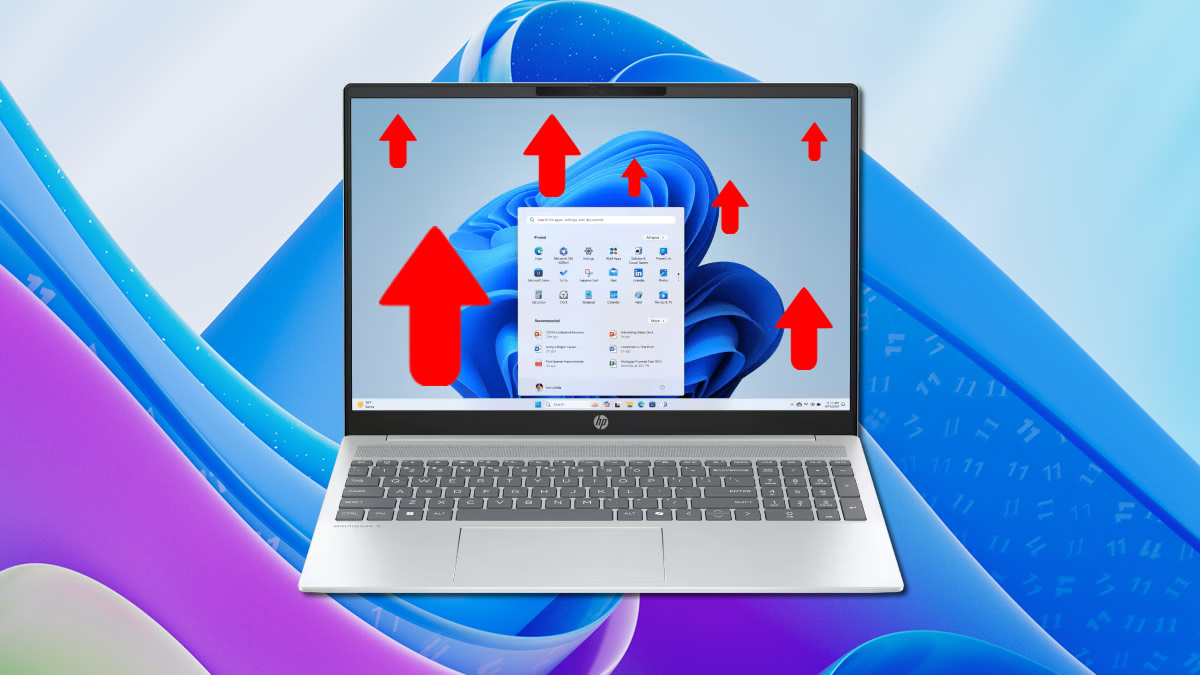
Microsoft's 7-10% increase in Windows 11 OEM licensing fees represents a critical cost shock for cross-border e-commerce sellers specializing in computer hardware, pre-built systems, and refurbished PCs. The licensing fee hike, effective this quarter, is expected to push overall PC prices up approximately 5% across the market, directly affecting major OEM manufacturers including Dell, HP, Lenovo, and ASUS. For cross-border sellers, this development creates a dual challenge: increased component costs reduce competitive pricing advantages in international markets while consumer price sensitivity limits the ability to pass costs downstream. Budget and mid-range laptop segments face proportionally larger price increases relative to their base cost, as Windows 11 licensing represents a significant portion of per-unit costs in these constrained-margin categories.
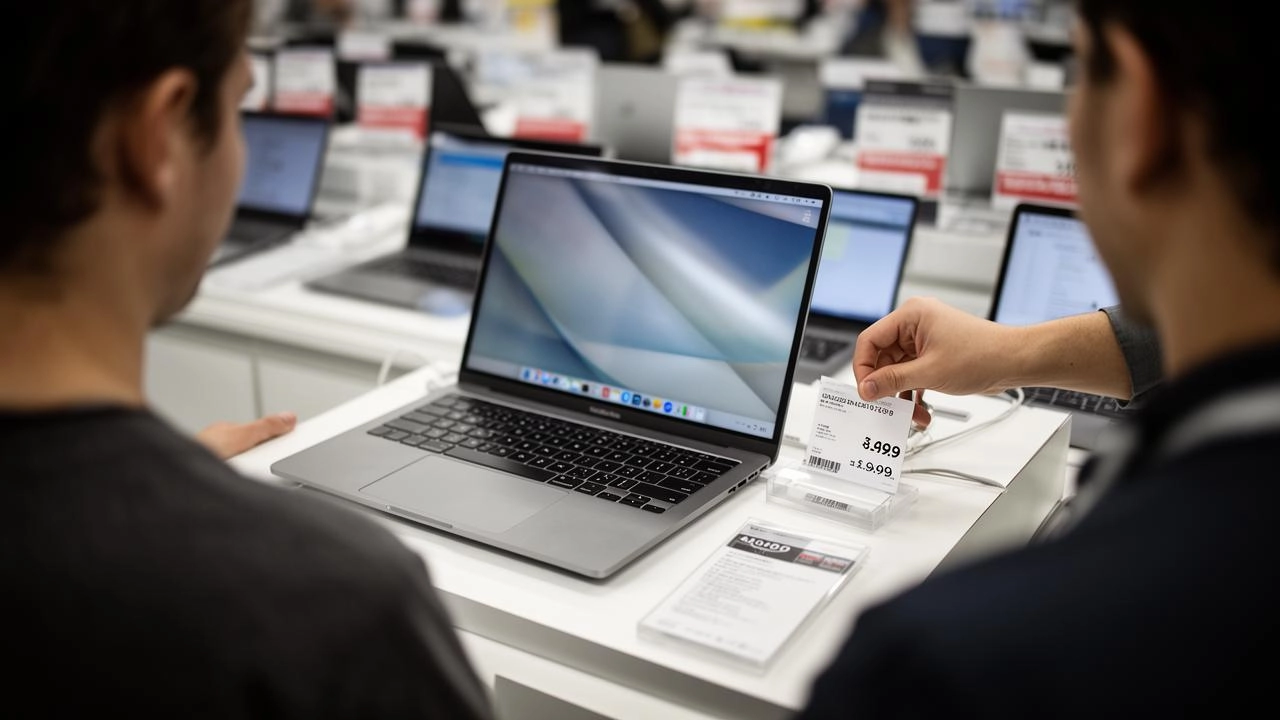
The operational impact varies significantly by seller segment. Large-scale sellers with direct OEM relationships may negotiate volume discounts on enterprise segments, but smaller regional manufacturers and system integrators face disproportionate impacts due to lower negotiating power. Refurbished PC markets—a high-margin category for cross-border sellers—are particularly vulnerable, as competitive Windows licensing rates have historically been a key profit driver. The news reports indicate that retailers are already experiencing increased customer resistance to higher laptop prices, potentially affecting sales volumes in price-sensitive market segments where cross-border sellers typically compete on cost. This pricing pressure compounds existing supply chain challenges including semiconductor fluctuations and component inflation, creating a cascading cost structure that sellers cannot easily absorb without reducing profit margins or cutting features.
For cross-border sellers, the strategic implications are immediate and multifaceted. Sellers currently holding inventory of pre-built systems or laptops face margin compression on existing stock, while new procurement decisions must account for 5% higher baseline costs. The timing coincides with broader PC market recovery and increased demand for computing devices, meaning sellers cannot simply reduce inventory levels without sacrificing revenue opportunities. Enterprise customers may negotiate volume discounts, but consumer and SMB segments—where most cross-border sellers operate—will bear the full cost impact. Industry observers expect these pricing pressures to persist as long as Windows 11 licensing fees remain elevated, suggesting this is not a temporary market disruption but a structural cost shift that will reshape competitive dynamics in the computer hardware category.
Questions 8
How much will Windows 11 licensing fee increases impact my PC resale prices?
Microsoft's 7-10% OEM licensing fee increase is expected to push overall PC prices up approximately 5% across the market this quarter. For cross-border sellers, this means budget and mid-range laptops—where margins are already constrained—will experience proportionally larger price increases relative to their base cost. If you're selling pre-built systems or refurbished PCs, you'll face immediate margin compression on existing inventory while new procurement must account for the 5% higher baseline cost. The impact is most severe in price-sensitive market segments where cross-border sellers typically compete on cost advantage.
Should I adjust my inventory strategy due to PC price increases?
Yes, immediate action is recommended. The news reports indicate retailers are already experiencing increased customer resistance to higher laptop prices, potentially affecting sales volumes. You should review current inventory by category (budget vs. premium) and assess margin impact on existing stock. Consider accelerating sales of pre-built systems before price increases fully propagate through supply chains. However, avoid aggressive inventory reduction, as the timing coincides with broader PC market recovery and increased demand for computing devices. Balance inventory optimization with revenue opportunities in this growth period.